

Desmond Dillon Paul Morton Bücher

Whether it is resentment over trade barriers, fear of cultural domination, disapproval of U.S. foreign policy, or merely old-fashioned jealousy of a more powerful neighbour, Canadians have made excellent anti-Americans. Yankee Go Home? traces the winding course of this feeling over two centuries - from the United Empire Loyalists who fled north to escape unbridled republicanism, through the early twentieth century when the barons of business were determined to keep out U.S. competition, to the post-war period when Canadian nationalists took up the cry. Granatstein maintains that what began as a justifiable fear of invasion eventually became a tool of the economic and political elites bent on preserving their power. At first, anti-Americanism was largely the Tory way of keeping pro-British attitudes uppermost in the minds of Canadians. Later, with the right wing embracing the free-trade deal, it became the most important weapon of the nationalist left. Today, anti-Americanism is weaker than ever before. And what of the future? Will we inevitably become more "American" in spite of ourselves? Can we even agree on what being "Canadian" means?
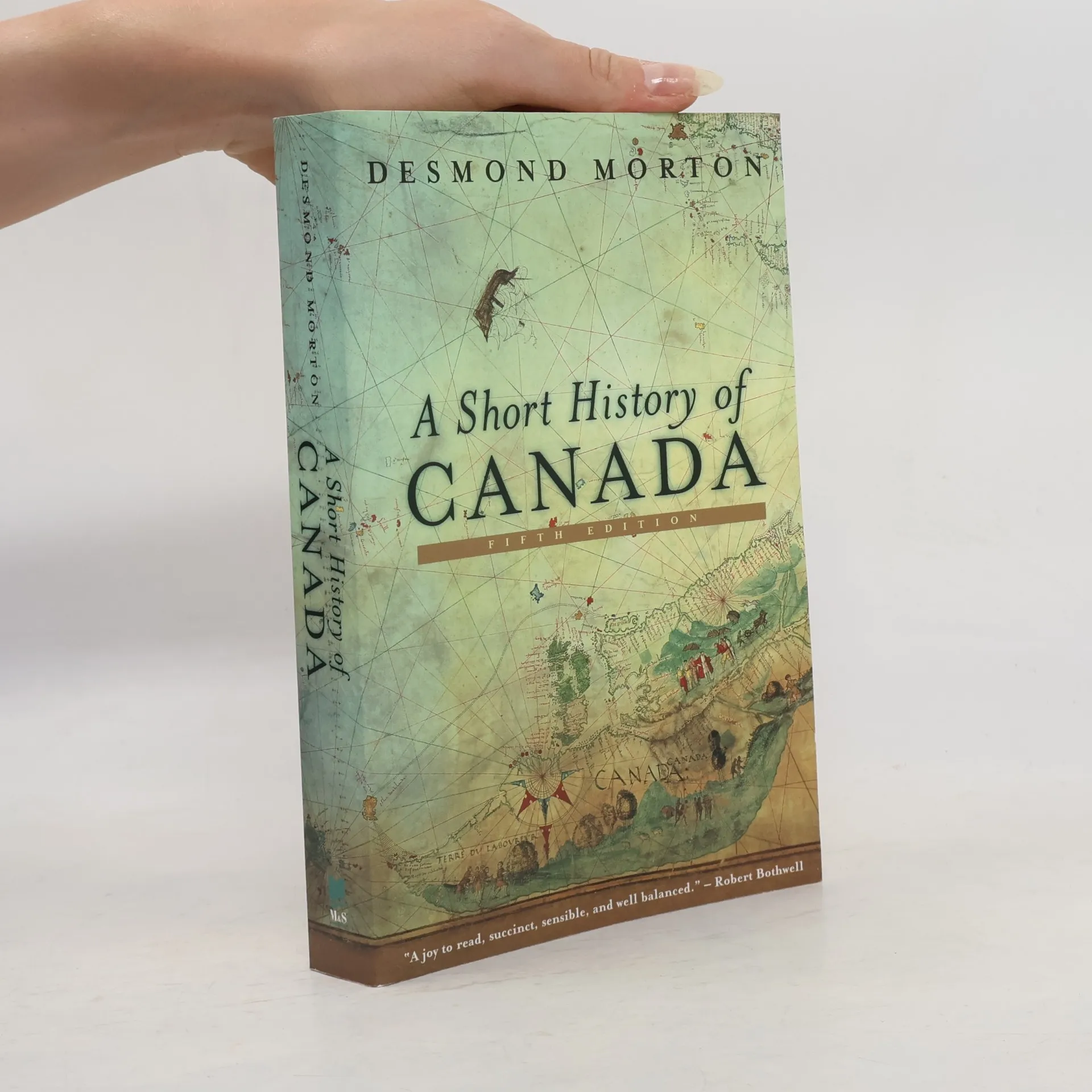
Most of us know bits and pieces of our history but would like to be more sure of how it all fits together. The trick is to find a history that is so absorbing you will want to read it from beginning to end. With this book, Desmond Morton, one of Canada’s most noted and highly respected historians, shows how the choices we can make at the dawn of the 21st century have been shaped by history. Morton is keenly aware of the links connecting our present, our past, and our future, and in one compact and engrossing volume he pulls off the remarkable feat of bringing it all together – from the First Nations before the arrival of the Europeans to the failure of the Charlottetown accord and Jean Chretien’s third term as prime minister. His acute observations on the Diefenbaker era, the effects of the post-war influx of immigrants, the flag debate, the baby boom, the Trudeau years and the constitutional crisis, the Quebec referendum, and the rise of the Canadian Alliance all provide an invaluable background to understanding the way Canada works today.