Robert Polito ist ein amerikanischer Akademiker, Kritiker und Dichter, der sich mit den dunkleren Aspekten der menschlichen Psyche und der Spannung zwischen Kunst und Leben beschäftigt. Sein poetischer Stil ist bekannt für seine Präzision und Eindringlichkeit und behandelt oft Themen wie Besessenheit, Gewalt und die Natur der Realität. Polito konzentriert sich auf die Analyse der Art und Weise, wie Kunstwerke durch die gelebten Erfahrungen ihrer Schöpfer geformt und beeinflusst werden, und enthüllt so die komplexen Beziehungen zwischen dem Künstler, seinem Werk und der Gesellschaft.
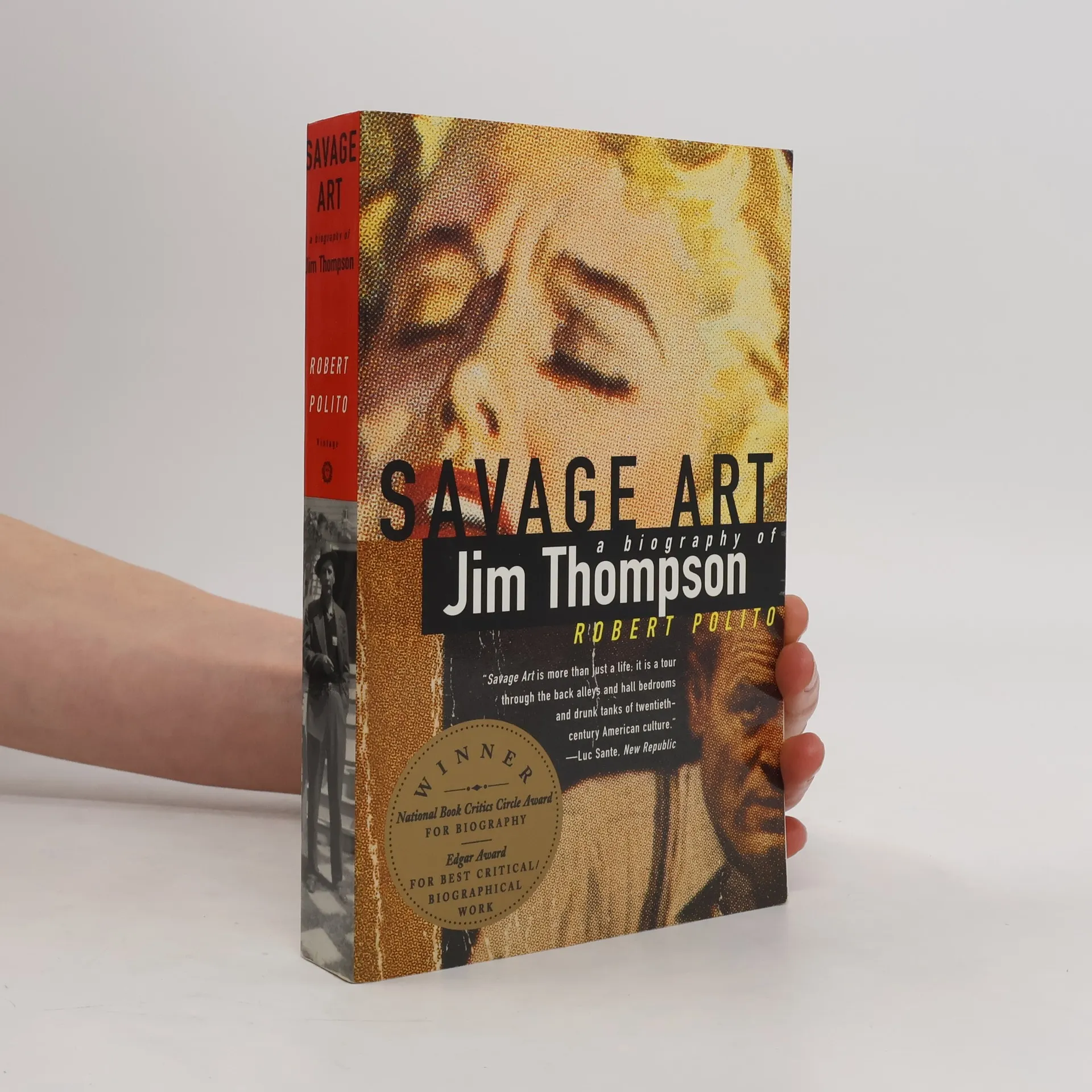
A Biography of Jim Thompson (National Book Critics Circle Award Winner)
560 Seiten
20 Lesestunden
The book delves into Thompson's complex relationships, particularly with his father, a fallen sheriff, and the women who inspired both his love and his darker narratives. It explores themes of addiction, censorship, and the influence of Hollywood on his work. Through a blend of empathy and unflinching honesty, it illuminates the more shadowy aspects of human nature, making it a poignant tribute to a distinctive American voice. Accompanied by 57 photographs, it offers a rich visual context to Thompson's life and art.
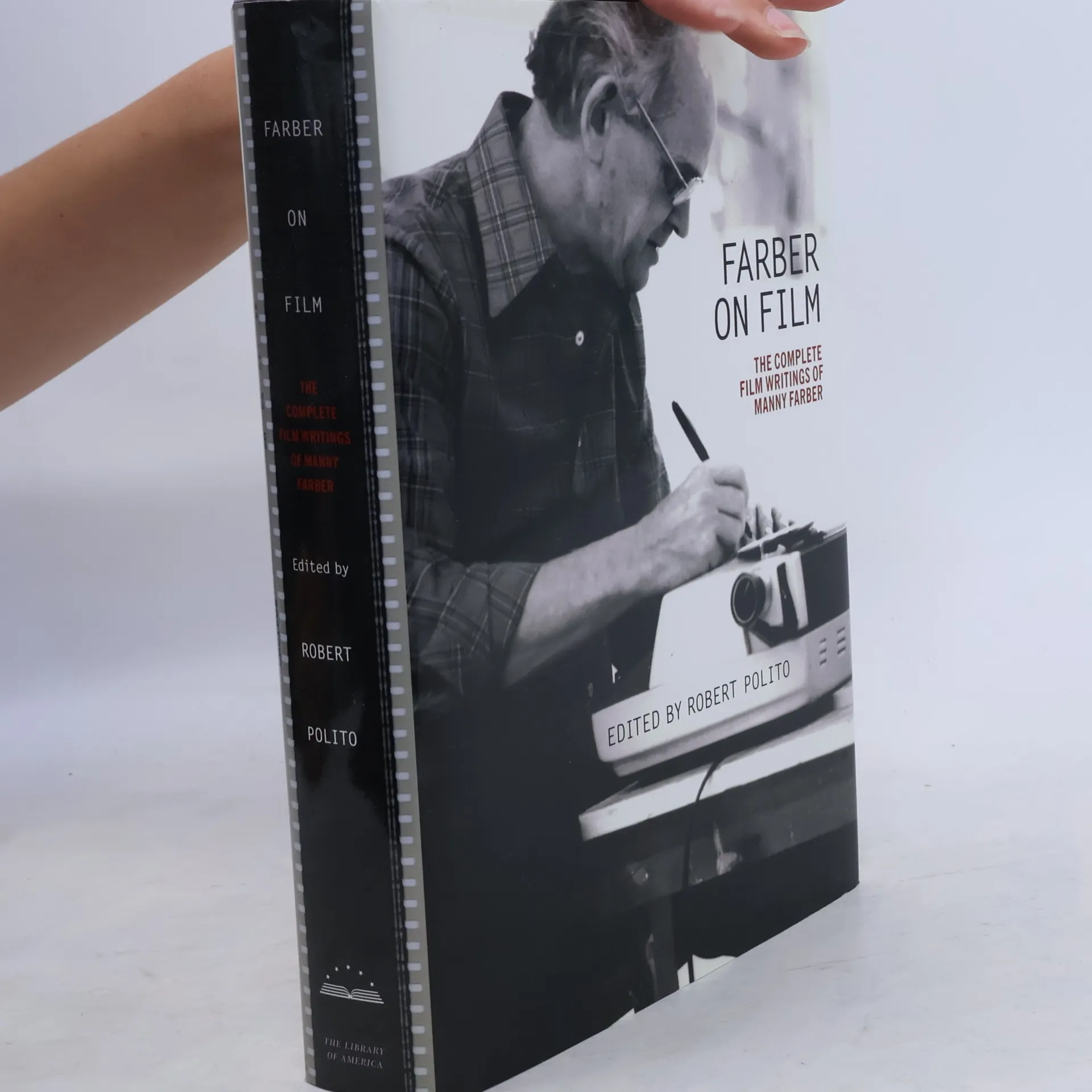
Manny Farber (1917–2008) was a distinctive American movie critic known for his concept of "termite art," which emphasizes focused, eccentric virtuosity over grandiosity. His unique prose style, characterized by jazz-like phrasing and vibrant twists, made each review an engaging experience. Esteemed by peers, Susan Sontag hailed him as "the liveliest, smartest, most original film critic," while Peter Bogdanovich praised his sharp perceptions and brilliance. Farber was an early supporter of many filmmakers who later became American masters, such as Val Lewton, Preston Sturges, and Samuel Fuller. As a talented painter, he infused his writing with an artist's perspective, keenly recognizing filmmakers dedicated to "go-for-broke art." He openly criticized pretension, rejecting directors who overwhelmed viewers with "wet towels of artiness." The essence of his criticism lies in the attentive exploration of each film's unfolding reality, capturing its complexities and nuances. His prose embraces "oddities, muddles, crises, contradictions," resulting in critical essays that are works of art themselves. This collection presents Farber's complete works, including early reviews and later essays on directors like Godard and Scorsese, alongside an introduction by Robert Polito that reflects on Farber's career and lasting impact on American criticism.