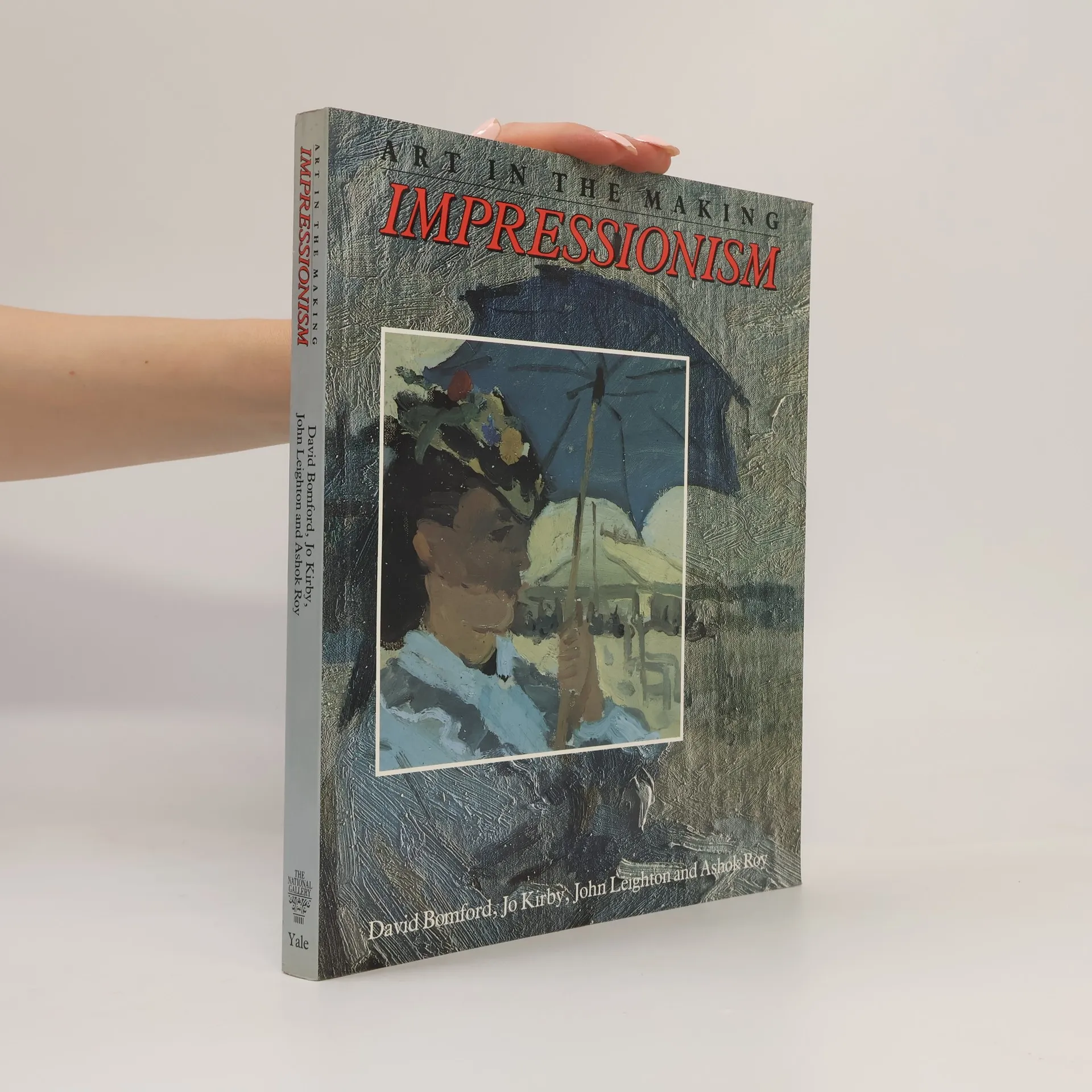
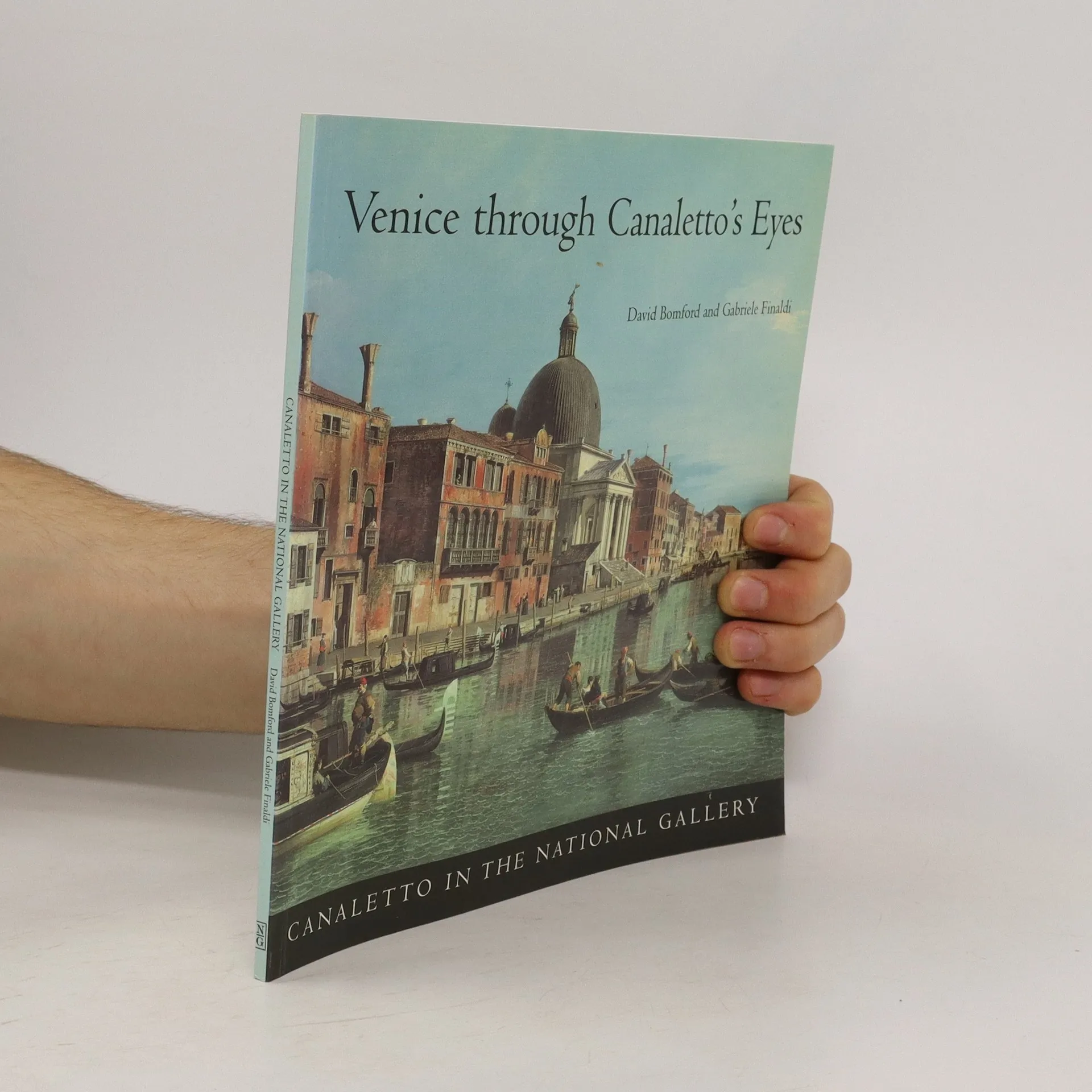
This volume forms part of a series exploring the work of major artists through paintings in the National Gallery. Canaletto is rightly considered the supreme chronicler of Venice, but his painted views are not dispassionate and are subject to highly refined artistic licence.
Rembrandt (1606–1669) is generally regarded as the finest painter of the Dutch “Golden Age.” This new edition of Art in the Making: Rembrandt (published on the 400th anniversary of the artist’s birth) reexamines 21 paintings firmly attributed to Rembrandt and 6 now assigned to followers. It reassesses his technique, materials, and working methods in the light of significant scholarly developments over the last 20 years, addressing problems of attribution that were hardly touched on in the original, groundbreaking edition of 1988.Introductory essays by distinguished conservation, curatorial, and scientific specialists cover the artist’s studio and working methods, the training of painters in 17th-century Holland, and Rembrandt’s materials and technique. The essays are followed by handsomely illustrated catalogue entries on 27 paintings. A comprehensive bibliography provides a rich source of information about the practice of oil painting, not only for Rembrandt but for 17th-century Dutch painting in general.
Impressionist art appears to be effortless and spontaneous, but it actually involves an intricate approach to painting. In this book a curator, an conservator, and two scientists use modern methods of examination to investigate exactly how these paintings were done and what materials were used. 76 illustrations; 208 color plates.