

This wide-ranging and innovative book synthesizes the findings of a major international study of the political economy of poverty, equity, and growth. It represents an ambitious interdisciplinary attempt to identify patterns in the interplay of initial conditions, institutions, interests, and ideas which can help to explain the different growth and poverty alleviation outcomes in the Third World.
Lal Deepak Bücher
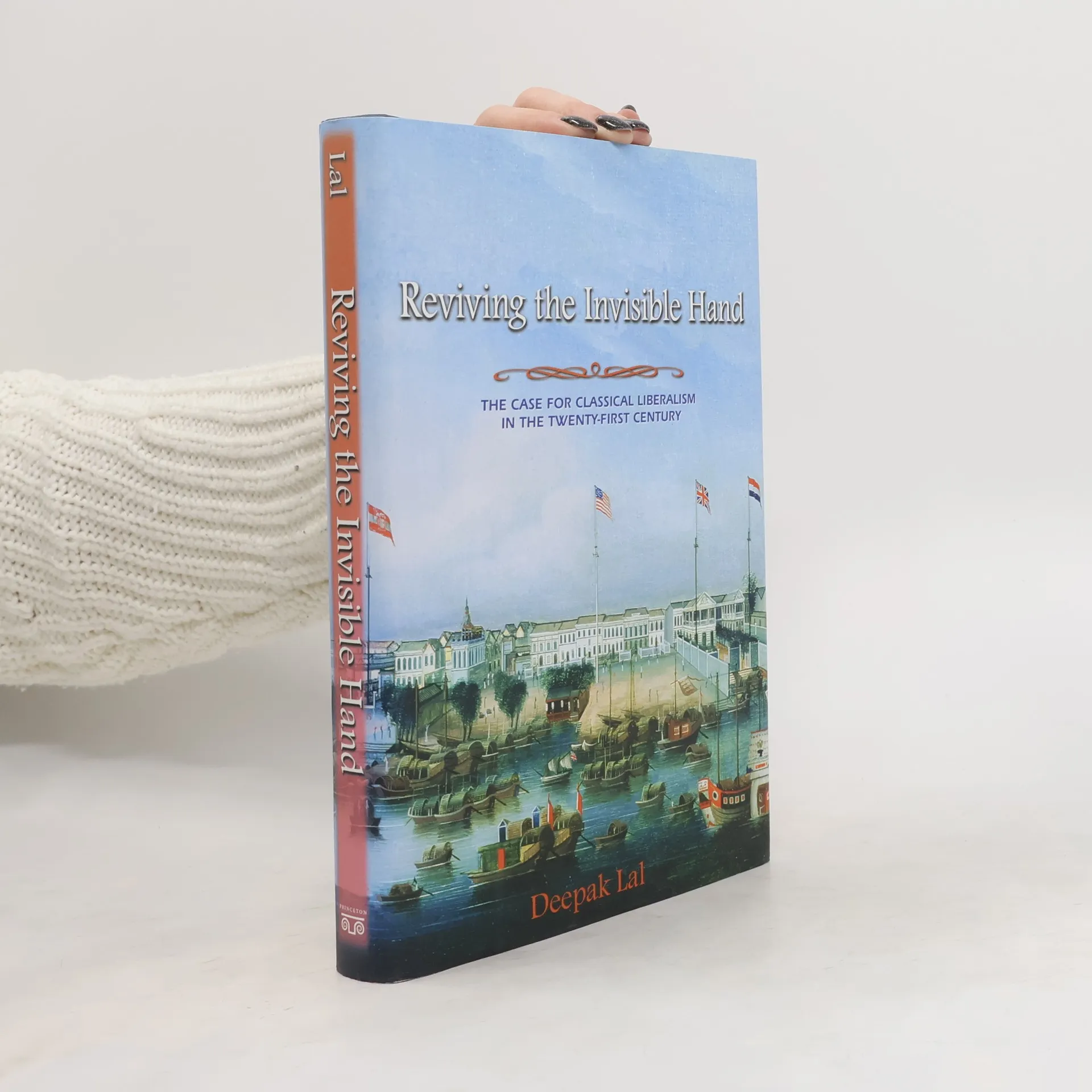
Reviving the invisible Hand
The case for classical liberalism in the twenty-first century
- 320 Seiten
- 12 Lesestunden
"Lal bases his case on a historical account of the rise of capitalism and globalization in the first two liberal international economic orders: the nineteenth-century British, and the post-World War II American."--Jacket.
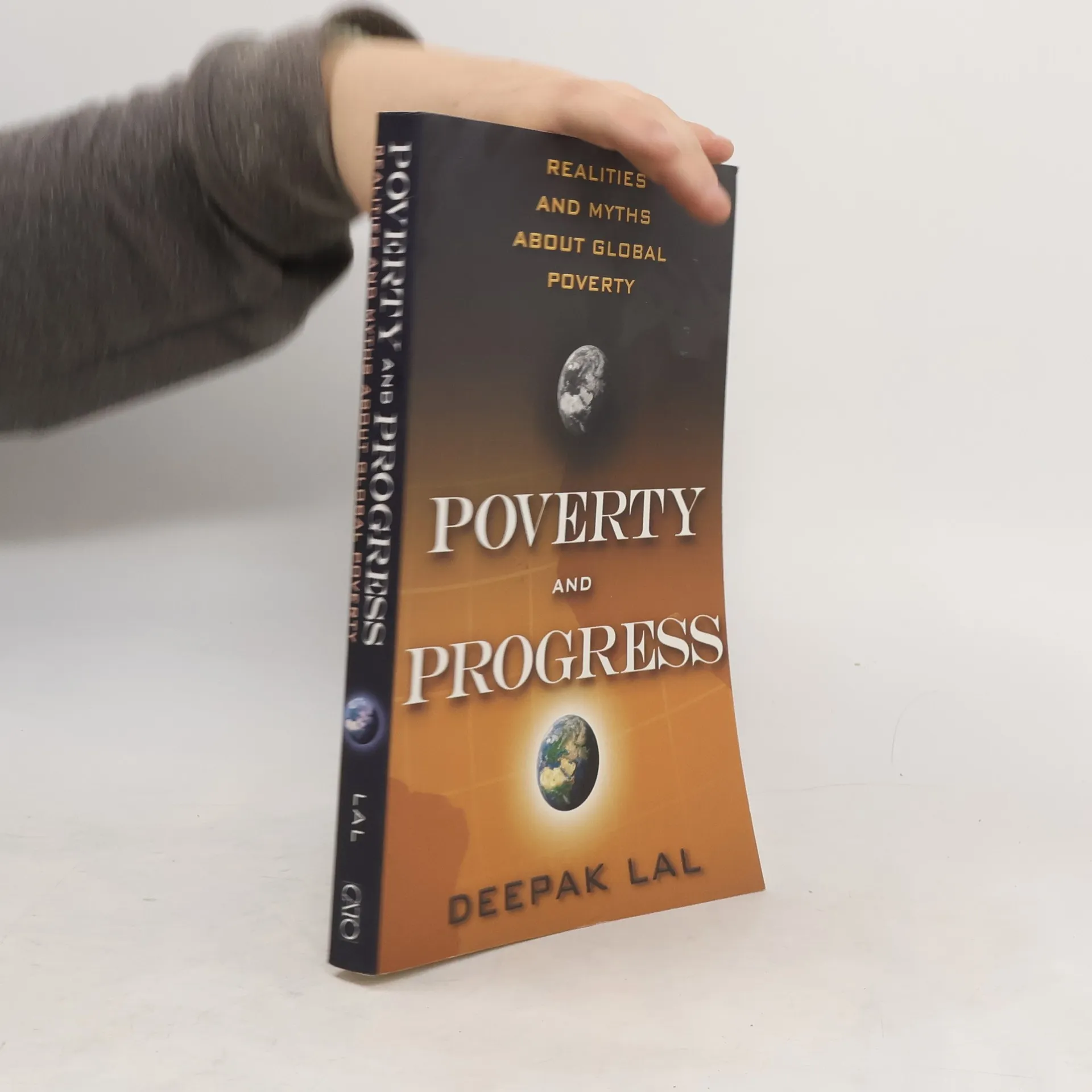
The greatest reduction in mass poverty in human history has occurred during the current era of globalization. The world s poor are now catching up with the rich at a rapid pace in terms of human well-being health, education, and life span. Drawing on 50 years of experience around the globe, renowned development economist Deepak Lal describes developing country realities and refutes misguided notions about economic progress, including World Bank calculations that exaggerate the extent of poverty, overstated claims made on behalf of microfinance, the resurrection of discredited theories such as vicious circles of poverty, and the need for massive foreign aid to save Africa. Lal also examines Western proposals to deal with climate change and concludes that they pose a great potential threat to the world s poor. Fortunately, liberalization in poor countries makes them less likely to be swayed by the intellectual fads of the West, so that classical liberal economic policies will continue to be the source of progress in the developing world."
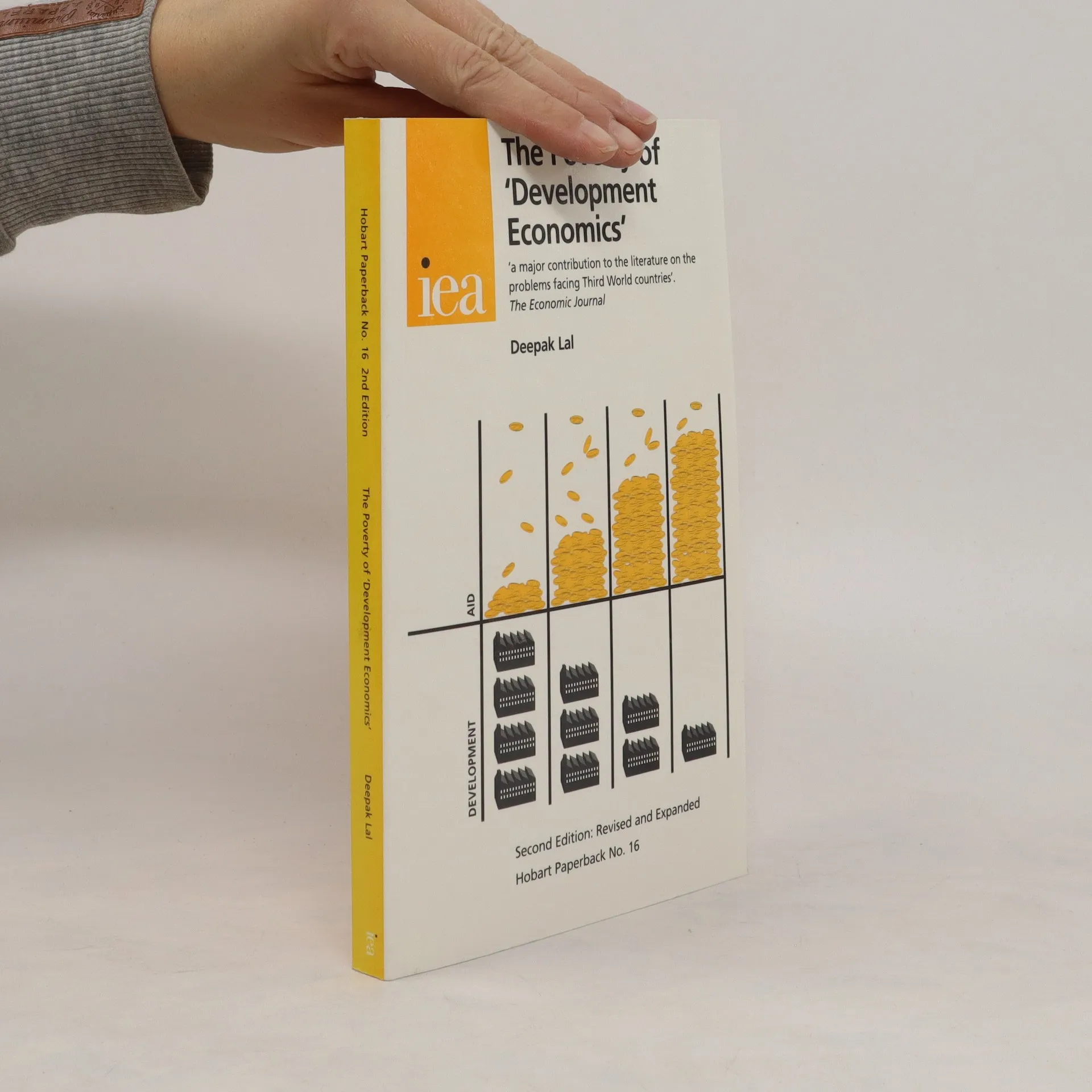
The Poverty of 'Development Economics'
- 193 Seiten
- 7 Lesestunden
Deepak Lal outlines and assesses the validity of a set of beliefs about third world economic development that underlies the thinking of many politicians, bureaucrats, journalists, and academics in both developing and developed countries.