

There is no more haunting, compelling period in Britain's history than the later middle ages. This account brings the reader a long lost world, a strange, Catholic, rural country of monks, peasants, knights and merchants, almost perpetually at war, but continues to define so much of England's national myth.
Miri Rubin Reihenfolge der Bücher (Chronologisch)
1. Januar 1956
Miri Rubin ist eine mittelalterliche Historikerin, die sich auf die soziale und religiöse Geschichte Europas zwischen 1100 und 1500 konzentriert. Ihre Arbeit erforscht die komplexen Wechselwirkungen zwischen öffentlichen Ritualen, Macht und dem Gemeinschaftsleben. Rubin bietet tiefe Einblicke in die Gestaltung und den Einfluss europäischer Gesellschaften im späten Mittelalter. Ihre Analysen gewähren den Lesern einen faszinierenden Blick auf die Dynamik der Vergangenheit.
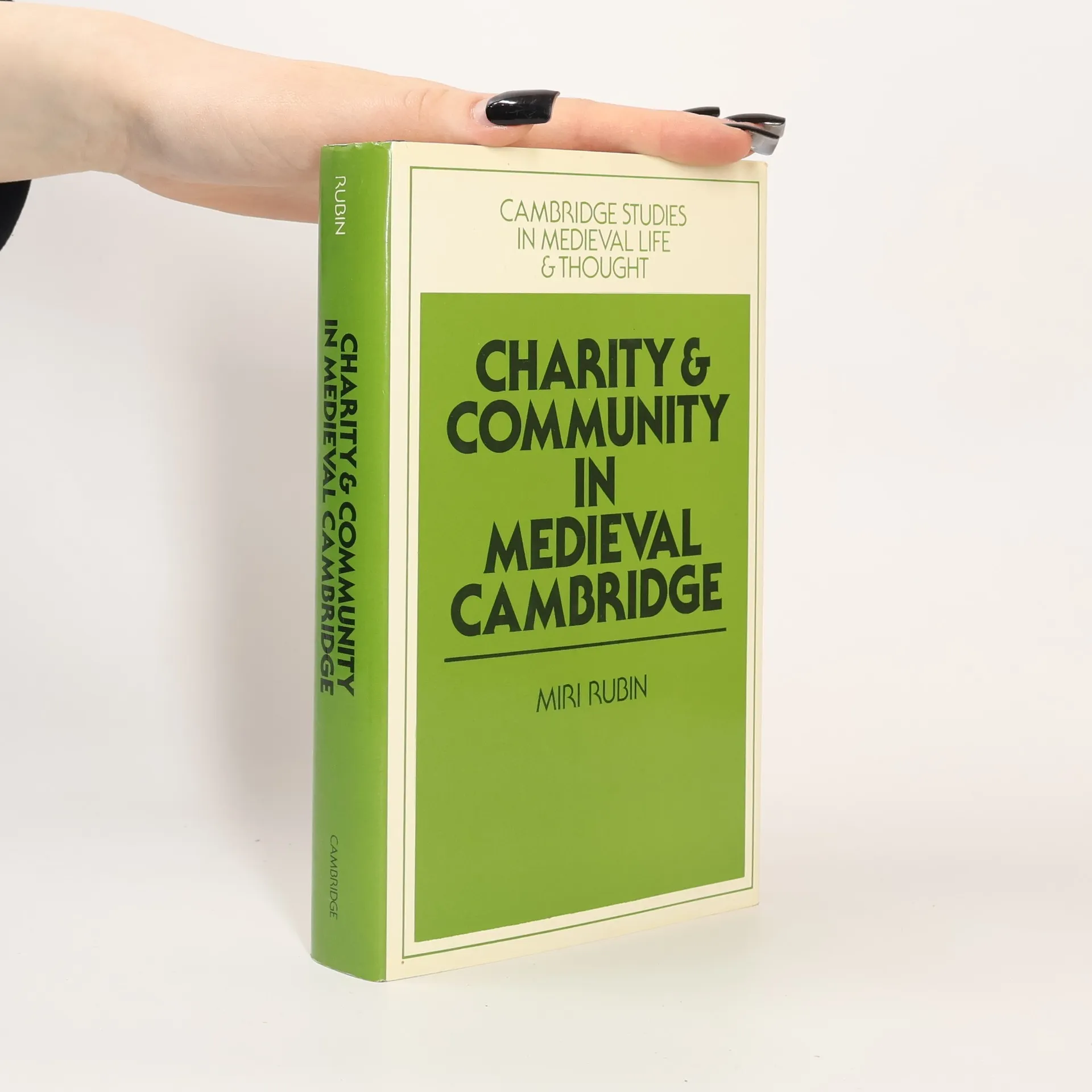

This study develops our understanding of medieval society through an examination of its charitable activities. In a detailed study of the forms in which relief was organised in medieval Cambridge and Cambridgeshire, the book unravels the economic and demographic factors which created the need for relief as well as the forms in which the community offered it. With continual reference to the religious teachings of priests and friars and the changing ideas of lay piety, Dr Rubin relates the changing forms of charitable giving to the shift in attitudes towards community and social order, towards relations between laity and clergy, and towards the poor. A local study is thus set in a wide comparative context, drawing together contributions in the fields of social, religious, economic and urban history.