Focusing on Nigeria's historical transformation during the late nineteenth and early twentieth centuries, the book delves into the themes of conquest and administration. Toyin Falola provides a thorough analysis that serves as a valuable resource for both undergraduate and postgraduate students as well as scholars, offering insights into the significant changes that shaped the nation during this pivotal period.
Toyin Falola Reihenfolge der Bücher (Chronologisch)
Toyin Omoyeni Falola ist ein herausragender nigerianischer Historiker, dessen Werk tief in die Geschichte der Afrikastudien eintaucht. Er wendet sein umfangreiches Wissen und seinen analytischen Ansatz an, um zentrale Themen des afrikanischen Kontinents zu untersuchen. Sein umfangreiches Werk, das zahlreiche Publikationen umfasst, bietet den Lesern eine umfassende Perspektive auf die afrikanische Geschichte und Kultur.

Milestones in African Literature
- 300 Seiten
- 11 Lesestunden
Exploring ten pivotal moments in African literature, this guide highlights the evolution of literary forms and genres alongside significant social and political shifts in Africa. It serves as an essential resource for both undergraduate and graduate students eager to deepen their understanding of African literary traditions and their historical contexts.
Exploring the rich tapestry of the Yorùbá people, this work delves into their history, traditions, and spirituality, while also examining their cultural interactions with neighboring communities. Renowned scholar Toyin Falola presents a comprehensive study that encompasses the Yorùbá's environment, cosmology, and philosophy, highlighting their significance as one of Africa's largest cultural groups.
Writing the History of the African Diaspora
- 76 Seiten
- 3 Lesestunden
Exploring the African Diaspora, this Element delves into the social and historical constructs that shape its definition. It examines the rich and varied histories of Africa's diasporas, both ancient and contemporary, while highlighting their current situations. The analysis emphasizes the interconnectedness of these communities in an increasingly globalized world, offering insights into their diverse experiences and the evolution of their identities.
Exploring the experiences of African memoirists in the United States, this work presents a fresh perspective on African diaspora studies. It highlights how these memoirs vividly capture the political, social, and cultural journeys of African migrants from the era of the transatlantic slave trade to contemporary times. Through these narratives, readers gain insight into the intricate legacy and evolution of African migration, emphasizing the rich tapestry of personal and collective histories.
A History of West Africa
- 512 Seiten
- 18 Lesestunden
Exploring the rich history of West Africa from the Stone Age to contemporary times, this book offers a comprehensive overview suitable for beginners. It serves as an excellent resource for entry-level History and African Studies courses, providing insights into the region's cultural evolution and historical significance.
Nigerian Literary Imagination and the Nationhood Project
- 308 Seiten
- 11 Lesestunden
Modern Nigerian fiction serves as a lens through which authors explore their identity and the complexities of Nigeria as a nation. The book examines a diverse array of writers and texts, revealing how their narratives reflect the country's history and culture while offering critiques and cautionary tales about contemporary issues. It delves into themes of nationhood, women's writing, and the impacts of colonialism, illustrating how these literary works resonate with both Nigerian and global audiences. The analysis also addresses the evolution of literature in the digital age.
Focusing on pivotal transformations and liberation movements, this book delves into the decolonization of Western academic traditions in Africa. It explores how these moments have reshaped educational practices and cultural identities, highlighting the struggle for intellectual independence and the reclamation of African knowledge systems. Through critical analysis, it addresses the impact of colonial legacies and the ongoing quest for a more equitable academic landscape.
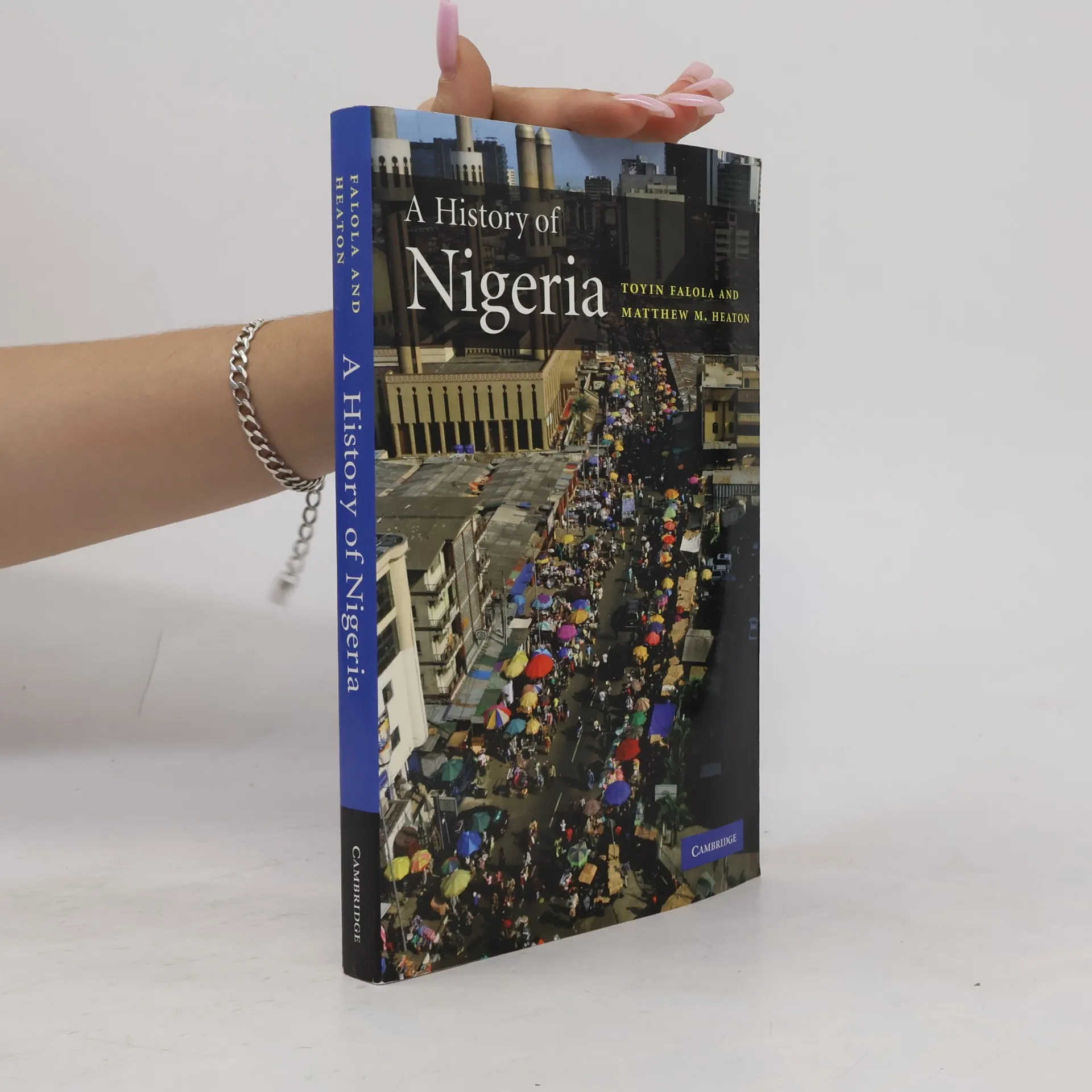
A History of Nigeria
- 370 Seiten
- 13 Lesestunden
Nigeria is Africa's most populous country and the world's eighth largest oil producer, but its success has been undermined in recent decades by ethnic and religious conflict, political instability, rampant official corruption and an ailing economy. Toyin Falola, a leading historian intimately acquainted with the region, and Matthew Heaton, who has worked extensively on African science and culture, combine their expertise to explain the context to Nigeria's recent troubles through an exploration of its pre-colonial and colonial past, and its journey from independence to statehood. By examining key themes such as colonialism, religion, slavery, nationalism and the economy, the authors show how Nigeria's history has been swayed by the vicissitudes of the world around it, and how Nigerians have adapted to meet these challenges. This book offers a unique portrayal of a resilient people living in a country with immense, but unrealized, potential.
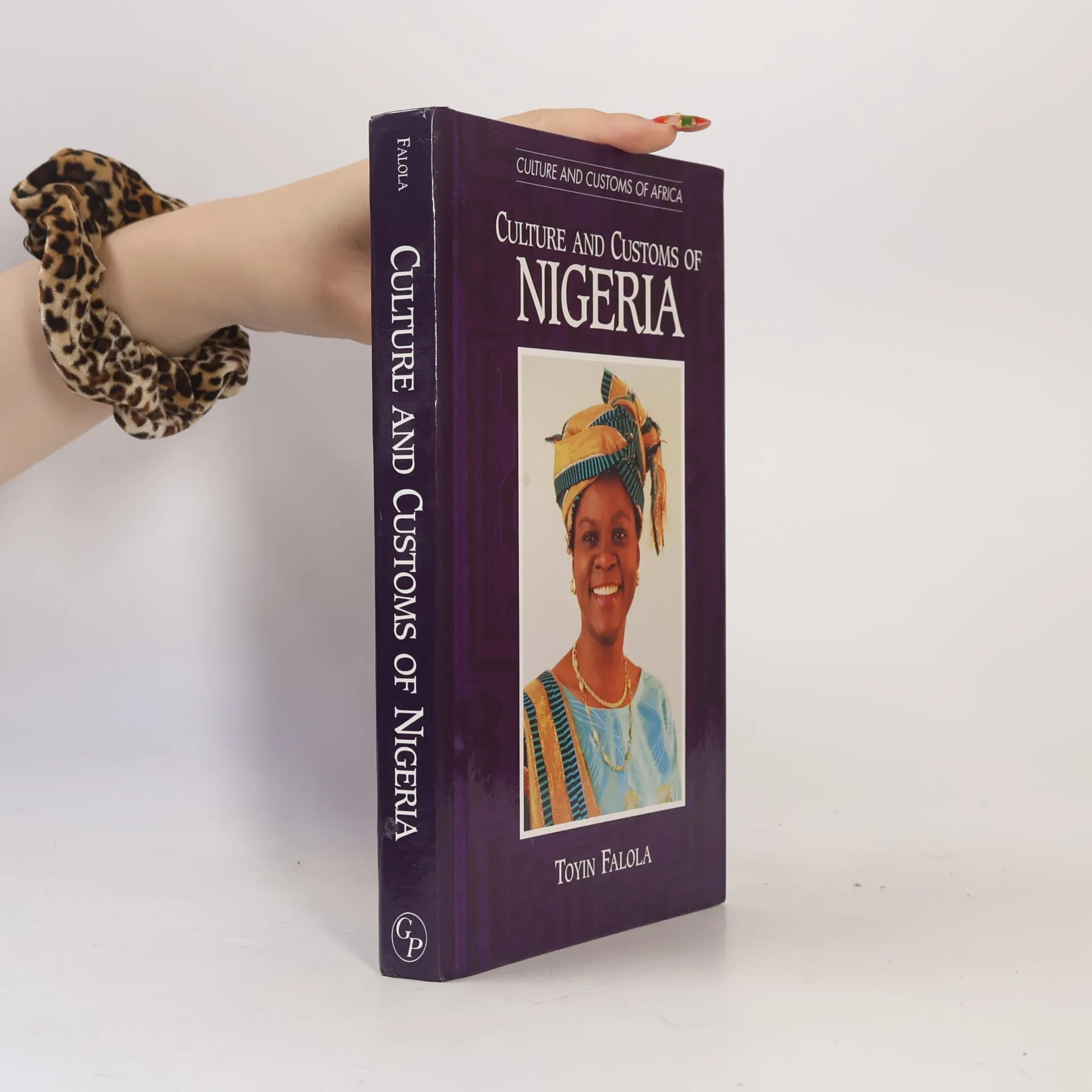
Culture and Customs of Africa: Culture and Customs of Nigeria
- 236 Seiten
- 9 Lesestunden
Exploring the diverse traditions and customs of Nigeria, this book offers a comprehensive introduction to the country's complex society. It covers essential aspects such as geography, history, religion, literature, art, cuisine, and social structures. Readers will gain insight into the emerging lifestyles of various Nigerian peoples, alongside an understanding of their rich cultural heritage. This authoritative resource serves as an essential guide for students and anyone interested in the vibrant tapestry of Nigerian culture.