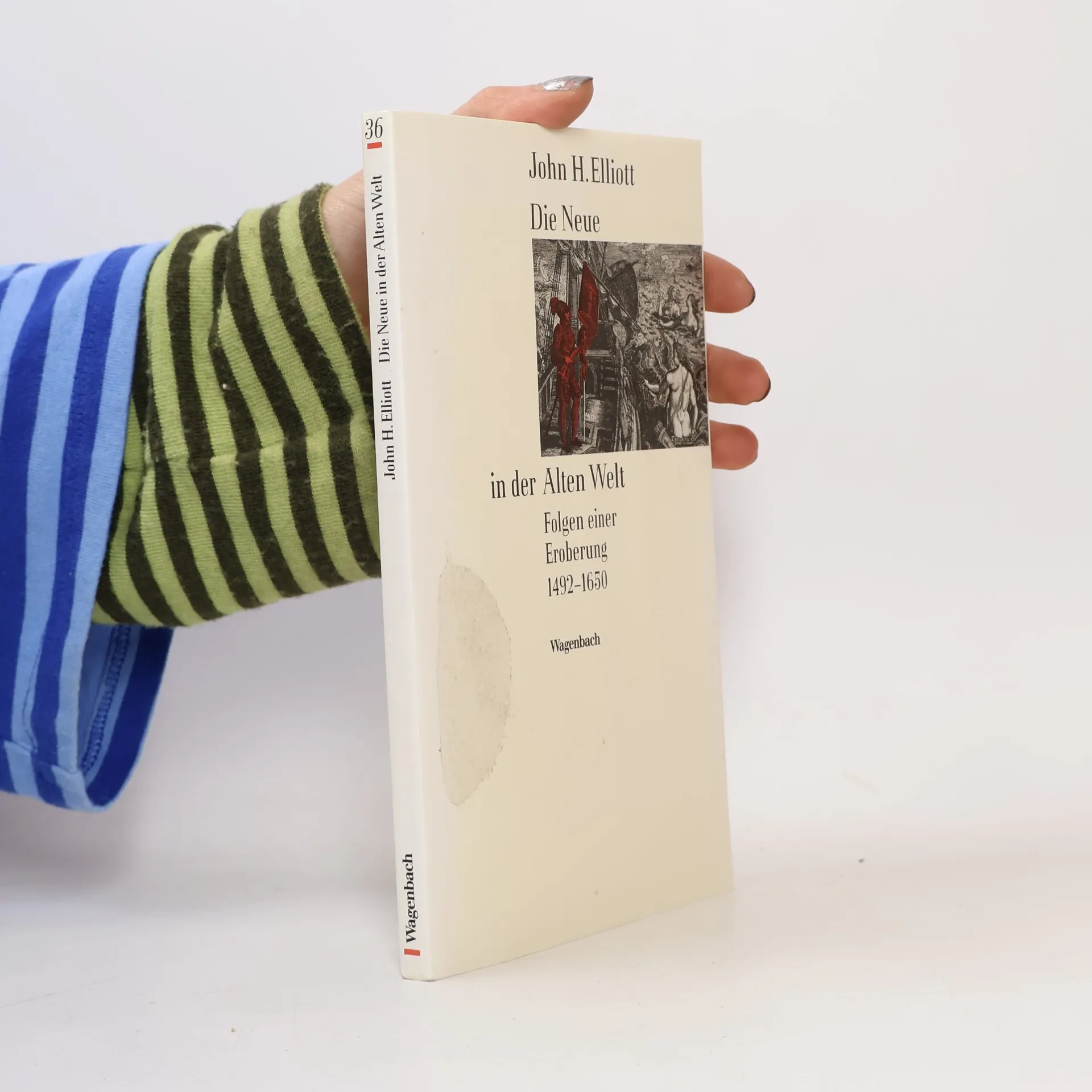
Die Neue in der Alten Welt
- 112 Seiten
- 4 Lesestunden


Let the People See explores and evokes the full story of murder that transfixed and transformed the nation
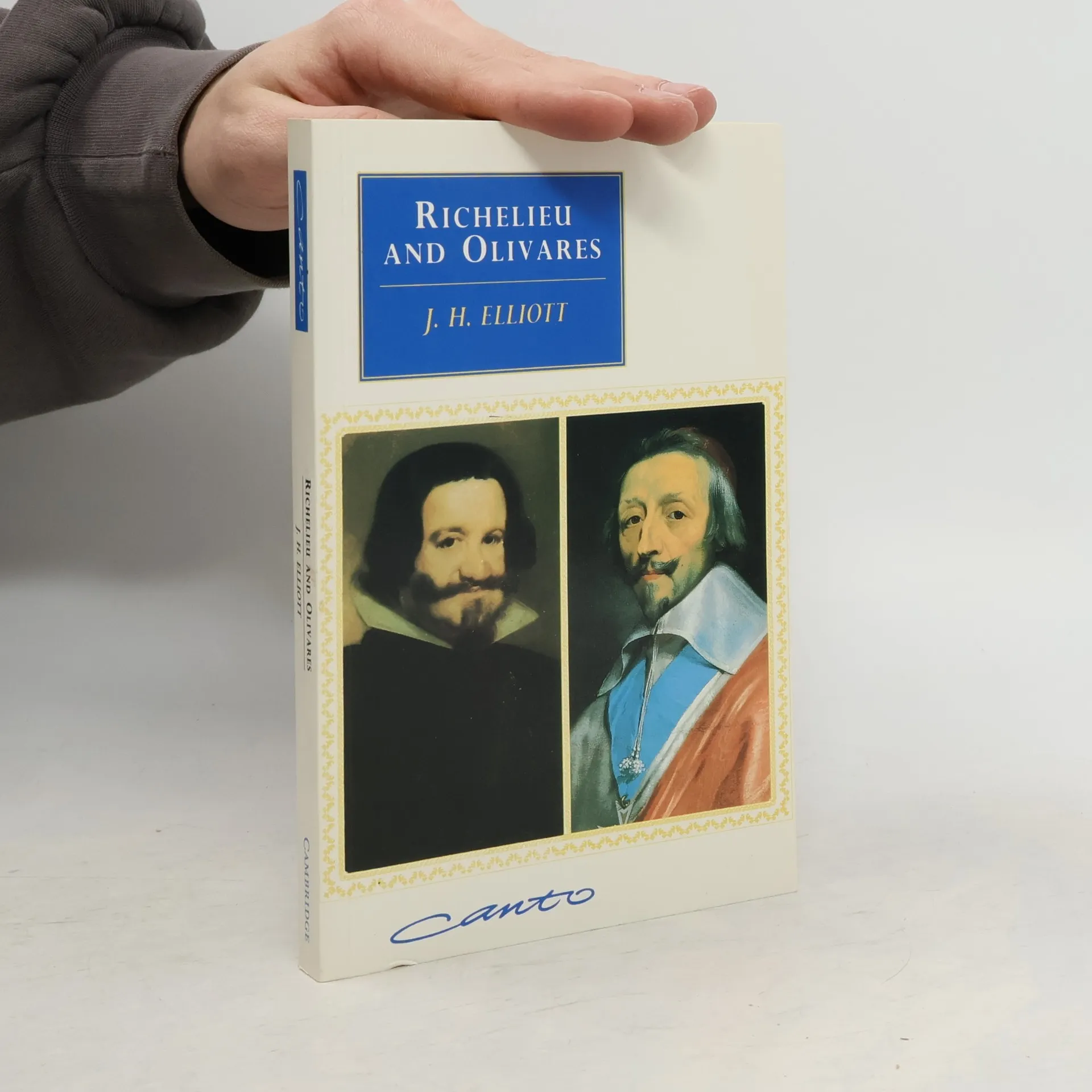
A comparative portrait of Richelieu and Olivares, as personalities and as statesmen, drawn through study of their policies and their mutual struggle. This book also offers insights into 17th-century Europe and the nature of power and statesmanship.
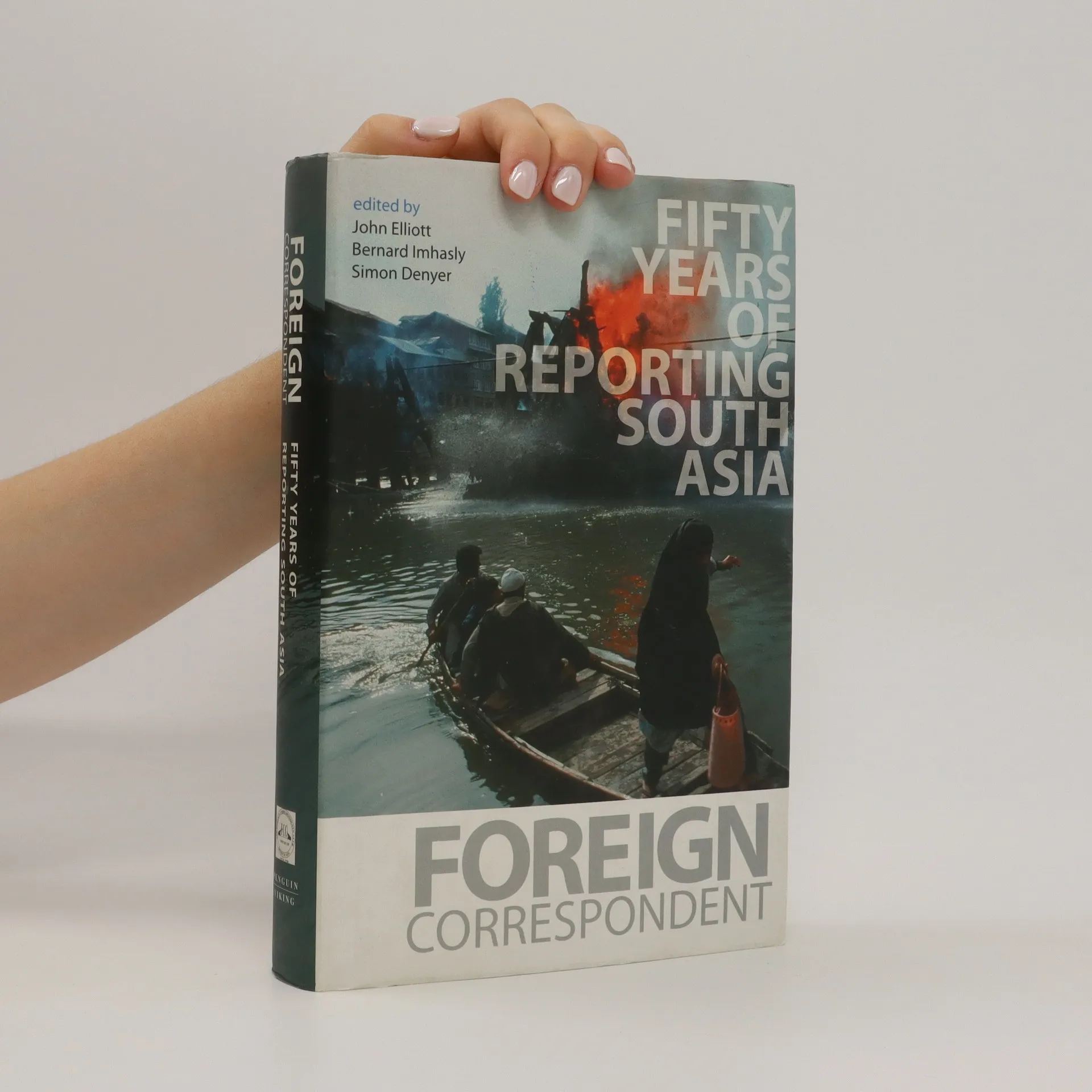
This Collection Marks The Fiftieth Anniversary Of The Founding In 1958Of The Foreign Correspondents&Rsquo; Association Of South Asia (Fca)&Mdash;Renamed The Foreign Correspondents&Rsquo; Club (Fcc) In 1991.South Asia Is A Specially Favoured Assignment For Foreigncorrespondents Because Of The Immensity Of The Story. It Is A Placewhere Politics And Major Events Unfold On The Streets, Not Just In Closedrooms. This Book, With Its Collection Of Reportage, Comment Andphotographs, Reflects This Story. It Does Not Seek To Cover Every Eventin The Decades Since 1947, But Focuses Instead On Good Writing Andhistoric Moments That Give A Picture Of How Foreign Correspondentshave Reported South Asia Over The Last Fifty Years.Peter Kann&Rsquo;S Pulitzer Prize-Winning Account Of The Fall Of Dacca In1971 And Barbara Crossette&Rsquo;S Eyewitness Report Of Rajiv Gandhi&Rsquo;Sassassination Are Two Justly Celebrated Pieces, But All The Contributionsbring To Life Subjects As Diverse As Tiger Hunts, Religious Fanaticism Andthe Indian Enthusiasm For P.G. Wodehouse. This Illustrated Anthology Of Great Reportage, Analysis, Writing Andstories That Demand Your Attention, Is A Vivid And Valuable &Lsquo;Draft Report&Rsquo;.
A brilliant study of the sudden rise of a barren and isolated country to be the greatest power on earth, and of its equally sudden decline.
Exploring the transformative effects of the discovery of America on European thought, J. H. Elliott examines how traditional European beliefs about geography, theology, and humanity were challenged. The influx of gold and silver from the New World altered global trade dynamics and shifted political power beyond European borders. This reissued classic, coinciding with the 500th anniversary of Columbus's voyage, includes a foreword that highlights its relevance for contemporary readers, emphasizing the interconnectedness of the Old and New Worlds.
Introduction to basic accountancy conepts and practice in the English needed to understand and discuss them
California's north state watershed of the Sacramento Valley is a hidden gem, showcasing diverse natural wonders such as stunning waterfalls, unique wildflowers, and ancient botanical zones. The region features stark mountain ridges and volcanic activity, alongside rich gold rush history. The book details trails for exploring notable sites like Berryessa Snow Mountain National Monument and Lassen Volcanic National Park, as well as prime birdwatching locations and extensive trail systems throughout Redding and the surrounding areas.
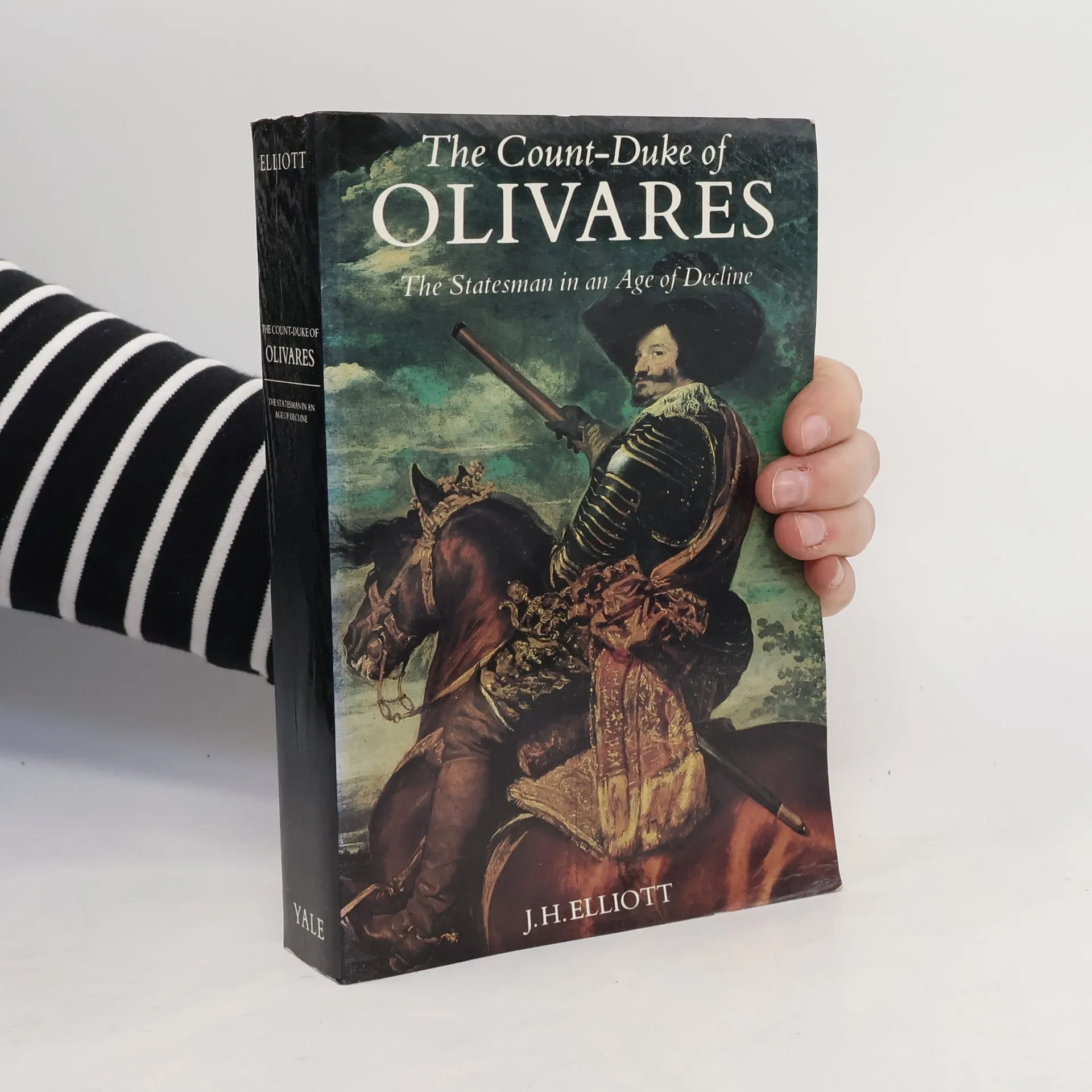
Don Gaspar de Guzmán, Count-Duke of Olivares (1587-1645), was the principal minister and favourite of Philip IV of Spain, and for two decades he guided the destinies of the country that was still the greatest power in the world. A dominant figure in the Europe of the Thirty Years' War, he struggled to maintain Spanish hegemony at a time when the traditional foundations of Spain's power were being eroded, and Spain itself was increasingly being perceived as a great power in decline. The story of his political career, and of his efforts to check the process of decline by an ambitious programme of domestic reform, becomes an epic of titanic and ultimately unsuccessful struggle, culminating in personal tragedy and national disaster. The Count-Duke met his match in his great French rival, Cardinal Richelieu, and France replaced Spain as the leading European power. For all the Count-Duke's enormous historical importance, no attempt has previously been made to study in detail his political aspirations and his career as a statesman. The sheer scale of the enterprise, along with major problems of documentation, has deterred historians from embarking on the study of a man whose policies touched the lives of millions in Europe and the Americas over a period of more than twenty years. This work therefore fills a gaping void in modern European and Spanish history. In this comprehensive political biography Olivares's domestic and foreign policies are skilfully woven together into a sustained narrative on the grand scale. Based overwhelmingly on primary and often unknown sources, this is a study of Spain and Europe in the 1620s and 1630s, but it is also the study of a man. Through it all, the author never loses sight of Olivares himself, a massive figure of fluctuating moods and emotions, once described by Braudel as a cortege of personalities requiring a cortege of explanations. This elegantly written book will be seen as a landmark in the study of a man and an age; indispensable to specialists and students, but of interest also to the general reading public.
(cinco estudios sobre sus precondiciones y precipitantes)