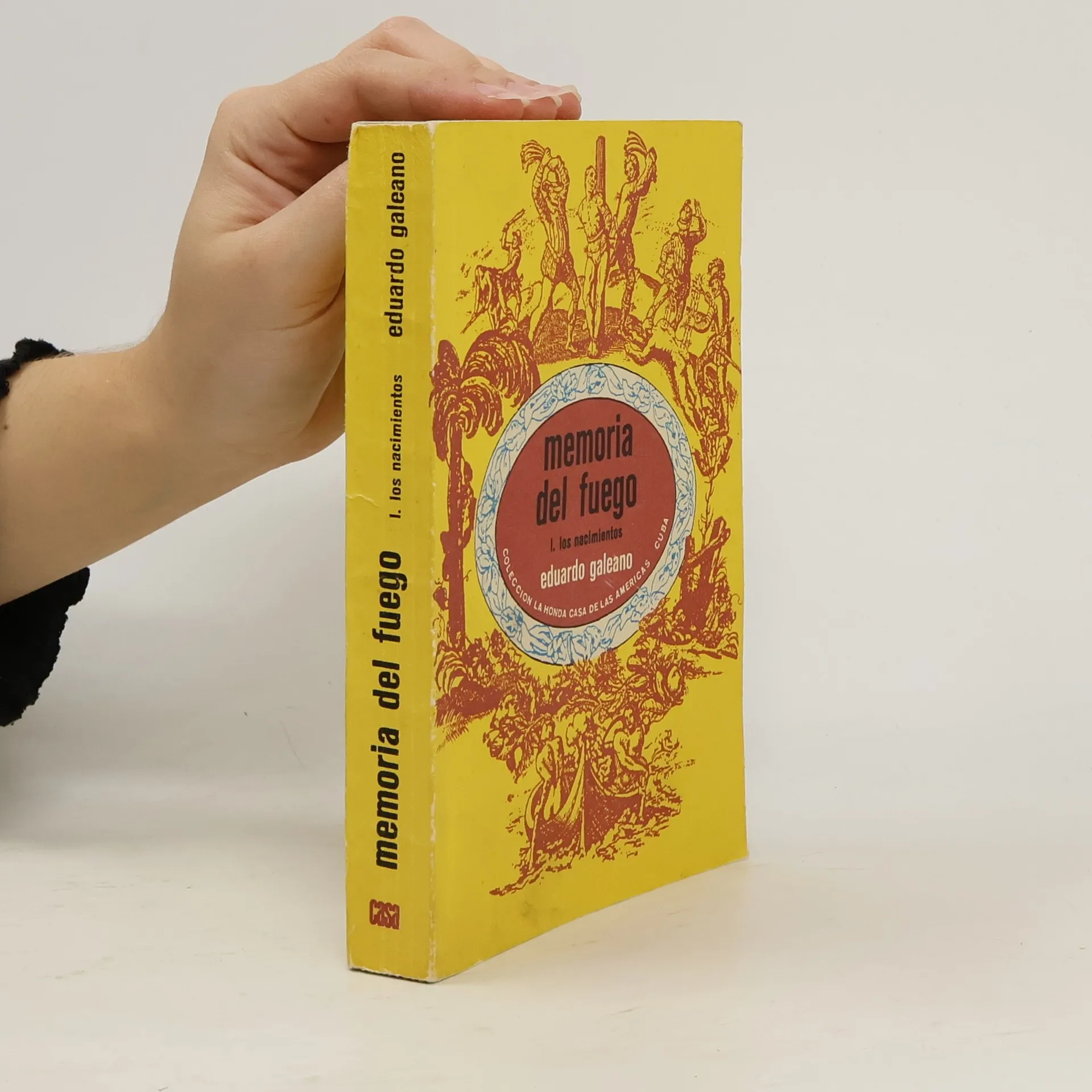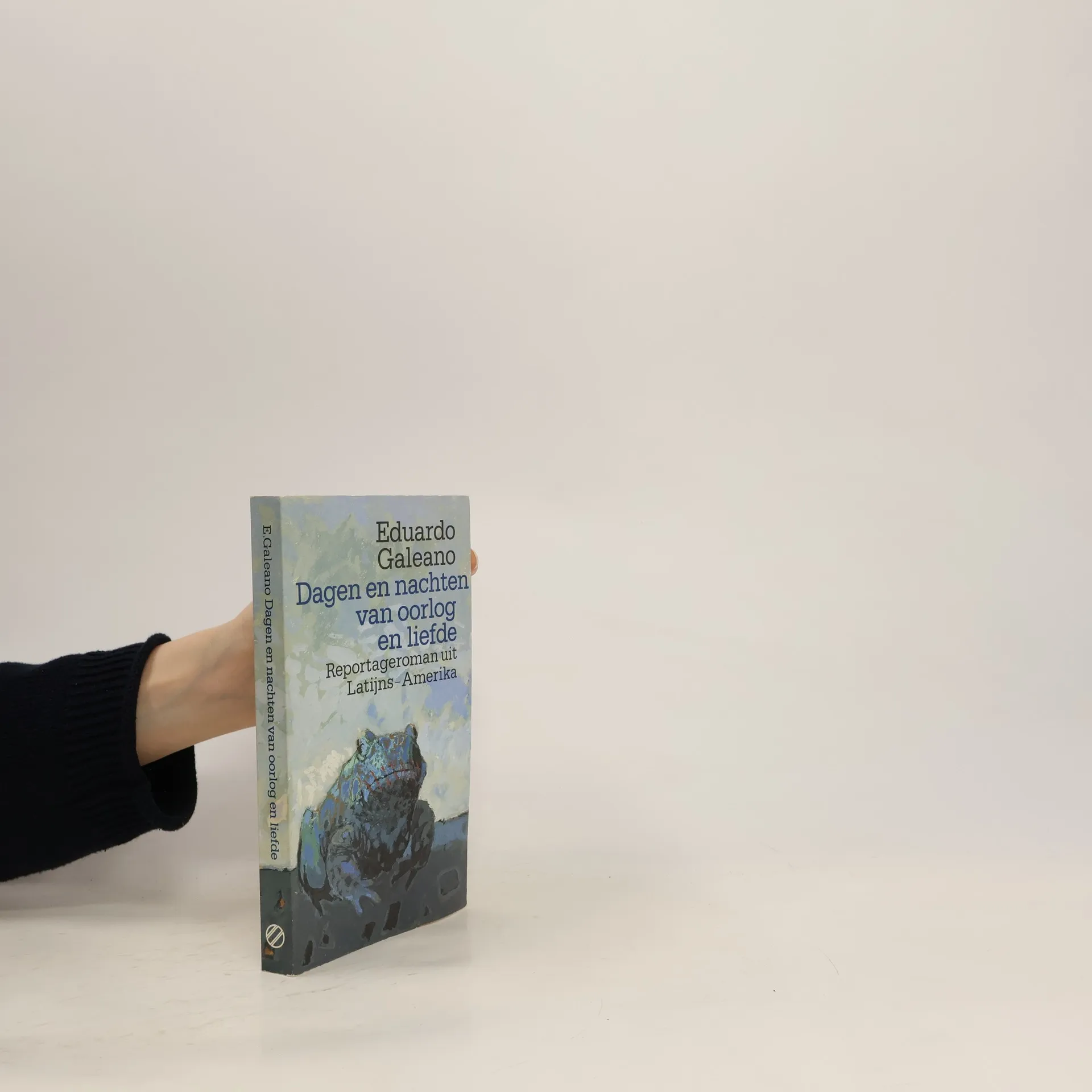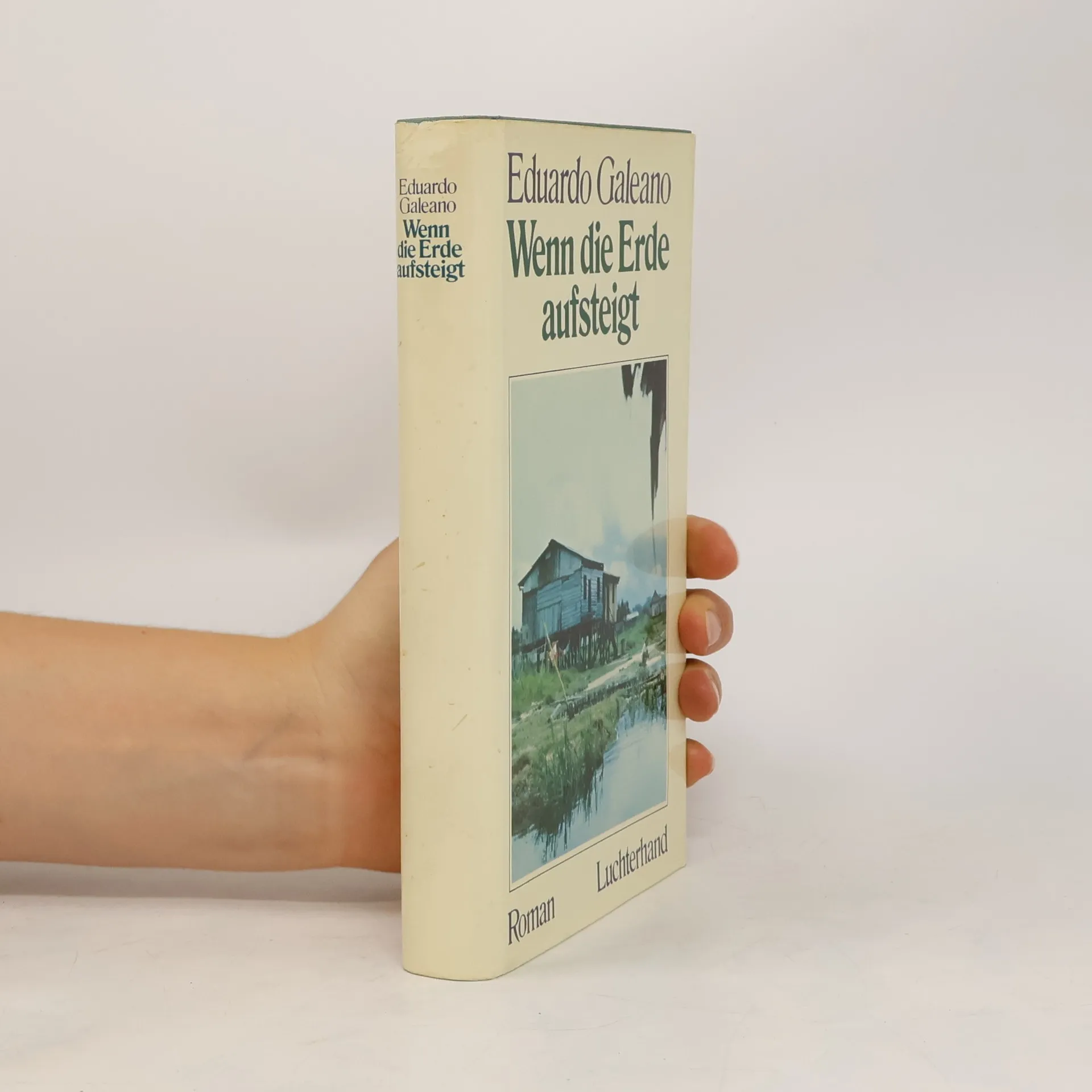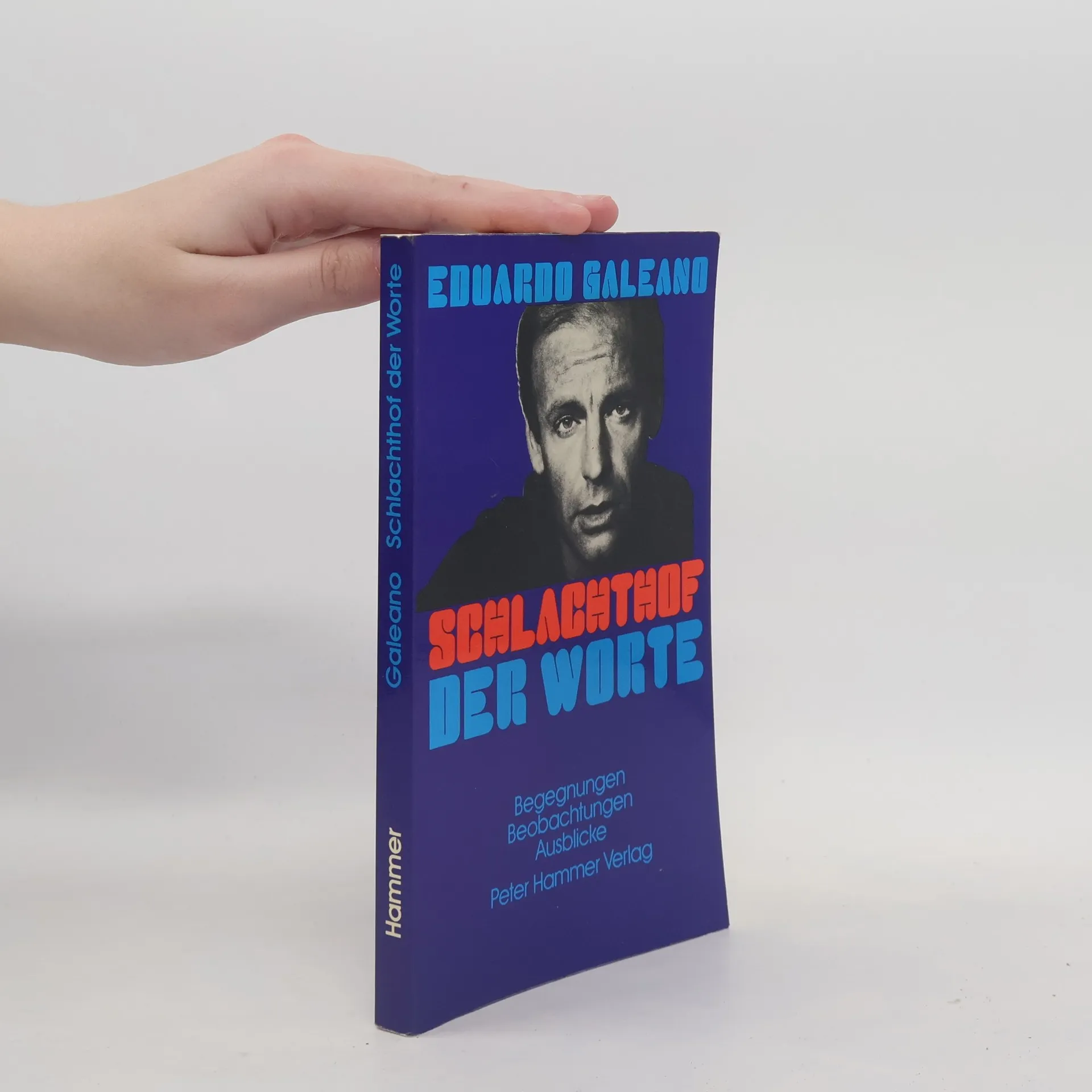

Nowy przekład jednej z najsłynniejszych książek XX wieku, uznawanej za „biblię latynoamerykańskiej lewicy”, uczynił Eduarda Galeana klasykiem już za życia. Powstała w latach siedemdziesiątych opowieść o historii kontynentu, od czasów Kolumba po współczesność, była jednym z pierwszych dzieł ekonomii politycznej napisanym z perspektywy wykluczonych. Galeano pragnął, by jego książka była czytana jak „opowieść o piratach” czy „historia miłosna”, łącząc elementy fikcji, reportażu i eseju. Jego prace stały się synonimem przekraczania klasycznych gatunków literackich, inspirując wiele pokoleń pisarzy. Dziennikarz z Urugwaju ukazał zależność rodzimych peryferii od amerykańskiego centrum gospodarki kapitalistycznej. Galeano, pisząc, starał się zrozumieć trudności regionu, łącząc historię wzlotu Europy i USA z upokorzeniem Ameryki Łacińskiej. Nowe wydanie książki zawiera posłowie Artura Domosławskiego, który zauważa, że „żyły Ameryki Łacińskiej pozostają otwarte”, a zmiany w regionie są wynikiem uświadomienia sobie tej sytuacji przez mieszkańców i liderów. Galeano, poprzez swoją wrażliwość i prawdomówność, staje się głosem przeciwko zakłamaniu i zapomnieniu.
Eduardo Galeano Reihenfolge der Bücher
Eduardo Galeano war ein uruguayischer Journalist und Schriftsteller, dessen Werke Fiktion, Journalismus, politische Analyse und Geschichte auf kunstvolle Weise verbinden. Angetrieben von einer Obsession, sich an die Vergangenheit Amerikas zu erinnern, insbesondere Lateinamerikas, das er als ein zum Amnesie verdammtes Land beschrieb. Sein Schreibstil ist sowohl poetisch als auch politisch und befasst sich oft mit Themen wie Ungerechtigkeit und menschlicher Widerstandsfähigkeit. Galeanos Erzählungen fordern die Leser auf, über die Geschichte nachzudenken und Wahrheiten in vergessenen Geschichten aufzudecken.


- 2022
- 2020
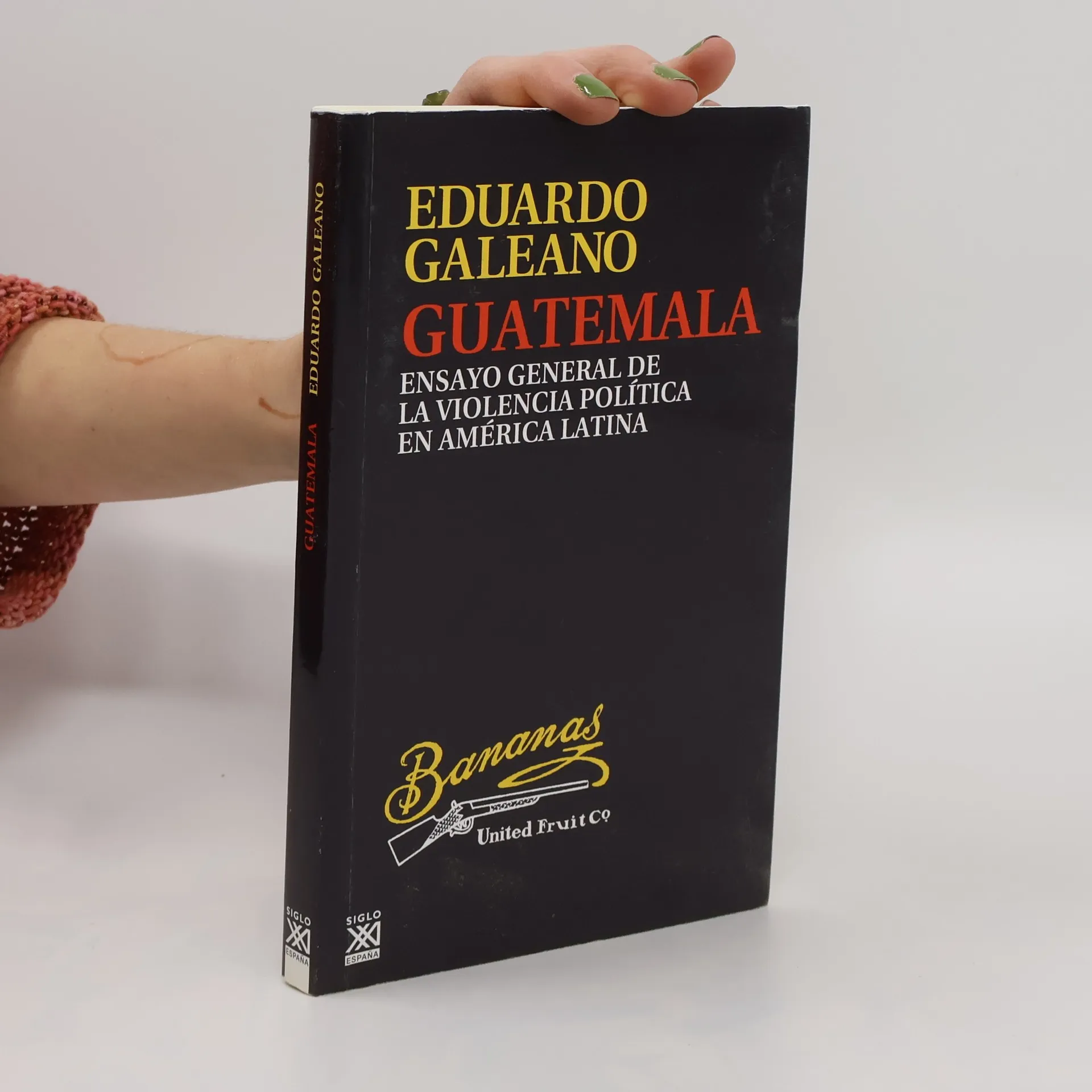
En 1967, un joven Eduardo Galeano viajó a Guatemala para entrevistar a los líderes de los grupos guerrilleros FAR y MR 13, que desafiaban al poder político-militar desde 1954, tras el derrocamiento del presidente Jacobo Árbenz Guzmán, que evidenció el intervencionismo estadounidense en América Latina. Este libro, publicado hace más de cincuenta años, narra esa experiencia y presenta una crónica periodística cautivadora que anticipa el estilo que consagraría a Galeano, además de un análisis político internacional riguroso. Juntos, subrayan la idea central del autor: Guatemala fue, durante la Guerra Fría, un laboratorio de barbarie y violencia que se expandiría por el continente en la década de 1970. La edición actual, enriquecida con textos de especialistas que contextualizan la época y la obra de Galeano, permite al lector acompañar al autor en la vida y riesgos de los guerrilleros, regresando a un tiempo en que la revolución se contemplaba como una posible solución. El lector contemporáneo puede encontrar ecos de las turbulencias y la inestabilidad política de aquel entonces, que hoy resurgen en la región.
- 2019
Il cacciatore di storie
- 252 Seiten
- 9 Lesestunden
Il cacciatore di storie, l'ultimo libro terminato da Eduardo Galeano, si può considerare un vero e proprio testamento artistico, umano e spirituale dello scrittore. Accanto ai temi a lui cari - le origini mitiche delle nostre culture, i soprusi subiti dai nativi americani, le discriminazioni e il razzismo, la libertà, il viaggio, la memoria, le imprese di eroi silenziosi - si trovano infatti qui, per la prima volta dopo i cenni contenuti in Giorni e notti d'amore e di guerra, pagine autobiografiche. Testi che raccontano con humor e tenerezza, nella sua inconfondibile prosa poetica, dell'infanzia, di incontri, di città, di insegnamenti ricevuti, del destino dei suoi libri. E rivelano alcune delle ragioni profonde che l'hanno portato a essere un formidabile «cacciatore di storie», istruito, nei vecchi caffè di Montevideo, da «ammirevoli bugiardi che si riunivano per incontrare il tempo perduto».
- 2012
Eduardo Galeano ist besessen von dem Wunsch, Geschichte zu erinnern. Und immer tut er dies auf besondere Art: In sprachlich eleganten Miniaturen, kaum mehr als eine halbe Seite lang, erzählt er von kuriosen, empörenden, bemerkenswerten Begebenheiten. Sie spielen auf allen Kontinenten und handeln von allerlei Dingen. Doch immer geraten sie zu einer Anklage all derer, die die Welt in ihrem Sinne zu lenken wussten. Und zur Bekundung tiefempfundener Solidarität mit den Unterdrückten. Kinder der Tage ordnet seine 365 pointierten Geschichten an der Chronologie des Kalenders vom 1. Januar bis zum 31. Dezember, wobei jede Geschichte mit dem jeweiligen Datum in Verbindung steht. Springend durch die Jahrhunderte und fortschreitend durch das Jahr zeigt Eduardo Galeano das immerwährende Prinzip von Oben und Unten, Macht und Ohnmacht. Die Leichtigkeit und der feine Humor nehmen den Geschichten nie die Schärfe, machen sie aber zum großen Lesevergnügen.
- 2010
Memory of Fire - 3: Century of the Wind
- 336 Seiten
- 12 Lesestunden
Dizzying, enraging, and beautifully written, the third volume of Eduardo Galeano's Memory of Fire trilogy, Century of the Wind serves up the turbulent 20th century's worth of U.S.-Latin American relations, from the bucolic New Jersey laboratory of Thomas Alva Edison to the armies of Emiliano Zapata and Fidel Castro to the Reagan-era CIA "neutralizations" in the forests of Central America.
- 2010
Memory of Fire - 2: Faces and Masks
- 312 Seiten
- 11 Lesestunden
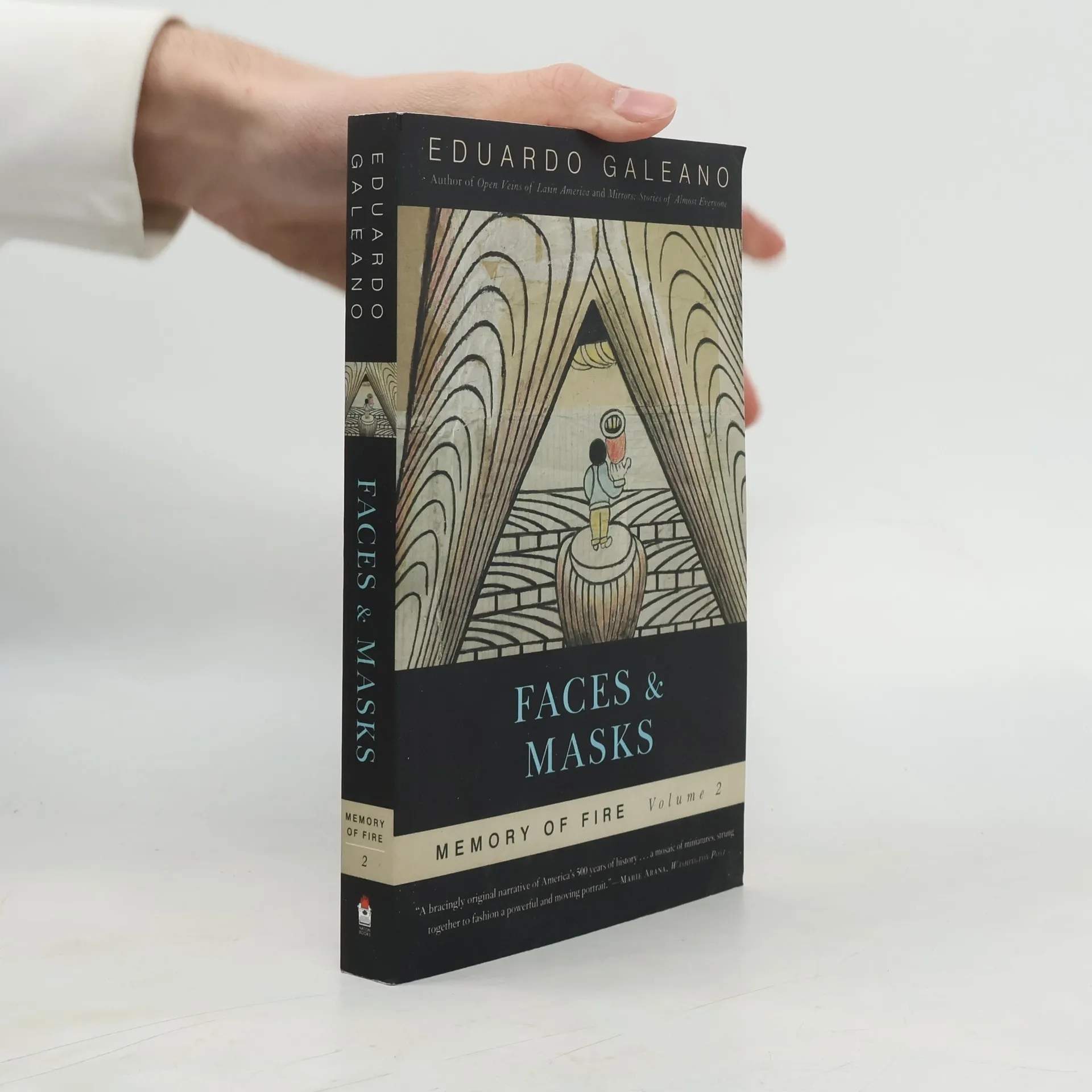
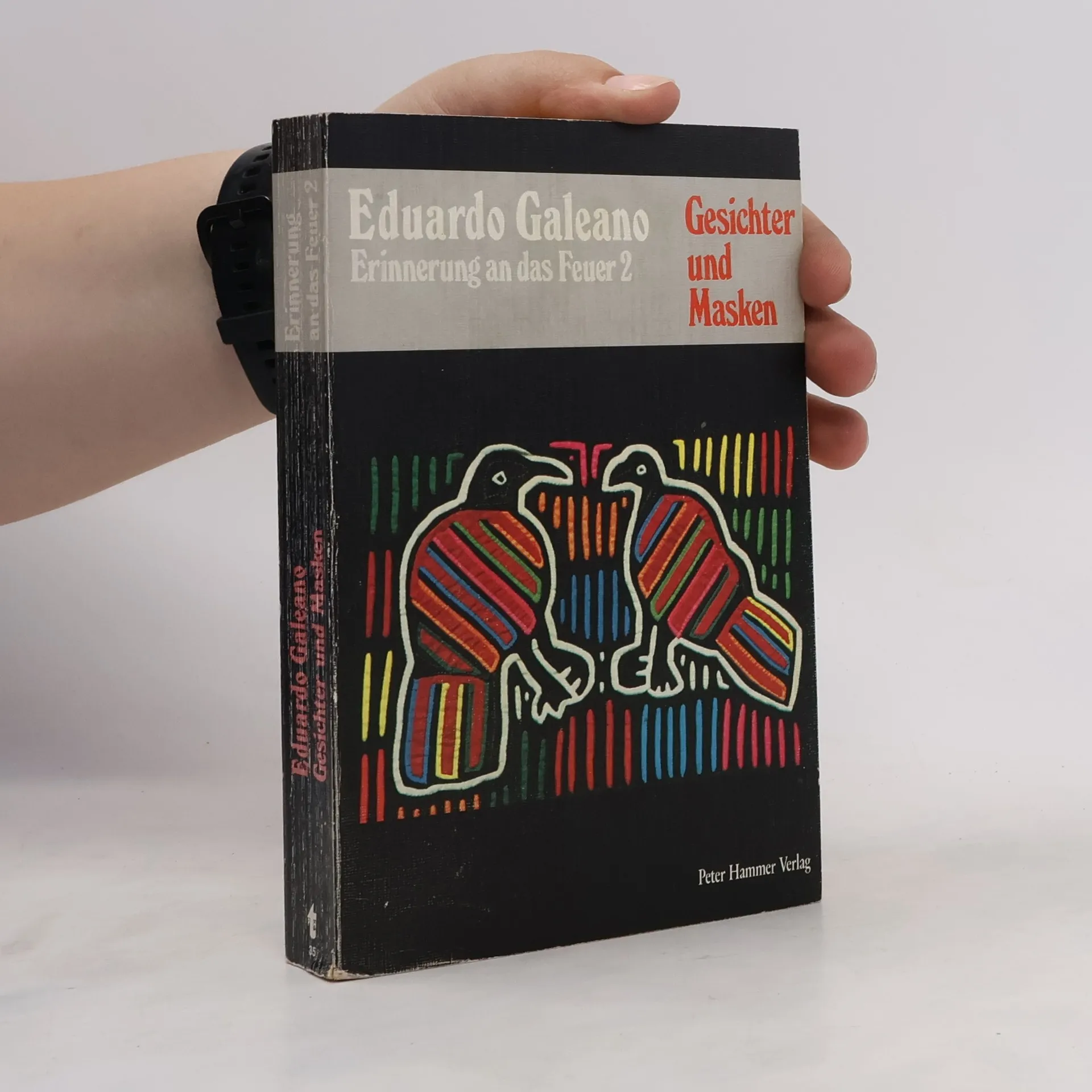
The second volume of Eduardo Galeano's Memory of Fire trilogy, Faces and Masks is an astonishing Latin American-eye view of the New World in the making. Here is the tangled, cataclysmic history of our hemisphere from the 1700s up to the dawn of our present century, told through characters as resonant and compelling as Simon BolÃr, Toussaint L'Ouverture, and Billy the Kid. With its brilliant and imaginative blend of journalism, scholarship, and political passion, Faces and Masks is a panoramic interpretation of the Americas no work of history has previously imagined.
- 2010
Эта книга - главная в творчестве уругвайского писателя Э. Галеано - лучшее произведение по экономической истории континента и одновременного классика политической литературы
- 2004
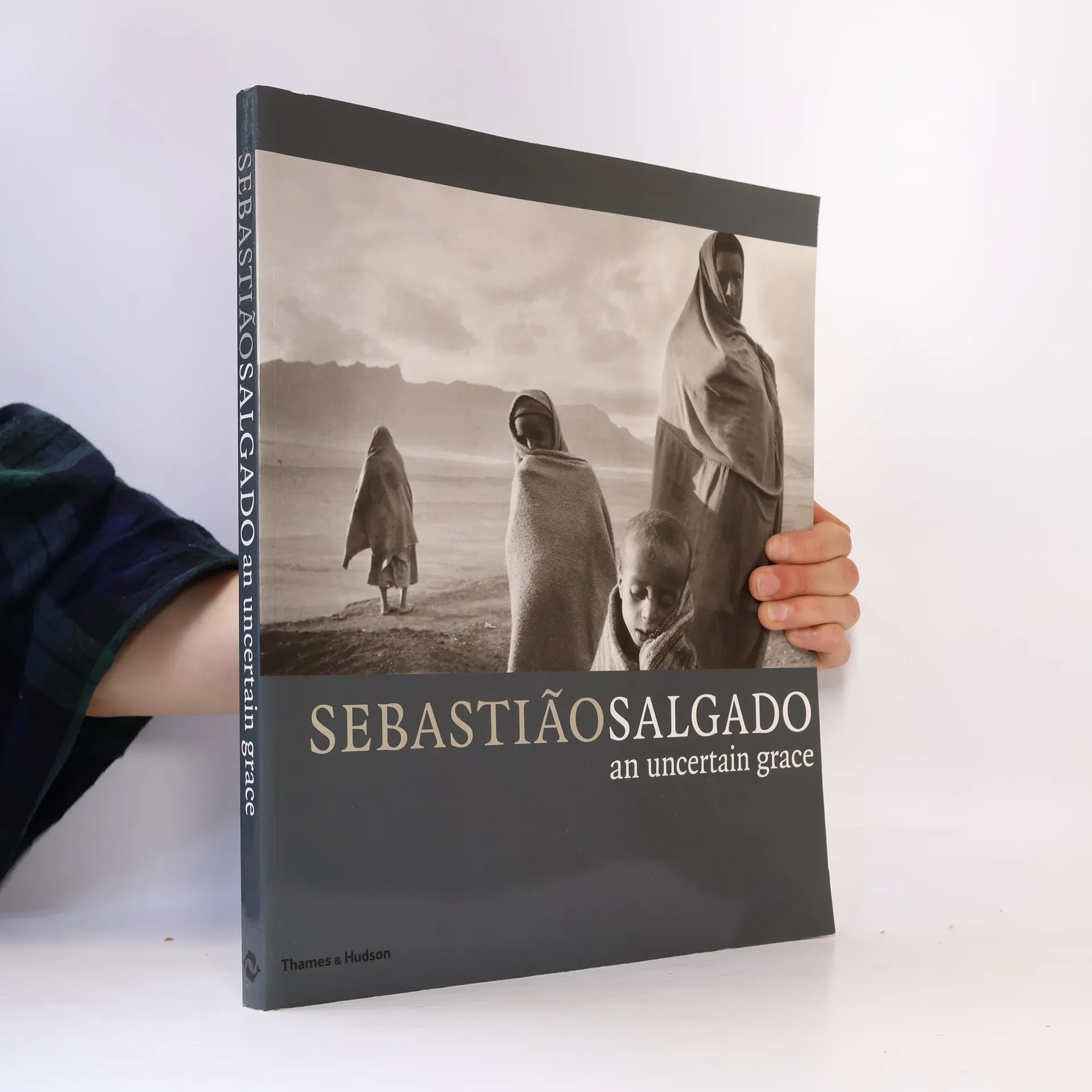
Sebastião Salgado. An Uncertain Grace
- 158 Seiten
- 6 Lesestunden
From a Brazilian mine where 50,000 mud-covered men haul heavy bags of dirt up and down slippery ladders in search of a stray nugget of gold, to a former lake in western Africa now swallowed by the encroaching desert, where emaciated, starving people walk over its surface of sand, photographer Sebastião Salgado explores the live of the planet's often ignored people with a critical eye and an empathetic heart.
- 2003
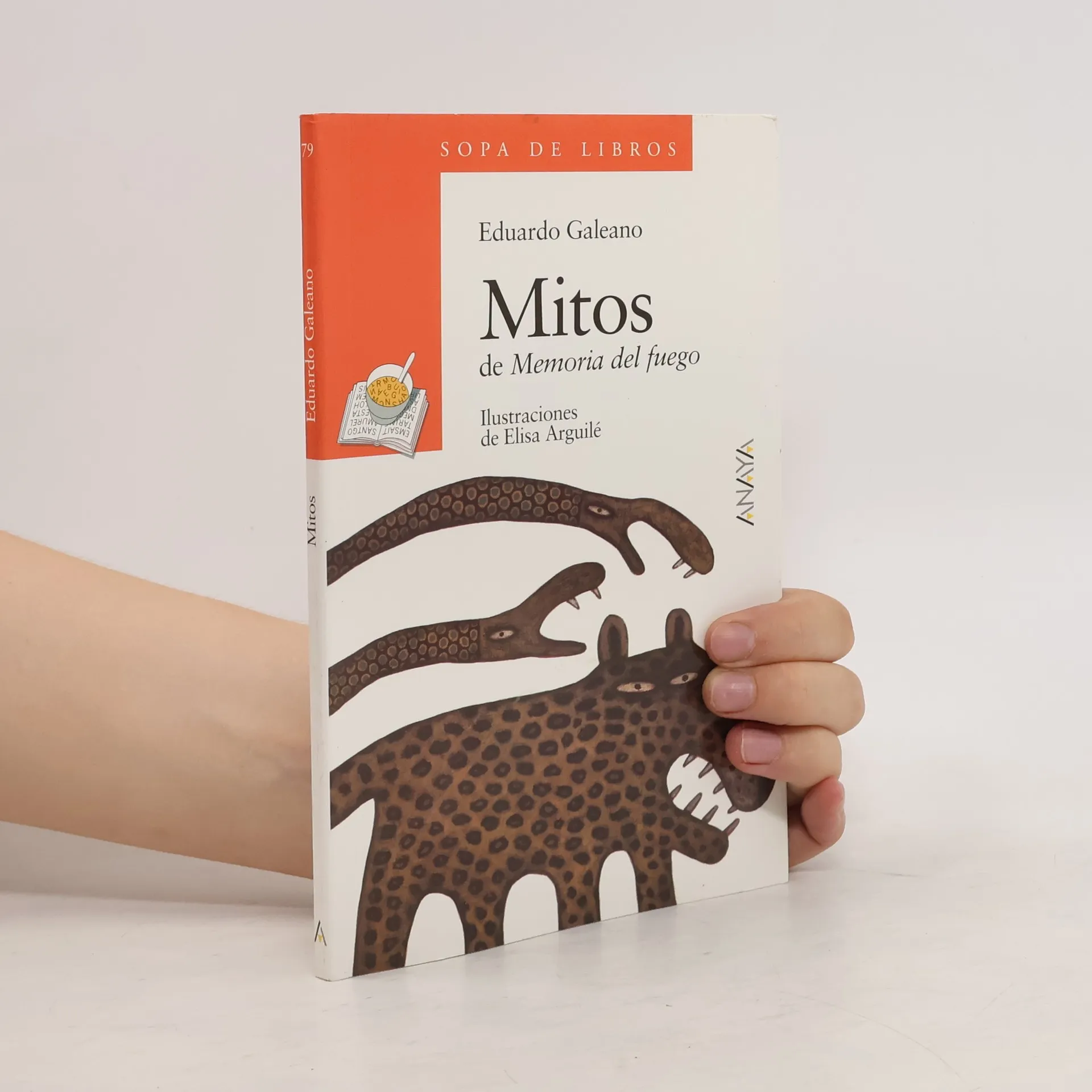
"Quise contar historias, las historias de la historia americana, al oído de quien tuviera ganas de escucharlas, a cualquier edad y en cualquier lugar..." Un libro de cuentos sobre el mito de la creación destinado a oídos jóvenes y curiosos que quieran saber cómo nacieron las nubes, el tiempo, los colores, la lluvia, o ¿por qué el cuervo tiene la voz ronca y el oso camina torpemente?...