Fandom and the Beatles: The Act You've Known for All These Years offers an
insightful look into the band's enduring appeal through fan responses,
exploring how The Beatles have inspired such loyalty and multigenerational
popularity.
The fifth volume of the Oxford History of the Ancient Near East covers the period from the second half of the 7th century BC until the campaigns of Alexander III of Macedon (336-323 BC) brought an end to the Achaemenid Dynasty and the Persian Empire. Tying together periods and political history covered by previous volumes in the series, this title focuses on the Persian Empire's immediate predecessor states: Saite Egypt, the Neo-Babylonian Empire, and the kingdom of Lydia, among other kingdoms and tribal alliances.
This volume provides a comprehensive edition of Suetonius's Life of Augustus
for readers of Latin at the intermediate and advanced levels, with a complete
Latin text accompanied by a running vocabulary, grammatical support, and
historical notes to aid comprehension.
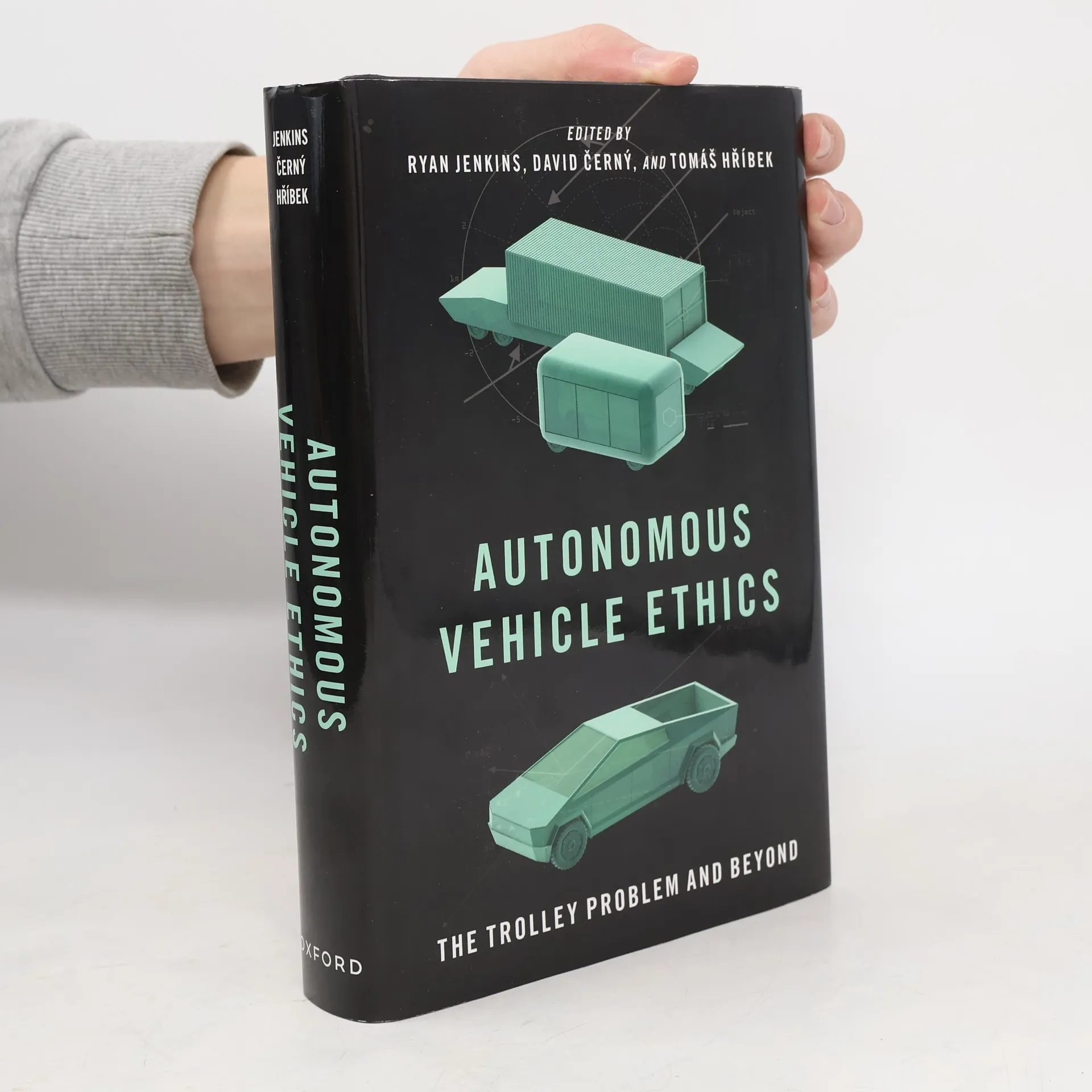
This book represents a substantial and purposeful effort to move the academic discussion beyond the trolley problem to the broader ethical, legal, and social implications that autonomous vehicles present. There are still urgent questions waiting to be addressed, for example: how AVs might interact with human drivers in mixed or "hybrid" traffic environments; how AVs might reshape our urban landscapes; what unique security or privacy concerns are raised by AVs as connected devices in the "Internet of Things"; how the benefits and burdens of this new technology, including mobility, traffic congestion, and pollution, will be distributed throughout society; and more.
One of America's most celebrated poets, Emily Dickinson was largely unpublished during her lifetime. Her poetry, which emerged in a slim volume in 1890, continues to resonate today. Known for its precision and sparseness, Dickinson's work engages with philosophical themes such as death, spirituality, and the complexities of the mind. She approaches these topics through close observation, exploring alternatives and connecting thoughts, yet her poems often lack definitive conclusions. The insights she presents can conflict, relying heavily on imagery, juxtaposition, assonance, slant rhyme, and punctuation.
The six chapters of this volume argue that Dickinson is an epistemically ambitious poet who tackles fundamental questions with persuasive arguments. She embodies abstract ideas in concrete forms, guiding readers into productive thought processes. Rather than merely making philosophical assertions, she illustrates how poetry contributes meaningfully to philosophical discourse.
The essays, contributed by both philosophers and literary theorists, counter recent critical perspectives that focus on Dickinson's uncertainty, unconventional style, and the unresolved nature of her manuscripts. The emerging view suggests that knowing is akin to cleaning, mending, and lacemaking—an ongoing effort where poetry serves as a powerful, perhaps essential, tool.