
Gratis Versand ab 14,99 €. Mehr Infos.
Bookbot

John Robert McNeill

    6. Oktober 1954
    Algo nuevo bajo el sol
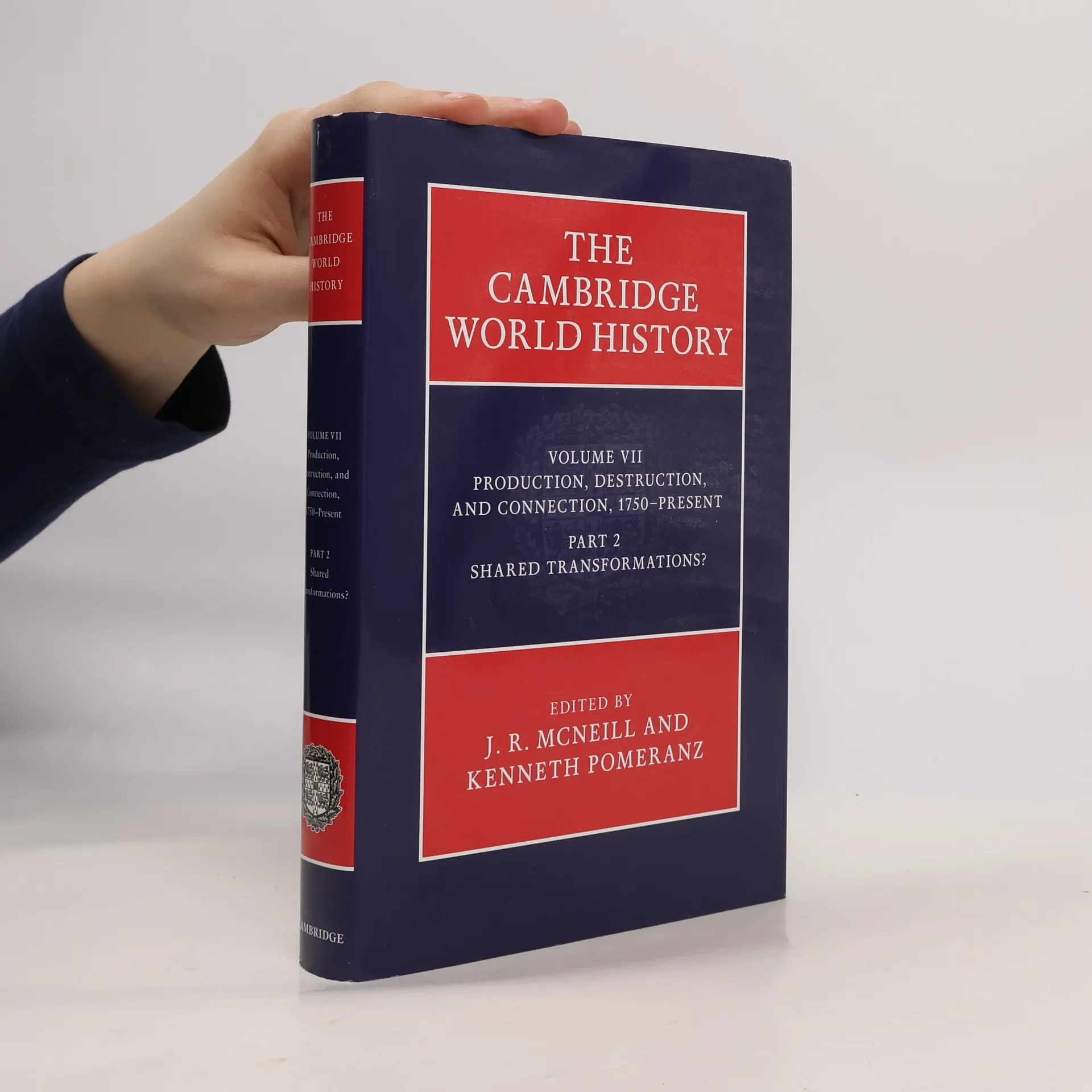
    The Cambridge World History
    The Cambridge World History
    The Columbian Exchange
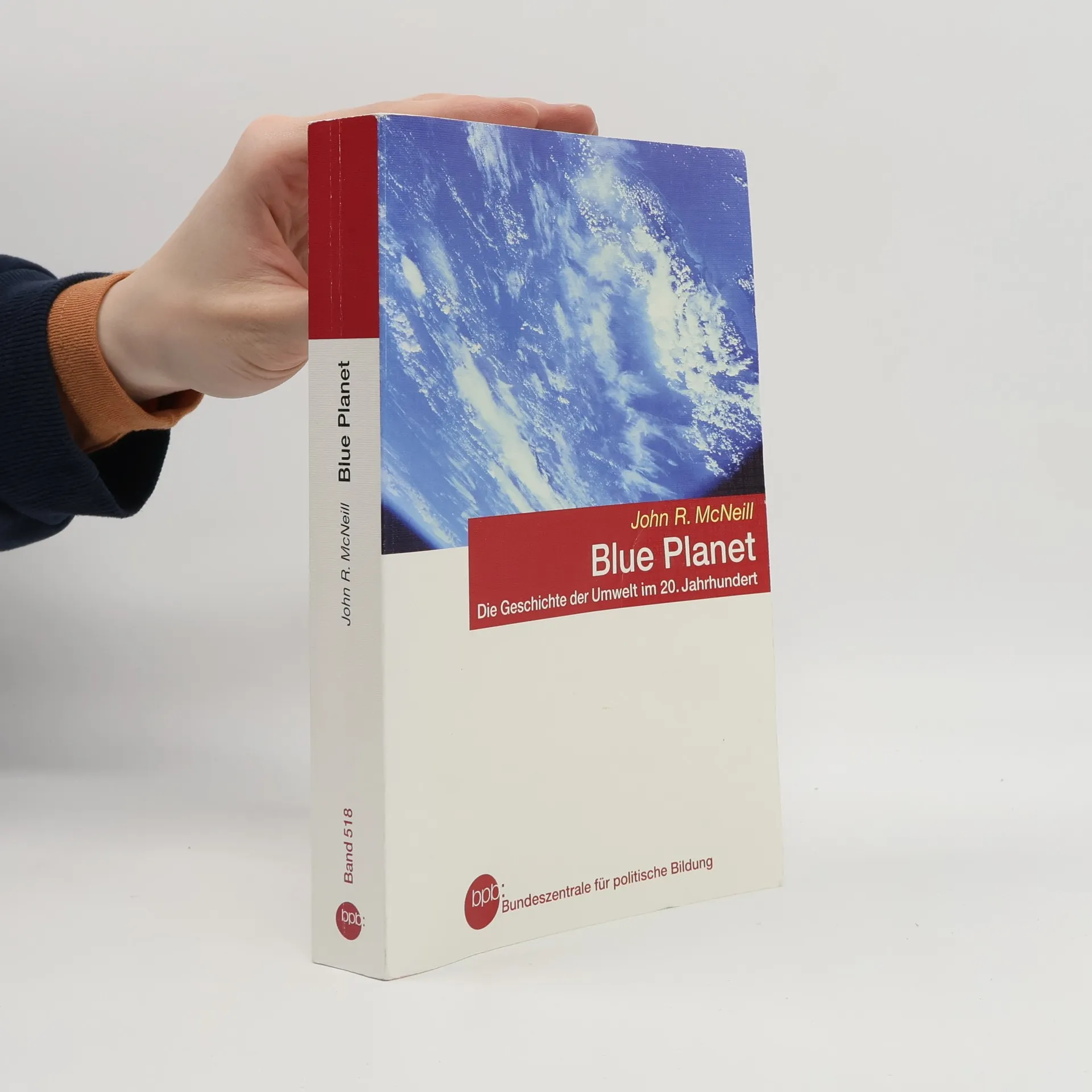
    Blue planet
    • Blue planet

      • 496 Seiten
      • 18 Lesestunden

      Die Tsunami-Katastrophe in Südostasien hat uns auf furchtbare Weise vor Augen geführt, wie zerbrechlich der Blaue Planet ist. Viele Naturkatastrophen sind dabei durch den Menschen selber verursacht. John McNeill hat eine Vielzahl von Daten und Fakten zusammengetragen, die belegen, wie die Menschen schon lange vor Beginn der Industrialisierung massiv in die Natur eingegriffen haben: Durch Boden-, Gewässer und Weltraumverschmutzung haben sie Sauren Regen, Smog und Ozonloch geschaffen. Küstenveränderungen, Ausbeutung der Bodenschätze, Artenausrottung und Gentechnik sorgen dafür, dass nichts bleibt, wie es war. McNeill legt die Fakten dar, ohne den moralischen Zeigefinger zu heben – und gerade dadurch weckt er kritische Aufmerksamkeit für den Umgang mit unserem Planeten. »Das originellste Buch, das ich in diesem Jahr gelesen habe.« Eric Hobsbawm »Bewundernswert sachlich … Anstelle apokalyptischer Warnungen vermittelt McNeill klaren Verstand.« Economist
      Blue planet
      3,0
    • The Columbian Exchange

      Biological and Cultural Consequences of 1492

      • 320 Seiten
      • 12 Lesestunden

      Thirty years ago, Alfred Crosby published a small work that stressed a simple point - that the most important changes brought on by the voyages of Columbus were not social or political, but biological in nature. This 30th anniversary edition includes a new preface from the author.

      The Columbian Exchange
      3,9
    • The Cambridge World History

      Production, Destruction, and Connection, 1750-Present, Part 2, Shared Transformations

      • 570 Seiten
      • 20 Lesestunden

      Since 1750, the world has become ever more connected, with processes of production and destruction no longer limited by land- or water-based modes of transport and communication. Volume 7 of the Cambridge World History series, divided into two books, offers a variety of angles of vision on the increasingly interconnected history of humankind. The second book questions the extent to which the transformations of the modern world have been shared, focusing on social developments such as urbanization, migration, and changes in family and sexuality; cultural connections through religion, science, music, and sport; ligaments of globalization including rubber, drugs, and the automobile; and moments of particular importance from the Atlantic Revolutions to 1989.

      The Cambridge World History
    • The Cambridge World History

      Production, Destruction, and Connection, 1750–Present, Part 1, Structures, Spaces, and Boundary Making

      • 674 Seiten
      • 24 Lesestunden

      Since 1750, the world has become ever more connected, with processes of production and destruction no longer limited by land- or water-based modes of transport and communication. Volume 7 of the Cambridge World History series, divided into two books, offers a variety of angles of vision on the increasingly interconnected history of humankind. The first book examines structures, spaces, and processes within which and through which the modern world was created, including the environment, energy, technology, population, disease, law, industrialization, imperialism, decolonization, nationalism, and socialism, along with key world regions.

      The Cambridge World History
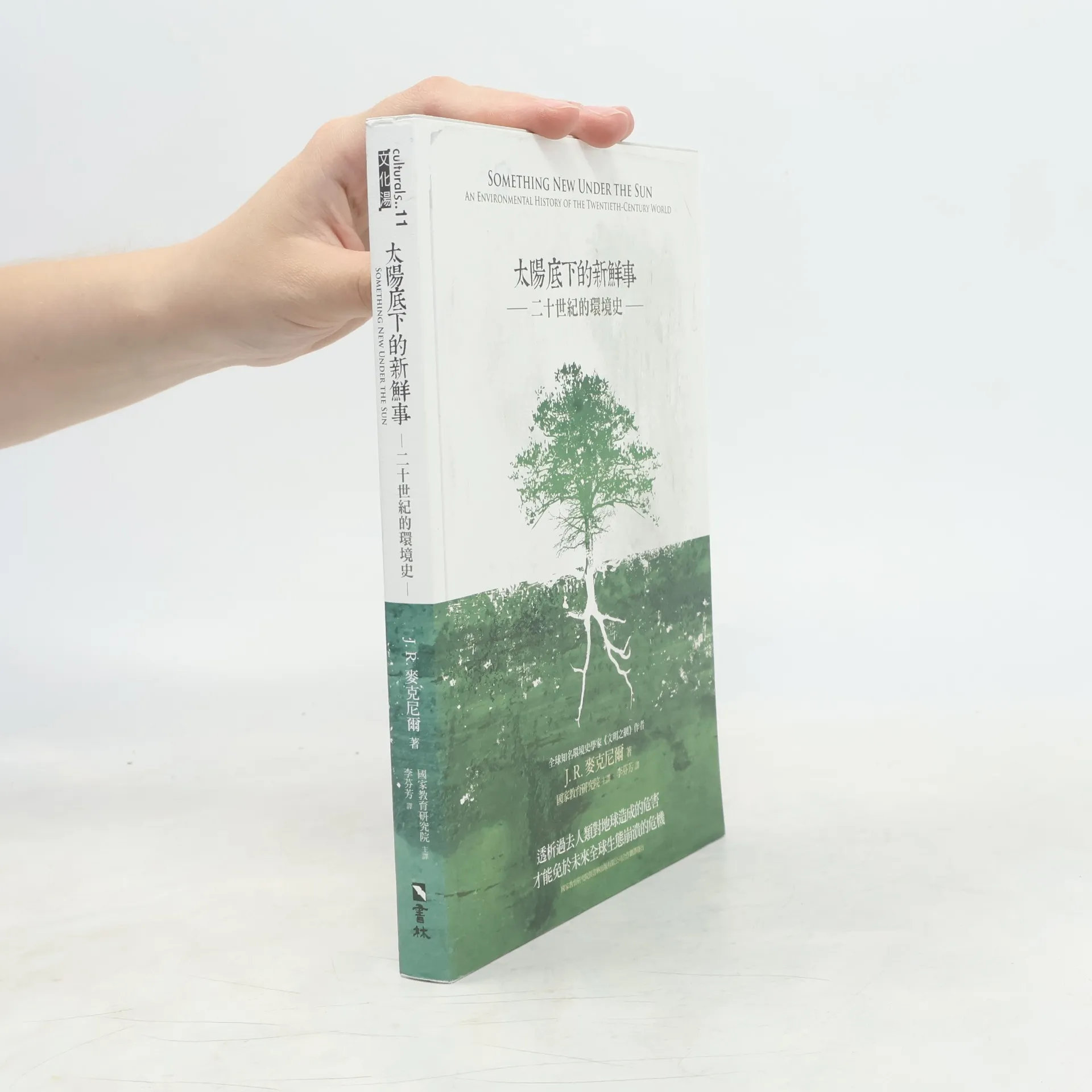
    • Algo nuevo bajo el sol

      Historia medioambiental del mundo en el siglo XX

      • 504 Seiten
      • 18 Lesestunden

      Guerras mundiales, el auge y caída del comunismo, la difusión de la democracia: la historia del siglo XX se suele contar a través de acontecimientos así. Pero, en este siglo, la humanidad también ha remodelado, en un grado sin precedentes, el aire, el agua, el suelo y la biosfera de la Tierra. Tal como escribe John R. McNeill en este importante libro, el cambio medioambiental acabará siendo con el tiempo el aspecto más significativo del siglo XX.

      Algo nuevo bajo el sol
      4,2