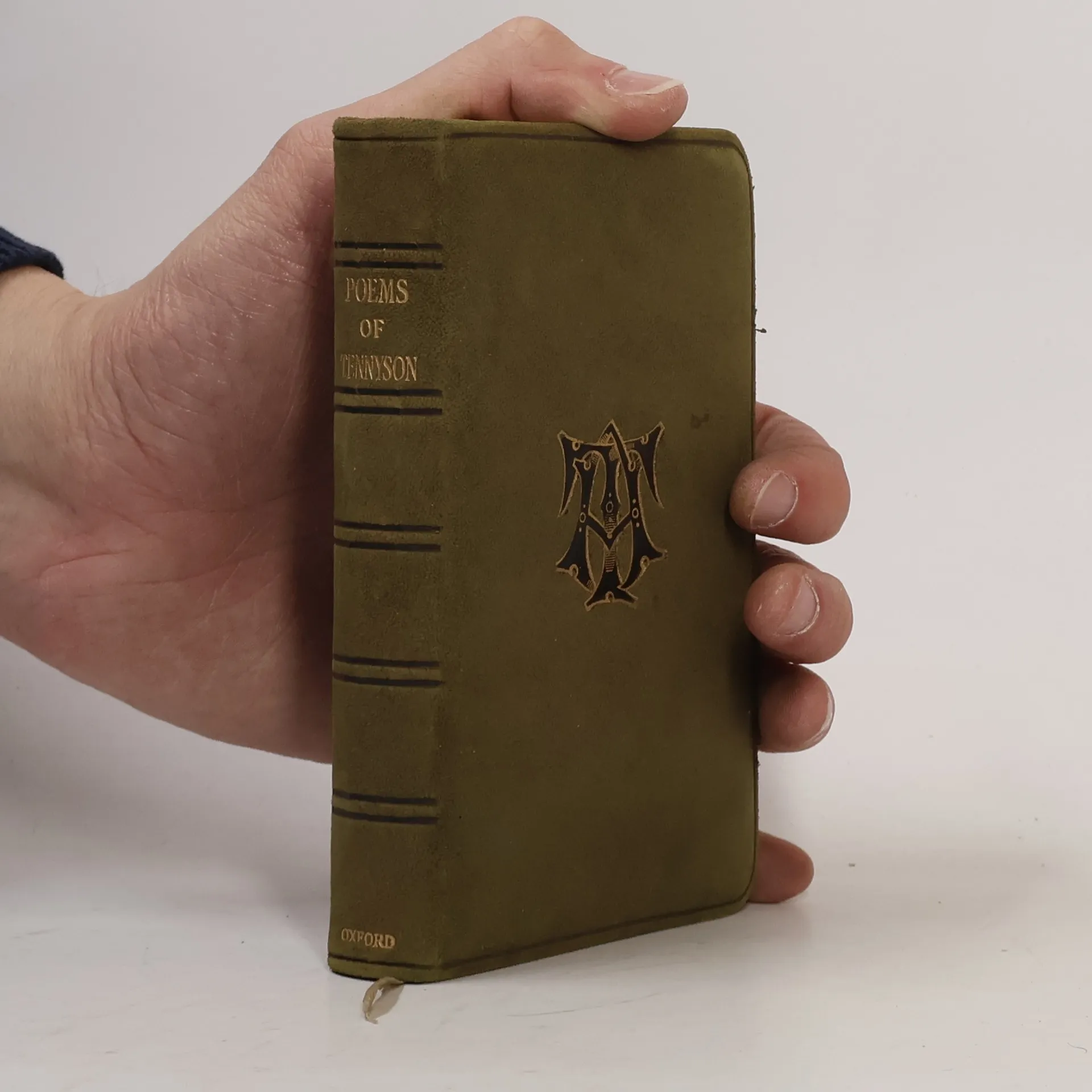
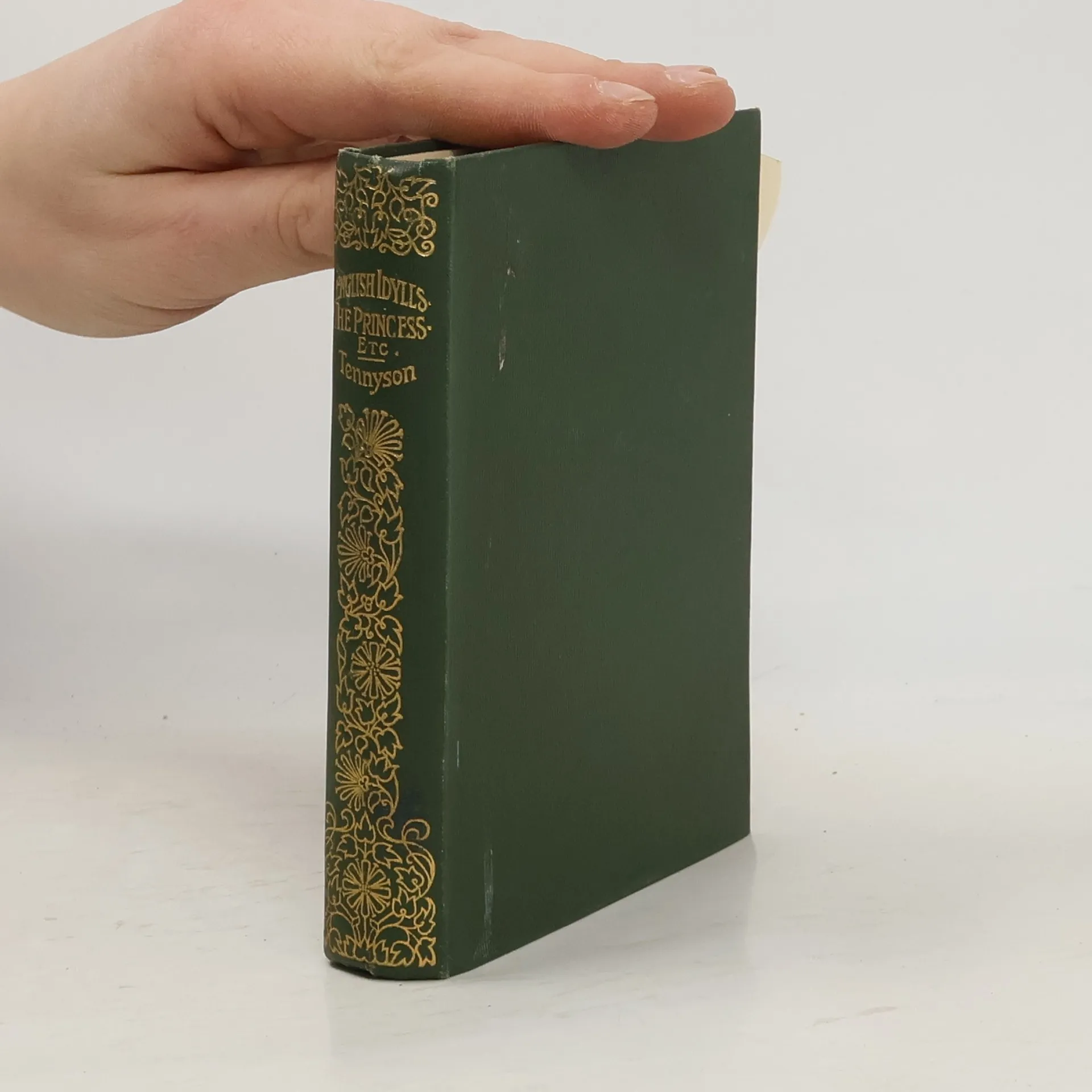
The Lady of Shalott
- 64 Seiten
- 3 Lesestunden
Tennyson's precision and delicacy of language has aecured him a place among the great poets of England.


Alfred Tennyson wird für seine meisterhafte Sprachbeherrschung und seinen lyrischen, melodischen Vers gefeiert. Seine Werke setzen sich oft mit tiefgründigen Themen wie Sterblichkeit, dem Vergehen der Zeit und der Suche nach Sinn in einer sich wandelnden Welt auseinander. Tennysons Poesie zeichnet sich durch ihre emotionale Tiefe und formale Eleganz aus und bietet den Lesern ein reiches Geflecht aus Klang und Reflexion.


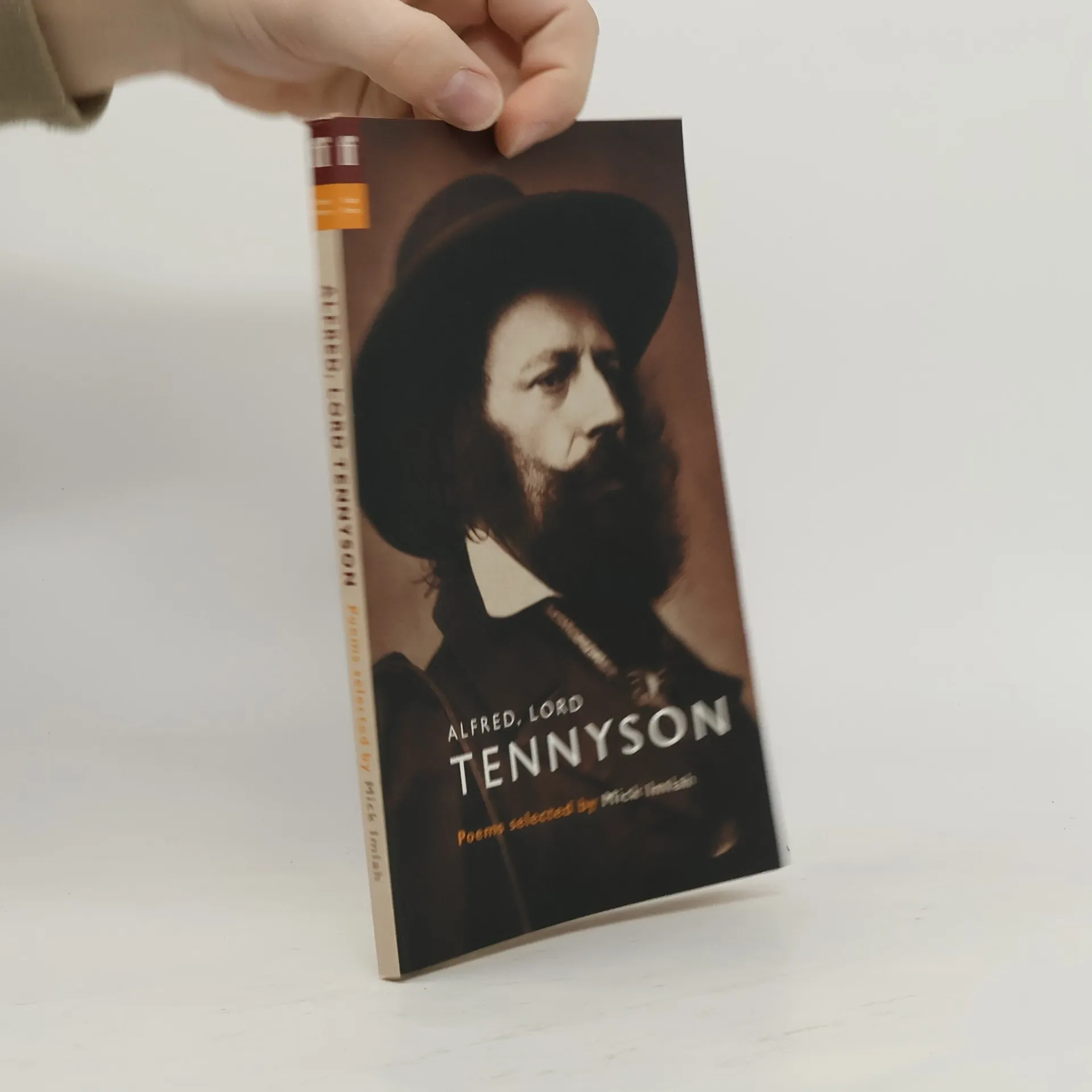
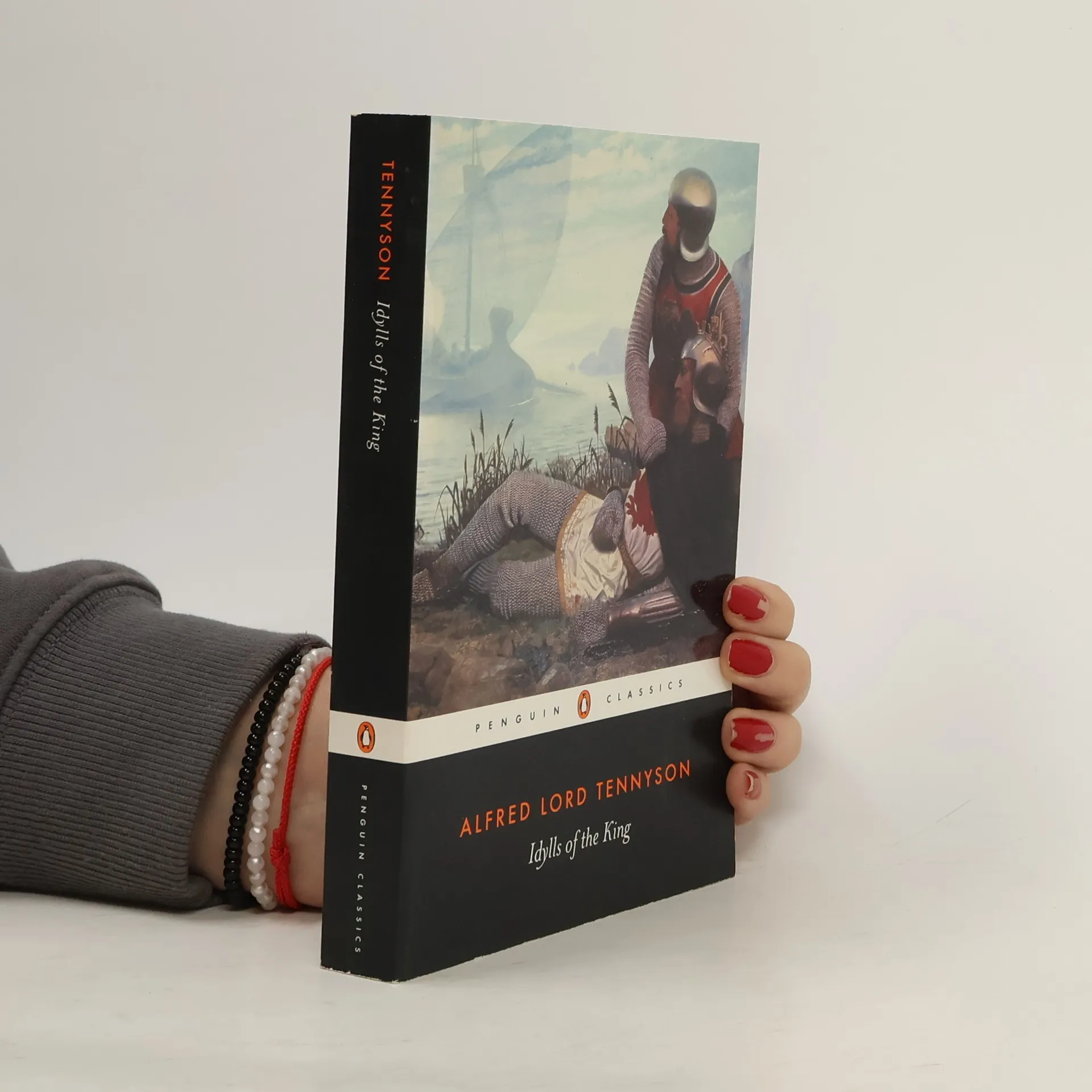
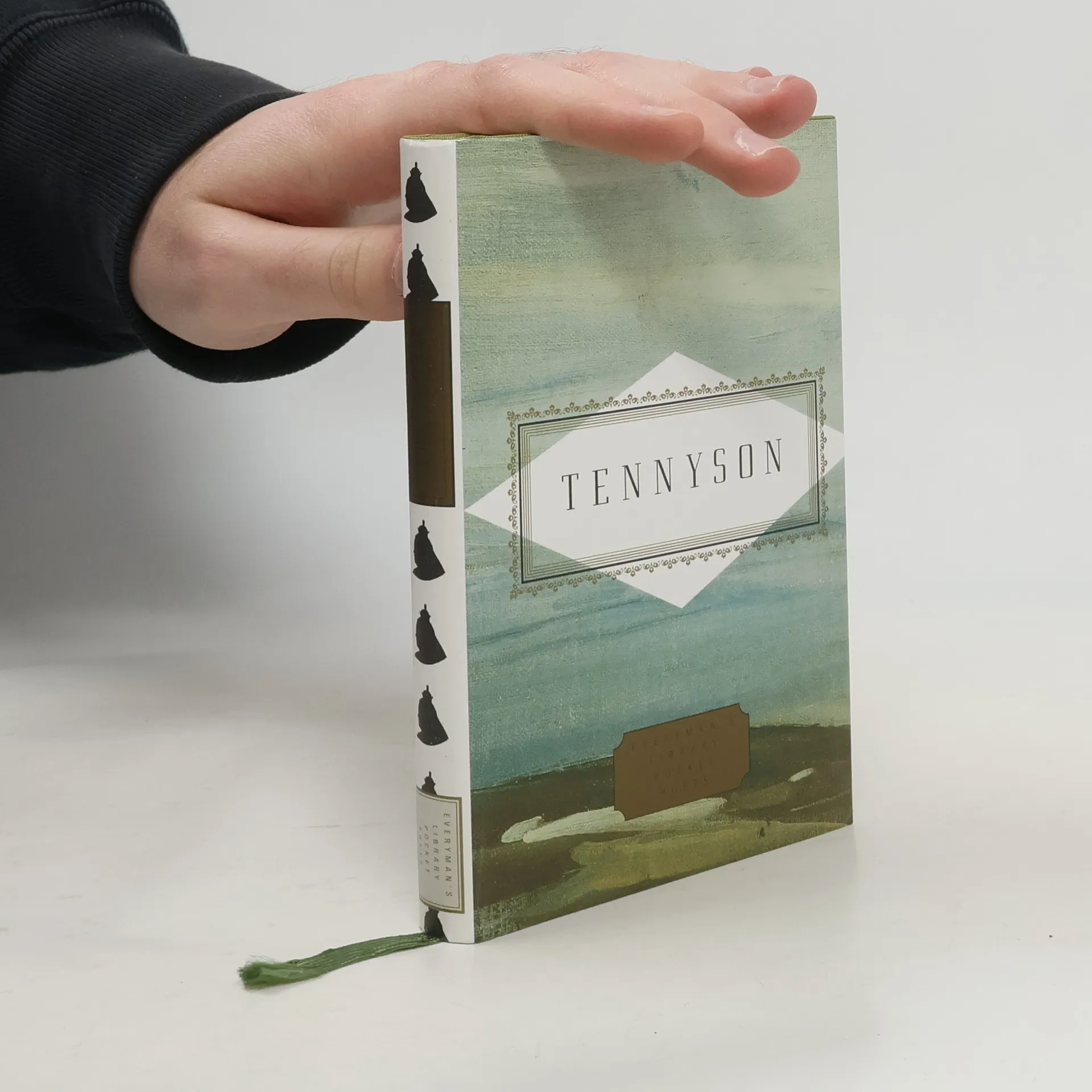

Tennyson's precision and delicacy of language has aecured him a place among the great poets of England.
Alfred, Lord Tennyson was a more complex writer than his status as Queen Victoria’s favorite poet might suggest. Though capable of rendering rapture and delight in the most exquisite verse, in another mode Tennyson is brother in spirit to Poe and Baudelaire, the author of dark, passionate reveries. And though he treasured poetic tradition, his work nevertheless engaged directly with the great issues of his time, from industrialization and the crisis of faith to scientific progress and women’s rights. A master of the short, intense lyric, he can also be sardonic, humorous, voluptuous, earthy, and satirical.This collection includes, of course, such famous poems as “The Lady of Shalott” and “The Charge of the Light Brigade.” There are extracts from all the major masterpieces—“Idylls of the King,” “The Princess,” “In Memoriam”—and several complete long poems, such as “Ulysses” and “Demeter and Persephone,” that demonstrate his narrative grace. Finally, there are many of the short lyrical poems, such as “Come into the Garden, Maud” and “Break, Break, Break,” for which he is justly celebrated.
Traces the story of Arthur's rule, from his first encounter with Guinevere and the quest for the Holy Grail to the adultery of his Queen with Launcelot and the King's death in a final battle that spells the ruin of his kingdom. The author's depiction of the Round Table reflects a longing for a past age of valour and chivalry.
In this series, a contemporary poet selects and introduces a poet of the past. The editors explain in their prefaces their choice of poems and their personal/critical reactions to them.Alfred, Lord Tennyson (1809-92) was born in Somersby, Lincolnshire, the sixth of eleven children of a clergyman. After a childhood marked by trauma, he went up to Cambridge in 1828, where he met Arthur Hallam, whose premature death had a lasting influence on Tennyson's life and writing. His two volumes of Poems (1842) established him as the leading poet of his generation, and of the Victorian period. He was created Poet Laureate in 1850 and in 1883 accepted a peerage.
It seems that the provided text only contains the word "PROLOGUE" and does not include any details or context about the book. Therefore, I cannot create a summary based on the information given. Please provide more content or details about the book for an accurate summary.
The narrative follows the journey of the last tall son of Lot and Bellicent, exploring themes of legacy and identity. As he navigates a world shaped by the weight of his lineage, he encounters challenges that test his strength and resolve. The story delves into the complexities of familial ties and the quest for self-discovery amidst expectations. Rich in character development and atmospheric detail, it offers a poignant reflection on what it means to inherit both greatness and burdens.
Addressing criticisms of his focus, Alfred, Lord Tennyson's poem reflects on serious themes while humorously engaging with the establishment of Queen's College, London's first women's college. It serves as a significant early work that explores feminist concerns, blending comedy with a critical perspective on societal norms regarding women's education and roles.