Gratis Versand ab 14,99 €. Mehr Infos.
Bookbot

Professor Conor Anthony Gearty

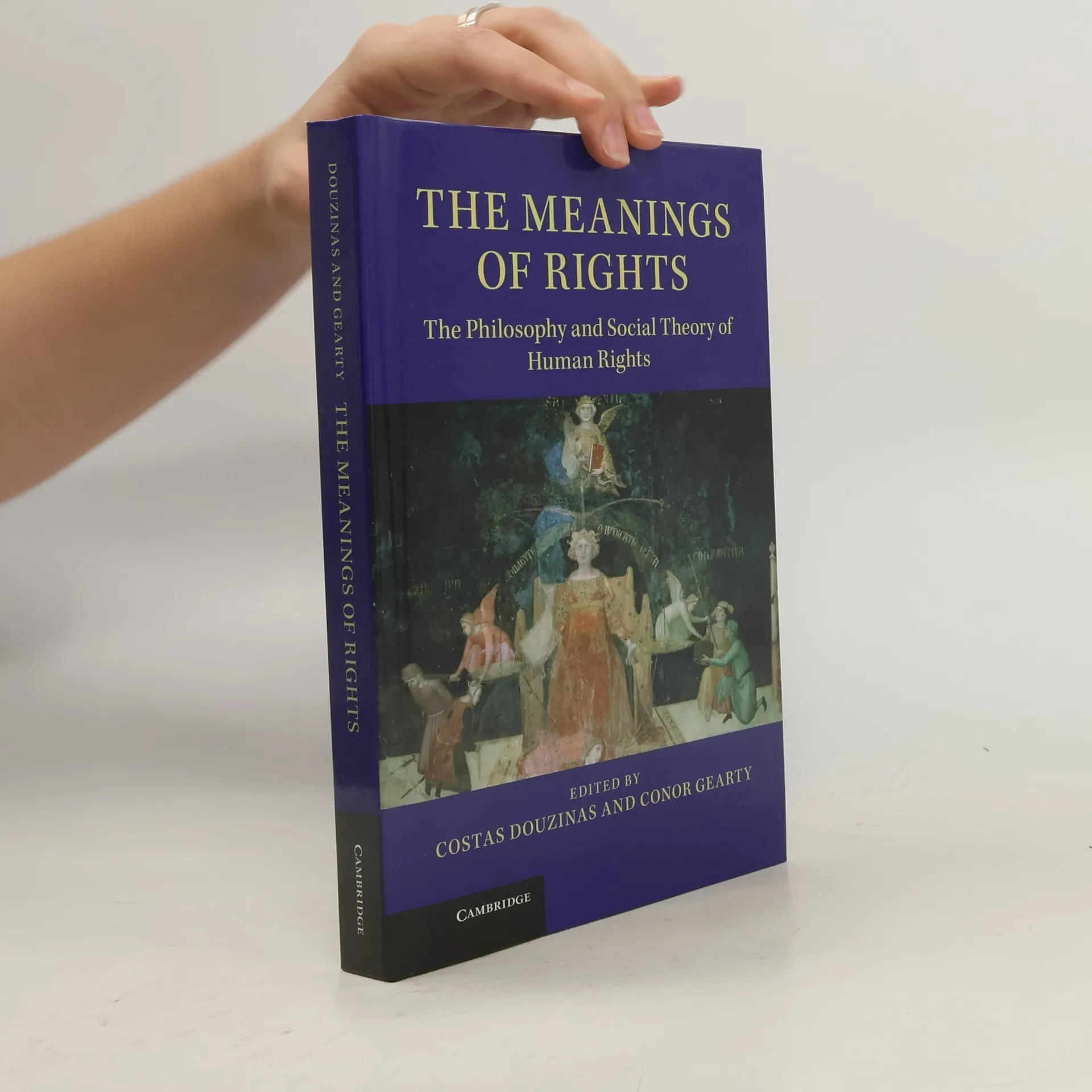
    The Meanings of Rights
    Homeland Insecurity
    • Homeland Insecurity

      • 267 Seiten
      • 10 Lesestunden

      In the decades following the 9/11 attacks, complex webs of anti-terrorism laws have come into play across the world, promising to protect ordinary citizens from bombings, hijackings and other forms of mass violence. But are we really any safer? Has freedom been secured by active deployment of state power, or fatally undermined? In this groundbreaking new book, Conor Gearty unpacks the history of global anti-terrorism law, explaining not only how these regulations came about, but also the untold damage they have wrought upon freedom and human rights. Ranging from the age of colonialism to the Cold War, through the perennial crises in the Middle East to the exponential growth of terrorism discourse compressed into the first two decades of the 21st century, the coercion these laws embody is here to stay. The ‘War on Terror’ was something that colonial and neo-colonial liberal democracies had always been doing—and something that is not going away. Anti-terrorism law no longer requires terrorism to survive. Wide-ranging, elegant and with a perceptive analytical sting, this book is essential reading for anyone seeking to understand the deep origins of terrorism and counter-terrorism, and how these concepts fundamentally shape the world we live in.

      Homeland Insecurity
      3,0
    • The Meanings of Rights

      The Philosophy and Social Theory of Human Rights

      • 340 Seiten
      • 12 Lesestunden

      Does the apparent victory, universality and ubiquity of the idea of rights indicate that such rights have transcended all conflicts of interests and moved beyond the presumption that it is the clash of ideas that drives culture? Or has the rhetorical triumph of rights not been replicated in reality? The contributors to this book answer these questions in the context of an increasing wealth gap between the metropolitan elites and the rest, a chasm in income and chances between the rich and the poor, and walls which divide the comfortable middle classes from the 'underclass'. Why do these inequalities persist in our supposed human rights-abiding societies? In seeking to address the foundations, genealogies, meaning and impact of rights, this book captures some of the energy, breadth, power and paradoxes that make deployment of the language of human rights such an essential but changeable part of so many of our contemporary discourses.

      The Meanings of Rights