

Bookbot

Stewart Shapiro

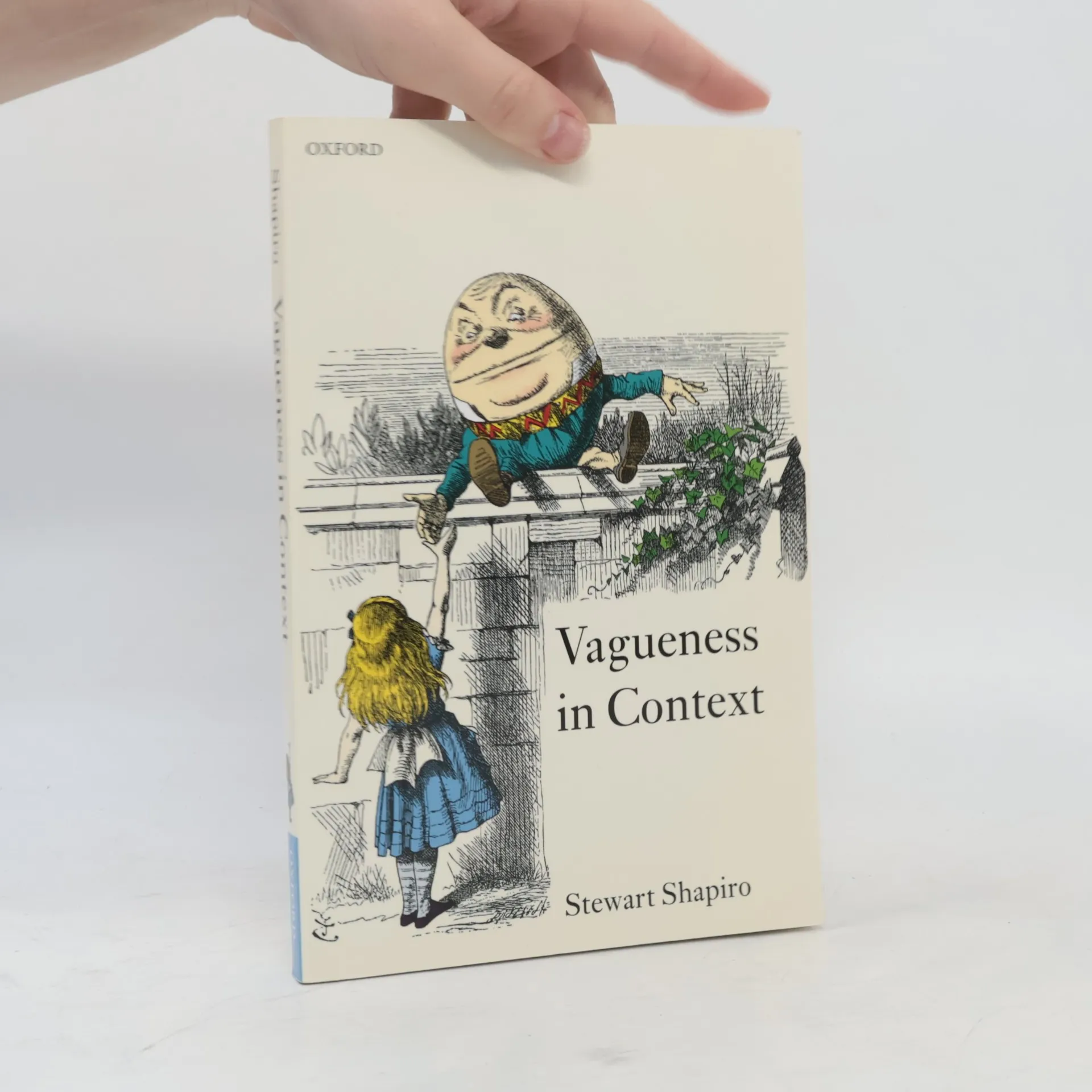
    Vagueness in Context
    Thinking about Mathematics
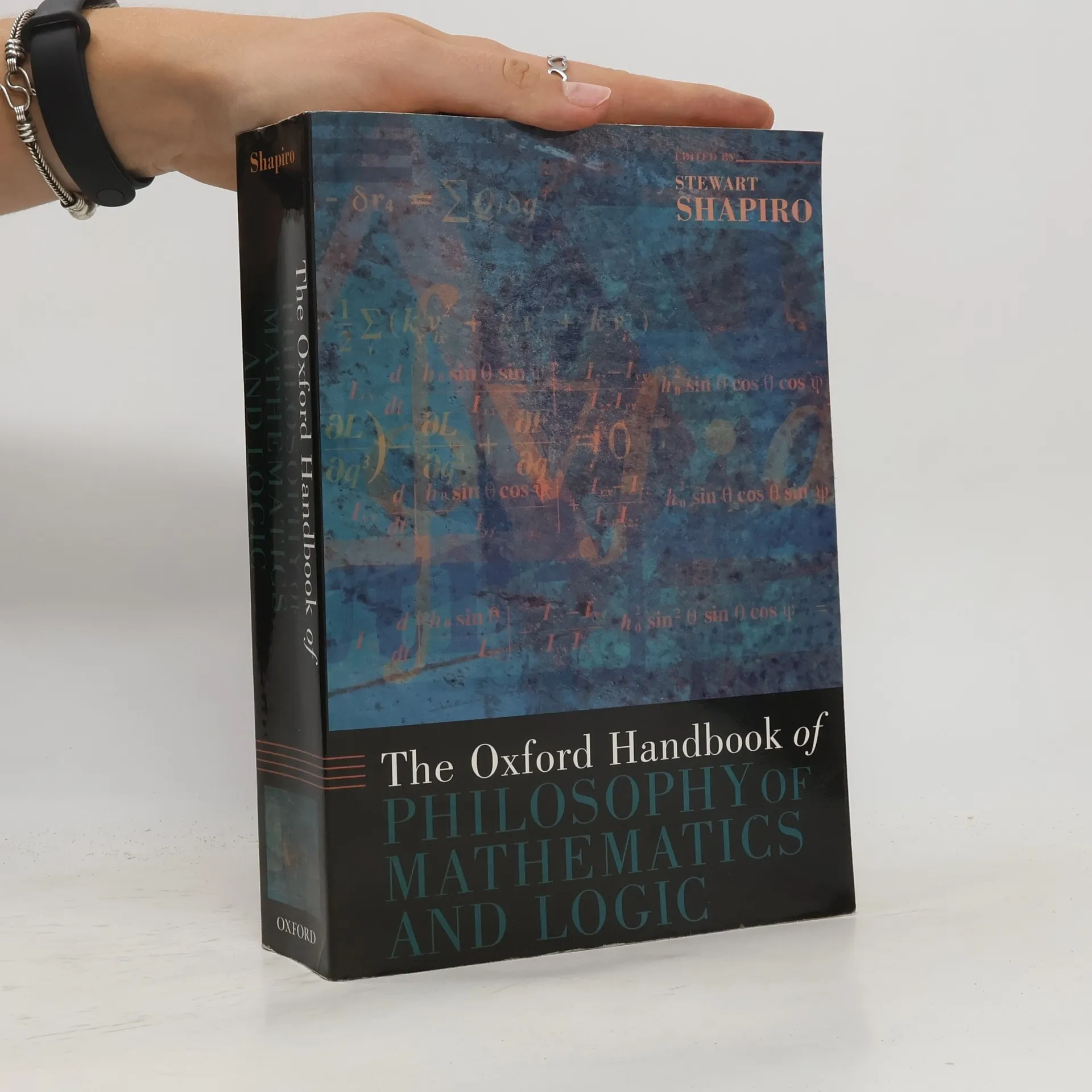
    The Oxford Handbook of Philosophy of Mathematics and Logic
    • Vagueness in Context

      • 242 Seiten
      • 9 Lesestunden

      Stewart Shapiro aims to develop a philosophical and formal, model-theoretic account of vague terms in an idealized natural language like English. The extensions of vague terms vary with contextual factors such as comparison classes and paradigm cases; for instance, someone may be considered tall among male accountants but not among professional basketball players. Shapiro's account posits that the extensions of vague terms also fluctuate during conversations, even when external contextual features are fixed. A key thesis is that a competent speaker can navigate the borderline of vague predicates without contradicting the meaning of the words or the non-linguistic facts. He refers to this phenomenon as open texture, borrowing the term from Friedrich Waismann. The formal model theory resembles the supervaluationist approach but does not prioritize super-truth in developing validity. The technical aspects aim to define a plausible notion of logical consequence and address the sorites paradox. Subsequent chapters explore higher-order vagueness and vague singular terms, modifying the original account and the model theory accordingly. Shapiro views vagueness as a linguistic phenomenon shaped by the languages we use, the world we inhabit, and our nature as beings, suggesting that it cannot be attributed solely to one of these aspects.

      Vagueness in Context2008
    • Mathematics and logic have been pivotal topics in philosophy since its inception. Logic, as the study of correct reasoning, is essential to epistemology and foundational to any philosophical system. Philosophers have examined mathematics to address broader philosophical issues and its significance in knowledge acquisition. Today, the philosophy of mathematics and logic remains vital in contemporary philosophy, highlighted by the frequent publication of related articles in leading philosophical journals. The past decade has witnessed a surge in scholarly work in these fields. This volume offers a comprehensive and accessible overview of major problems, positions, and debates within these disciplines. Featuring 26 chapters by established experts, the contributions include both exposition and critique, alongside the development of original perspectives. The essays are largely self-contained, serving to introduce readers to the subject while also engaging with cutting-edge discussions. Notably, some significant positions are represented by two chapters—one supportive and one critical. This groundbreaking reference stands out in its field, making it an essential resource for anyone interested in the philosophy of mathematics and logic, from advanced undergraduates to professional philosophers, mathematicians, and historians.

      The Oxford Handbook of Philosophy of Mathematics and Logic2007
      4,5
    • Thinking about Mathematics

      The Philosophy of Mathematics

      • 328 Seiten
      • 12 Lesestunden

      Exploring a variety of philosophical questions related to mathematics, this book is divided into four comprehensive sections. The first part delves into foundational issues that have intrigued philosophers throughout history. The subsequent sections continue to examine different philosophical perspectives and debates surrounding mathematical concepts, offering insights into the nature of mathematical truth, the role of mathematics in science, and the implications of mathematical practice.

      Thinking about Mathematics2000
      4,0