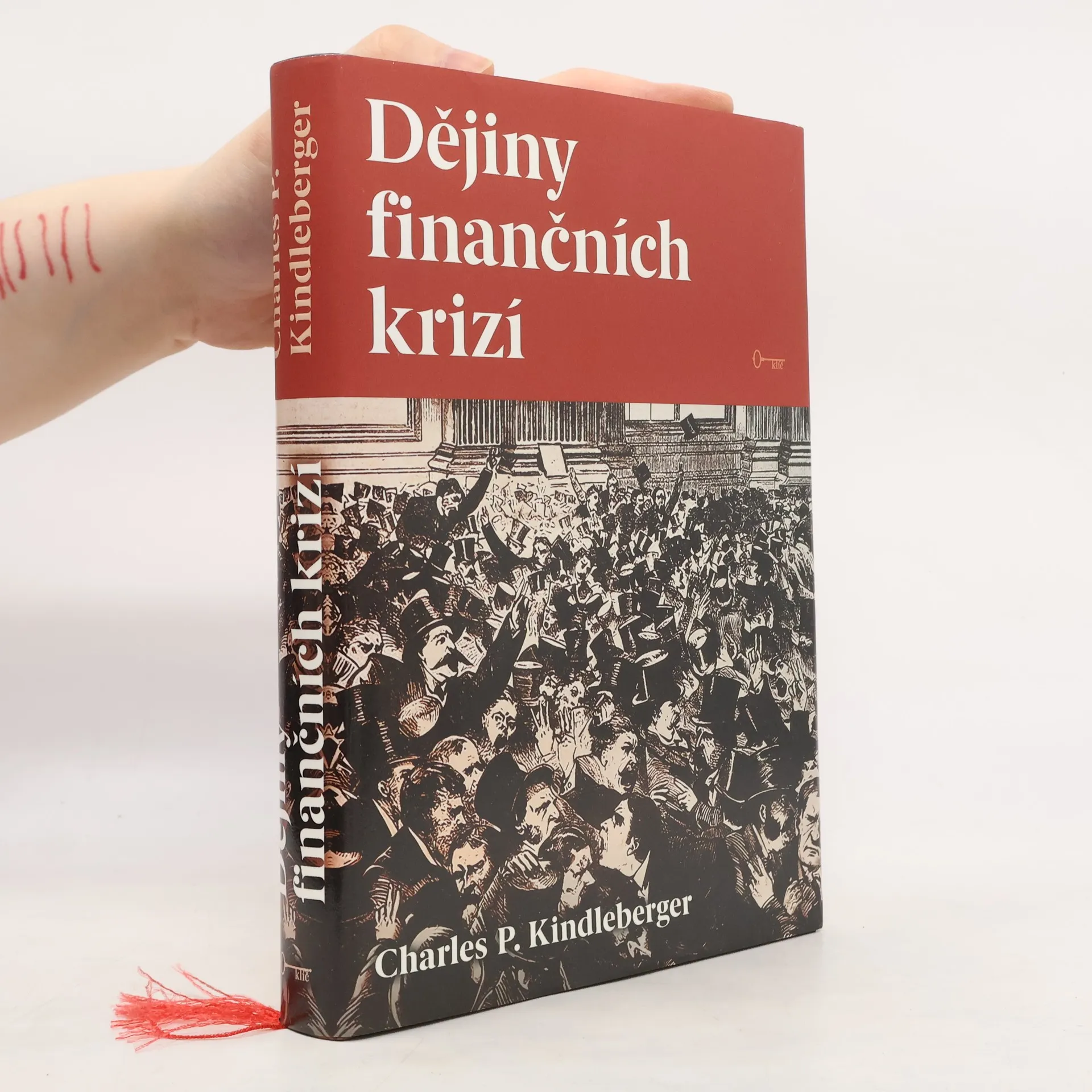
Charles P. Kindleberger v Dějinách finančních krizí analyzuje v historii se opakující vzorce finančních krizí, předkládá komplexní analýzu jejich příčin a důsledků a zkoumá monetární, psychologické i sociologické faktory, které přispívají ke vzniku mánií, panik a krachů. Publikace získala na aktuálnosti po hospodářské recesi z let 2007 až 2009 a pandemické krizi z roku 2020.
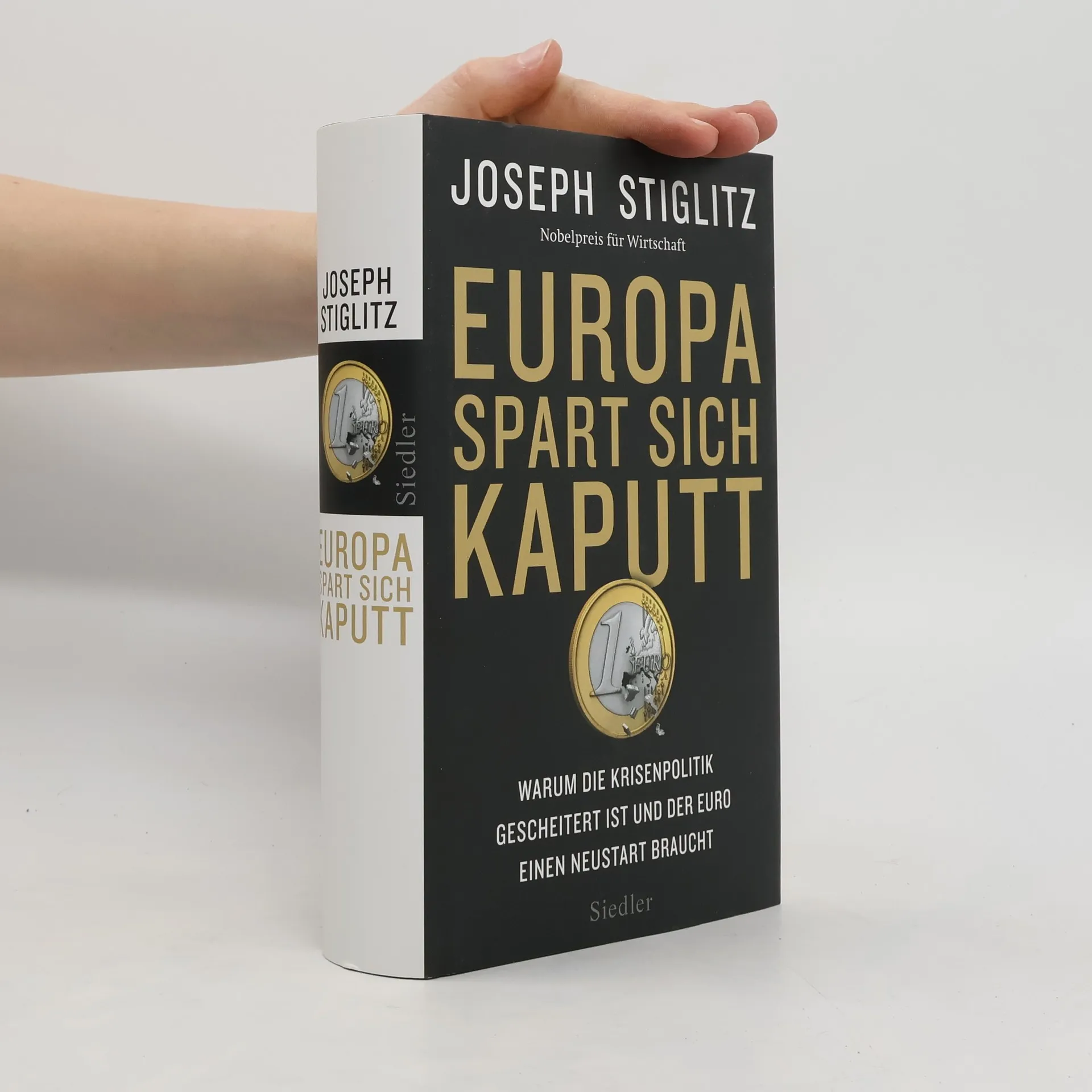
Joseph Stiglitz, ein scharfer Kritiker der Sparpolitik, die von der deutschen Bundesregierung als Ausweg aus der Eurokrise propagiert wird, argumentiert, dass kein Sparprogramm die strukturellen Mängel der Gemeinschaftswährung beheben kann. Um die Einheit der Eurozone zu bewahren, müssen die Mitgliedsstaaten neue Ansätze verfolgen. In seinem neuen Werk zeigt Stiglitz auf, wie diese Lösungswege aussehen könnten. Er legt schonungslos dar, dass die Austeritätspolitik sowohl die europäische Einheit als auch das Wirtschaftswachstum gefährdet und kritisiert die Europäische Zentralbank für ihren Fokus auf Inflationsbekämpfung zur Krisenbewältigung. Anstatt diese Politik als „alternativlos“ zu betrachten, präsentiert Stiglitz drei mögliche Lösungen: eine grundlegende Reform der Eurozone und ihrer Auflagen für Krisenländer, eine geregelte Auflösung der Europäischen Union oder die Schaffung eines neuen europäischen Finanzsystems – des „flexiblen Euro“. Mit seinen Argumenten bringt der Nobelpreisträger frischen Wind in eine Debatte, die sich zu lange im Kreis gedreht hat, und bietet einen Ausblick auf mögliche Wege zur Lösung der Eurokrise.
What We've Learned--And Have Still to Learn--From the Financial Crisis
528 Seiten
19 Lesestunden
The book offers an insightful exploration of the evolving global economy, presented by the chief economic commentator for the Financial Times. It delves into the complexities of contemporary economic dynamics, examining key trends and their implications for the future. Through expert analysis, it highlights the interconnectedness of markets and the impact of global events on economic systems, making it an essential read for anyone seeking to understand the current economic landscape.