

"Celebrating the centennial of Irving Penn's birth, this volume spans the entirety of his groundbreaking career. The introduction situates his work in the context of the various artistic, social, and political environments and events that affected the content of his photographs. The essays acquaint readers with Penn's primary subjects and campaigns, including early documentary scenes and imagery; portraits; fashion; female nudes; people of Peru, Dahomey (Benin), New Guinea, and Morocco; still lifes; and more"--Provided by publisher.
Maria Morris Hambourg Bücher
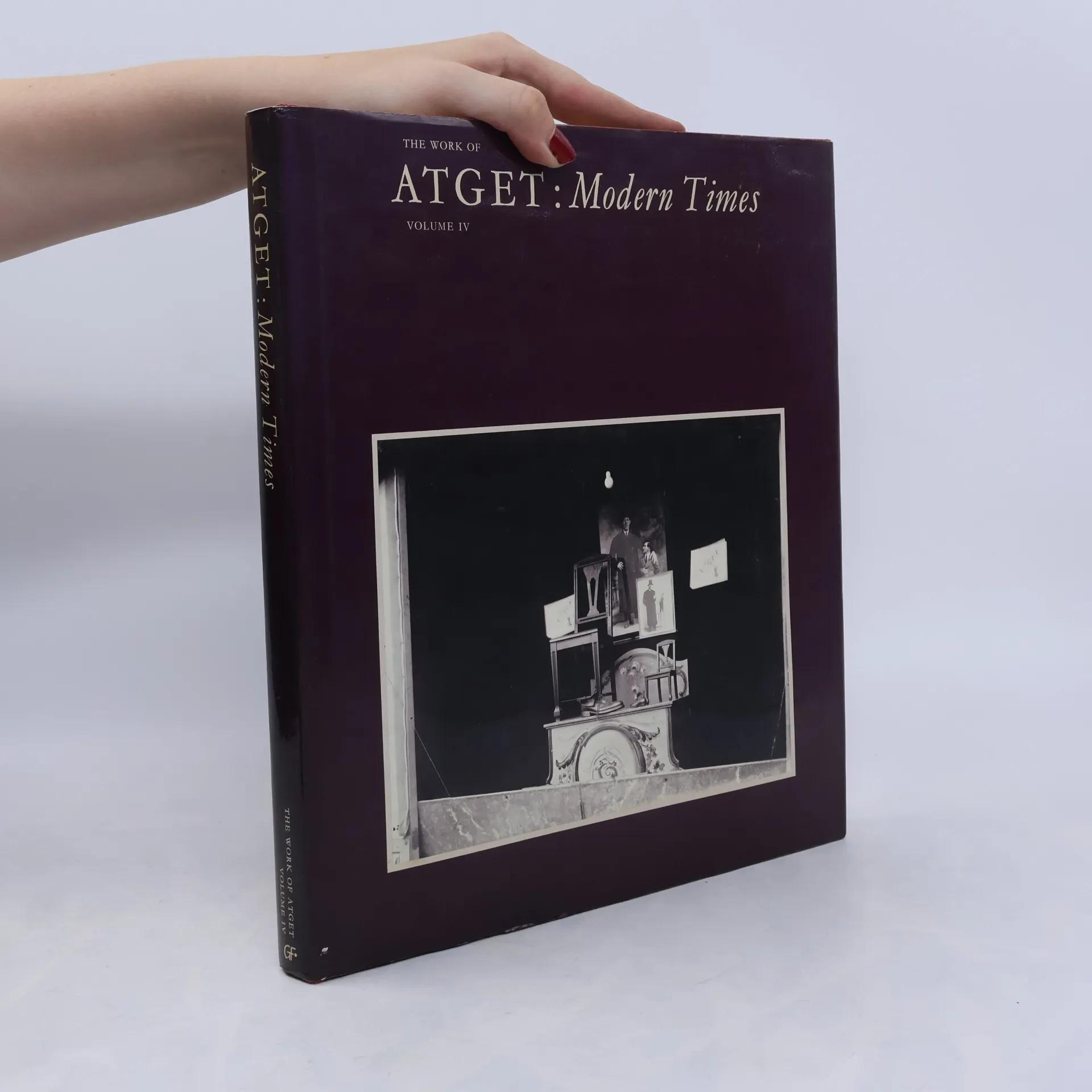
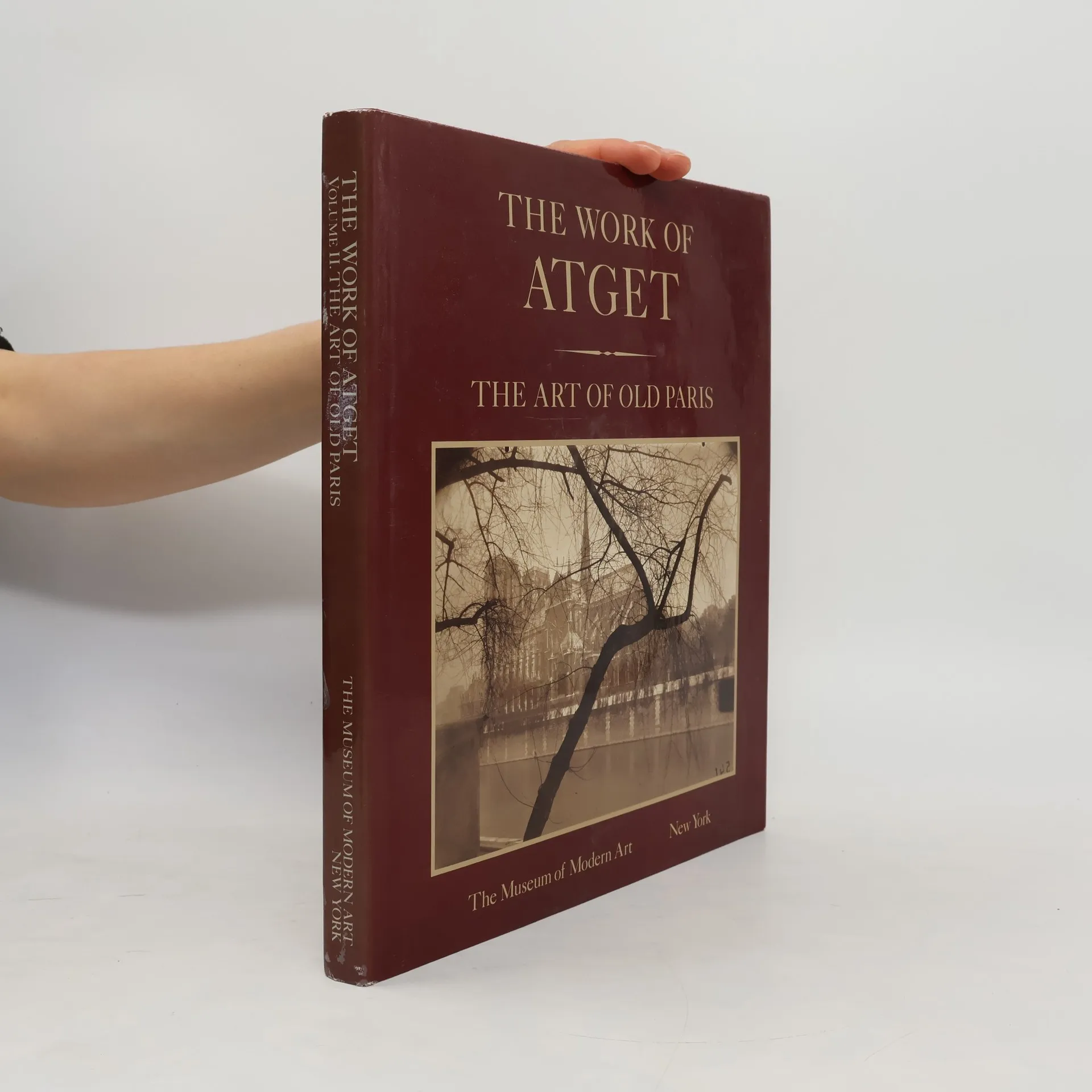

First edition, first printing. Hardcover. Photographs by Eugene Atget. Essay and notes to the plates by Maria Morris Hambourg. Appendixes include Berenice Abbott's typewritten copy of André Calmette's handwritten letter to her (late 1928). Maroon cloth with debossed title blind-stamped on cover and in gilt on spine, with dust jacket. 192 pp. with 116 plates and 84 black and white reference illustrations. Printed by The Meriden Gravure Company from halftone negatives made by Richard Benson. 12 x 10 1/2 inches.
Walker Evans
- 125 Seiten
- 5 Lesestunden
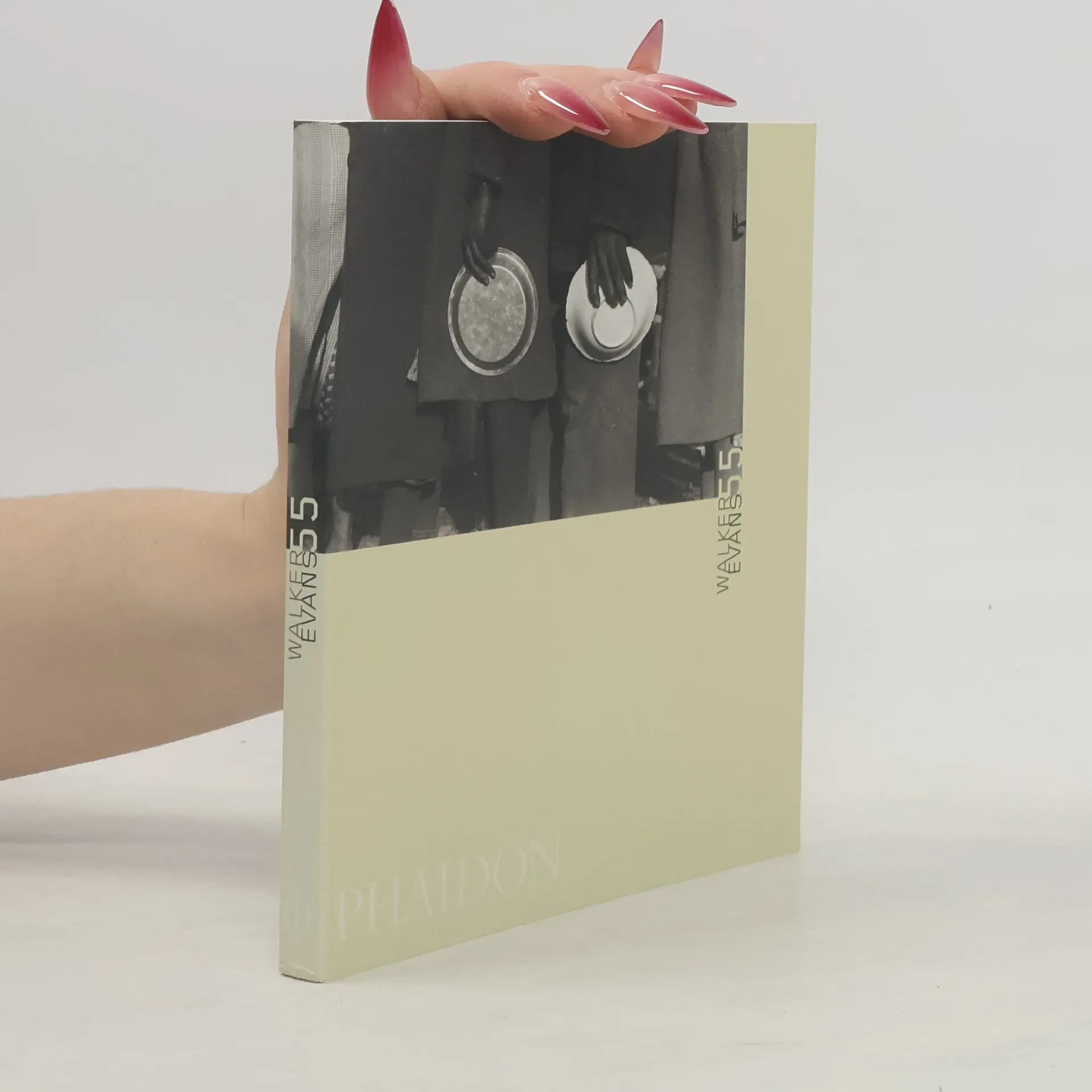
Walker Evans (1903-1975) war einer der bedeutendsten und einflussreichsten Künstler des zwanzigsten Jahrhunderts, dessen Fotografien unser Verständnis der modernen Ära prägen. Er arbeitete in allen Genres und Formaten, in Schwarz-Weiß und Farbe, doch zwei Leidenschaften blieben konstant: Literatur und die gedruckte Seite. Während seine fotografischen Bücher zu den einflussreichsten der Geschichte des Mediums zählen, bleiben Evans' flüchtigere Seiten weitgehend unbekannt. Von kleinen avantgardistischen Publikationen bis hin zu Mainstream-Titeln wie Harper’s Bazaar, Vogue, Architectural Forum, Life und Fortune produzierte er innovative und unabhängige Journalismus, oft indem er eigene Aufträge vergab, seine Seiten bearbeitete, schrieb und gestaltete. Walker Evans: the Magazine Work präsentiert viele seiner Fotoessays in voller Länge und versammelt die ungeschriebene Geschichte dieses Schaffens, wodurch wir sehen können, wie er seine Autonomie schützte, seinen Lebensunterhalt verdiente und ein Publikum weit über Museen und Galerien hinaus fand.
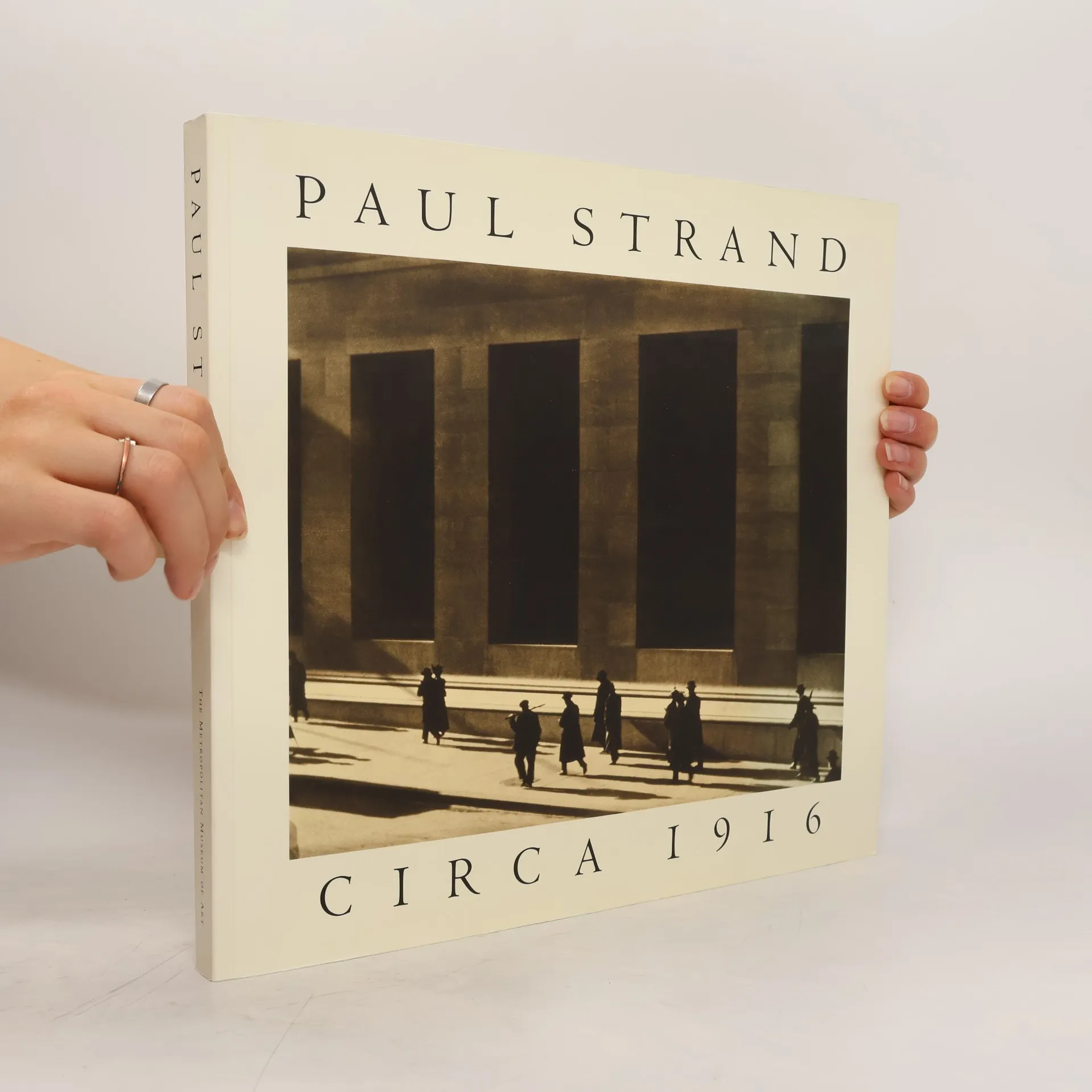
Published to accompany an exhibition at The Metropolitan Museum of Art, New York, from February 1998, this is a study of the achievements of the early career of the American photographer, Paul Strand (1890-1976). After studying photography in New York with the social reformer Lewis Hine, Strand began to absorb the ideas of the European avant-garde, and fellow-photographer and art entrepreneur Alfred Stieglitz heralded Strand's pictures as the first images of an incisive modern vision.