

Stella Kramrisch Bücher
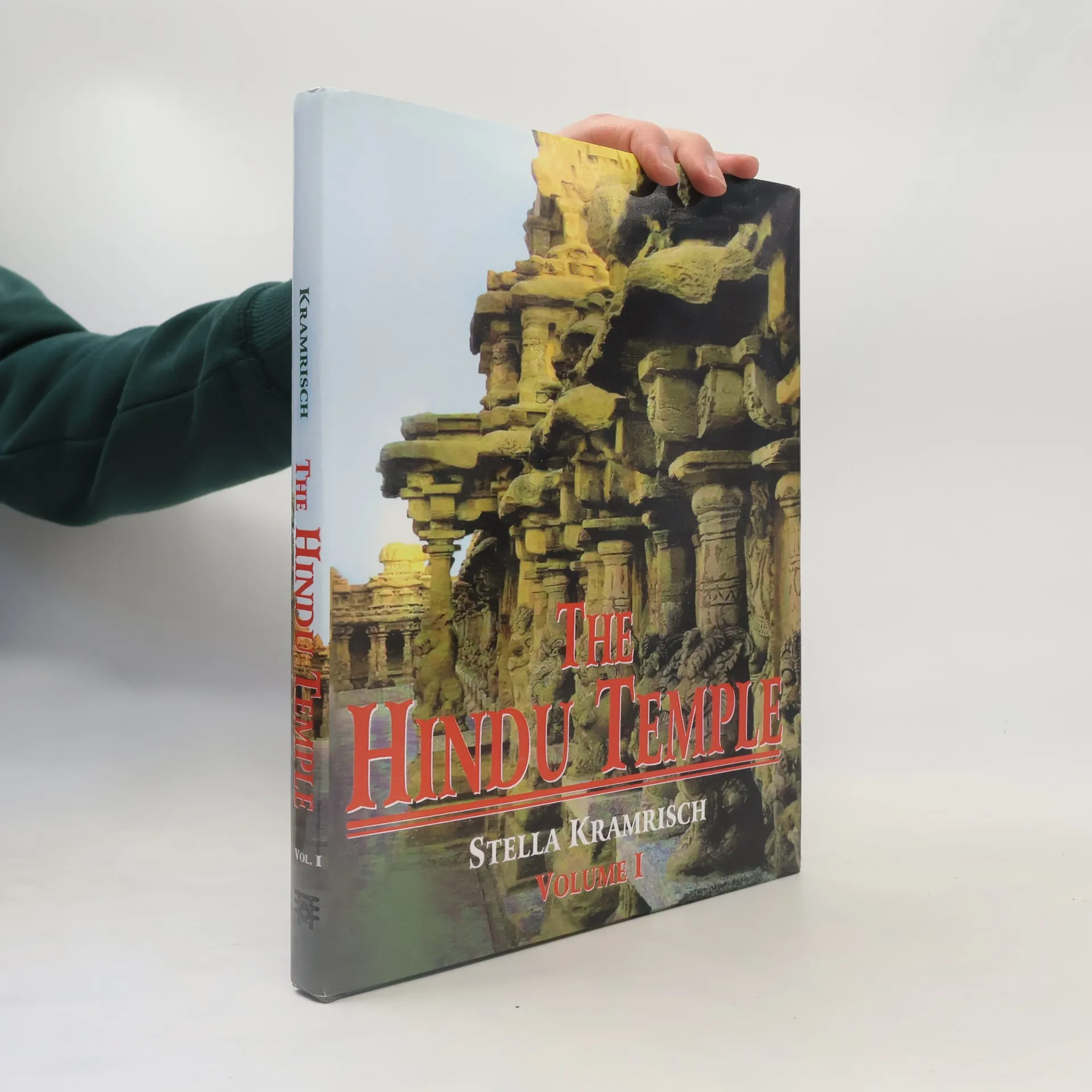
The Hindu Temple
- 547 Seiten
- 20 Lesestunden
This two-volume work explores the religious and spiritual significance of the temple through extensive references to both sacred and scientific Sanskrit texts. It portrays the Hindu Temple as a symbol of the aspirations of devoted individuals, reflecting their heartfelt religious fervor and pursuit of salvation. The first four parts focus on the philosophy of temple architecture, while subsequent sections trace the temple's evolution from Vedic fire altars to contemporary forms. The work examines various architectural styles, including pyramidal and curvilinear superstructures, and discusses the intricate details of the Sikhara, including its relationship with Gavaksas and composite designs. Additionally, it delves into the proportional measurements and rhythmic arrangement of the garbha-grha and vertical sections, as well as the Mandapa's proportions and temple types outlined in ancient texts like the Brhatsamhita and the Samaranganasutradhara. This comprehensive and authoritative treatise on ancient Indian Temple Architecture serves as an invaluable resource for students of ancient Indian culture. The contents include sections on the site, plan, materials, superstructure, and images of the temple, along with an appendix, sources, and an index, complemented by illustrative plates.
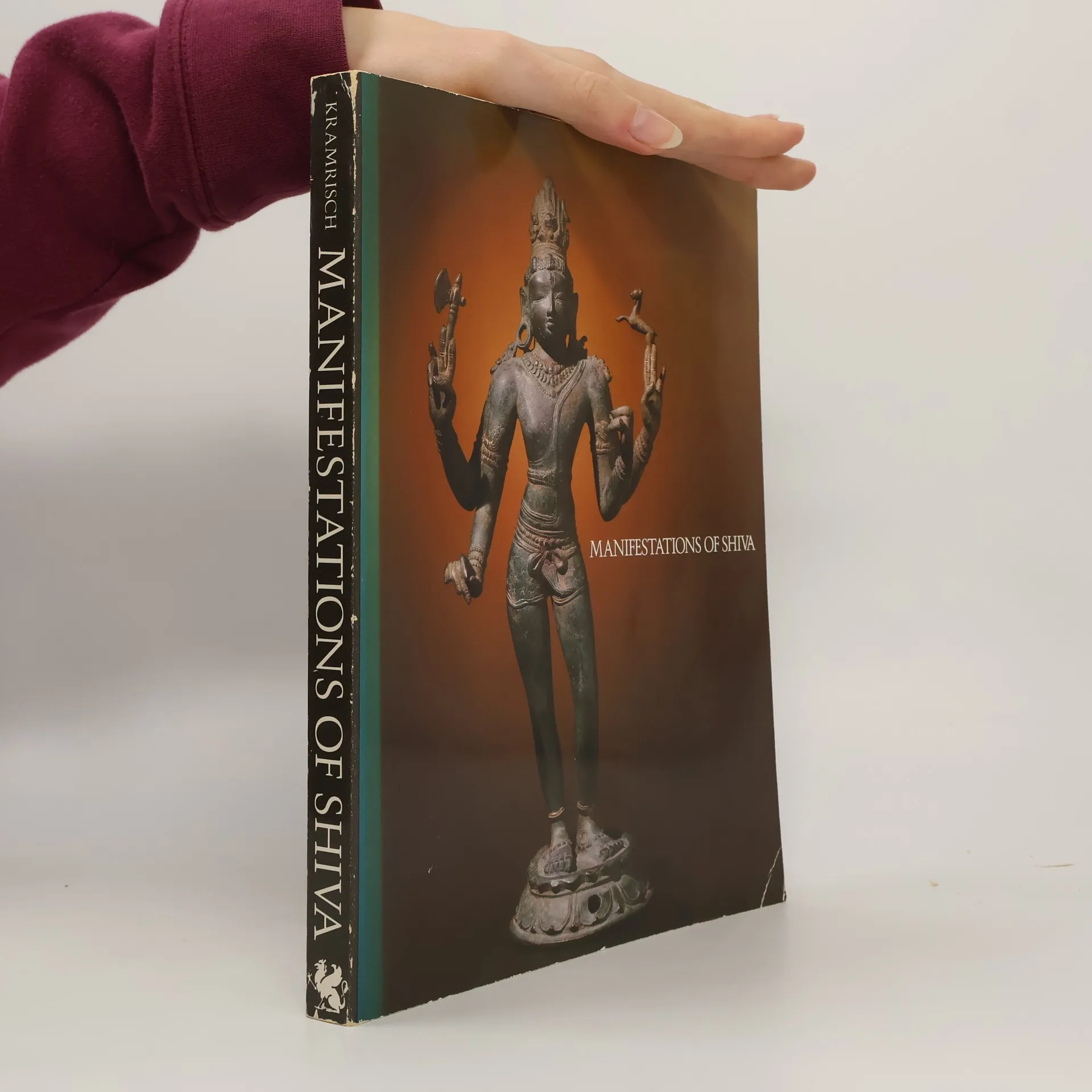
Manifestations of Shiva
- 245 Seiten
- 9 Lesestunden
Book by Kramrisch, Stella
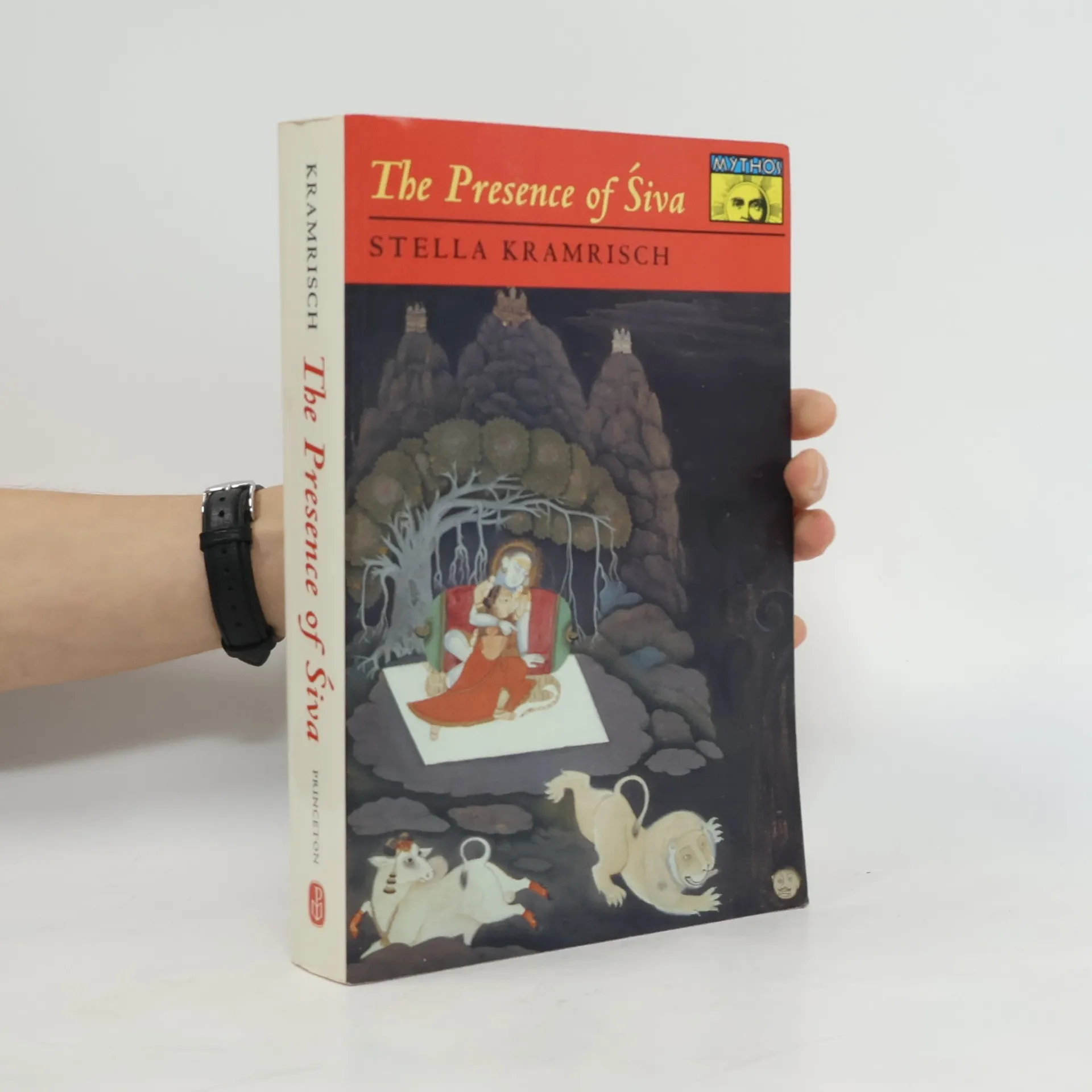
The Presence of Siva
- 568 Seiten
- 20 Lesestunden
One of the three great gods of Hinduism, Siva is a living god. The most sacred and most ancient book of India, The Rg Veda, evokes his presence in its hymns; Vedic myths, rituals, and even astronomy testify to his existence from the dawn of time. In a lively meditation on Siva--based on original Sanskrit texts, many translated here for the first time--Stella Kramrisch ponders the metaphysics, ontology, and myths of Siva from the Vedas and the Puranas. Who is Siva? Who is this god whose being comprises and transcends everything? From the dawn of creation, the Wild God, the Great Yogi, the sum of all opposites, has been guardian of the absolute. By retelling and interweaving the many myths that keep Siva alive in India today, Kramrisch reveals the paradoxes in Siva's nature and thus in the nature of consciousness itself.