
Bookbot

Francis Storr

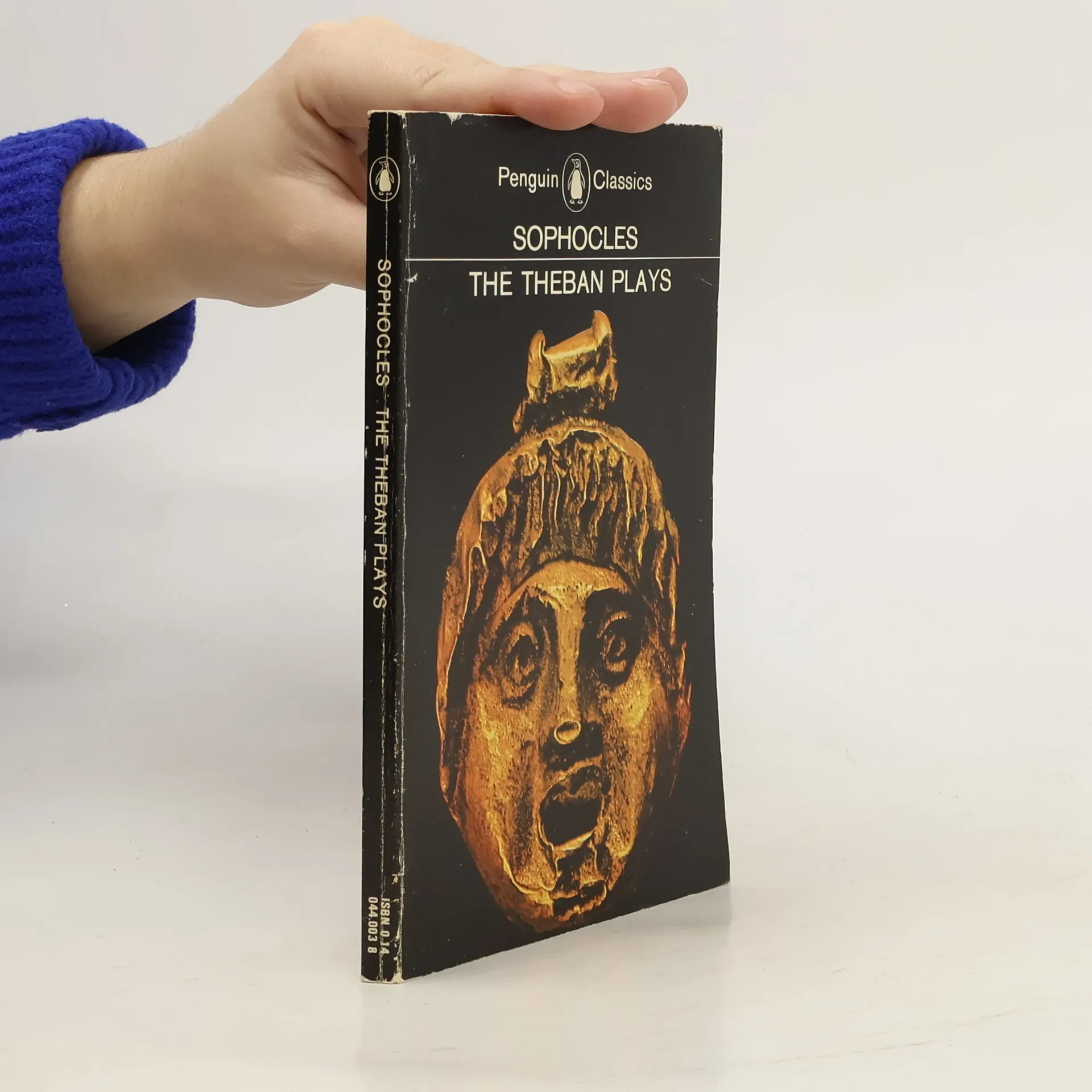
    The Theban plays
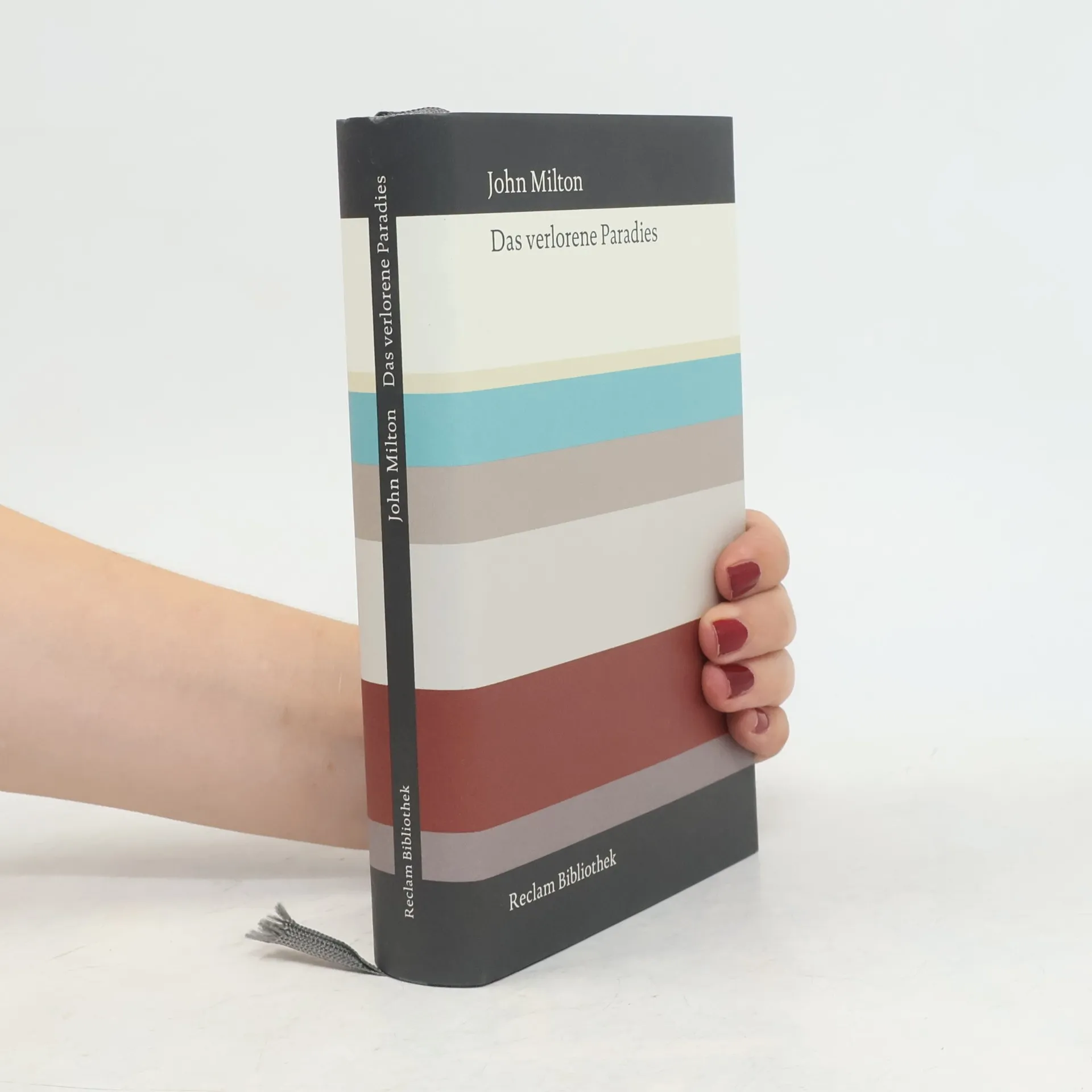
    Das verlorene Paradies
    • Großartig erzählt Milton den tragischen Fall des Menschengeschlechts: Satan und sein Gefolge haben sich gegen Gott erhoben, wurden besiegt und zur Strafe in die Hölle verbannt. Sie errichten dort das Pandämonium, die Heimstatt aller gefallenen Engel, und beschließen, Gott von nun an durch List und Trug zu bekämpfen und ihn in seinem neuen Lieblingsgeschöpf zu treffen, den Menschen zu verführen und so Gottes Ratschluss zu durchkreuzen. Das bedeutendste religiöse Werk angelsächsischer Dichtkunst des 17. Jahrhunderts! John Dryden setzt Milton im Vorwort zur 4. Auflage auf eine Stufe mit Homer und Vergil und schreibt, Milton hätte mit seiner Dichtung beide übertroffen, macht ihn somit zum größten epischen Dichter aller Zeiten. Mit dem Bilderzyklus von Gustave Doré.

      Das verlorene Paradies
      4,3
    • The legends surrounding the royal house of Thebes inspired Sophocles to create a powerful trilogy of mankind's struggle aginst fate. KING OEDIPUS tells of a man who brings pestilence to Thebes for crimes he doesn't realise he has committed, and then inflicts a brutal punishment on himself. It is a devastating portrayl of a ruler brought down by his own oath. OEDIPUS AT COLONUS provides a fitting conclusion to the life of the aged and blinded king, while ANTIGONE depicts the fall of the next generation through the conflict between a young woman ruled by her conscience and a king too confident in his own authority.

      The Theban plays
      3,9