This work presents the timeless verses of Omar Khayyam, celebrated for their philosophical depth and exploration of life, love, and the passage of time. The collection features a series of quatrains that reflect on existential themes, blending mysticism with keen observation of the human experience. Khayyam's eloquent poetry invites readers to ponder the nature of existence and the fleeting moments of joy, making this a profound meditation on life’s transience and beauty.
Edward FitzGerald Reihenfolge der Bücher (Chronologisch)
31. März 1809 – 14. Juni 1883


English Poetry II
Collins to Fitzgerald: The Five Foot Shelf of Classics, Vol. XLI (in 51 Volumes)
- 518 Seiten
- 19 Lesestunden
This extensive 51-volume collection features seminal writings in literature, philosophy, history, and mythology, curated by Charles William Eliot, Harvard's longest-serving president. Known as "Dr. Eliot's Five Foot Shelf," it embodies his vision that a fundamental liberal education can be achieved through a carefully selected anthology. Originally published between 1909 and 1917 as the "Harvard Classics," the set aims to provide readers with a comprehensive foundation of essential texts that fit within a five-foot bookshelf.
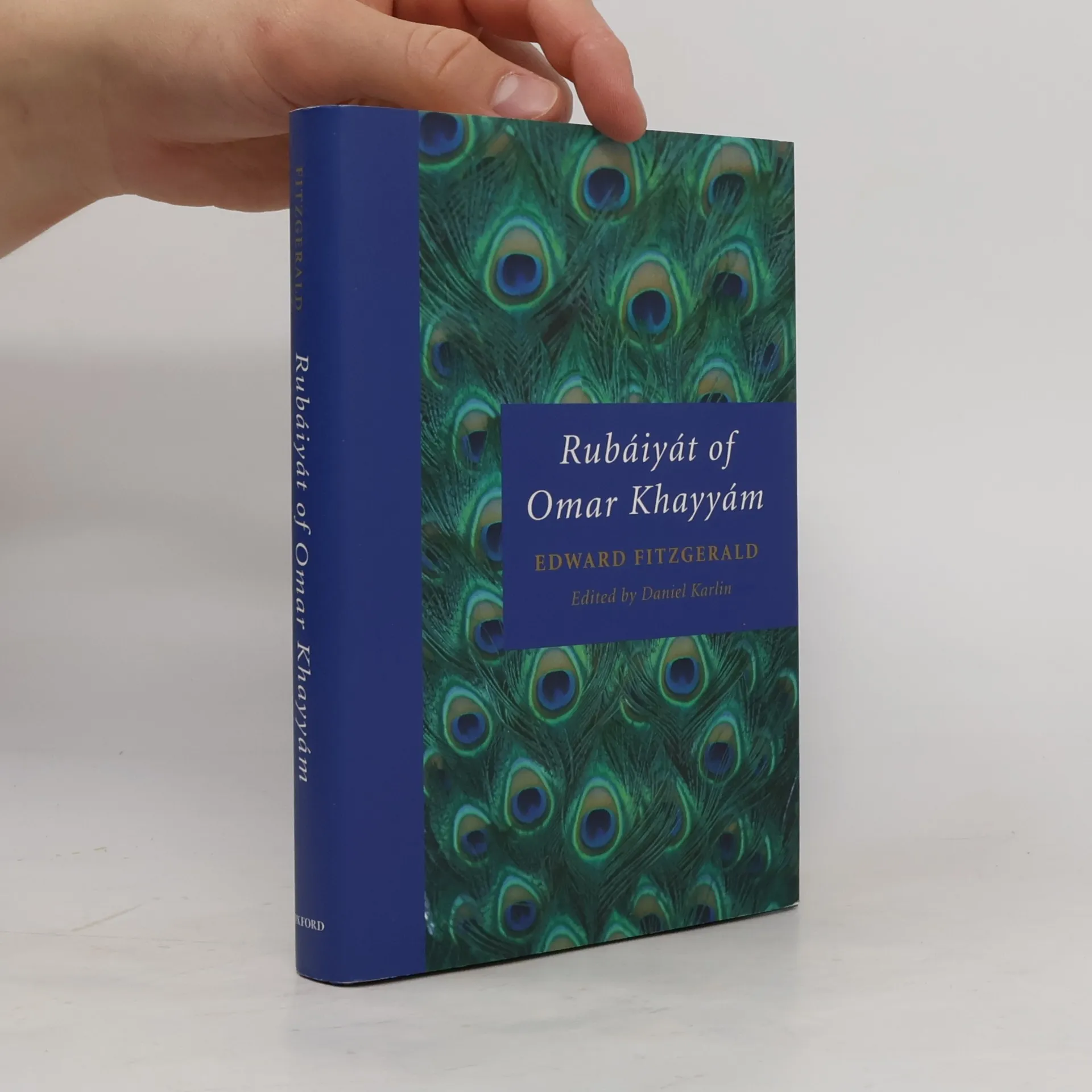
Oxford World's Classics: Rubáiyát of Omar Khayyám
- 167 Seiten
- 6 Lesestunden
'The Moving Finger writes; and, having writ, Moves on: nor all thy Piety nor Wit Shall lure it back to cancel half a Line, Nor all thy Tears wash out a Word of it.' In the 'rub--aacute--;iy--aacute--;t' (short epigrammatic poems) of the medieval Persian poet, mathematician, and philosopher Omar Khayy--aacute--;m, Edward FitzGerald saw an unflinching challenge to the illusions and consolations of mankind in every age. His version of Omar is neither a translation nor an independent poem; sceptical of divine providence and insistent on the pleasure of the passing moment, its 'Orientalism' offers FitzGerald a powerful and distinctive voice, in whose accents a whole Victorian generation comes to life. Although the poem's vision is bleak, it is conveyed in some of the most beautiful and haunting images in English poetry - and some of the sharpest-edged. The poem sold no copies at all on its appearance in 1859, yet when it was 'discovered' two years later its first readers and admirers included Dante Gabriel Rossetti, Swinburne, and Ruskin. By the end of the century it was one of the best-known poems in the English language. Daniel Karlin's richly annotated edition does justice to the scope and complexity of FitzGerald's lyrical meditation on 'human death and fate'.
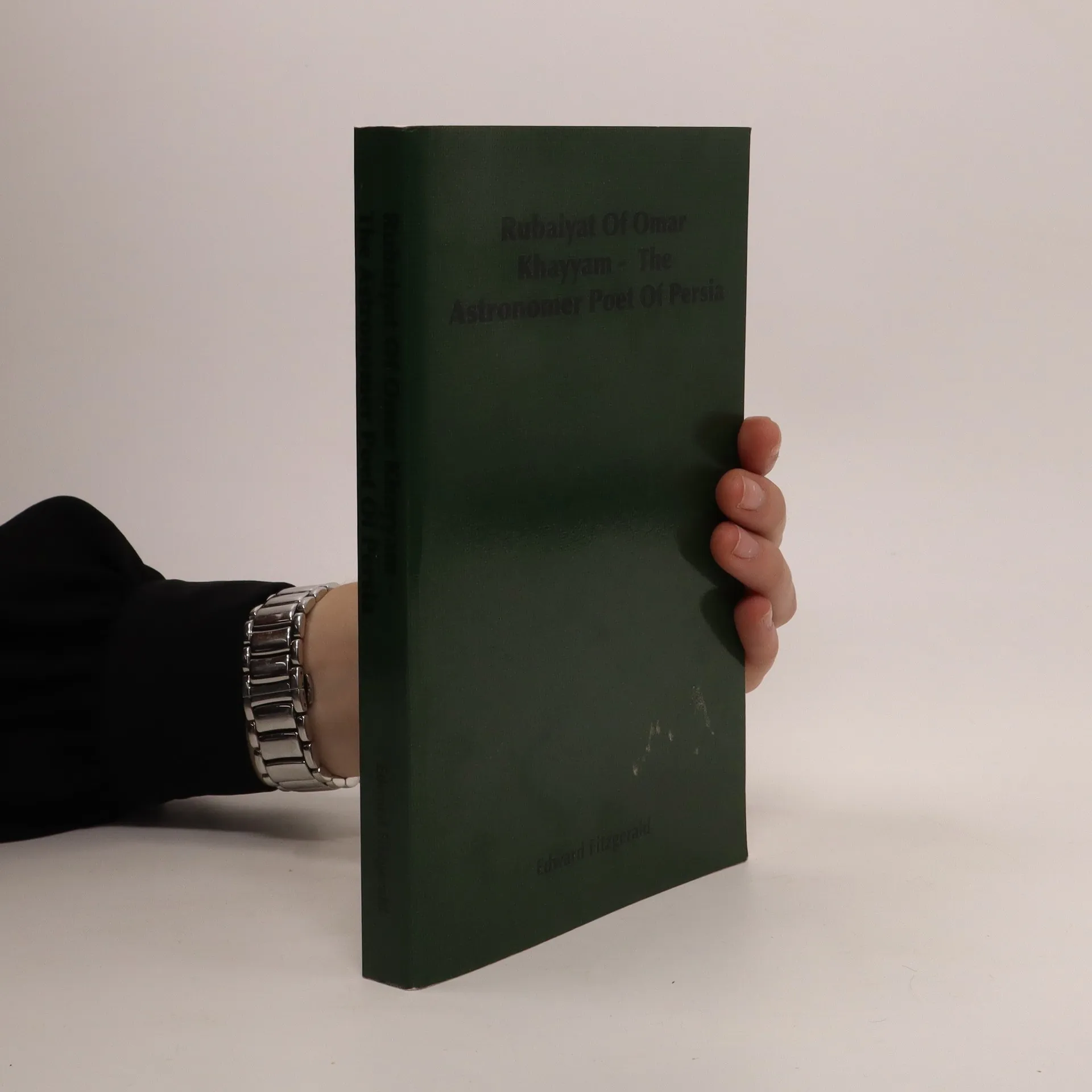
Rubaiyat Of Omar Khayyam- The Astronomer Poet Of Persia
- 296 Seiten
- 11 Lesestunden
Originally published in 1913. Author: Henri Lichtenberger Language: English Keywords: History Many of the earliest books, particularly those dating back to the 1900s and before, are now extremely scarce and increasingly expensive. Obscure Press are republishing these classic works in affordable, high quality, modern editions, using the original text and artwork.Keywords: English Keywords 1900s Language English Artwork
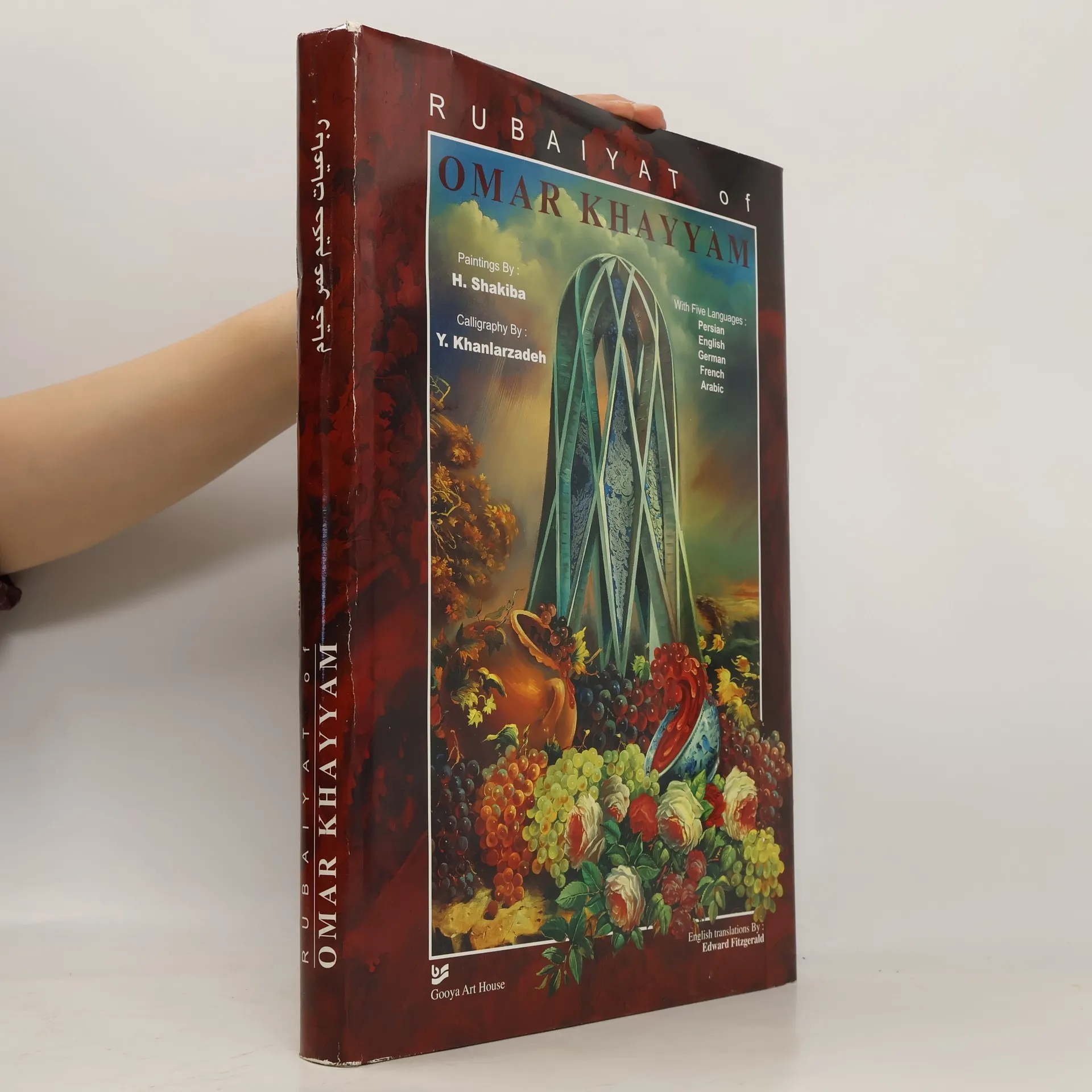
Rubaiyat of Omar Khayyam
- 275 Seiten
- 10 Lesestunden
A repository of subversive, melancholic, and existentialist themes, the rubaiyat (quatrains) attributed to the 12th-century Persian astronomer Omar Khayyam have enchanted readers for centuries. These poems explore universal questions such as the meaning of life, fate, and how to live a good life in the face of human mortality. This collection reveals why these singular poems have resonated with a diverse audience, from the wine houses of medieval Iran to the poets of Western twentieth-century modernism.