Focusing on the rich tradition of Persian poetry, this collection features English translations of works by renowned poets Nima, Hafez, Saadi, and Rumi, along with Abbas Kiarostami's thematic anthology, Night. The compilation also includes Kiarostami's original verses from his earlier volumes. This comprehensive anthology highlights the director's deep appreciation for poetry and its cultural significance, showcasing both classical and contemporary voices in a single, accessible format.
Abbas Kiarostami Reihenfolge der Bücher (Chronologisch)
Abbas Kiarostami gilt als eine der bedeutendsten Figuren des zeitgenössischen Films, berühmt für seinen einzigartigen autorschaftlichen Ansatz. Seine Werke, die oft aus dem Alltag und menschlichen Beziehungen schöpfen, zeichnen sich durch poetische Beobachtung und tiefe Introspektion aus. Kiarostami verbindet visuelle Kunst und filmisches Erzählen und erforscht die Grenzen zwischen Realität und Fiktion. Sein lebenslanger Glaube an die Kraft der Kunst und die Kreativität des Geistes hat seinen unverwechselbaren Stil geprägt und einen unauslöschlichen Eindruck im Filmschaffen hinterlassen.

With the Wind
- 240 Seiten
- 9 Lesestunden
Original poetry showcases the artistic vision of Iranian filmmaker Abbas Kiarostami, reflecting his unique perspective on life and art. The collection captures profound emotions and thoughts, offering readers a glimpse into Kiarostami's creative mind. Translated by Iman Tavassoly and Paul Cronin, the poems maintain the essence of Kiarostami's voice while making them accessible to a wider audience. This work invites readers to explore the intersection of film and poetry through the lens of a celebrated artist.
Kiarostami brochure
- 36 Seiten
- 2 Lesestunden
The brochure offers an in-depth exploration of the works and influence of acclaimed Iranian filmmaker Abbas Kiarostami. It highlights his innovative storytelling techniques, aesthetic choices, and the philosophical themes present in his films. The document also provides insights into his impact on cinema, as well as his contributions to art and literature, showcasing his unique ability to blend reality with fiction. Through a detailed analysis, readers gain a greater appreciation for Kiarostami's legacy and the cultural context of his work.
Lessons with Kiarostami
- 186 Seiten
- 7 Lesestunden
Abbas Kiarostami, renowned Iranian film director, has dedicated the past twenty years to mentoring emerging filmmakers at festivals and campuses. His hands-on approach involves guiding them through the filmmaking process, from project development to hands-on shooting, followed by screenings and discussions of their work. This engagement not only showcases his commitment to nurturing new talent but also reflects his influence on the next generation of filmmakers.
A Wolf on Watch
- 314 Seiten
- 11 Lesestunden
The collection features original poetry by renowned Iranian filmmaker Abbas Kiarostami, showcasing his unique voice and artistic vision. Translated by Iman Tavassoly and Paul Cronin, this work offers readers an intimate glimpse into Kiarostami's reflections on life, art, and the human experience, blending cinematic sensibilities with poetic expression. The translations aim to preserve the essence of Kiarostami's writing, making his profound insights accessible to a wider audience.
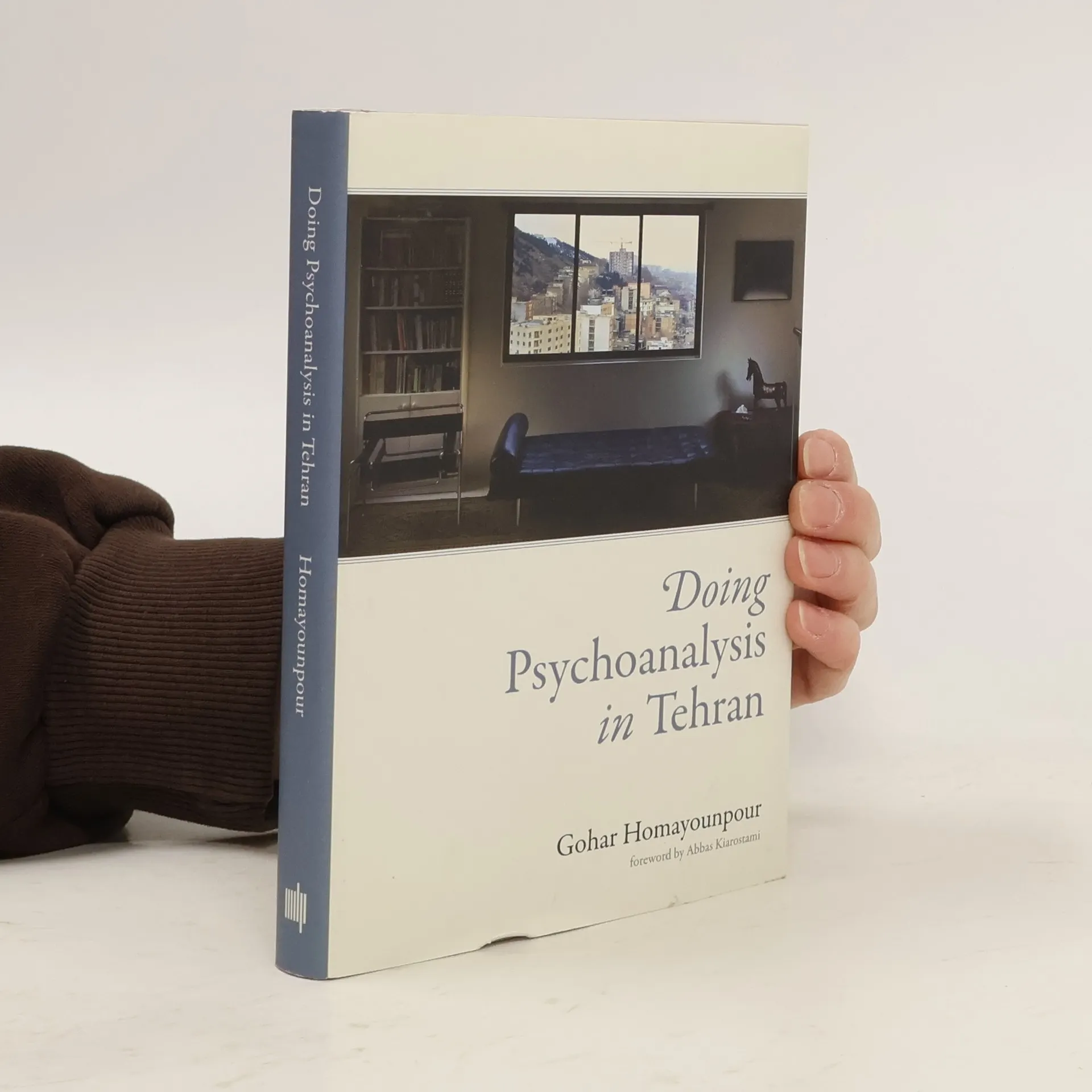
Doing Psychoanalysis in Tehran
- 176 Seiten
- 7 Lesestunden
Is psychoanalysis possible in the Islamic Republic of Iran? This question drives Gohar Homayounpour's memoir of displacement, nostalgia, love, and pain. After twenty years abroad, the Iranian, Western-trained psychoanalyst returns to Tehran to establish her practice. When an American colleague doubts Iranians can free-associate, Homayounpour asserts that they do nothing but, as their culture is steeped in storytelling. This sets the stage for a rich narrative that mirrors a psychoanalytic session. Homayounpour shares the complexities of returning to her homeland, her admiration for Milan Kundera's work, and her intricate relationship with her father, who translated Kundera into Persian. She also explores the anxieties of influence and disobedience among Iranians. Interwoven are candid glimpses of her sometimes challenging sessions with patients: Ms. N, a renowned artist, grapples with abandonment; a young woman in a chador feels shame after losing her virginity; and a suicidal young man struggles with his desire to live. As a psychoanalyst, Homayounpour recognizes that each story shared often conceals another untold narrative. Through her work, she connects the spoken and unspoken experiences of ordinary Iranians, revealing the depth of their lives in the limited time of each session.
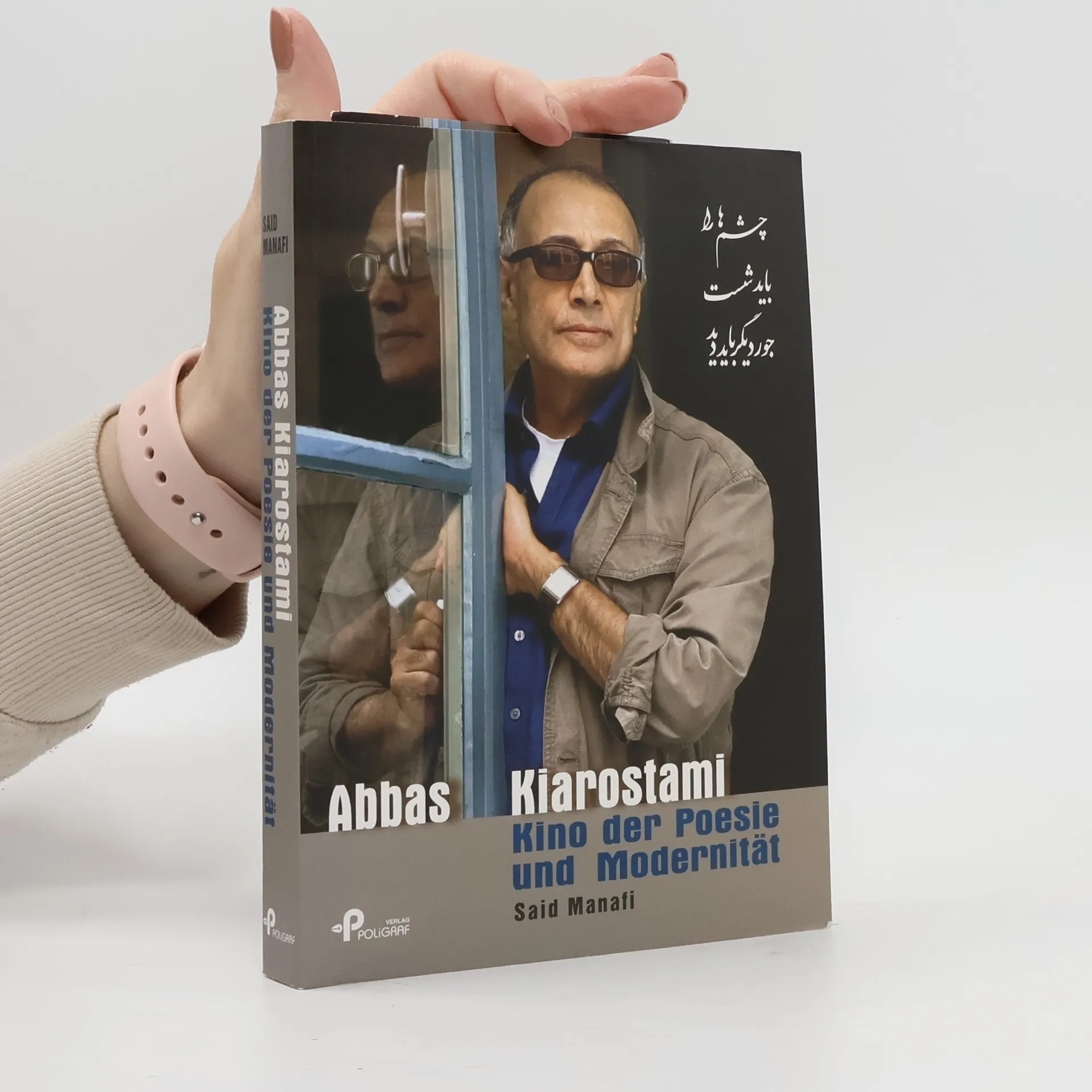
Abbas Kiarostami. Kino der Poesie und Modernität
- 433 Seiten
- 16 Lesestunden
Wind and Leaf
- 382 Seiten
- 14 Lesestunden
The collection features original poetry by renowned Iranian filmmaker Abbas Kiarostami, showcasing his unique voice and artistic vision. Translated by Iman Tavassoly and Paul Cronin, the poems reflect themes of beauty, existence, and the human experience, offering readers a glimpse into Kiarostami's profound thoughts and emotions. The collaboration between the translators and Kiarostami enriches the text, making it accessible to a wider audience while preserving the essence of the original work.
My Sister, Guard Your Veil; My Brother, Guard Your Eyes
Uncensored Iranian Voices
- 132 Seiten
- 5 Lesestunden
In this groundbreaking anthology, Lila Azam Zanganeh explores the complexities of Iran, challenging the simplistic narratives that dominate American perceptions. Contributors like Azar Nafisi and Marjane Satrapi present a multifaceted view of a nation often misrepresented as either a member of the "axis of evil" or a place of youthful rebellion. This collection aims to dismantle cultural and political clichés, featuring diverse topics such as feminism, sexuality, and political dissent under the Islamic Republic. Reza Aslan clarifies that Iran is better described as a "mullahcracy" than a theocracy, while Mehrangiz Kar discusses how the Iranian Revolution sparked a feminist movement. Azadeh Moaveni uncovers Tehran's underground parties and sexual culture, and Gelareh Asayesh addresses the racial identity of Iranians in America. Naghmeh Zarbafian reflects on the experience of reading censored literature, and Roya Hakakian reminisces about the joyful past of Iranian Jews. With a compelling introduction by Zanganeh, this collection seeks to reshape understanding of Iran, revealing the intricate realities of its society—caught between political Islam, modern media, and stark social inequalities.
In Begleitung des Windes. Gedichte
- 240 Seiten
- 9 Lesestunden
Abbas Kiarostami, der iranische Filmregisseur, veröffentlichte 1999 seine erste Gedichtsammlung "Hamrah ba bad". Sie umfasst 221 kurze Gedichte, die Natur und menschliches Leben thematisieren. Die Gedichte bilden einen Zyklus, der den Leser durch Landschaften und Jahreszeiten führt und zur Achtsamkeit einlädt.