

Londa Schiebinger ist eine herausragende Wissenschaftshistorikerin, deren Werk das komplexe Zusammenspiel von wissenschaftlichem Fortschritt und gesellschaftlichen Kräften untersucht. Sie erforscht, wie Imperien die Weichenstellungen der wissenschaftlichen Erkundung beeinflusst haben und wie im Gegenzug wissenschaftliche Erkenntnisse maßgeblich zur Förderung der kolonialen Expansion und Ressourcennutzung beitrugen. Ihre Forschung hebt die entscheidende Rolle der Pflanzenentdeckung bei der Gestaltung des globalen Handels und Verständnisses hervor.
Eighteenth-century natural historians created a peculiar, and peculiarly durable, vision of nature--one that embodied the sexual and racial tensions of that era. When plants were found to reproduce sexually, eighteenth-century botanists ascribed to them passionate relations, polyandrous marriages, and suicidal incest, and accounts of steamy plant sex began to infiltrate the botanical literature of the day. Naturalists also turned their attention to the great apes just becoming known to eighteenth-century Europeans, clothing the females in silk vestments and training them to sip tea with the modest demeanor of English matrons, while imagining the males of the species fully capable of ravishing women.
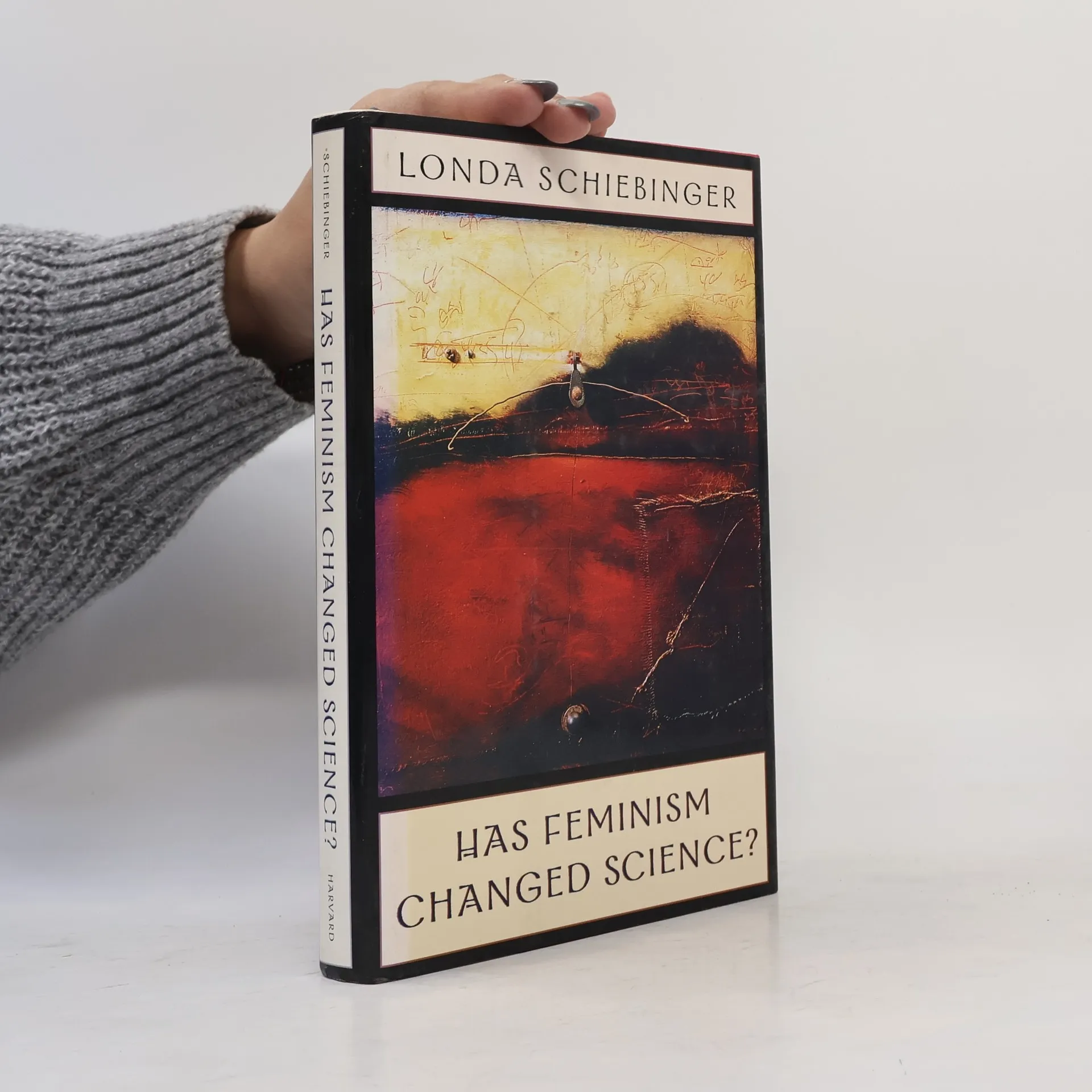
Do women do science differently? And how about feminists--male or female? The answer to this fraught question, carefully set out in this provocative book, will startle and enlighten every faction in the "science wars." "Has Feminism Changed Science?" is at once a history of women in science and a frank assessment of the role of gender in shaping scientific knowledge. Science is both a profession and a body of knowledge, and Londa Schiebinger looks at how women have fared and performed in both instances. She first considers the lives of women scientists, past and present: How many are there? What sciences do they choose--or have chosen for them? Is the professional culture of science gendered? And is there something uniquely feminine about the science women do? Schiebinger debunks the myth that women scientists--because they are women--are somehow more holistic and integrative and create more cooperative scientific communities. At the same time, she details the considerable practical difficulties that beset women in science, where domestic partnerships, children, and other demanding concerns can put women's (and increasingly men's) careers at risk. But what about the content of science, the heart of Schiebinger's subject? Have feminist perspectives brought any positive changes to scientific knowledge? Schiebinger provides a subtle and nuanced gender analysis of the physical sciences, medicine, archaeology, evolutionary biology, primatology, and developmental biology. She also shows that feminist scientists have developed new theories, asked new questions, and opened new fields in many of these areas.