Über die Krise der Demokratie wurde in den vergangenen Jahren viel geredet. Doch wie geht es weiter? Ist Rettung in Sicht? Donatella della Porta zeigt in ihrem neuen Buch als eine der weltweit besten Kennerinnen sozialer Bewegungen, welche progressive Kraft sie entwickelt haben und auch in Zukunft entwickeln können. Nicht auf die Eliten und die etablierten Parteien ist zu hoffen, wenn es um neue Ideen und Veränderungen geht, sondern auf Bewegungen und Protestformationen, auf Bürgerinnen und Bürger. So sind etwa in Spanien Podemos und in Bolivien Movimiento al Socialismo an die Stelle etablierter Parteien getreten. In Island und Irland wurden Bürgerversammlungen initiiert, die sich an Verfassungsprozessen beteiligten. Diese Beispiele zeigen, dass die Demokratie der ständigen Erneuerung bedarf. Und gerade in Krisenzeiten bieten sich Gelegenheiten für einen Wandel.
Donatella della Porta Bücher




How Social Movements Can Save Democracy
- 224 Seiten
- 8 Lesestunden
The birth of democracies owes much to the interventions and mobilizations of ordinary people. Yet many feel as though they have inherited democratic institutions which do not deliver for the people – that a rigid democratic process has been imposed from above, with increasing numbers of people feeling left out or left behind. In this well-researched volume, leading political sociologist Donatella della Porta rehabilitates the role social movements have long played in fostering and deepening democracy, particularly focusing on progressive movements of the Left which have sought to broaden the plurality of voices and knowledge in democratic debate. Bridging social movement studies and democratic theory, della Porta investigates contemporary innovations in times of crisis, particularly those in the direction of participatory and deliberative practices – ‘crowd-sourced constitutions’, referendums from below and movement parties – and reflects on the potential and limits of such alternative politics. In a moment in which concerns increase for the potential disruption of a Great Regression led by xenophobic movements and parties, the cases and analyses of resistance in this volume offer important material for students and scholars of political sociology, political science and social movement studies.
Transnational Protest and Global Activism
- 336 Seiten
- 12 Lesestunden
In this book, two titans of social movement scholarship bring together the best current research on the nexus between the local and the global in translating the global justice movement into action at the grass roots, and vice versa. Using recent cases of transnational contention_from the European Social Forum in Florence to the Argentinean human rights movement and British environmentalists, from movement networks in Bristol and Glasgow to the Zapatistas_the original chapters by distinguished scholars presented in this volume adapt current social movement theory to what appears to be a new cycle of protest developing around the globe.
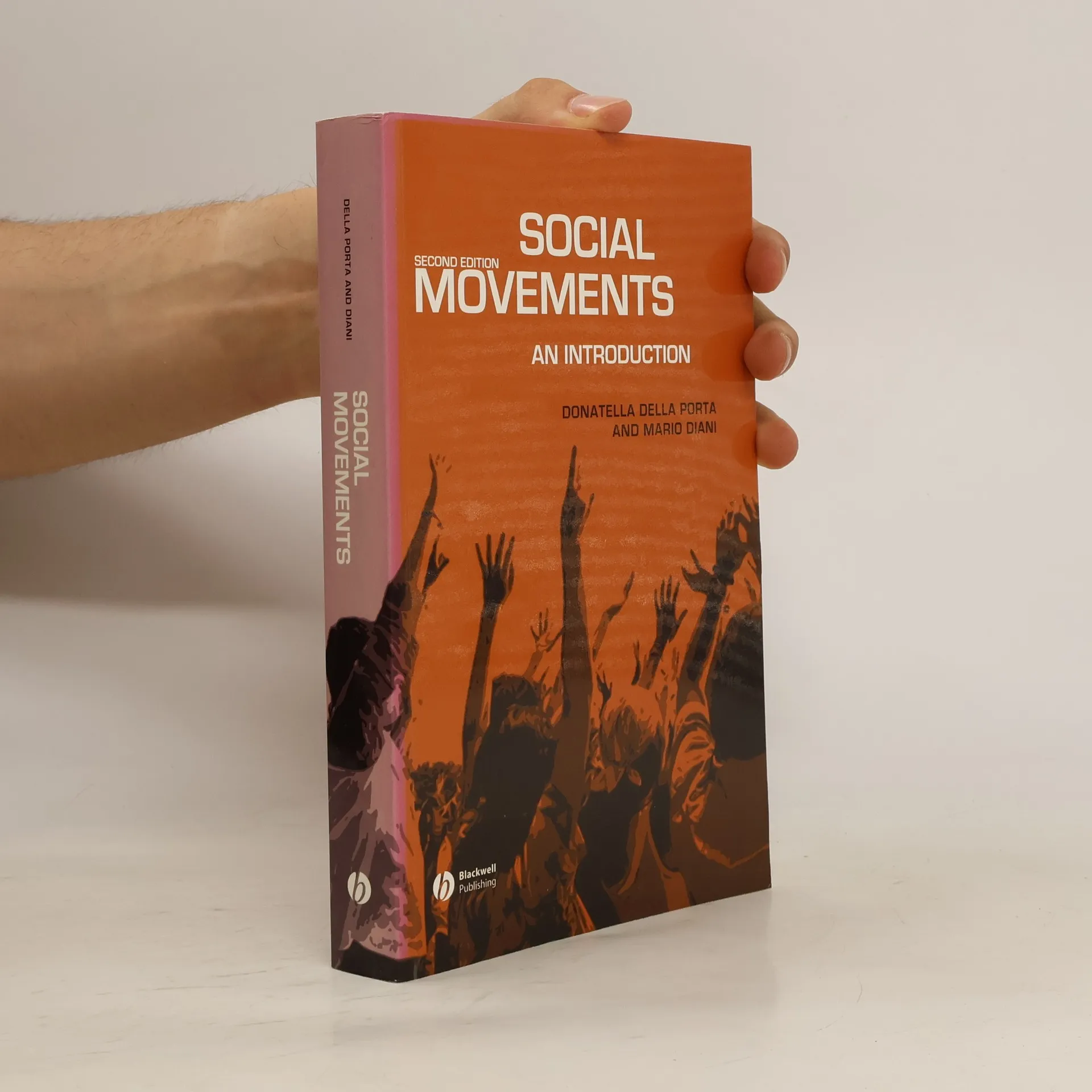
Social Movements is a comprehensive introduction and critical analysis of collective action in society today. In this new edition, the authors have updated all chapters with the most recent scientific literature, expanded on topics such as individual motivations, new media, public policies, and governance.
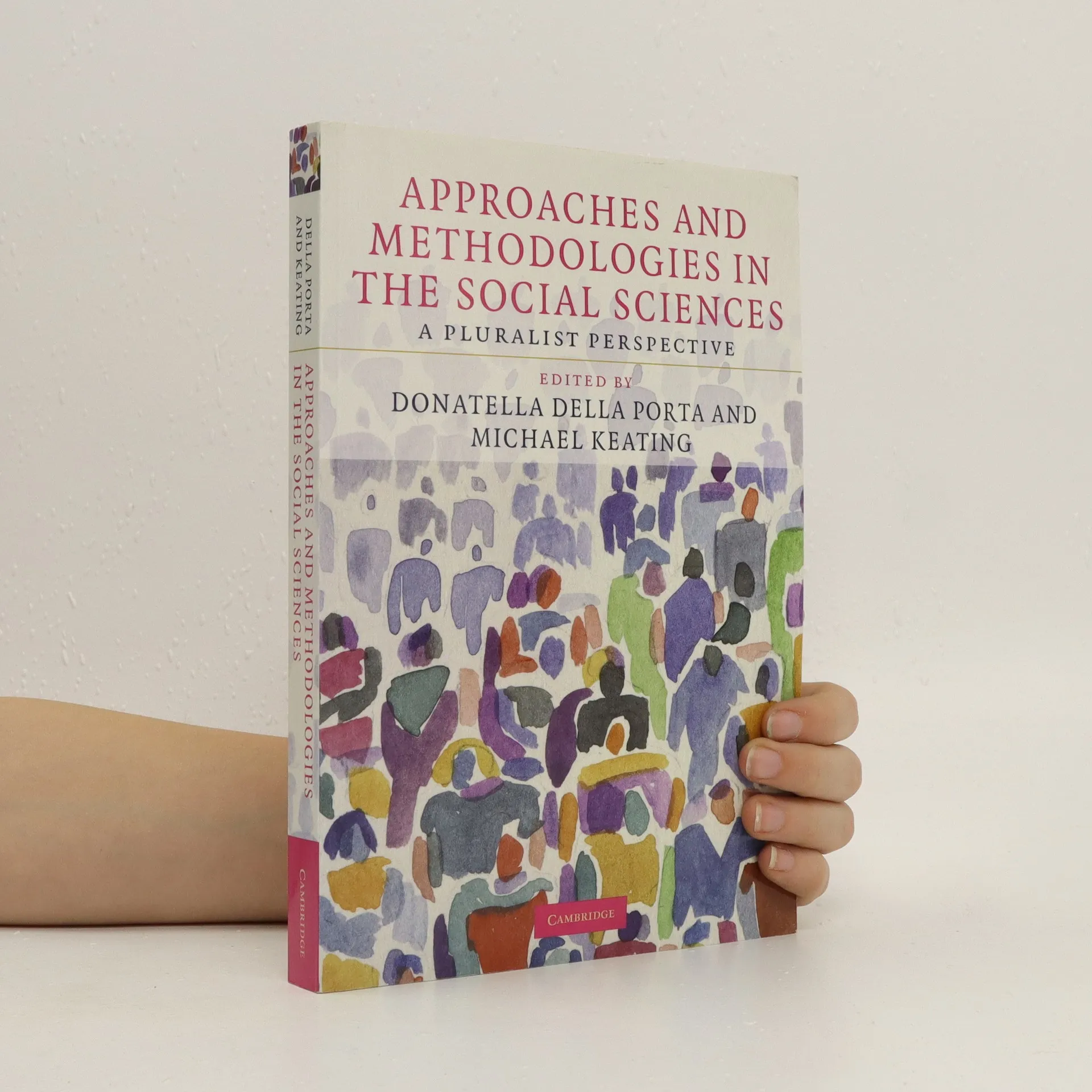
A revolutionary new textbook introducing masters and doctoral students to the major research approaches and methodologies in the social sciences. Written by an outstanding set of scholars, and derived from successful course teaching, this volume will empower students to choose their own approach to research, to justify this approach, and to situate it within the discipline. It addresses questions of ontology, epistemology and philosophy of social science, and proceeds to issues of methodology and research design essential for producing a good research proposal. It also introduces researchers to the main issues of debate and contention in the methodology of social sciences, identifying commonalities, historic continuities and genuine differences.
Scienza politica
- 525 Seiten
- 19 Lesestunden
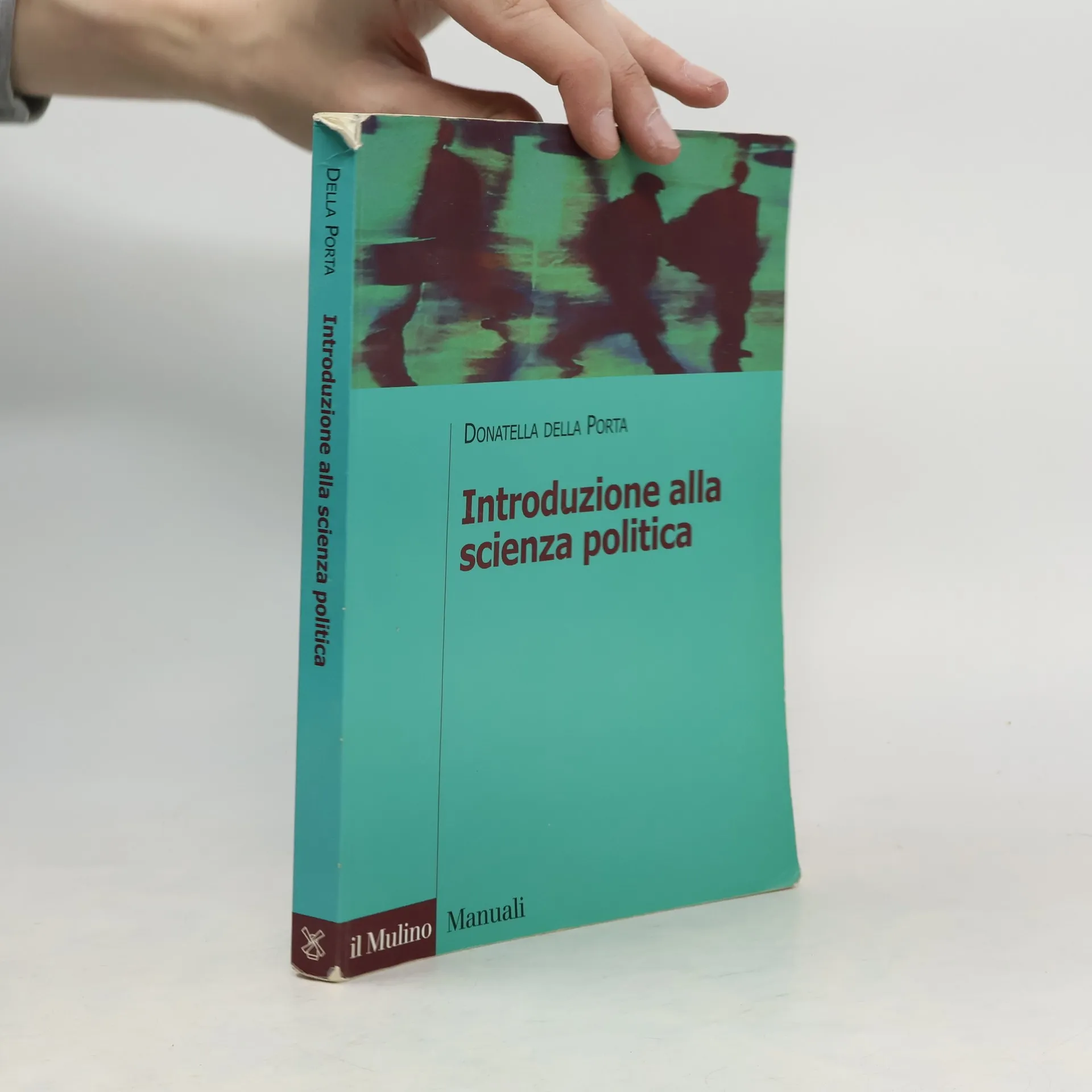
Il volume, presentato in una nuova edizione aggiornata, offre una panoramica completa delle tematiche fondamentali della scienza politica. I primi capitoli definiscono la disciplina, delineando oggetto, metodo e linee evolutive. Vengono analizzate le architetture politiche, i regimi e la loro successione storica, insieme ai repertori e agli attori della partecipazione politica. Successivamente, il testo descrive le principali istituzioni della democrazia rappresentativa e l'implementazione delle politiche pubbliche. Infine, si esplora la dimensione dello stato nazionale e le sue interazioni internazionali. L'indice comprende temi come la metodologia della ricerca politica, le democrazie e i regimi non democratici, la partecipazione politica, i gruppi di pressione, i partiti politici, la comunicazione politica, le elezioni, i parlamenti, i governi, le burocrazie pubbliche, il potere giudiziario e le politiche pubbliche. Gli autori, esperti nel campo della scienza politica e della sociologia, hanno pubblicato diverse opere significative, contribuendo in modo sostanziale al dibattito accademico.
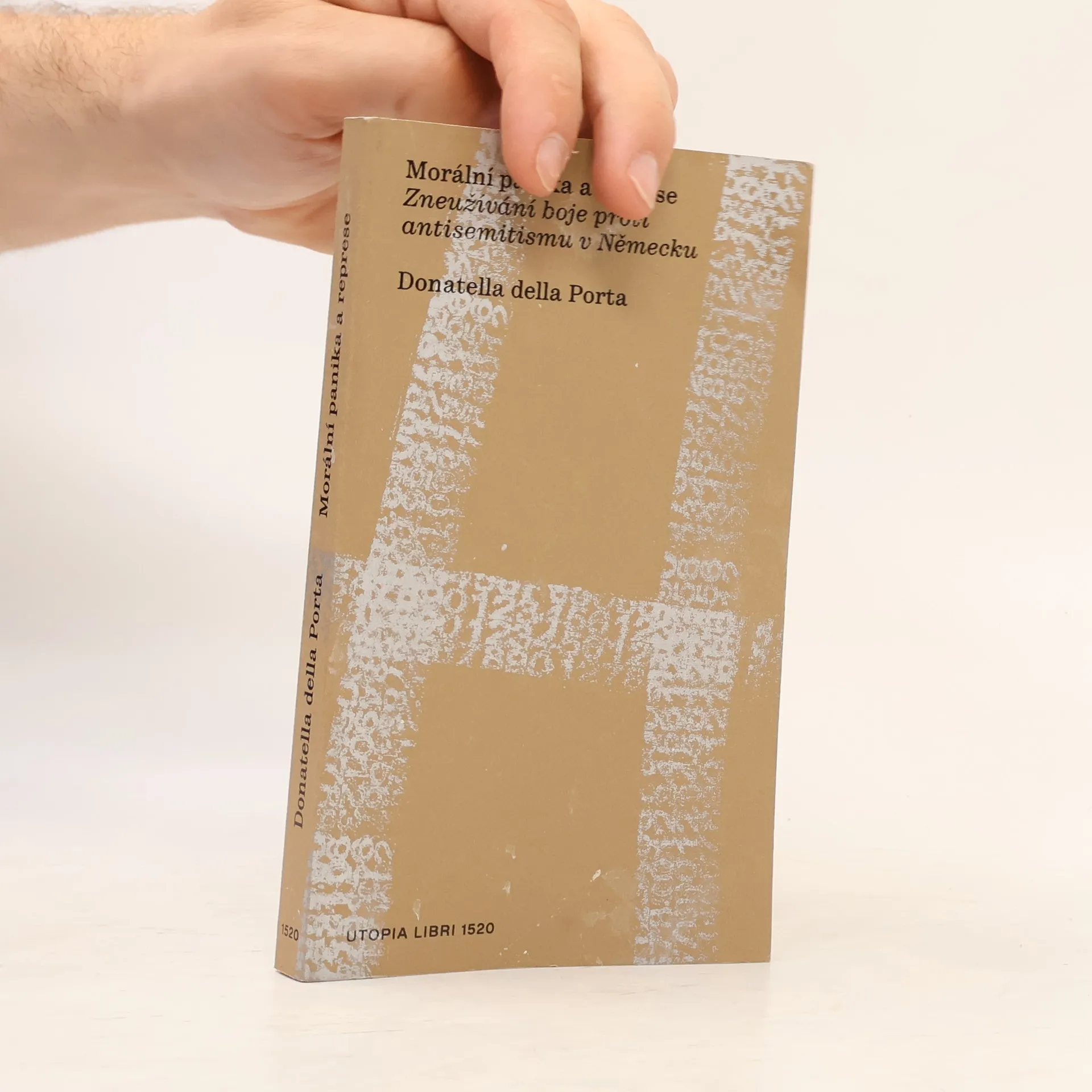
Morální panika a represe: Zneužívání boje proti antisemitismu v Německu
- 184 Seiten
- 7 Lesestunden
Křivá obvinění z antisemitismu, cancel culture a dědictví viny za holocaust – to vše podle socioložky Donatelly della Porta vytvořilo v současném Německu atmosféru represivní morální paniky, která přispívá k potlačování projevů nesouhlasu a manipulaci veřejné debaty. Po 7. říjnu 2023 tak čelilo hnutí solidarity s Palestinou a mnoho nesionistických Židů a Židovek tlaku, jaký byl v liberální demokracii donedávna jen těžko představitelný. Kniha mapuje podoby této paniky a představuje jednotlivé případy. Jakkoli je německá situace ojedinělá svou šíří i intenzitou, kultura křivých obvinění z antisemitismu a represivní morální paniky (nejen) vůči hnutí solidarity s Palestinou je rozšířeným fenoménem, jehož rozvoj můžeme pozorovat např. v Trumpových USA, a jak ukazují Ondřej Slačálek a Eva Svatoňová v doslovu k českému vydání, zapouští kořeny i v Česku.
Introduzione alla scienza politica
- 231 Seiten
- 9 Lesestunden