Die Cambridge-Enzyklopädie der Sprache
- 478 Seiten
- 17 Lesestunden
Übers. u. Bearb. d. dt. Ausgabe Röhrich, Stefan ; Böckler, Ariane ; Jansen, Manfred. Zahlr. Abb., Ktn. IX, 478 S.


David Crystal ist ein herausragender Linguist und Autor, dessen Werk sich tiefgehend mit der englischen Sprache befasst. Seine Forschung konzentriert sich auf sorgfältige Analysen von Intonation, Stilistik und den praktischen Anwendungen der Linguistik in verschiedenen Bereichen, darunter Religion, Bildung und klinische Kontexte. Crystals Schriften werden für ihre tiefgründigen Einblicke und Klarheit bei der Untersuchung der Nuancen und der Entwicklung der Sprache geschätzt. Durch seine umfangreichen Veröffentlichungen und Vorträge leistet er einen bedeutenden Beitrag zu einem tieferen Verständnis sprachlicher Prozesse und ihrer gesellschaftlichen Auswirkungen.

Übers. u. Bearb. d. dt. Ausgabe Röhrich, Stefan ; Böckler, Ariane ; Jansen, Manfred. Zahlr. Abb., Ktn. IX, 478 S.
„Die Sprache erst macht uns zum Menschen“, davon ist David Crystal überzeugt. In den vierzig Kapiteln seines Buches zeigt er die vielen Facetten des Phänomens Sprache auf. Seine Betrachtungen reichen von den ersten Worten eines Kleinkinds über literarische Sprache bis hin zu modernen Phänomenen wie Emoticons. Eine anschauliche, leicht verständliche Einführung in die Sprachwissenschaft - interessant, anekdotenreich und sehr unterhaltsam.
Paperback
This middle-English edition of Chaucer's great poem also includes notes, text summary, selected criticism, chronology of Chaucer's life and times and an on-page glossary. The editor presents Chaucer scholarship in an introduction, discussing the traditions and sources of the story, the themes of manhood and womanhood, and the role of fate in the lovers' tragedy.
David Crystal provides concise, accessible answers to fifty questions about English language usage. In this compact, user-friendly book, David Crystal draws on his extensive knowledge and experience to answer questions from English language teachers and learners from around the world. The book covers topics ranging from general enquiries about the language as a whole to specific points of grammar, pronunciation, orthography, vocabulary, idiom and style. The author's responses are illustrated by personal anecdotes, placed within historical and literary context and supported by research and corpus data to provide unique, authentic insights.
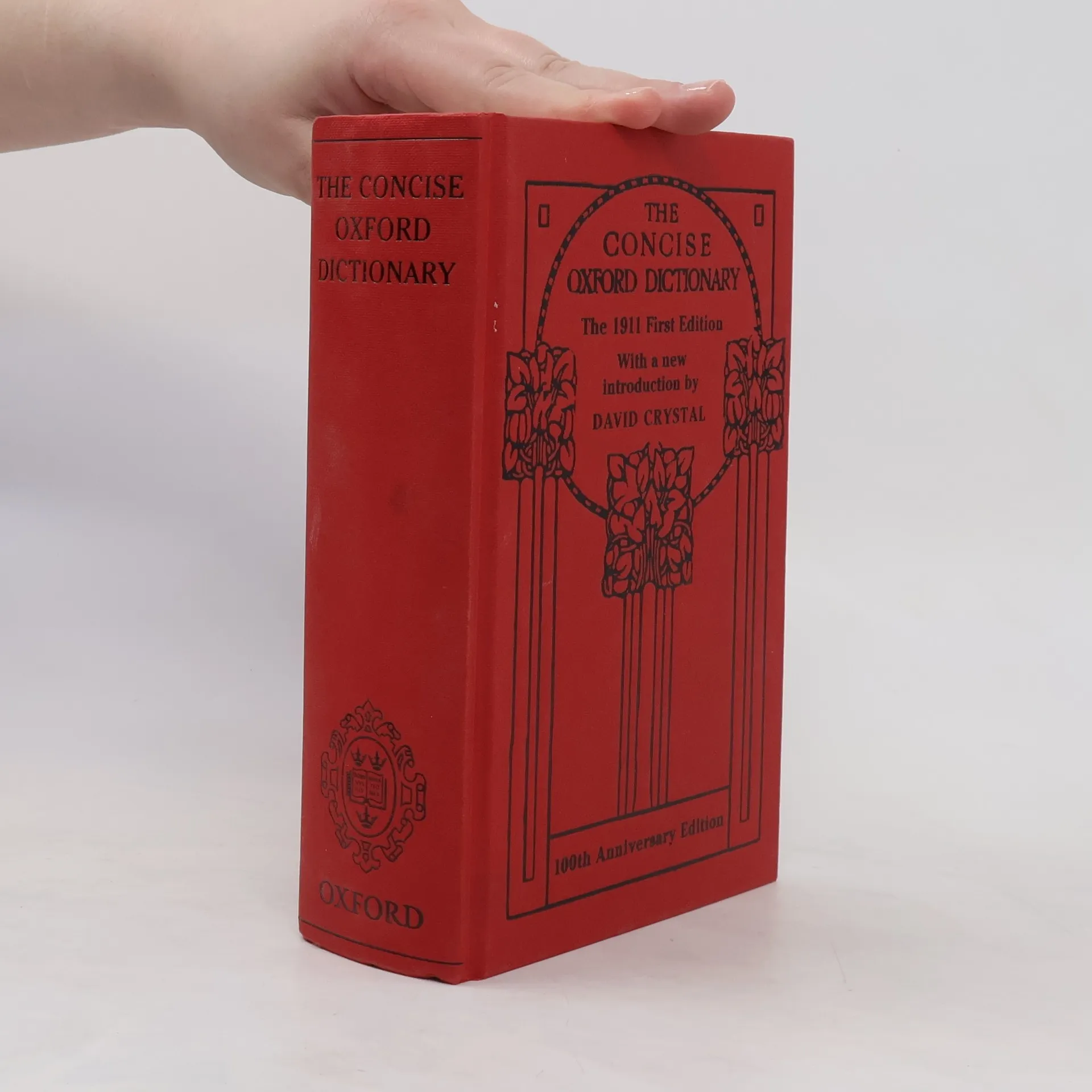
The Classic First Edition
The classic original edition of the Concise Oxford English Dictionary, first published in 1911 in a beautifully reproduced facsimile edition with a new introductory essay by David Crystal.
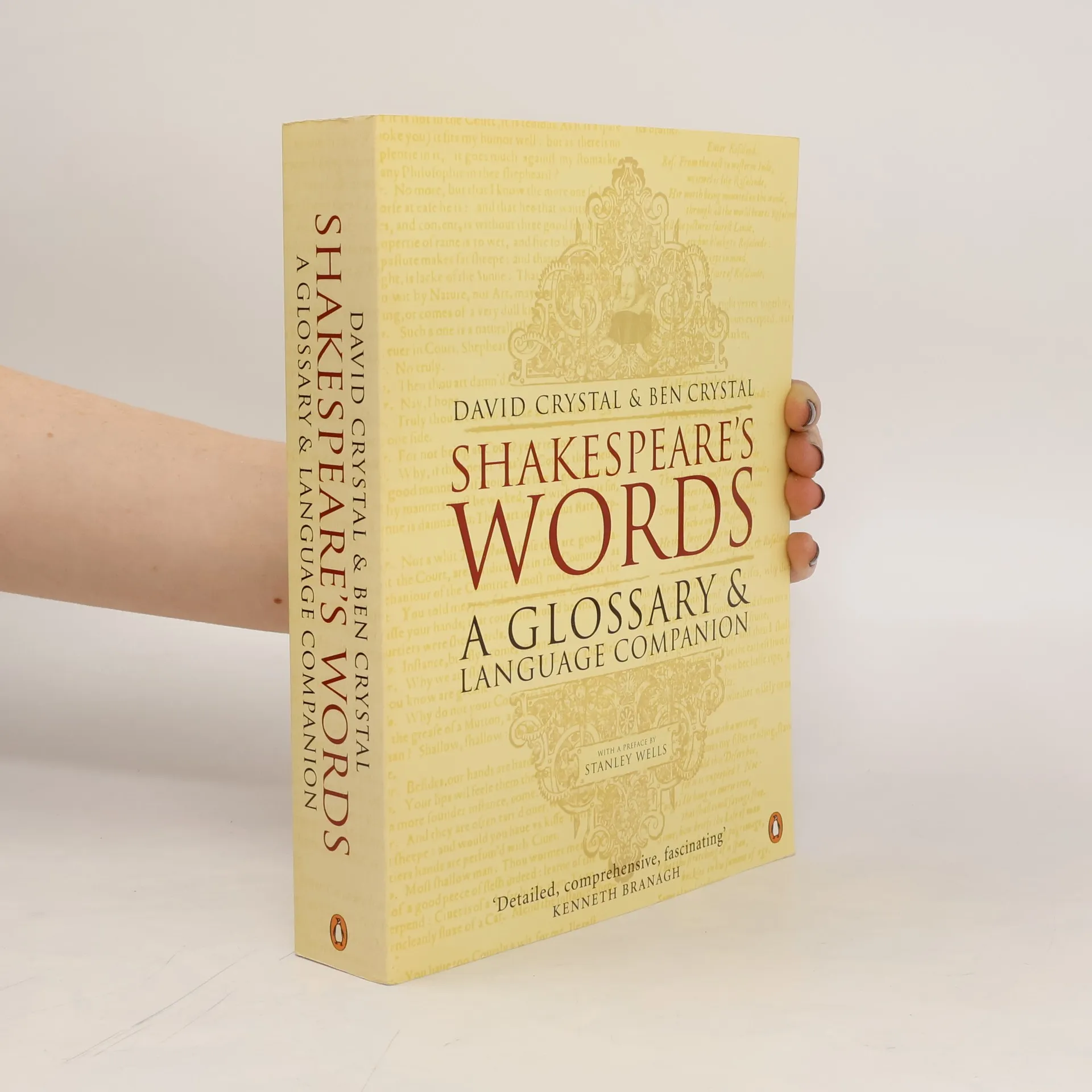
Suitable for scholars, students and actors, this book contains glosses and quotes for over 14,000 words that could be misunderstood by modern audience. It features different panels that look at such areas of Shakespeare's language as greetings, swear-words and terms of address. schovat popis
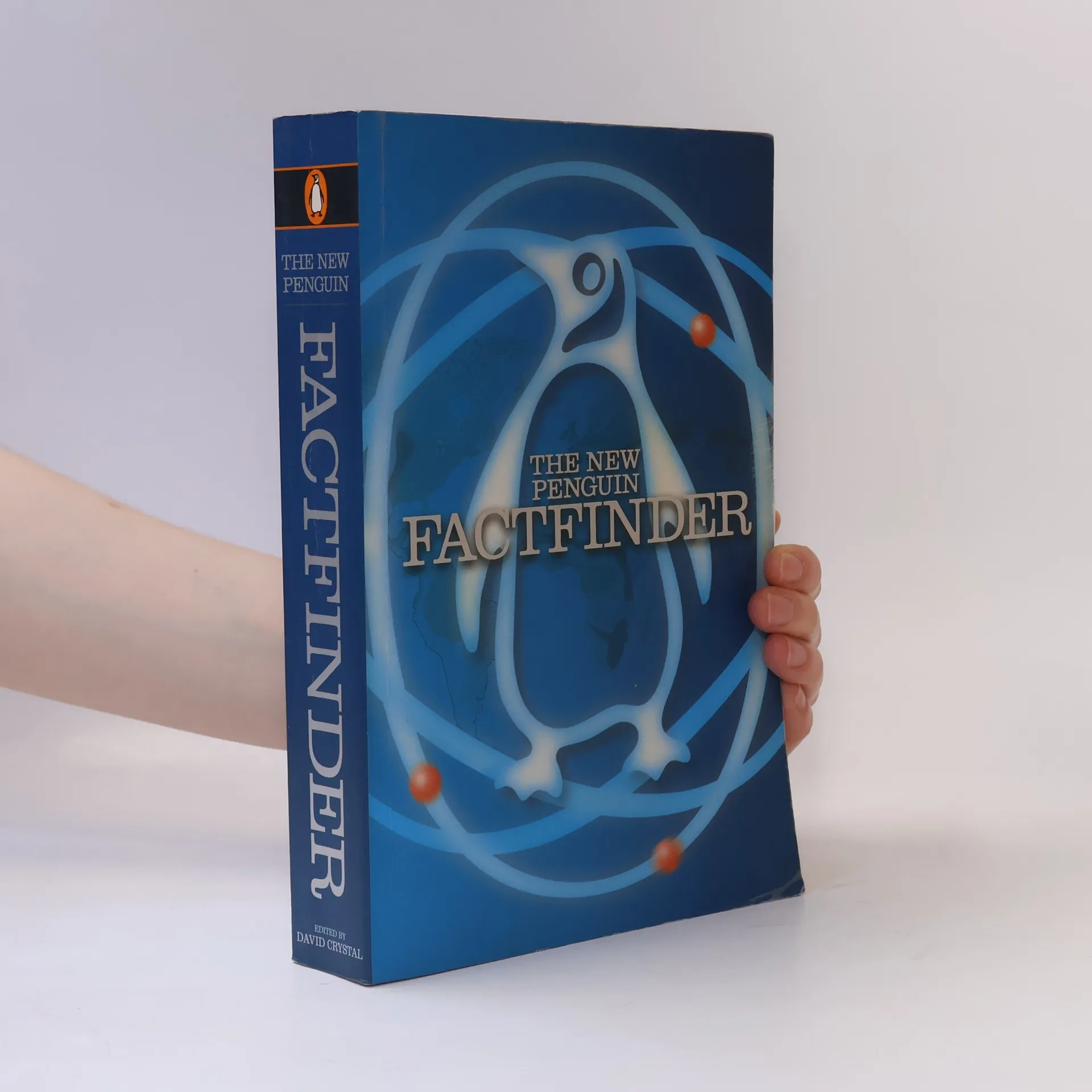
The New Penguin Factfinder is the most comprehensive, authoritative, and up-to-date general factbook available. Organized in thematic sections that cover topics as diverse as science and technology, sports and culture, and religion and mythology, this invaluable volume is a goldmine of facts, figures, and statistics. Backed by maps, diagrams, and a full index, The New Penguin Factfinder explores facts and figures on every conceivable topic of current interest, from world climates to musical notation. Whether you are seeking to establish the precise population of Guatemala, the chemical symbol for radium, or a list of Olympic Games medallists, this is the essential source of information.
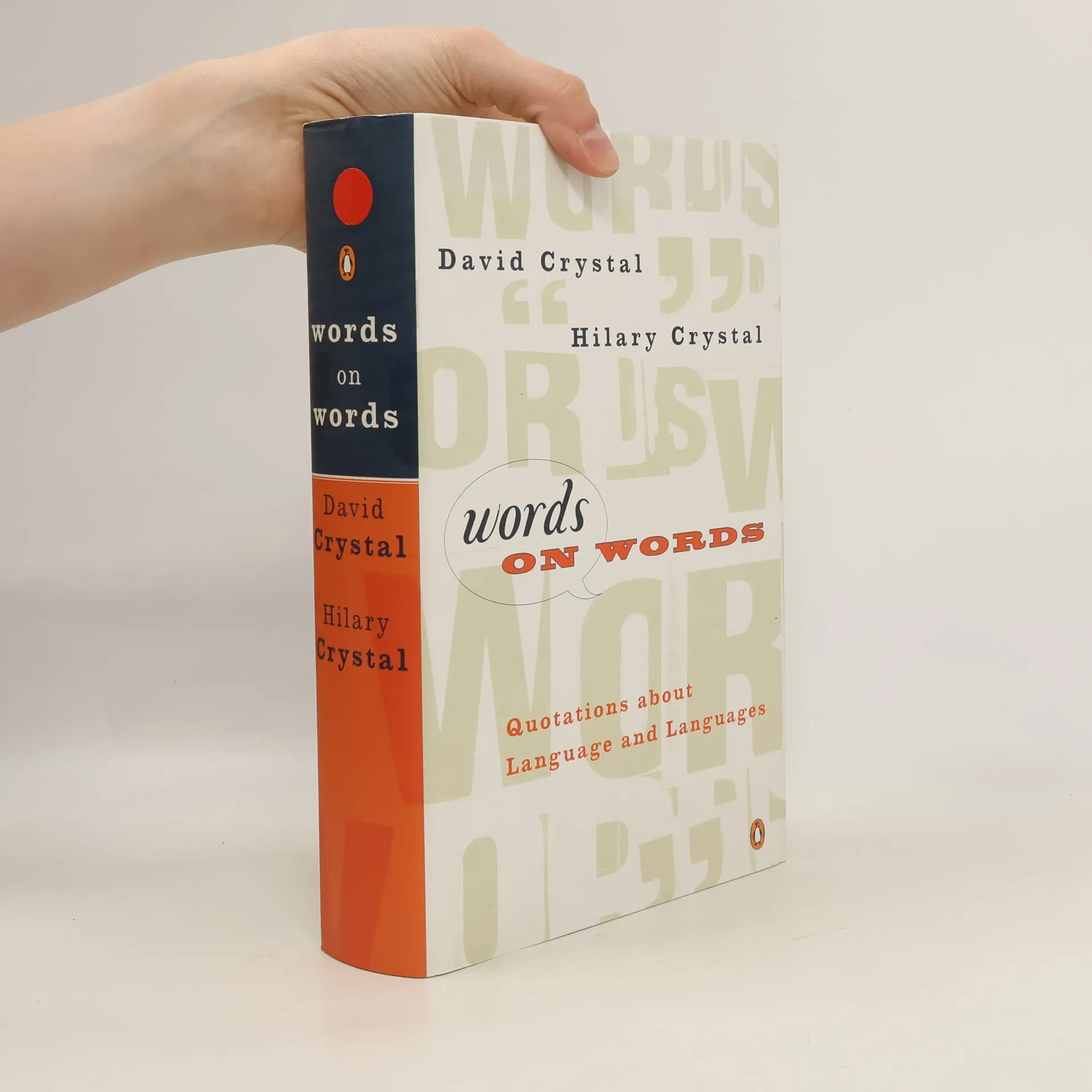
"I hate quotations," said Emerson in his Journals. "Tell me what you know." He may not have realized how much could be gleaned from a book of quotations. This collection offers a crash course in the history of thought about language, featuring nearly 5,000 snippets that lead readers back to countless original sources. It serves as a Bartlett's for word lovers and linguists, with nearly half of the text devoted to indexes. Editors David and Hilary Crystal meticulously curated and corrected these quotations, often surprised by the sources that yielded the most. For instance, they found Laurence Sterne's works unexpectedly rich in quotes, while Pepys's Diary was less fruitful. The Crystals sought "succinctness and autonomy of expression," discovering abundance in the works of Oscar Wilde, Shakespeare, Wordsworth, Montaigne, Emerson, Samuel Johnson, Dickens, and Ambrose Bierce, whose Devil's Dictionary is notably quoted. The quotations are organized into 65 categories, covering topics like language origins, usage, multilingualism, verbosity, slang, and political language. Interestingly, despite David Crystal's reputation as a linguist, the Crystals noted that professional linguists are "remarkably unquoteworthy."
Proverbs are fascinating in what they tell us about a culture's view of everyday life, and proverbial wisdom is a key factor in understanding different peoples and cultures. David Crystal takes us on a global tour of the world's proverbs.
Penguin Pocket Famous People is an ideal companion for anyone looking to know more about well-known figures from all walks of life. Clearly arranged and lucidly written, it includes biographies of artists, writers, sportsmen, actors, politicians and many other prominent people in history.
In this guide to linguistic concepts and names, linguistic does not mean the technical terminology of linguistic sciences, but language in a more everyday sense. Terms are drawn from the various applied areas of language study, such as language teaching, speech pathology, stylistics, typography, and lexicography, as well as from core topics such as grammar, figures of speech, and basic phonetics. Some 2,750 cross-referenced entries are concisely defined in non- technical language. Annotation copyright by Book News, Inc., Portland, OR
The endangerment and death of minority languages across the world is a matter of widespread concern. A leading commentator on language issues, David Crystal asks the question, 'why is language death so important?', reviews the reasons for the current crisis, and investigates what is being done to reduce its impact.
The Cambridge Biographical Encyclopedia is the authoritative single-volume reference work on people, both living and dead. In addition to its thousand or more pages of A-Z entries, the book offers an invaluable Ready Reference section with lists of political leaders and rulers, Nobel Prizewinners, patron saints, sports champions and many more. Acclaimed on its first publication in 1994 as a new kind of biographical reference book, the Encyclopedia is now established as a reliable source of information on over 26,000 people, fully cross-referenced. The book's international coverage and devotion to important figures - both historical and contemporary - in science and the arts as well as sports and popular personalities make it unique. This Second Edition has been comprehensively updated and supplemented with new entries.
A comprehensive new reference work that offers the widest range of information available in a single volume. Features more than 30,000 main entries with 75,000 cross references, a unique 128-page Ready Reference section, more than 750 line drawings, illustrations and maps. The perfect desk reference for the '90s. Shrinkwrapped.
An Overview for the Teaching and Therapeutic Professions
Now in its third edition, Penguin Encyclopedia is the one reference book that every family and office needs. It contains over 28,000 entries on the facts, events, issues, people, beliefs and achievements that make up the sum of human knowledge and experience written in a clear, direct style that illuminates even the most intricate concept. The book is designed so that it is easy to locate the information you require quickly and there are over 350 maps and diagrams to aid understanding. Penguin Encyclopedia is part of the Penguin Reference Library and draws on over 70 years of experience in bringing reliable, useful and clear information to millions of readers around the world - making knowledge everybody's property.
David Crystal's A Dictionary of Linguistics and Phonetics has long been the standard single-volume reference for its field. Now available in its sixth edition, it has been revised and updated to reflect the latest terms in the field. Includes in excess of 5,100 terms, grouped into over 3,000 entries Coverage reflects recommendations by a team of experts in phonetics, phonology, syntax, semantics, sociolinguistics and psycholinguistics, making it exceptionally comprehensive Incorporates new ideas stemming from the minimalist program Contains a separate table of abbreviations and table of symbols, along with an updated International Phonetic Alphabet Updates entries to reflect the way established terms are now perceived in light of changes in the field, providing a unique insight into the historical development of linguistics Remains the standard single-volume reference for the field of linguistics and phonetics.
Presents a range of terms associated with the field of linguistics. It concentrates on terms which cut across subject boundaries and which are central to general linguistic theory and practice. It deliberately avoids terms which are dealt with in the other books in the series.
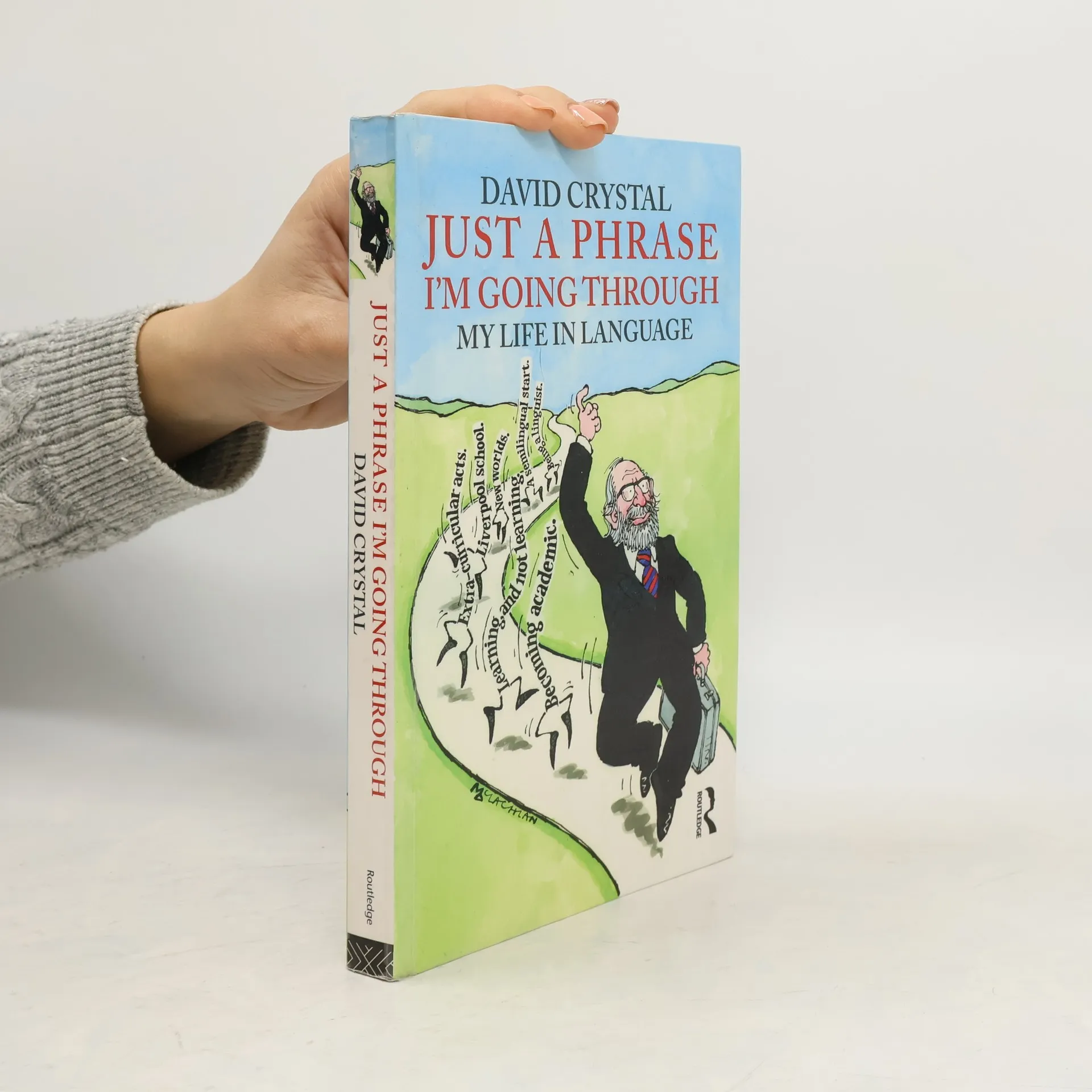
Kidnapping, attempted assassination, espionage … not the answers you’d expect to the question ‘what happens when you become a linguist?’ But now, reflecting on a long and hugely successful career at the forefront of the field of English Language and Linguistics, David Crystal answers this question and offers us a special look behind the scenes at the adventures, rewards, challenges and pitfalls of his life in language. Both an autobiography and a highly accessible introduction to the field of linguistics, Just a Phrase I’m Going Through illuminates and entertains us with its many insights into the ever-fascinating subject of language. David Crystal is synonymous with language, both as a great populariser and linguistic pioneer, and his contribution to the field is unparalleled. This is a book not just for students and teachers but for all lovers of language.
It's not what you say, it's the way that you say it ...There have long been debates about 'correct' pronunciation in the English language, and Britain's most distinguished linguistic expert, David Crystal, is here to set the record straight. Sounds Appealing tells us exactly why, and how, we pronounce words as we do.Pronunciation is integral to communication, and is tailored to meet the demands of the two main forces behind language: intelligibility and identity. Equipping his readers with knowledge of phonetics, linguistics and physiology - with examples ranging from Eliza Doolittle to Winston Churchill - David Crystal explores the origins of regional accents, how they are influenced by class and education, and how their peculiarities have changed over time.
A series to meet the need for books on modern English that are both up-to-date and authoritative.For the scholar, the teacher, the student and the general reader, but especially for English-speaking students of language and linguistics in institutions where English is the language of instruction, or advanced specialist students of English in universities where English is taught as a foreign language.
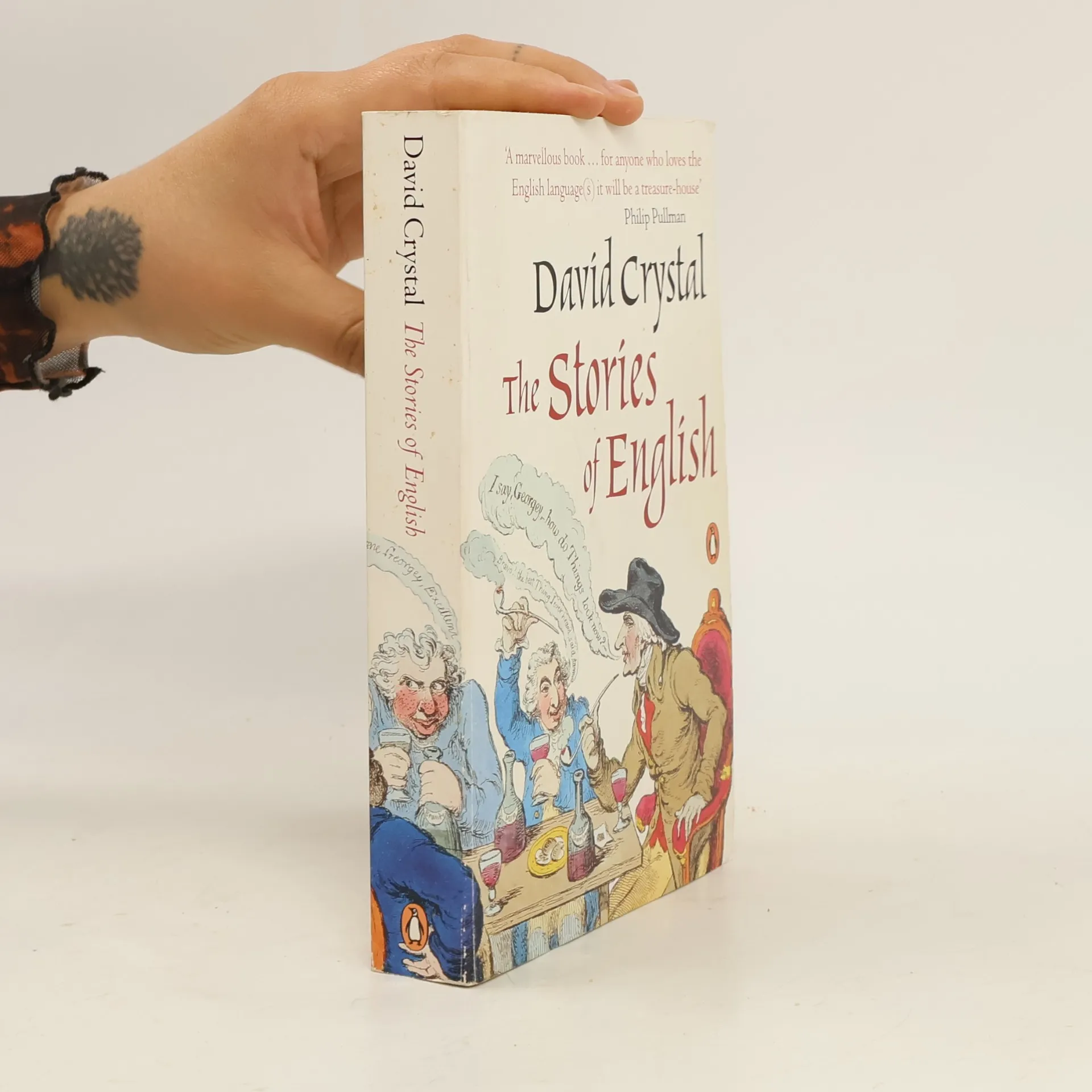
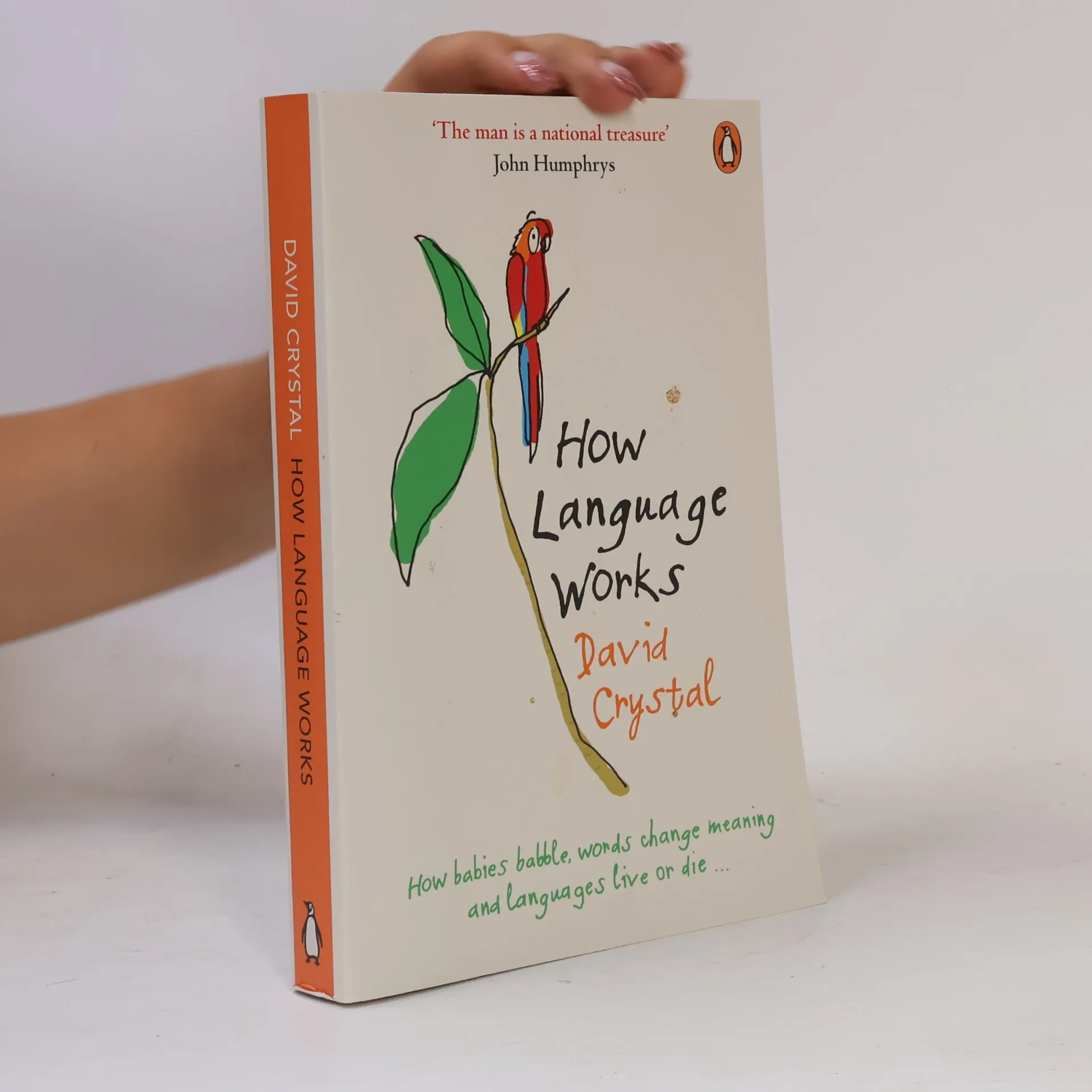
An eye-opening tour of the English language through the ages from Britain's leading linguistics expert.
How did a language originally spoken by a few thousand Anglo-Saxons become one used by more than 1,500 million people? How have all the different versions of English evolved and changed? In this compelling global tour, David Crystal turns the history of the language on its head and tells the real stories of English that have never been fully told.
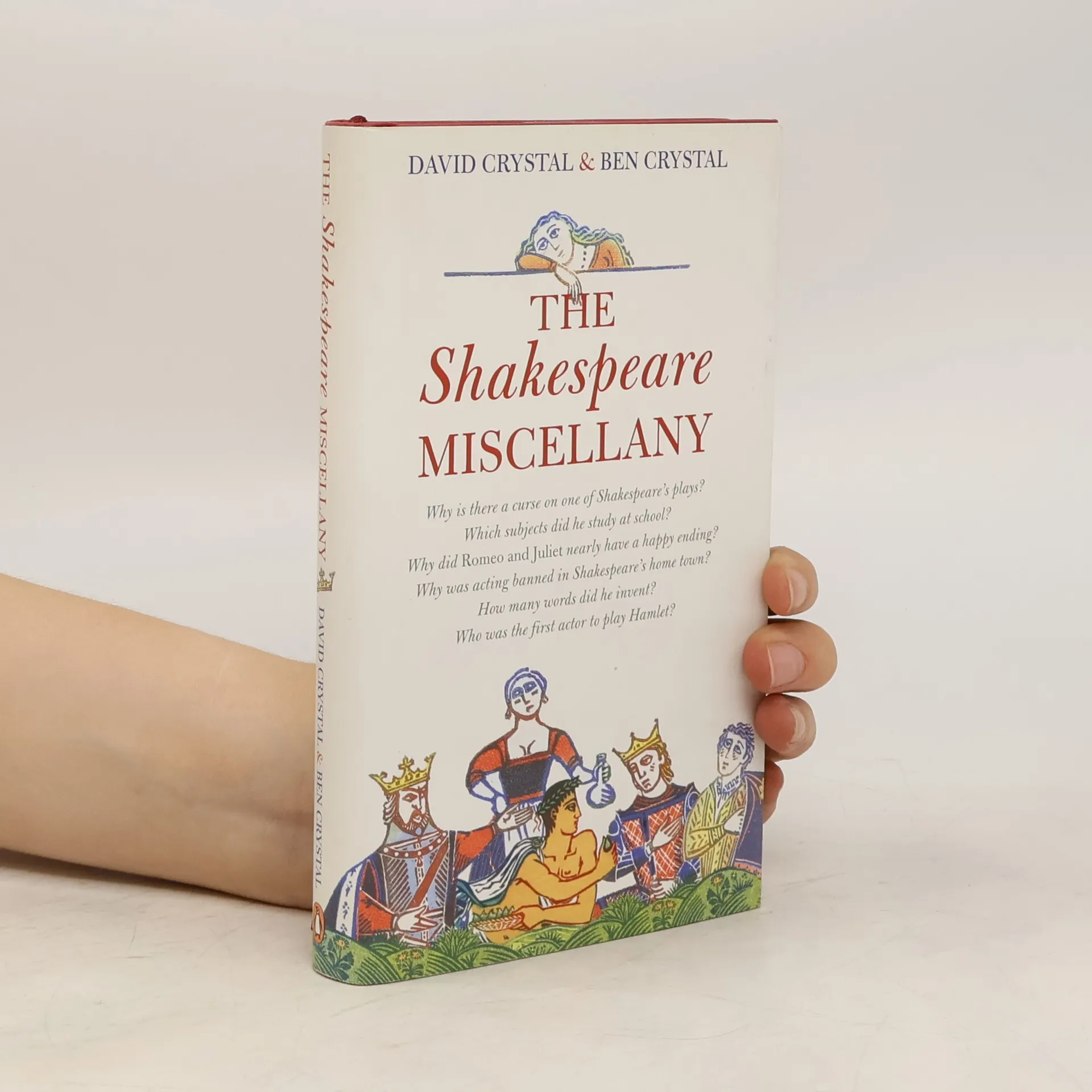
This compilation, inspired by the Victorian miscellany, presents essential facts and intriguing insights into the plays and poems, the author, and the context of his work.
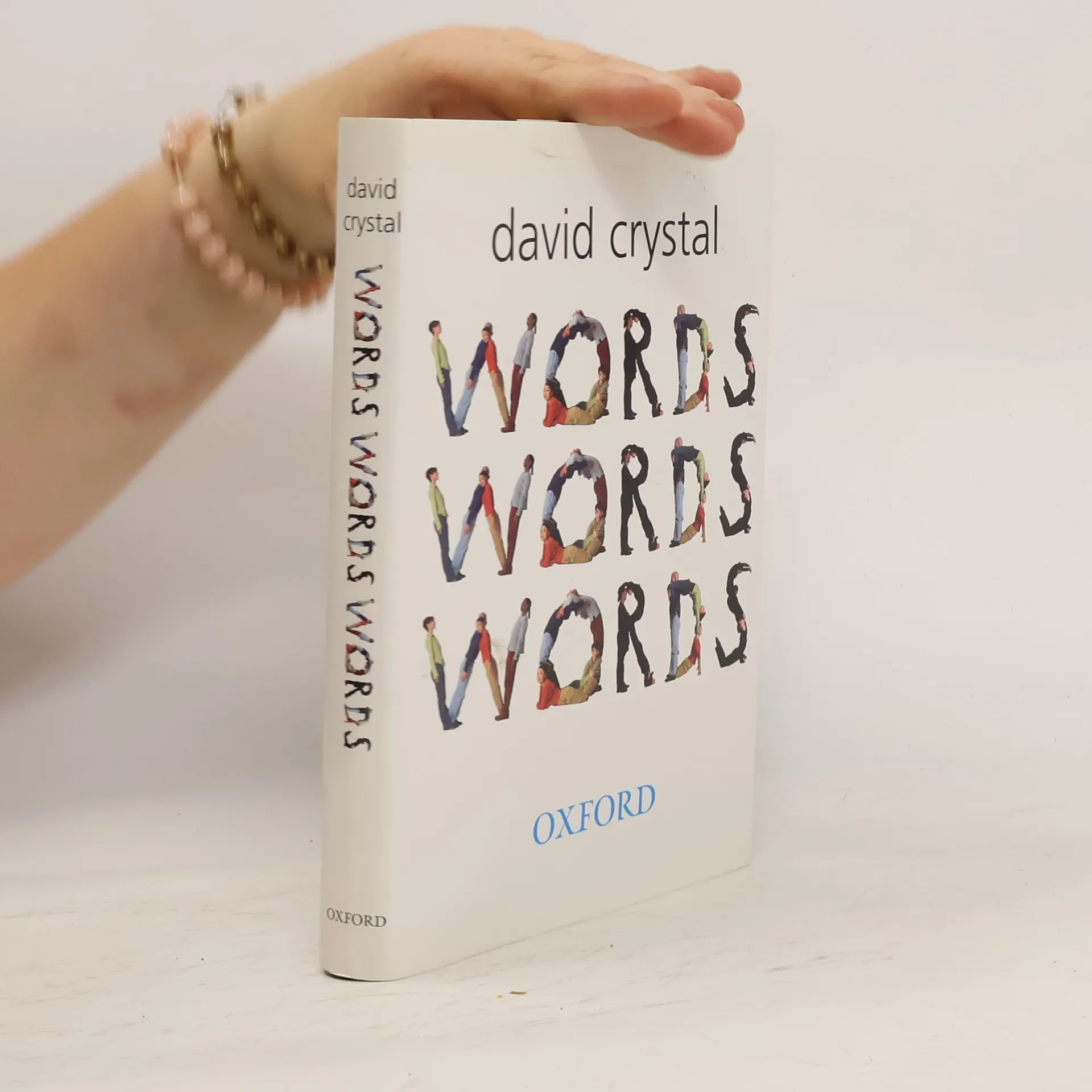
"David Crystal's lifetime passion has been the English language. In Words, Words, Words, he shows us why words matter. He celebrates new words and old words, words that 'snarl' and words that 'purr', beautiful words and taboo words, new Englishes and regional dialects, plain English and gobbledegook, eponyms and aptonyms, spoonerisms and malapropisms, and a host of other written and spoken forms and variations."--Jacket
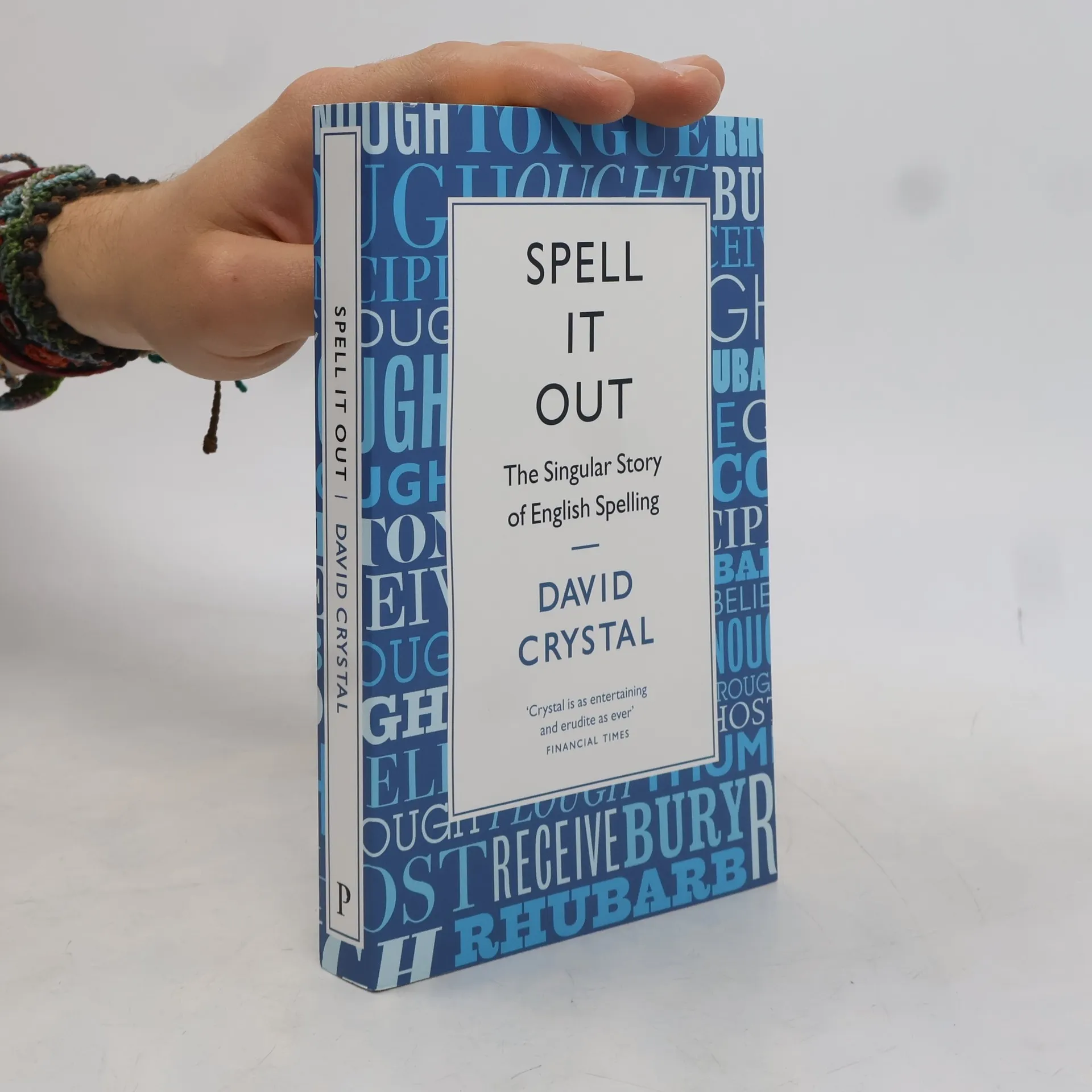
Why is there an 'h' in ghost? William Caxton, inventor of the printing press and his Flemish employees are to blame: without a dictionary or style guide to hand in fifteenth century Bruges, the typesetters simply spelled it the way it sounded to their foreign ears, and it stuck. Seventy-five per cent of English spelling is regular but twenty-five per cent is complicated, and in Spell It Out, our foremost linguistics expert David Crystal extends a helping hand to the confused and curious alike. He unearths the stories behind the rogue words that confound us, and explains why these peculiarities entered the mainstream, in an epic journey taking in sixth century monks, French and Latin upstarts, the Industrial Revolution and the internet. By learning the history and the principles, Crystal shows how the spellings that break all the rules become easier to get right.
In this survey of everything from how sounds become speech to how names work, David Crystal answers every question asked about the nuts and bolts of language. Originally published: 2005.
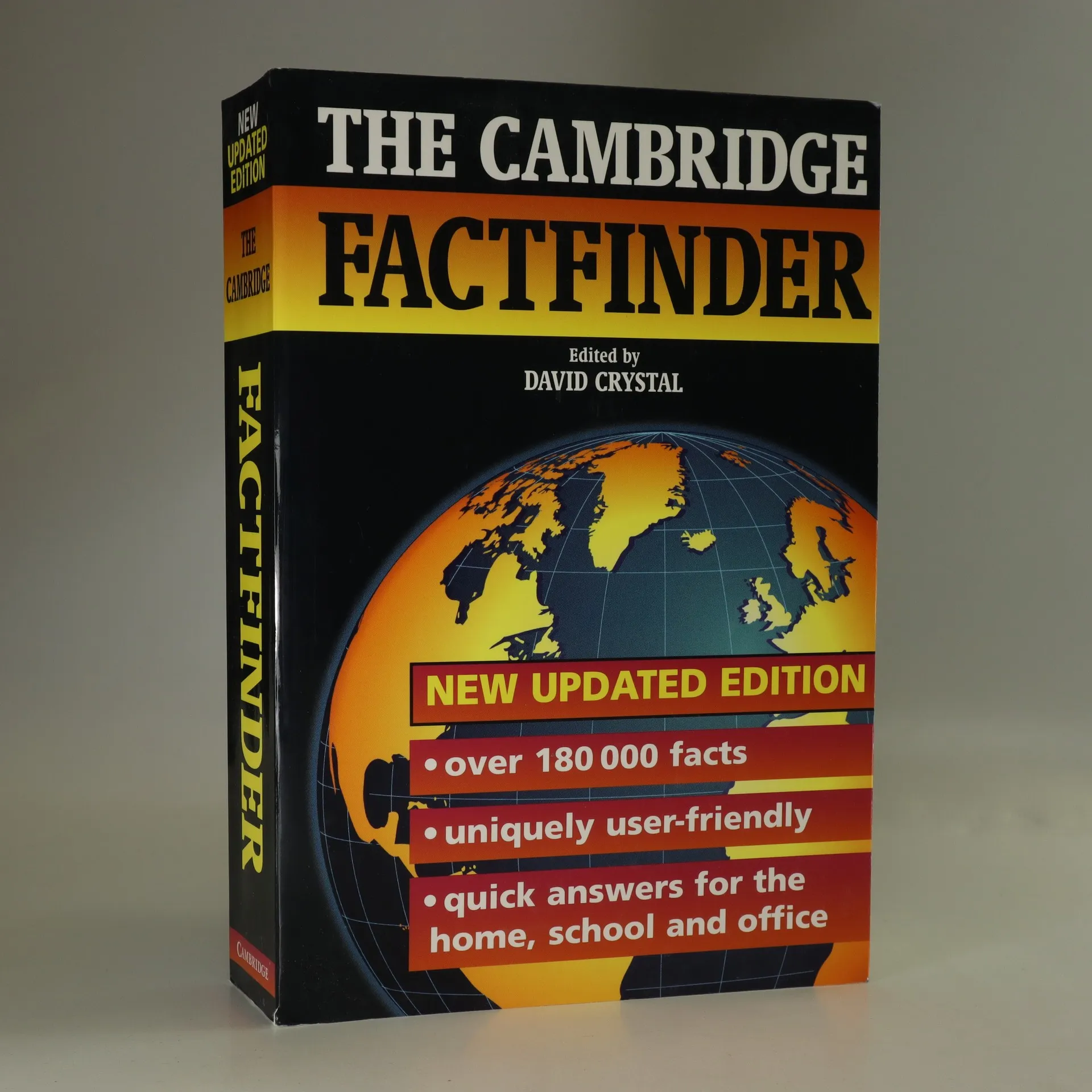
Presents over 180,000 facts and figures about the universe, the earth, the environment, natural history, human beings, world history, geography, science and technology, arts and culture, and sports and games.
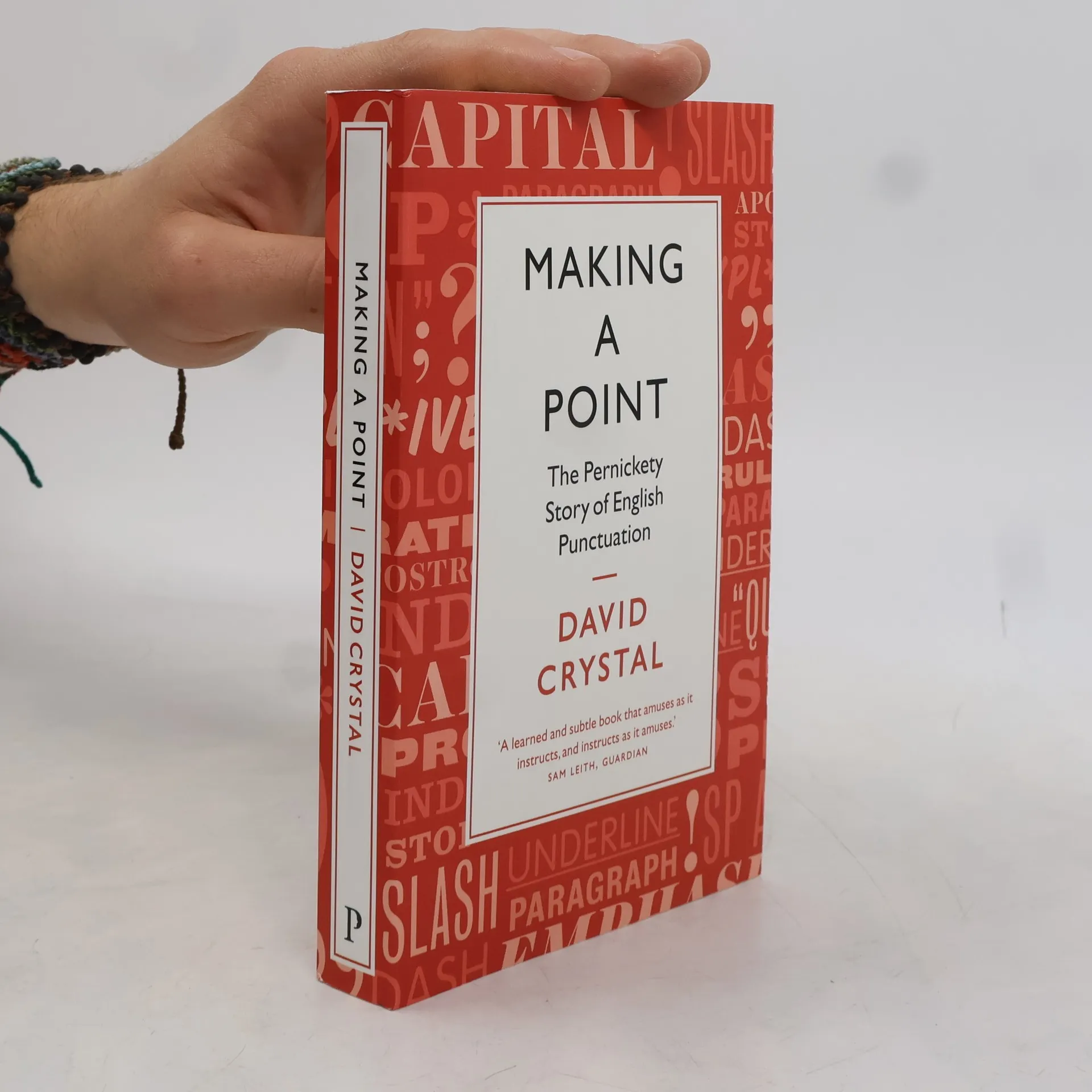
The triumphant third volume in David Crystal's classic series on the English language combines the first history of English punctuation with a complete guide to how to use it - now in paperback.
An enthusiastic and practical approach to language learningA riveting and valuable combination of David Crystal's language expertise and Geoff Barton's sound, practical classroom experience. Essential reference for every class working towards GCSE and Standard Grade.
A charming and personal exploration of the English language, reminiscent of Bill Bryson, by a leading scholar in its history and structure.
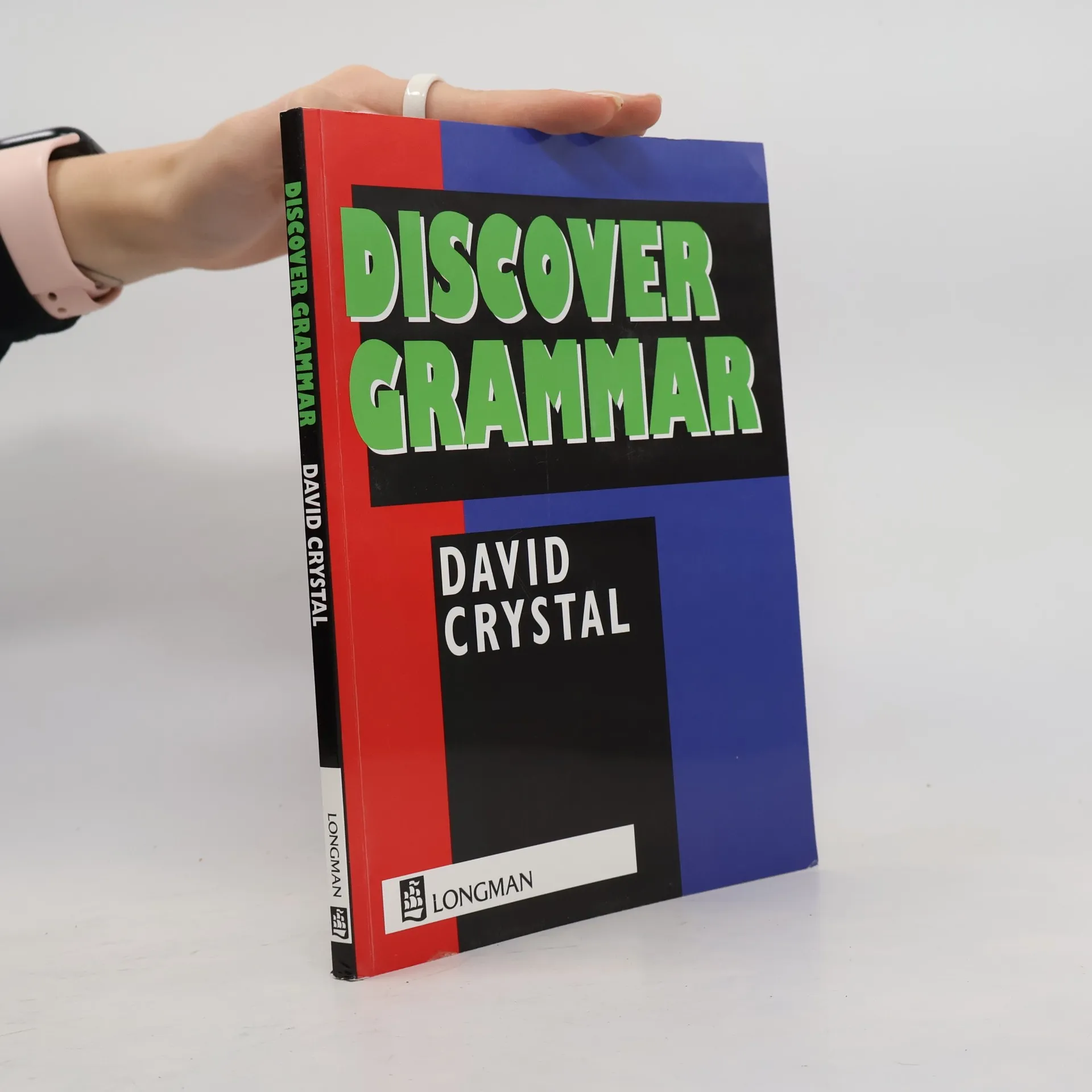
Using a lively, modern and entertaining approach, language expert David Crystal offers teachers clear advice on the everyday use and teaching of English grammar.
David Crystal explains grammar's rules and irregularities, shows how to navigate its snares and pitfalls, and explores its history and varieties. He gives practical guidance on how grammar may be used for different purposes and in different settings. He provides a series of insights into the stages by which children acquire grammar and shows how this can be used to guide its early instruction. He casts a mordant eye on what learned people have said about English grammar over the centuries and what they continue to say now. People have always been uneasy about points of grammar and worried that what they say may not always be what they mean. Grammar is complex but, Professor Crystal shows, it need not be daunting: the more we understand it, he argues, the more sense we shall make. Making Sense is as entertaining as it is instructive. David Crystal unites investigations of its nature, variations, history, learning, and teaching with a host of practical advice. Like its three companion volumes it will appeal to everyone interested in the English language and how to use it.
David Crystal provides a lively and original introduction to Shakespeare's language, making his plays easily accessible to modern-day audiences.
A beautiful gift book that collects together brilliantly quirky English dialect words, before they disappear for ever
How language pundits ate, shot, and left
The story of battles--both past and present--surrounding English language usage, The Fight for English explores why millions of people feel linguistically inferior. Unhappy with the "zero tolerance" approach to punctuation offered by Lynn Truss's Eats, Shoots, and Leaves, David Crystal offers a view of the subject that is much more balanced. Instead of answering the claims made by other manuals of English usage, Crystal provides an explanation and analysis of the genre as a whole. Crystal weaves an intricate and engaging account that traces the history of the English language and its development over time. From Anglo-Saxon to Modern English, Crystal addresses why the same language issues that were bothering people 250 years ago are still bothering people today. This is the story of the fight for English usage--the story of the people who tried to shape the language in their own image, but failed generation after generation. In short, they ate, shot, and left. The Fight for English brings language to life on the page with a witty and engaging writing style. Broadening the perspective on the English language, this compellingly informative book has something for everyone interested in the topic. Move over Harry Potter. Here comes punctuation.
Linguistics (A Pelican Original) (View amazon detail page) B00AMVHCG2
A collection of 366 witty and fascinating facts, events and stories about language, for every day of the year (with one extra for leap years).
An authoritative, entertaining book about our accents, and what they say about usSome people say scohn, while others say schown. He says bath, while she says bahth. You say potayto. I say potahto And—wait a second, no one says potahto. No one's ever said potahto. Have they? From reconstructing Shakespeare's accent to the rise and fall of Received Pronunciation, actor Ben Crystal and his linguist father David travel the world in search of the stories of spoken English. Everyone has an accent, though many of us think we don't. We all have our likes and dislikes about the way other people speak, and everyone has something to say about "correct" pronunciation. But how did all these accents come about, and why do people feel so strongly about them? Are regional accents dying out as English becomes a global language? Witty, authoritative, and jam-packed full of fascinating facts, You Say Potato is a celebration of the myriad ways in which the English language is spoken—and how our accents, in so many ways, speak louder than words.
The vocabulary of past times, no longer used in English, is always fascinating, especially when we see how it was pilloried by the satirists of the day.Here we have Victorian high and low society, with its fashionable and unfashionable slang, its class awareness and the jargon of steam engines, motor cars and other products of the Industrial Revolution. Then as now, people had strong feelings about the flood of new words entering English. Swearing, new street names and the many borrowings from French provoked continual irritation and mockery, as did the Americanisms increasingly encountered in the British press. In this intriguing collection, David Crystal has pored through the pages of the satirical magazine, Punch, between its first issue in 1841 and the death of Queen Victoria in 1901, and extracted the articles and cartoons that poked fun at the jargon of the day, adding a commentary on the context of the times and informative glossaries. In doing so he reveals how many present-day feelings about words have their origins over a century ago.
The Internet is now an integral part of contemporary life and linguists are increasingly concerned with how it is impacting on language. In this student-friendly guidebook, David Crystal investigates how so much junk email gets past the spam filter and how to stop it, and he looks at why we overuse exclamation marks in online communication.
"We all know eloquence when we hear it. But what exactly is it? And how might we gain more of it for ourselves? This entertaining and, yes, eloquent book illuminates the power of language from a linguistic point of view and provides fascinating insights into the way we use words. David Crystal, a world-renowned expert on the history and usage of the English language, probes the intricate workings of eloquence. His lively analysis encompasses everyday situations (wedding speeches, business presentations, storytelling) as well as the oratory of great public gatherings. Crystal focuses on the here and now of eloquent speaking--from pitch, pace, and prosody to jokes, appropriateness, and how to wield a microphone. He explains what is going on moment by moment and examines each facet of eloquence. He also investigates topics such as the way current technologies help or hinder our verbal powers, the psychological effects of verbal excellence, and why certain places or peoples are thought to be more eloquent than others. In the core analysis of the book, Crystal offers an extended and close dissection of Barack Obama's electrifying "Yes we can" speech of 2008, in which the president demonstrated full mastery of virtually every element of eloquence--from the simple use of parallelism and an awareness of what not to say, to his brilliant conclusion constructed around two powerful words: dreams and answers"--
This new edition of David Crystal's classic book is the definitive survey of English in all its global variations. Despite the astonishingly widespread use of English, each speaker makes it their own. Whenever we write or speak we give away a great deal about ourselves by our choices in pronunciation, dialect, vocabulary and grammar. This fascinating book explores the way the language has developed, and examines the factors that unify it and the variations that divide it both nationwide and worldwide. Now completely revised, The English Language takes into account the phenomenal influence of the Internet as well as social and political changes, recent neologisms, developments in the media and shifting preferences in accent and dialect. There is also a new chapter on the effect of technology on English and a final discussion of the future of the language. Book jacket.
David Crystal, world authority on the English language, presents a lively and factual account of the rise of English as a global language and explores the whys and wherefores of the history, current status and future potential of English as the international language of communication. English has been lauded as the most 'successful' language ever, with 1,500 million speakers worldwide; but Crystal avoids taking sides and tells the story in a measured but engaging way, backed by facts and figures. This new edition of his classic book includes new material (on the vocabulary, grammar and pronunciation of New Englishes), footnotes, new tables, and a full bibliography. There are updates throughout. This is a book for anyone of any nationality concerned with English: teachers, students, language professionals, politicians, general readers and anyone with a love of the language.
Text messaging has spread like wildfire. Indeed texting is so widespread that many parents, teachers, and media pundits have been outspoken in their criticism of it. Does texting spell the end of western civilization?In this humorous, level-headed and insightful book, David Crystal argues that the panic over texting is misplaced. Crystal, a world renowned linguist and prolific author on the uses and abuses of English, here looks at every aspect of the phenomenon of text-messaging and considers its effectson literacy, language, and society. He explains how texting began, how it works, who uses it, and how much it is used, and he shows how to interpret the mixture of pictograms, logograms, abbreviations, symbols, and wordplay typically used in texting. He finds that the texting system of conveyingsounds and concepts goes back a long way--to the very origins of writing. And far from hindering children's literacy, texting turns out to help it.Illustrated with original art by Ed MacLachlan, a popular cartoonist whose work has appeared in Punch, Private Eye, New Statesman , and many other publications, The Gr8 Db8 is entertaining and instructive--reassuring for worried parents and teachers, illuminating for teenagers, andfascinating for everyone interested in what's currently happening to language and communication.
This text approaches the subject of how everyone plays with language in an informed but light-hearted way. Beginning by showing how we all use the hidic (playful) function of language, the author then investigates why we do and where the impulse to break the rules of language comes from.
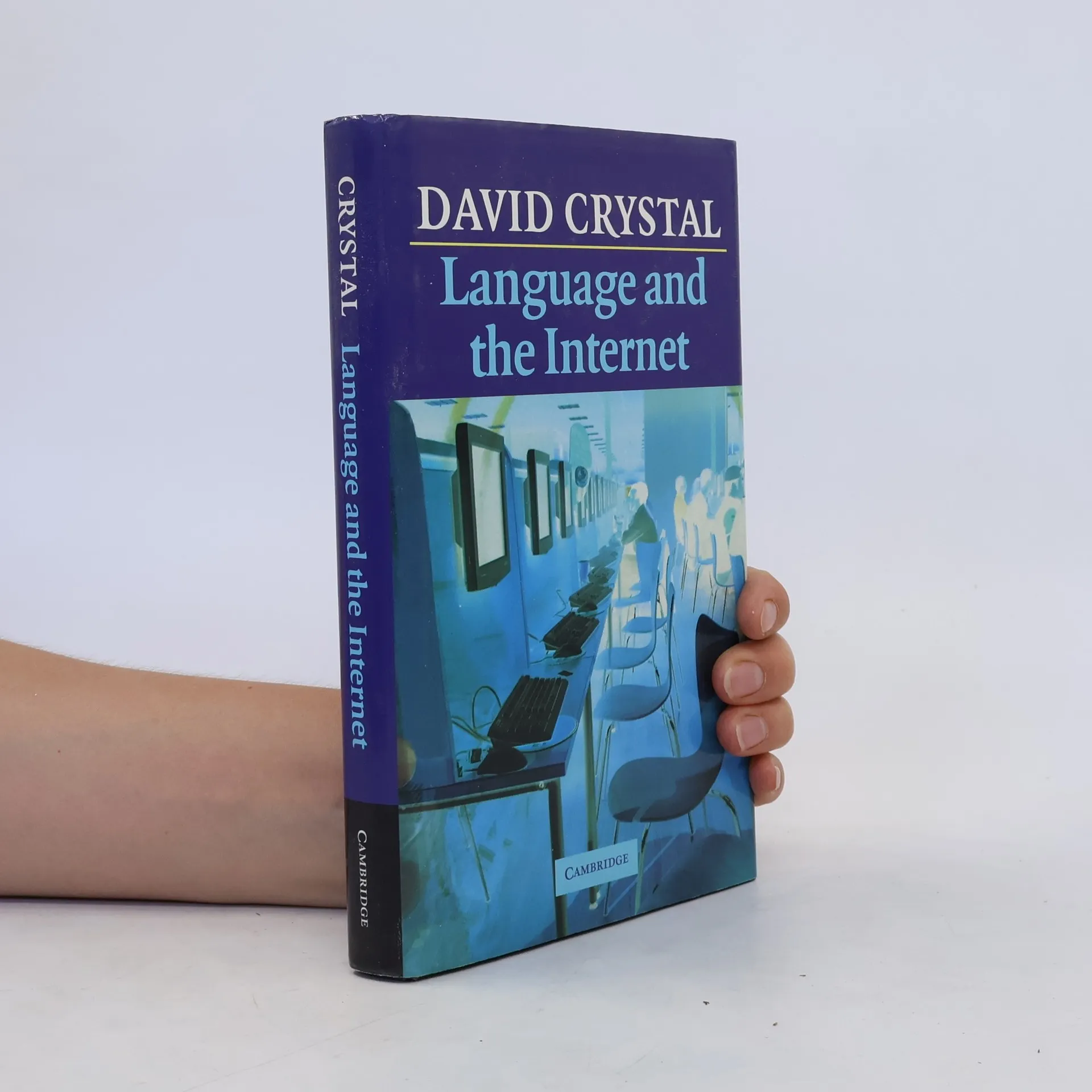
A foremost authority on language argues that the Internet is enabling a dramatic expansion of the range and variety of language and is providing unprecedented opportunities for personal creativity. According to popular mythology, the Internet will be bad for the future of language-technospeak will rule, standards will be lost, and creativity diminished as globalization imposes sameness. David Crystal, one of the foremost authorities on language, argues the reverse in his new book: that the Internet is enabling a dramatic expansion of the range and variety of language and is providing unprecedented opportunities for personal creativity. In order to grow and be maintained as a linguistic medium, the principles and standards of the Internet must evolve-and they will be very different from other mediums. Is the Internet a revolution? Is it a linguistic revolution? Beyond the visual panache of the presentation on a screen, the Internet's "linguistic" character is immediately obvious to anyone online. As the Internet has become incorporated into our lives, it is becoming clearer how it is being shaped by and is adapting language and languages. Language and the Internet is the first book by a language expert on the linguistic aspects of the Internet
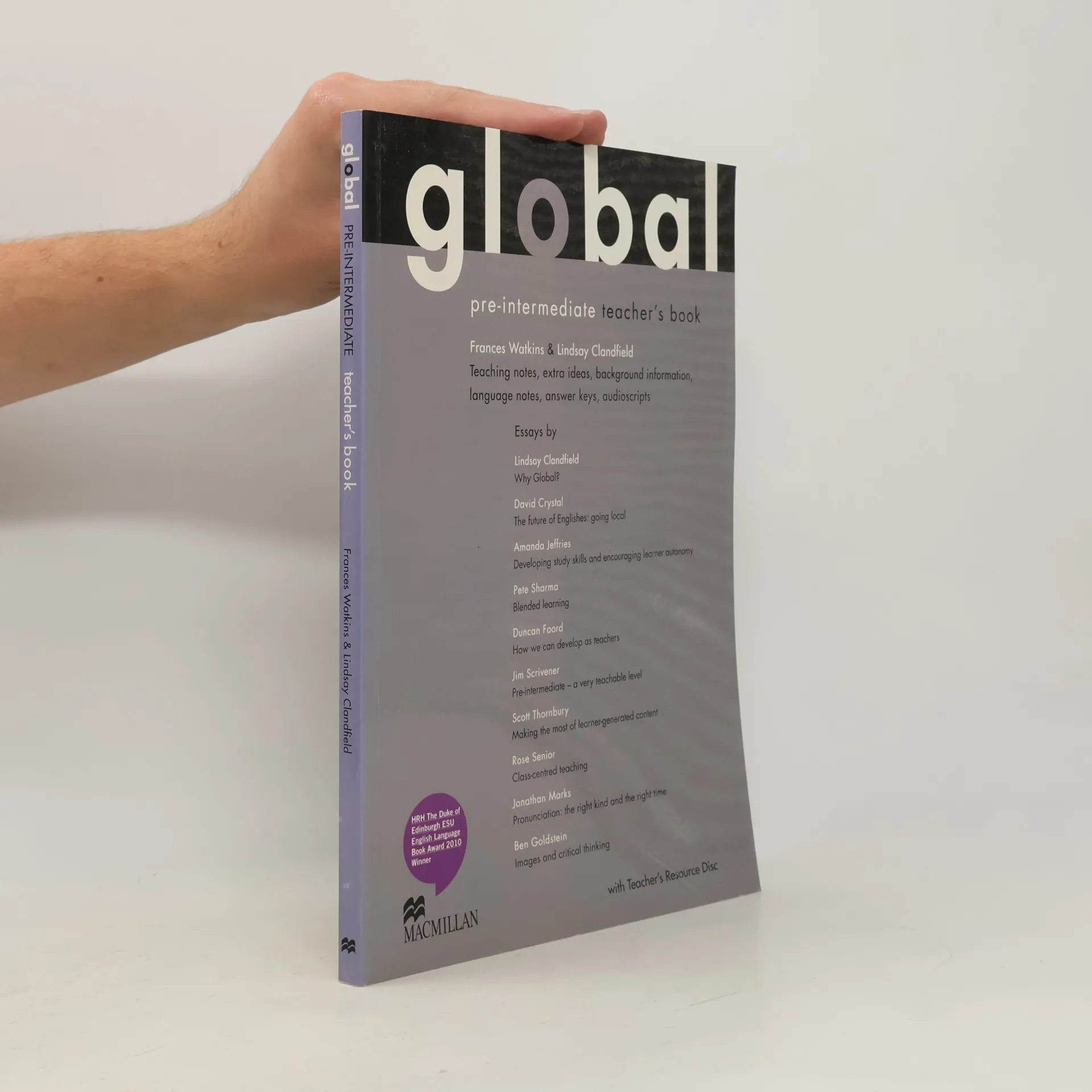
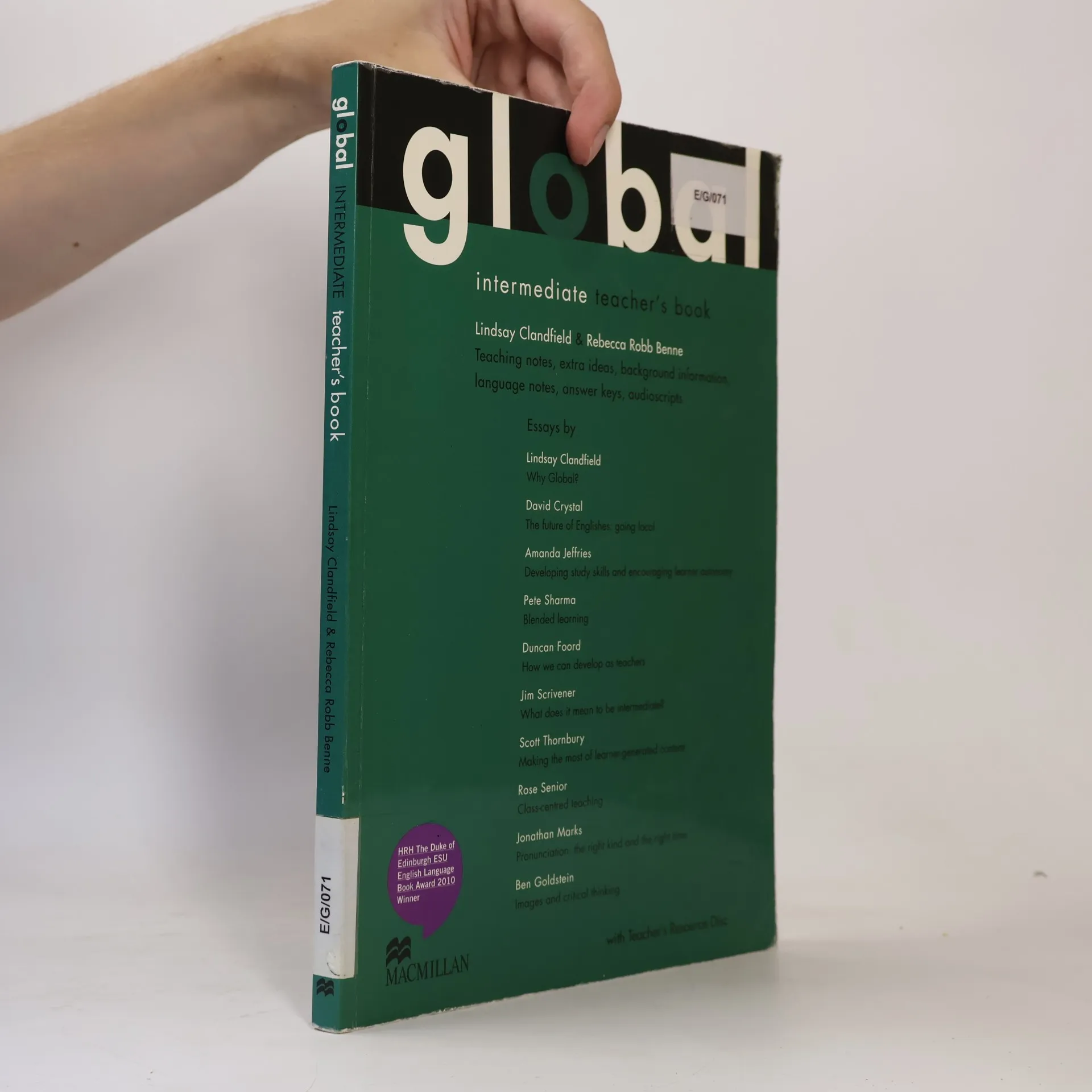
Helps users to learn English, to learn about English and to learn through English. This title is a suitable course for students who want to communicate in a global environment.
Now in a completely revised edition, this book describes the English language between the years 1500 and 1700 - the different varieites of the language, the attitudes of its speakers towards it, and its pronunciation, vocabulary, and grammar. It will be useful to serious students of the history of English and takes full account of those readers who are mainly interested in the literature of the period by providing plenty of references to literary works and authors.
An Entertaining Guide to the Common Problems of English Usage
Exploring Language Through the Historical Thesaurus of the Oxford English Dictionary
How has the English language developed over time? How have words entered the English language, or changed their meaning? David Crystal takes us on a wonderful tour through the origins and evolution of 15 groups of words, from dying to spacecraft. His source is the monumental Historical Thesaurus of the Oxford English Dictionary.
Harmondsworth. 20 cm. 839 p. Encuadernación en tapa blanda de editorial ilustrada. Idioma Inglés. Martin H. Manser and Nigel D. Turton. Penguin reference books. Also issued online. Online Manser, Martin H. Penguin wordmaster dictionary. Harmondsworth, Middlesex ; New York, N. Y. , U. S. A. : Penguin Books, 1987 (OCoLC)573106761 .. Este libro es de segunda mano y tiene o puede tener marcas y señales de su anterior propietario. 014051161X
The Book of the Lectures
This work compiles three of Professor David Crystal's engaging lectures on contemporary language issues: 'The Future of Englishes', 'Language Death', and 'Internet Linguistics'. Renowned for his expertise and accessible style, Crystal explores these topics in a series of informative performances. The accompanying book enhances the DVD experience with detailed commentary, starting with an overview of the main themes followed by in-depth sections for each lecture. Each section includes a comprehensive introduction, a synopsis of key points, and cultural usage commentary that analyzes significant aspects. It also offers further reading and classroom activities to encourage immediate engagement with language. An index for both the DVD and the book facilitates easy topic searches, while timecodes help users locate specific commentary items. The conclusion features Crystal's reflections on how these interconnected topics will influence the evolution of language. This resource is ideal for university and A-level English Language and Linguistics departments and is especially valuable for those teaching or learning English as a second language.
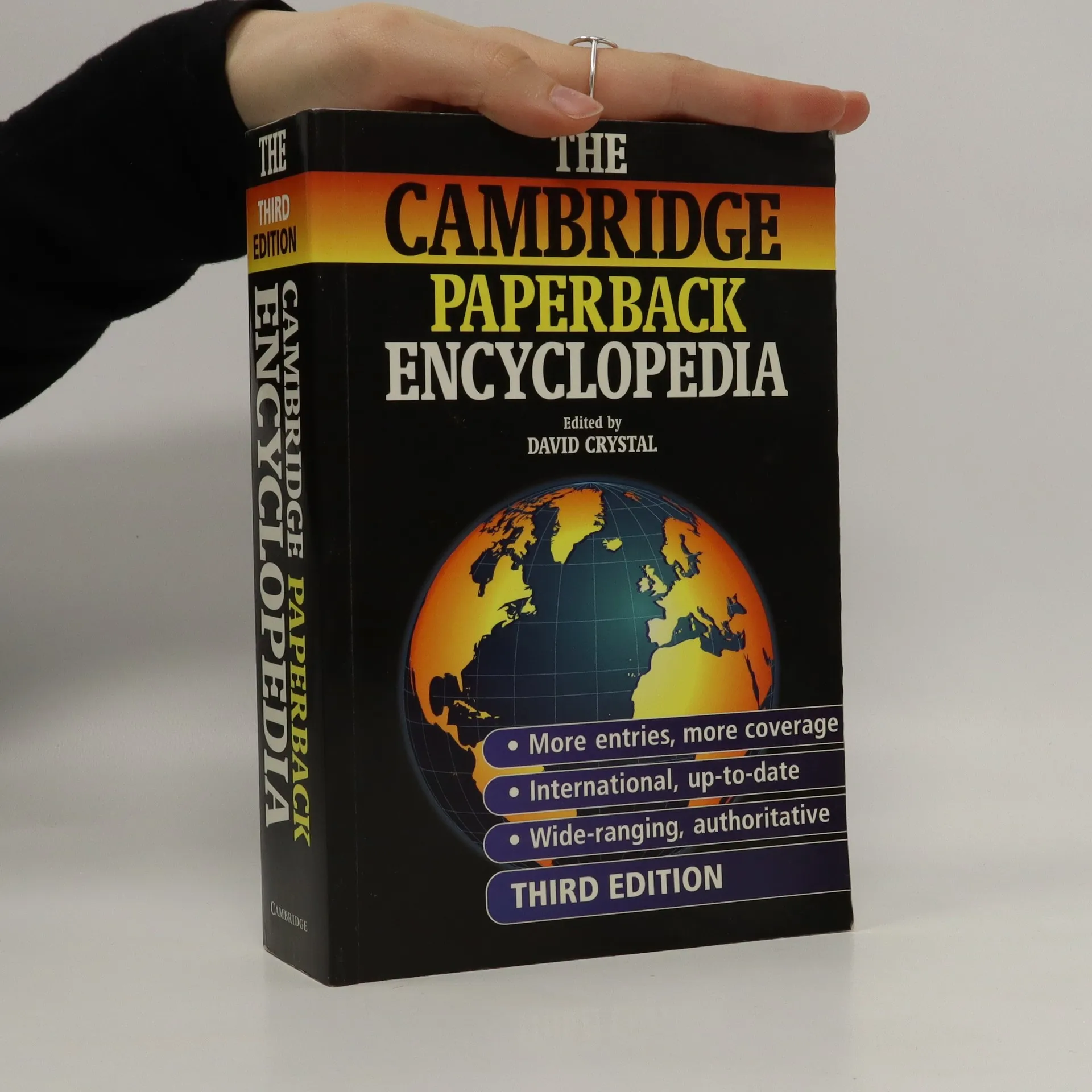
The Cambridge Concise Encyclopedia, first published in 1993, is now available in a new and expanded edition offering the best possible value for money in a hardback format. This Second Edition of the book has been fully revised, updated, supplemented, and redesigned, bringing it in line with the Second Edition of its parent volume The Cambridge Encyclopedia. Over 20,000 entries and almost one million words ensure that this is one of the fullest and most comprehensive general reference books available in a concise form, ideal for home, school, college, or office. The Cambridge Concise Encyclopedia contains nearly 1,100 pages of clearly written A-Z entries and Ready Reference material carefully selected for its relevance and usefulness to the reader wanting to find a fact or statistic without delay. Maps, diagrams, and line drawings accompany the entries in an attractive double-column format.