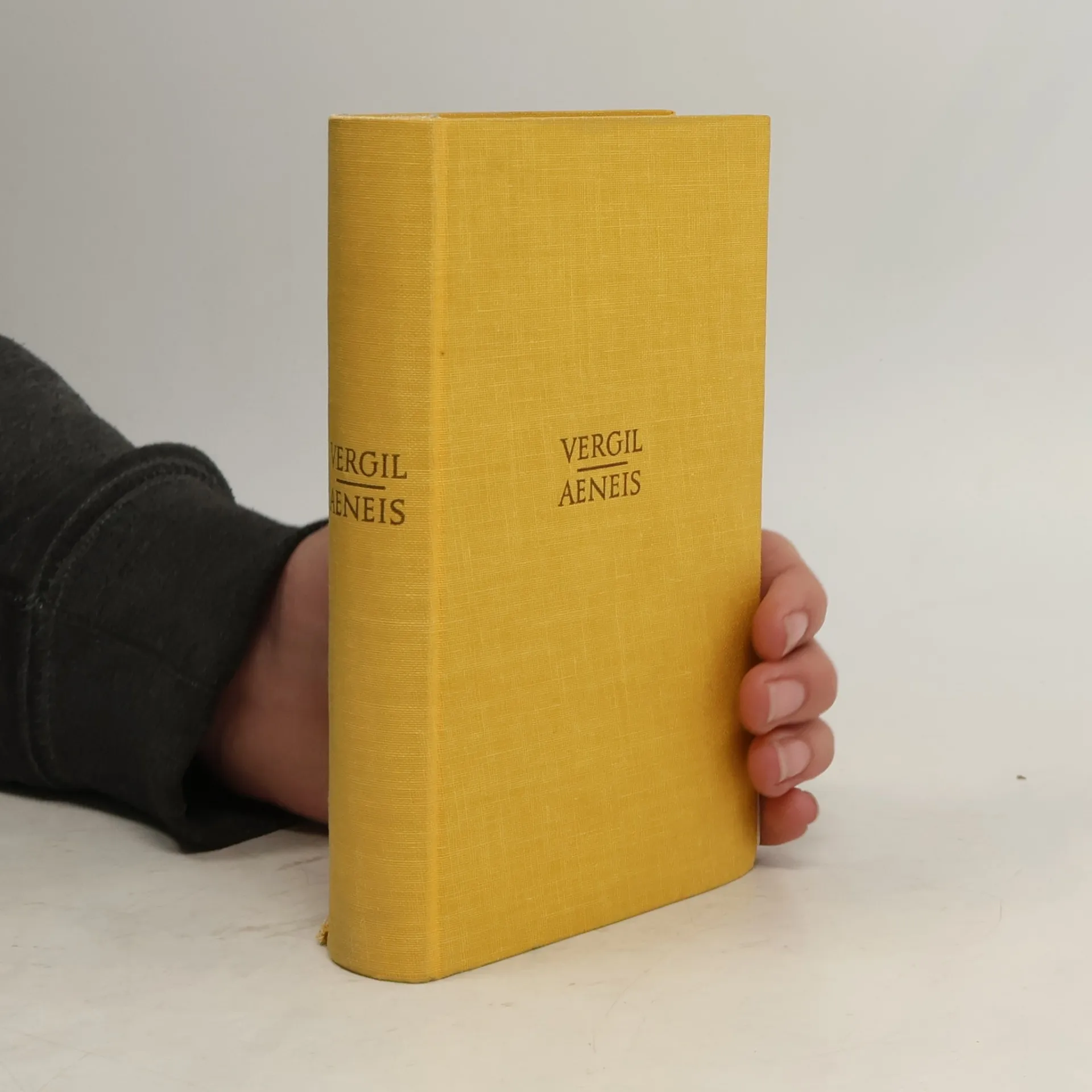
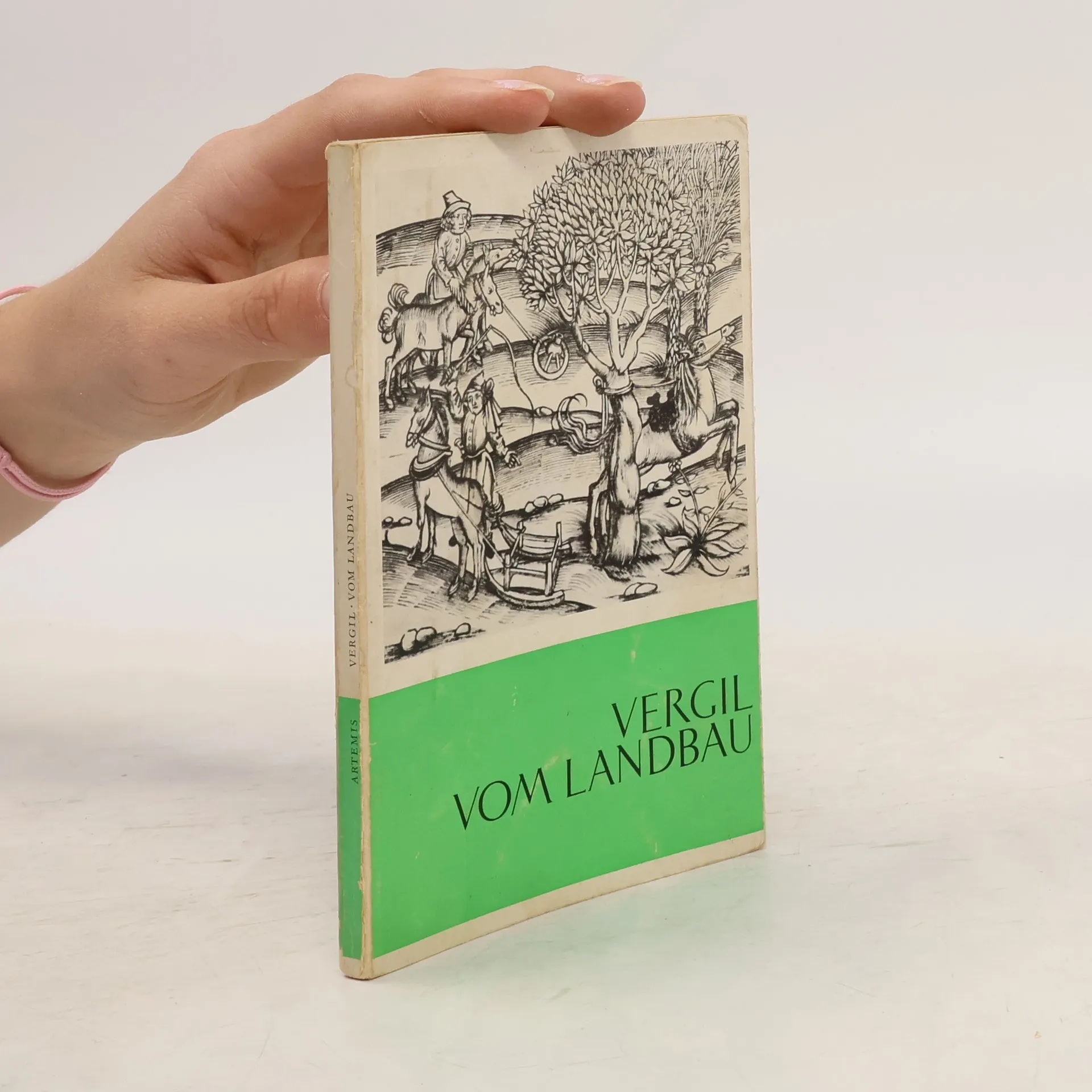
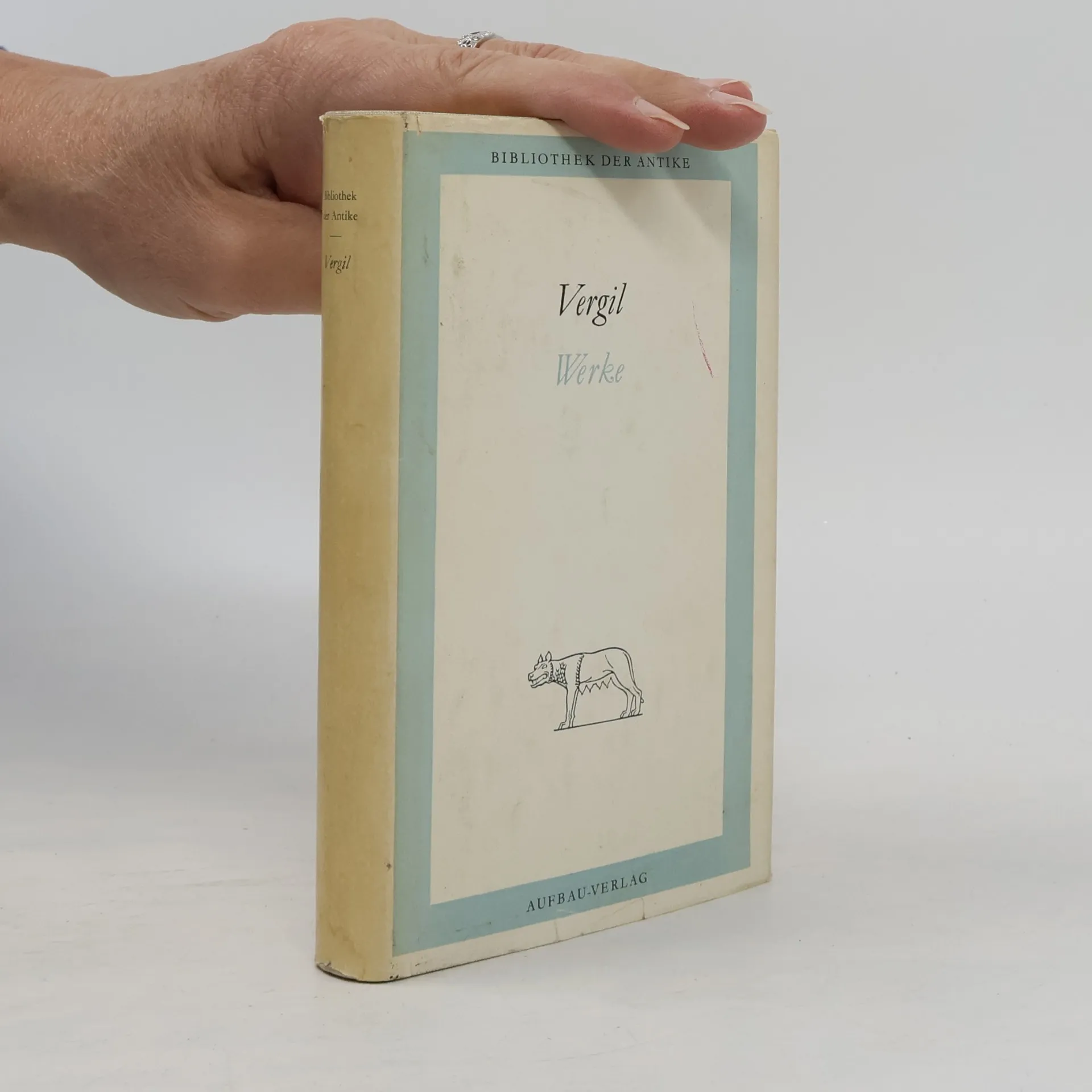
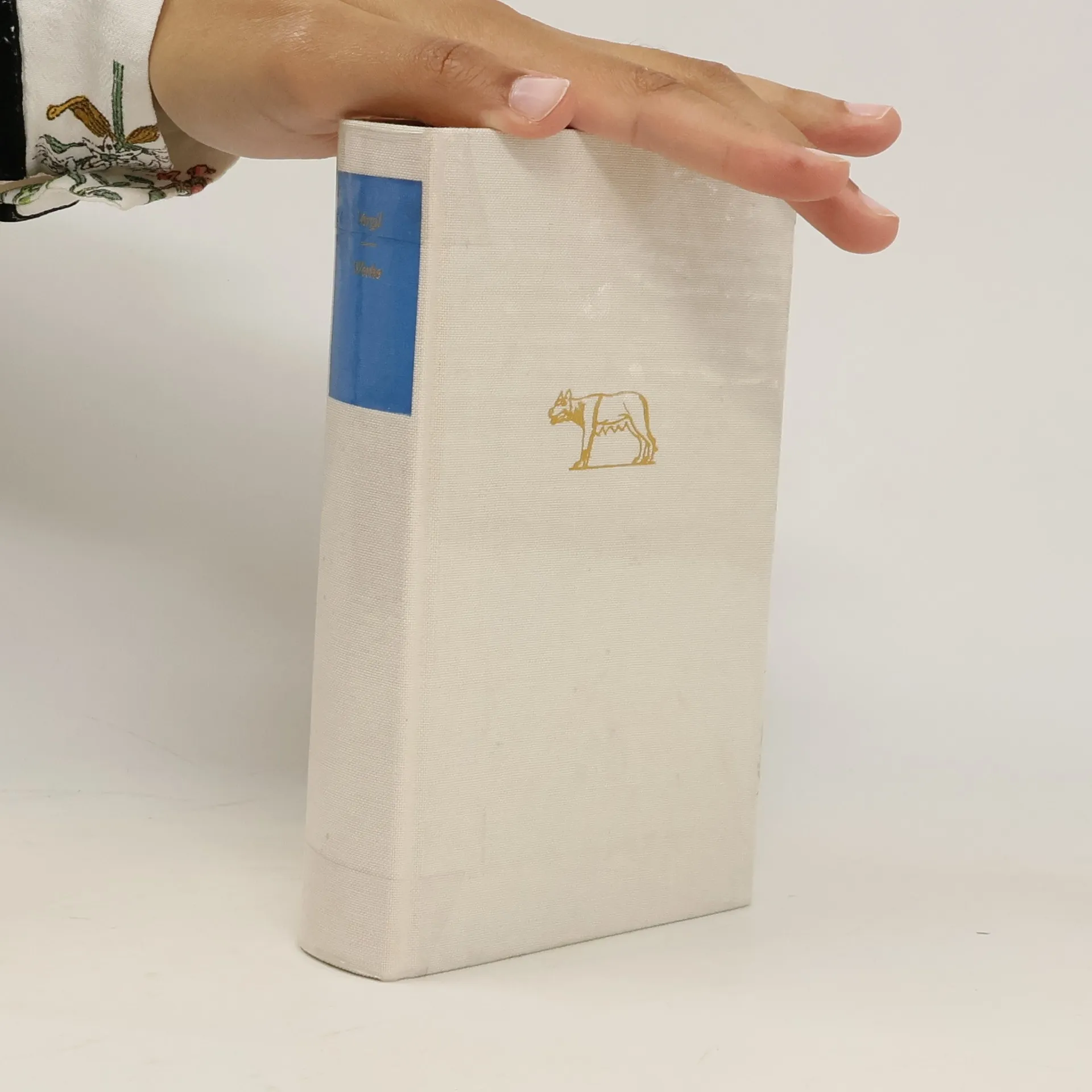
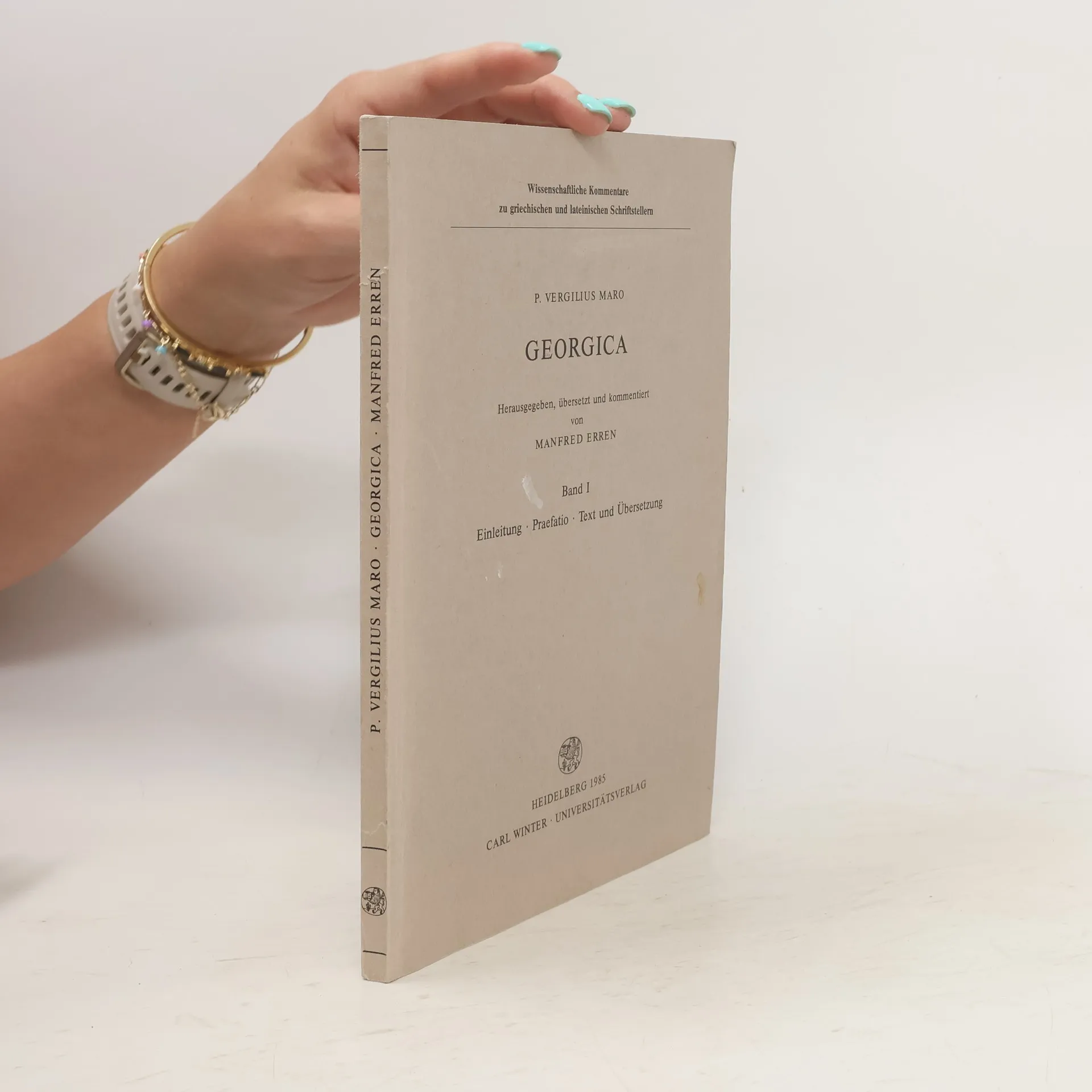
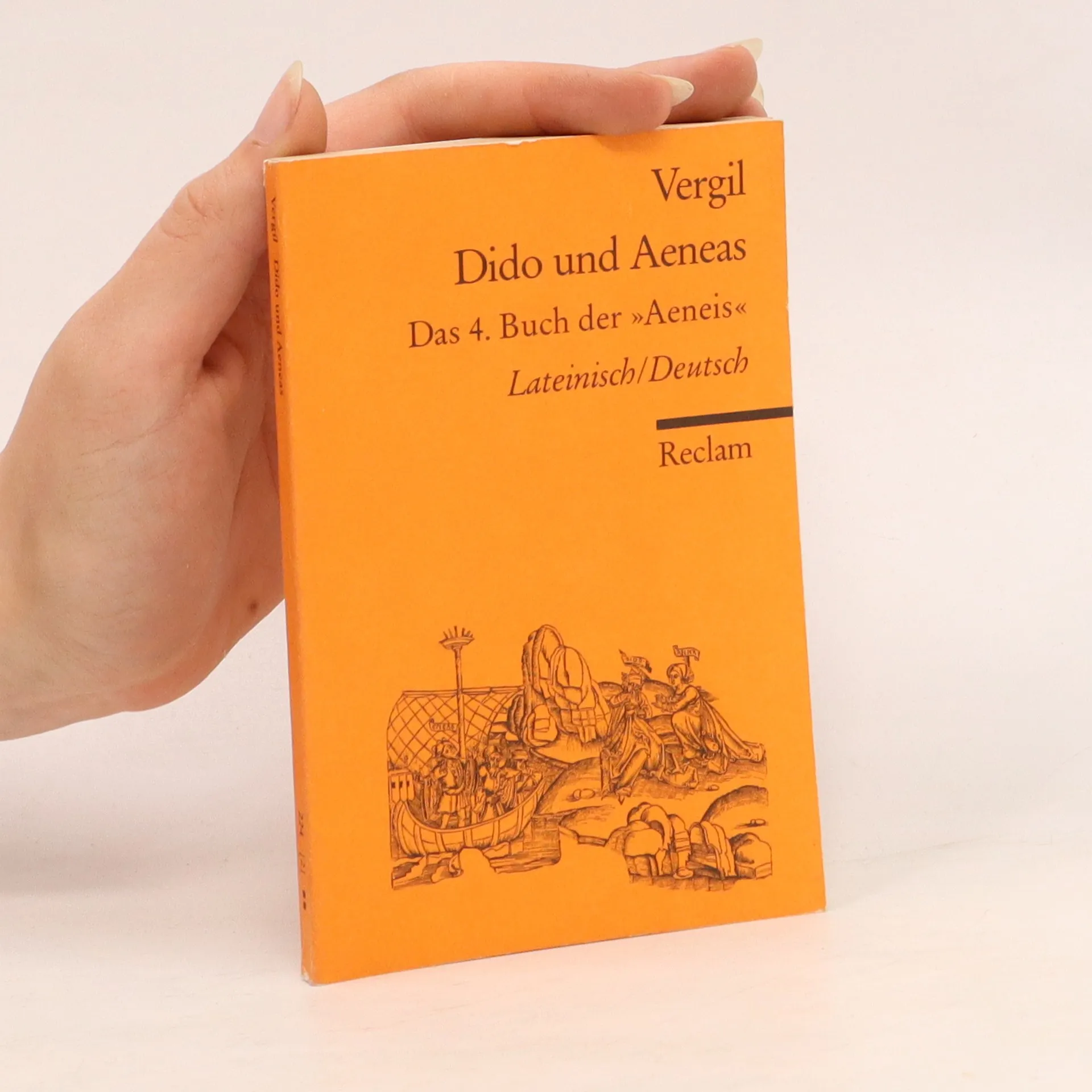
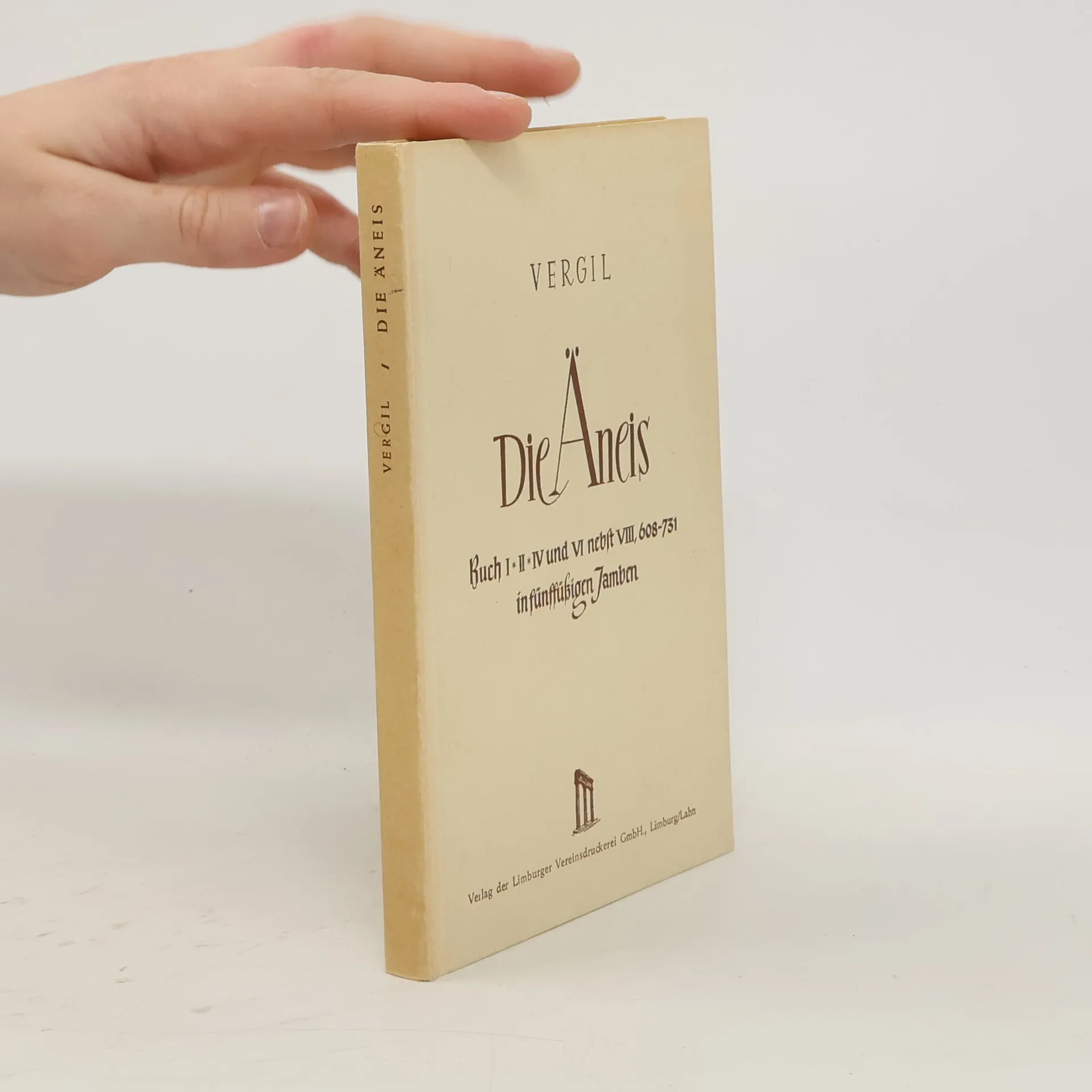
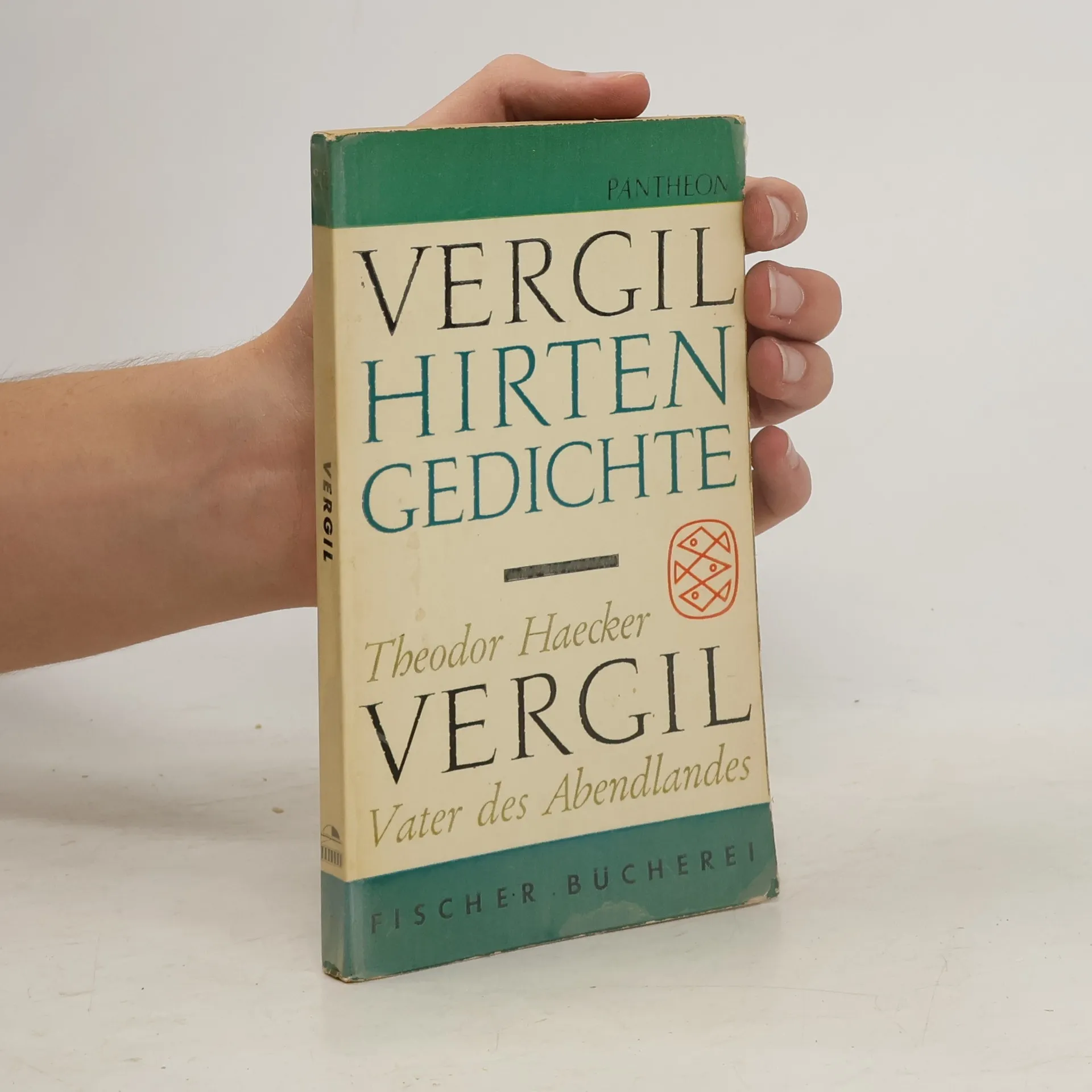
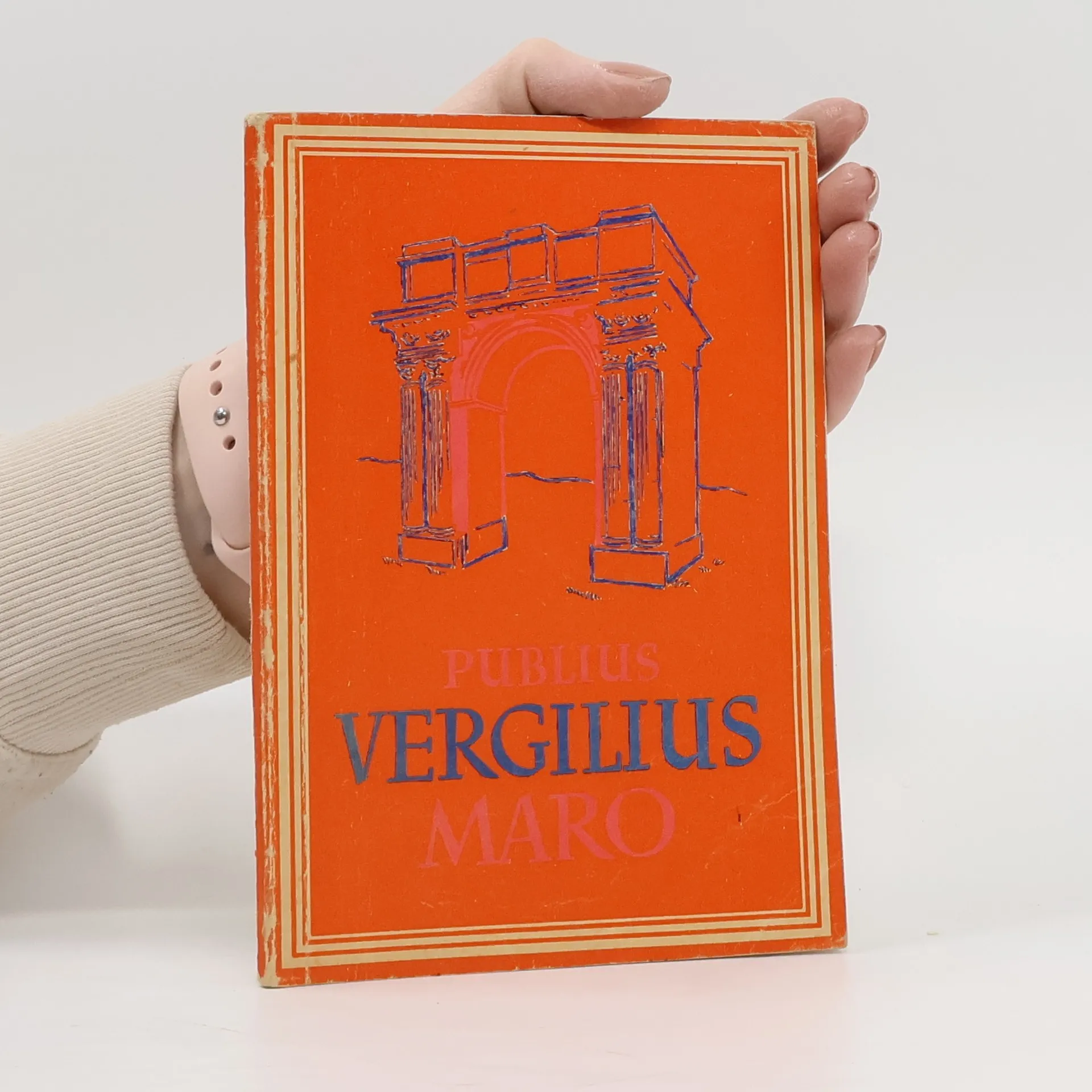
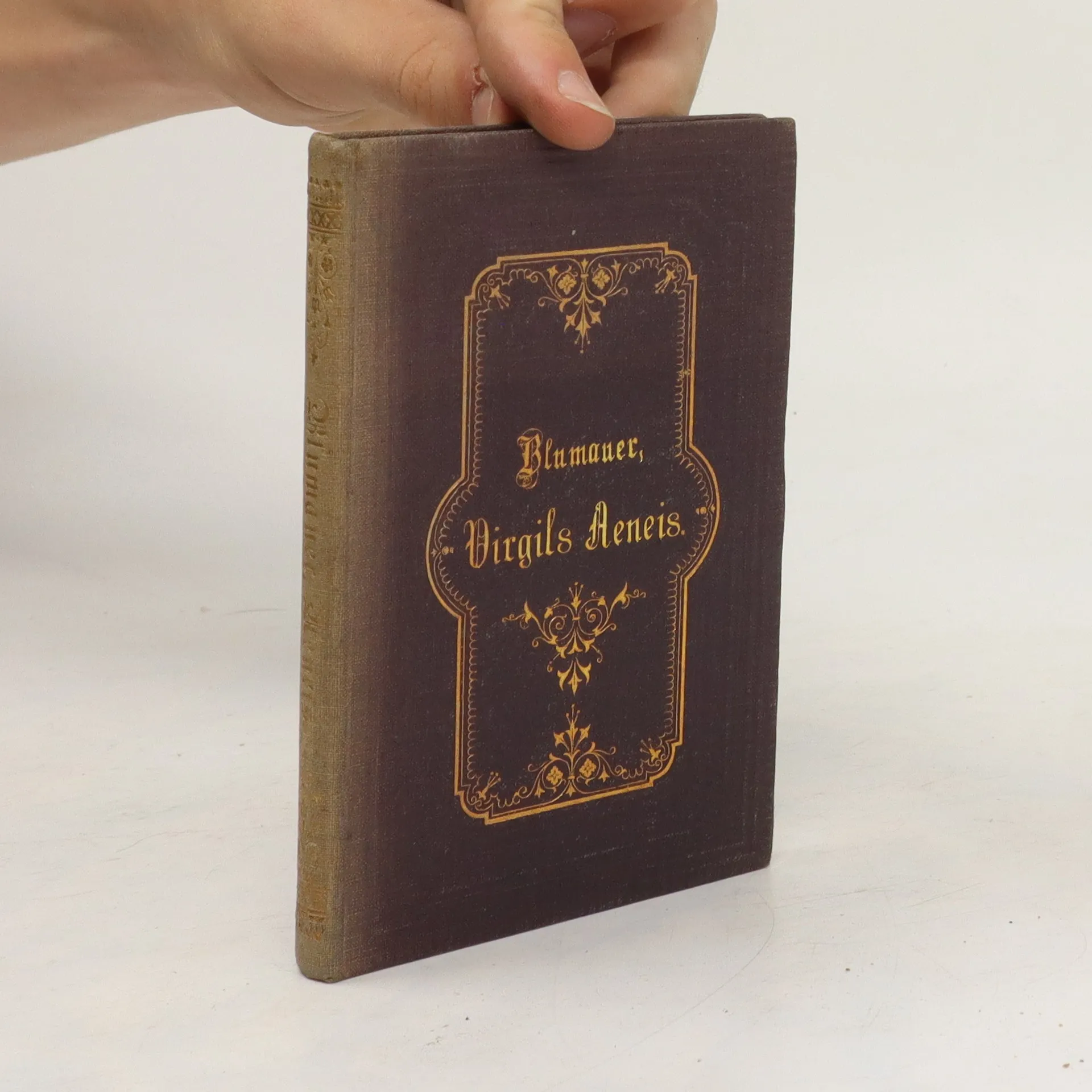
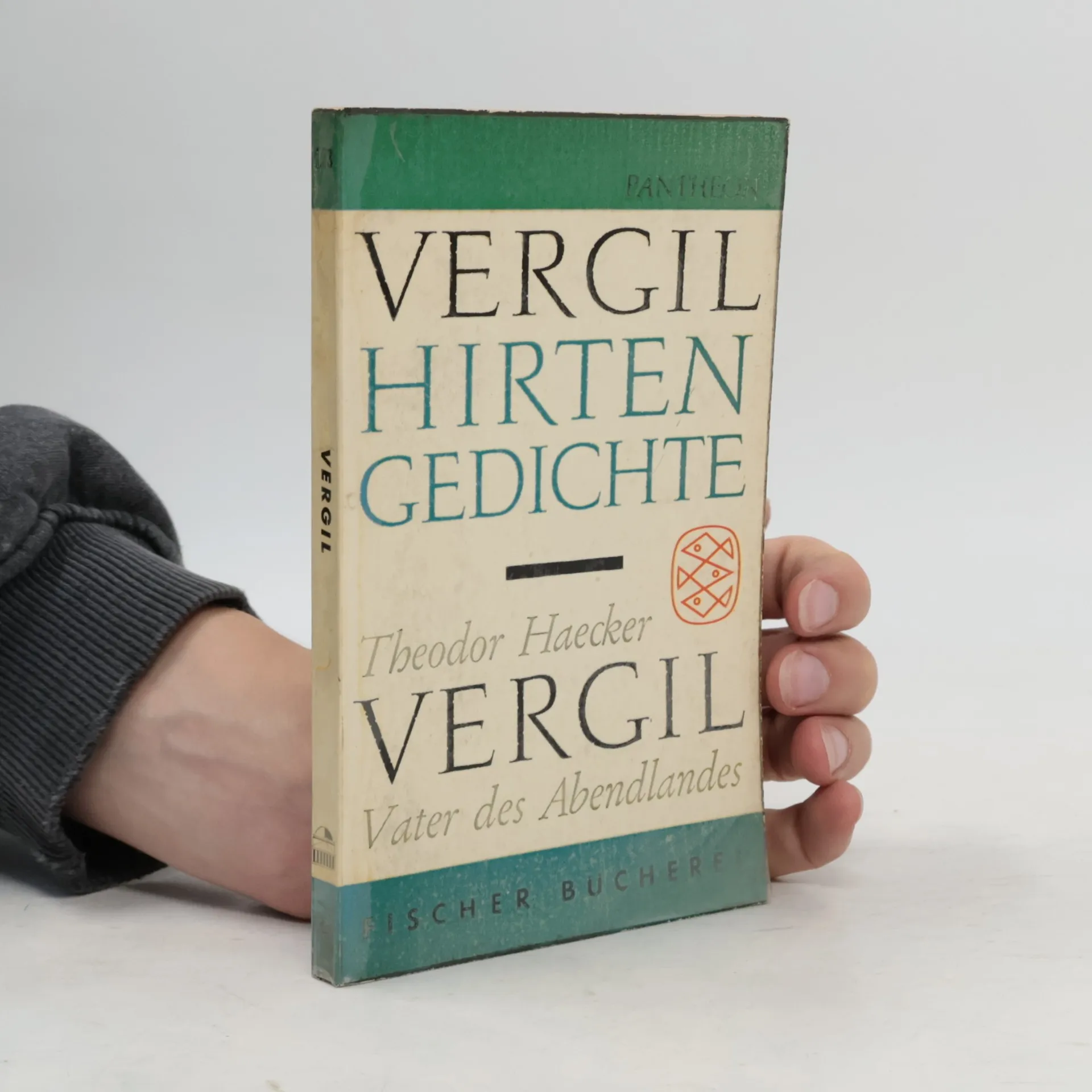
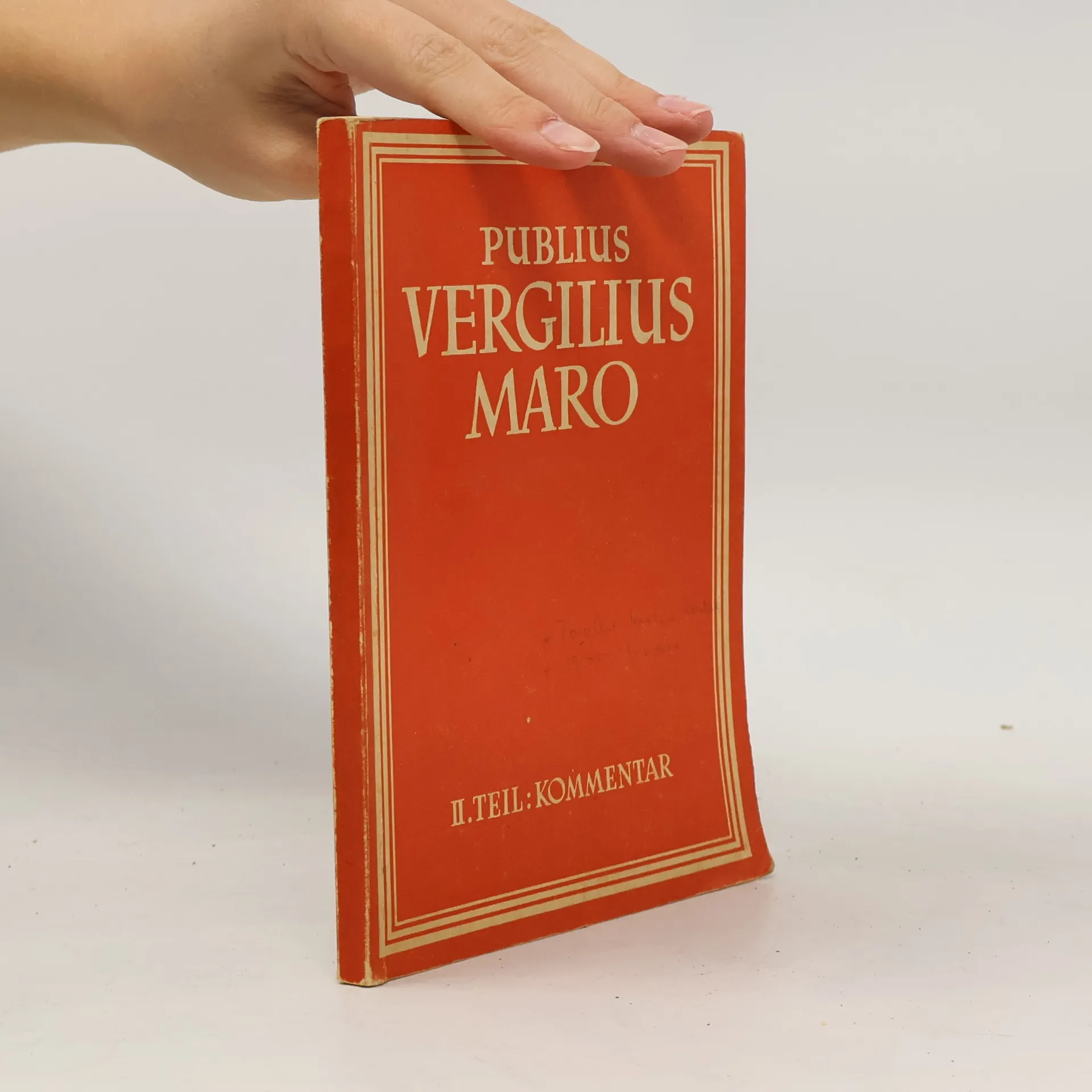
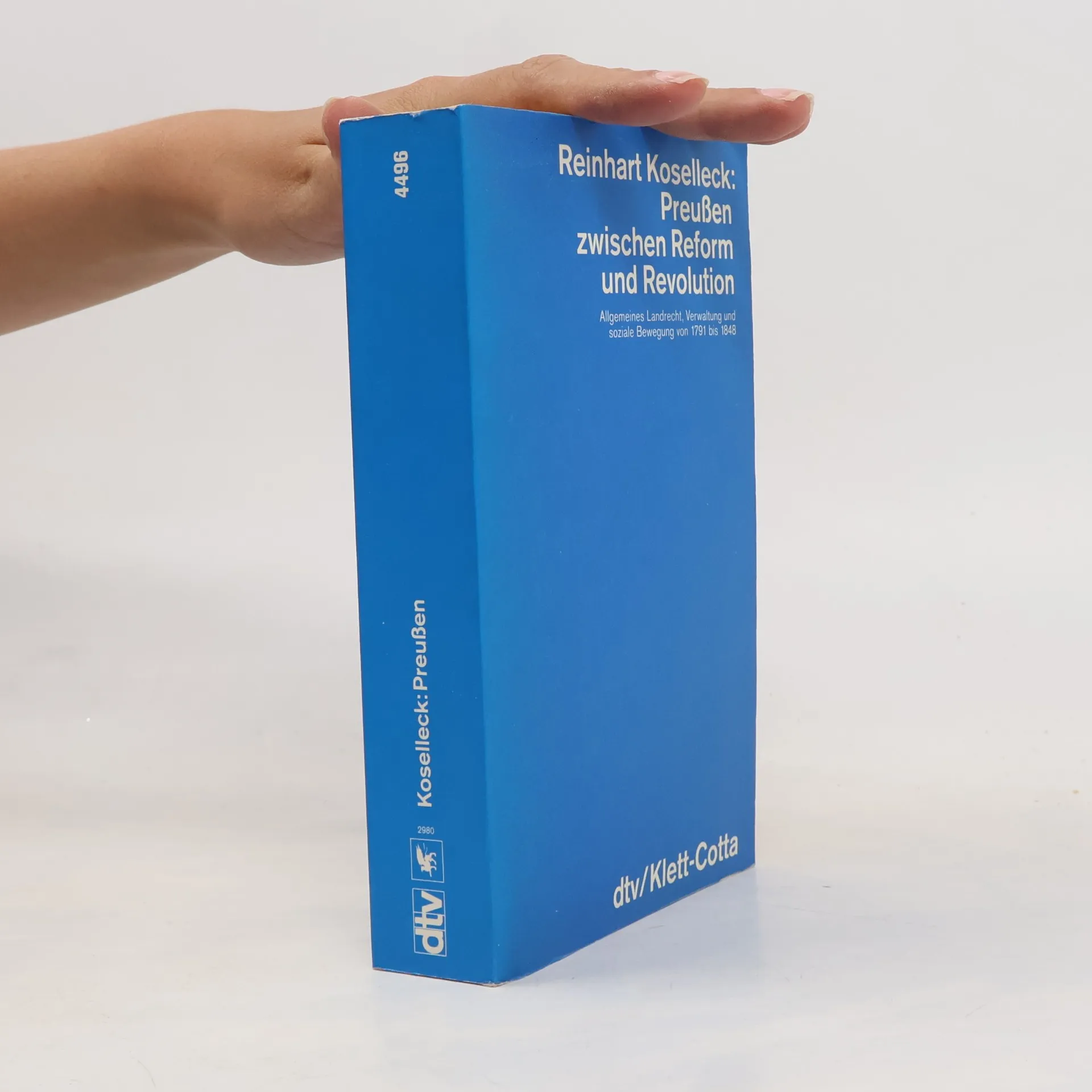
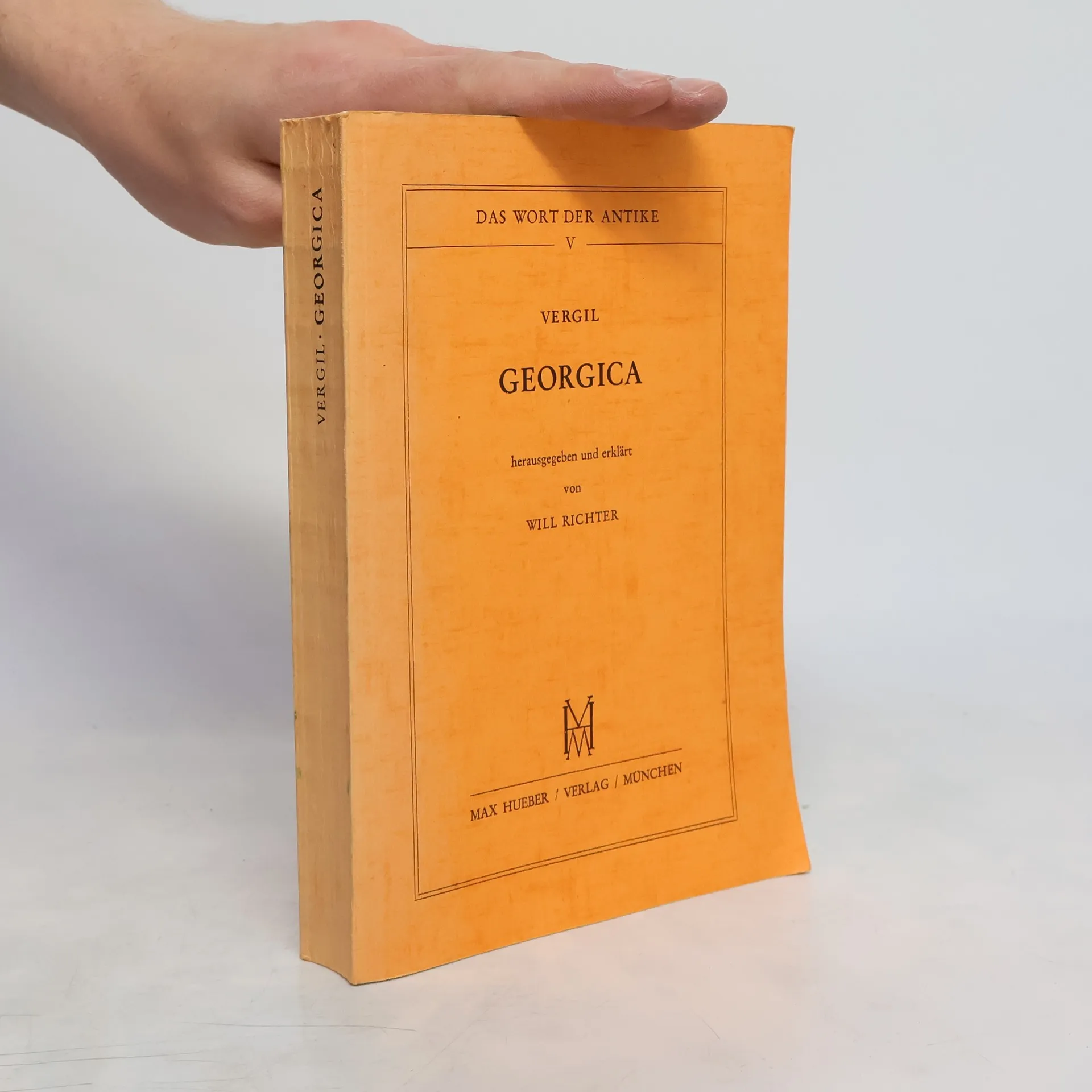
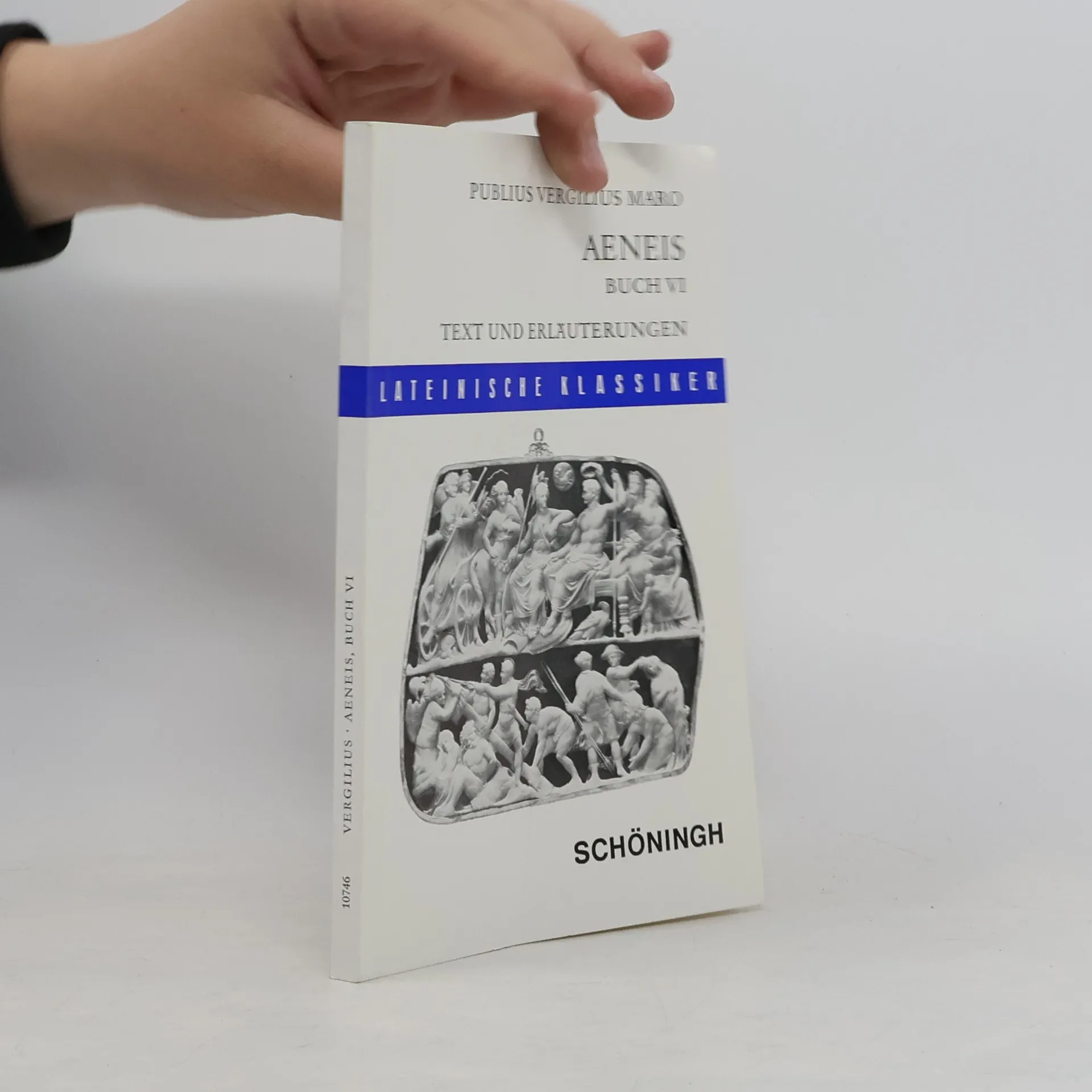
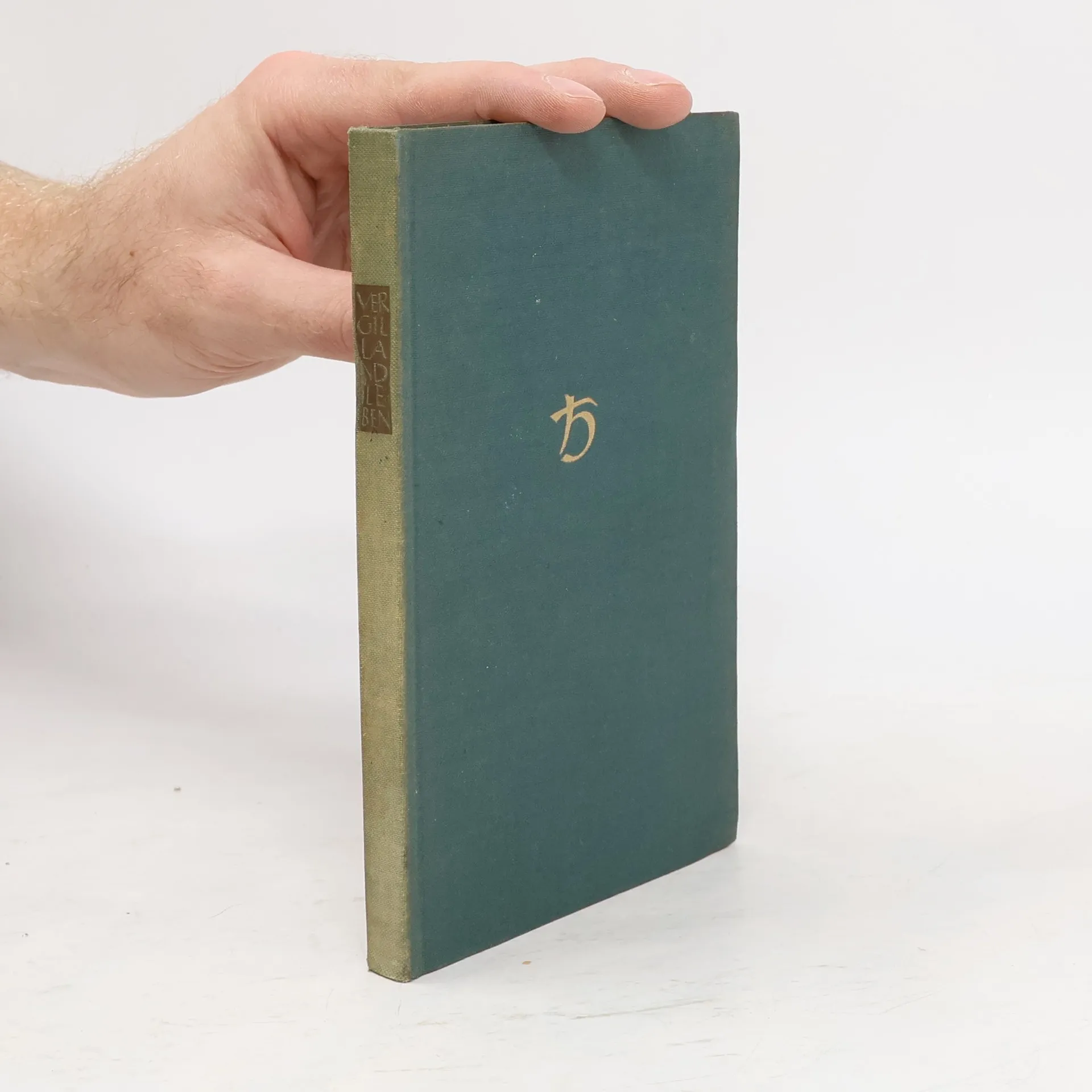
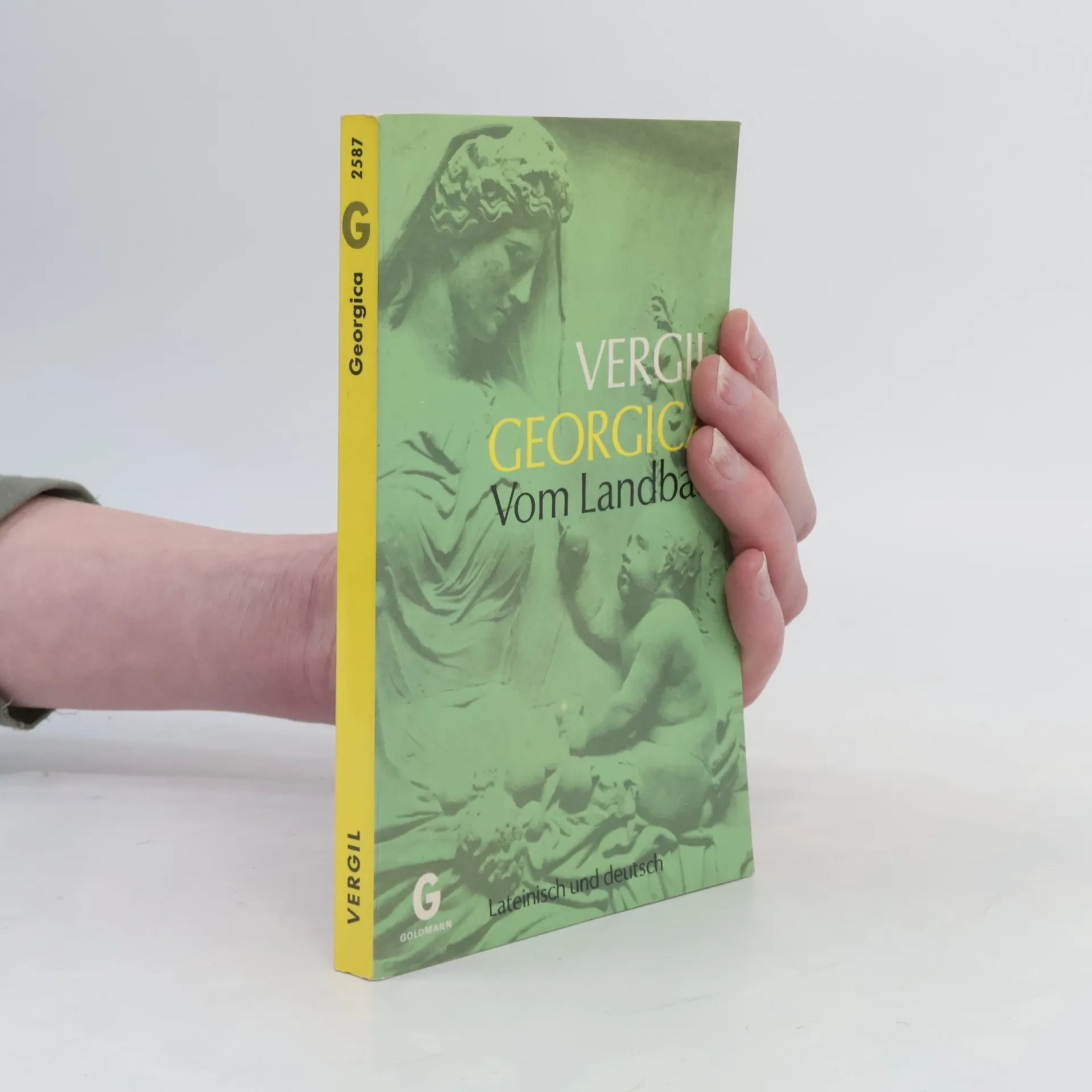
Vergils »Georgica« erfüllen alle Anforderungen, die man an ein Lehrgedicht über den Landbau stellen kann; sie unterrichten fachmännisch über Ackerbau, Wetterkunde, Baumzucht, Weinbau, Viehzucht und auch über die Imkerei. Aber Vergil transzendiert diesen Stoff, indem er die Liebe zum Land in einen Lobpreis ganz Italiens überhöht und den natürlichen Kreislauf zu einer eindrucksvollen Parabel über Werden und Vergehen umformt.
Publius Vergilius Maro Bücher


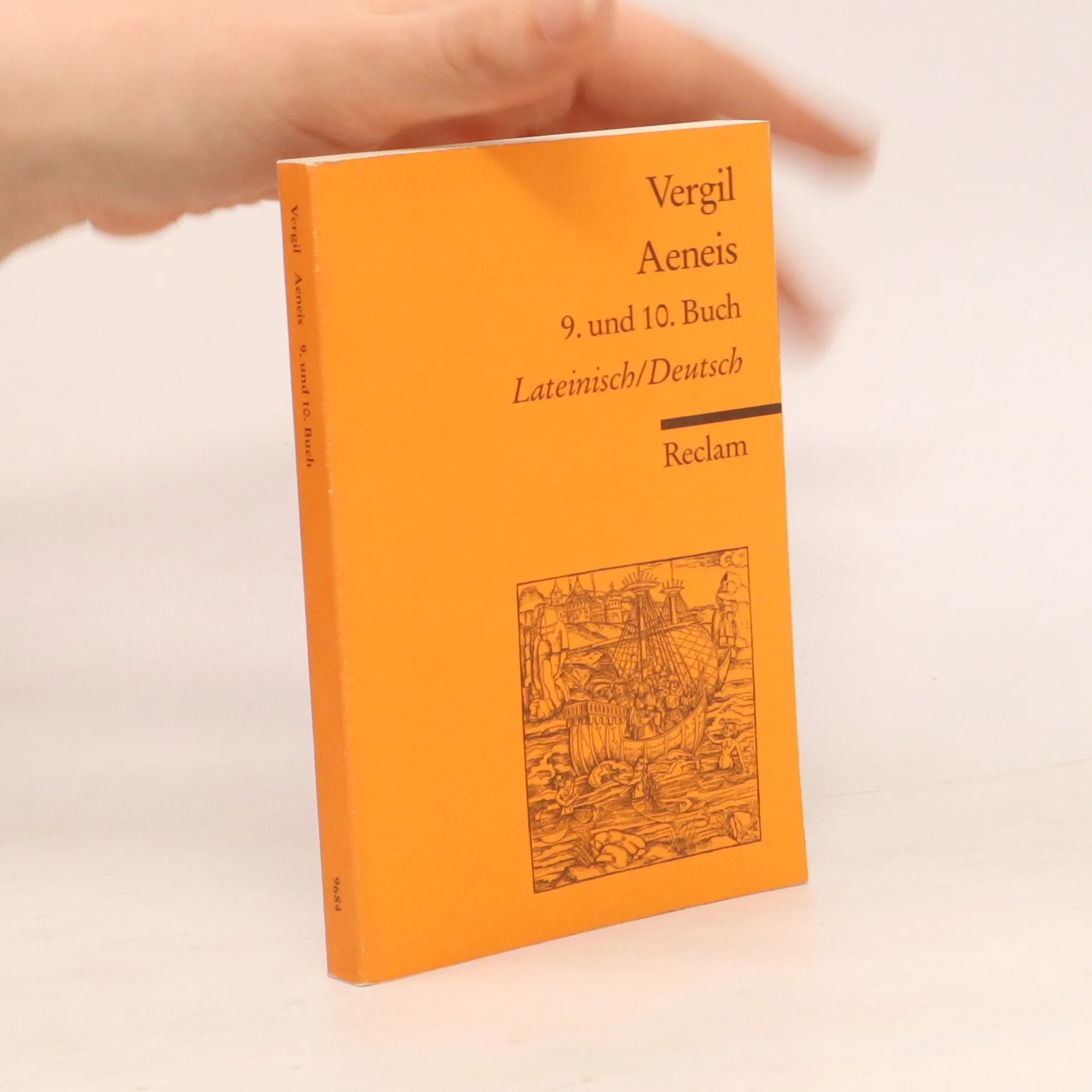
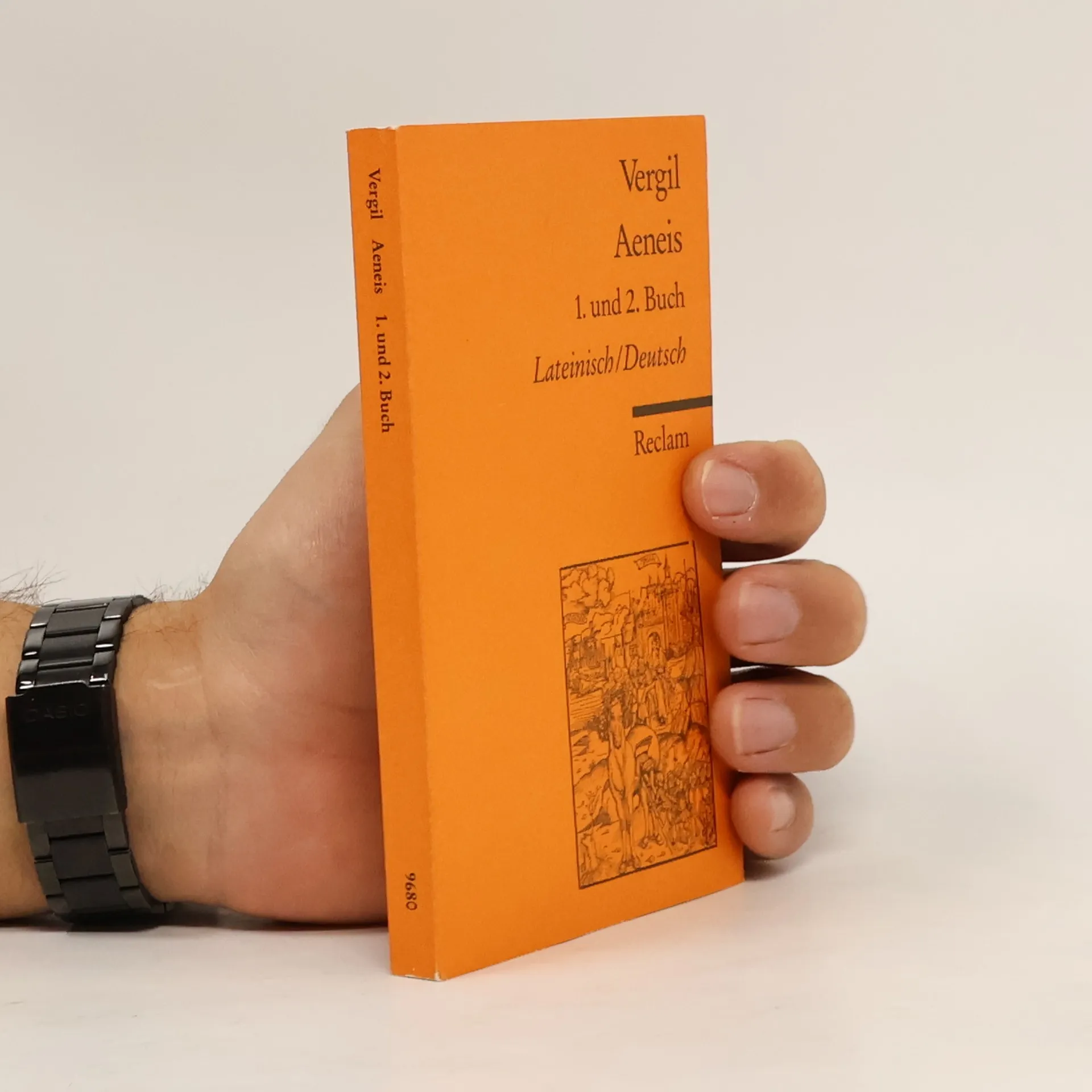
Aeneis, Lateinisch/Deutsch. Tl.9/10
- 255 Seiten
- 9 Lesestunden
Das lateinische Epos »Aeneis« erzählt vom Fall Troias nach zehnjähriger Belagerung durch die Griechen sowie von den abenteuerlichen Irrfahrten des Troianers Aeneas bis zu seiner Landung an der Westküste Italiens und seinem Sieg über den einheimischen Fürsten Turnus. Es wurde zum Nationalepos der Römer und übte nach Ende des Römischen Reiches starken Einfluss auf die europäische Literatur- und Geistesgeschichte aus. Preisgünstige einsprachige Ausgabe der ausführlich kommentierten Übersetzung von Edith und Gerhard Binder. Mit einem Verzeichnis der Eigennamen, Stammbaum der Iulier sowie reichem Kartenmaterial.
Aeneis, Lateinisch/Deutsch. Tl.7/8
- 251 Seiten
- 9 Lesestunden
Kort tid etter at han var ferdig med Georgica , begynte Vergil å skrive på sitt viktigste verk, et mystisk-heroisk epos som skulle konkurrere med Iliaden og Odysseen og som skulle være en hyllest til det romerske folk og dets hersker Augustus. Verket strekker seg over tolv bøker, og forteller om hvordan den trojanske helten Aineias klarer å flykte fra det falne Troja, om hans begivenhetsrike reiser på havet, og hvordan han ledes av gudene til Italia hvor han etter hvert slår seg til sammen med sine trojanske landsmenn. Romerne likte å tro at de var disse trojanernes etterkommere. Vergil døde før han fikk fullført Æneiden , og ba derfor på sitt dødsleie sine venner om å brenne verkets manuskripter. Heldigvis fulgte de ikke hans befaling. Flere av verselinjene i Æneiden er ikke skrevet ferdig. At ingen falt for fristelsen til å fullføre disse linjene, viser hvor stor autoritet Vergil hadde allerede i sin samtid.
Mythos Orpheus
- 291 Seiten
- 11 Lesestunden
Orpheus: der erste Sänger, der Erfinder der Musik, der in der Trauer über den Tod Eurydikes die Kraft findet, die Götter der Unterwelt herauszufordern – und scheitert. Wie ist sein Gang in die Unterwelt erzählt worden? Wie wurde sein verbotener Blick zurück verstanden? Was bedeutet sein Tod? Der erste, der sich in ihm erkannt hat, war Vergil, Ovid berichtet von ihm in seinen »Metamorphosen«; die Kirchenväter sahen Christus in ihm, einen Überwinder des Todes. Bis in die Gegenwart ist der Mythos von Orpheus ein Bild für den Künstler schlechthin. Und schließlich haben Autorinnen begonnen, von Eurydike zu erzählen …
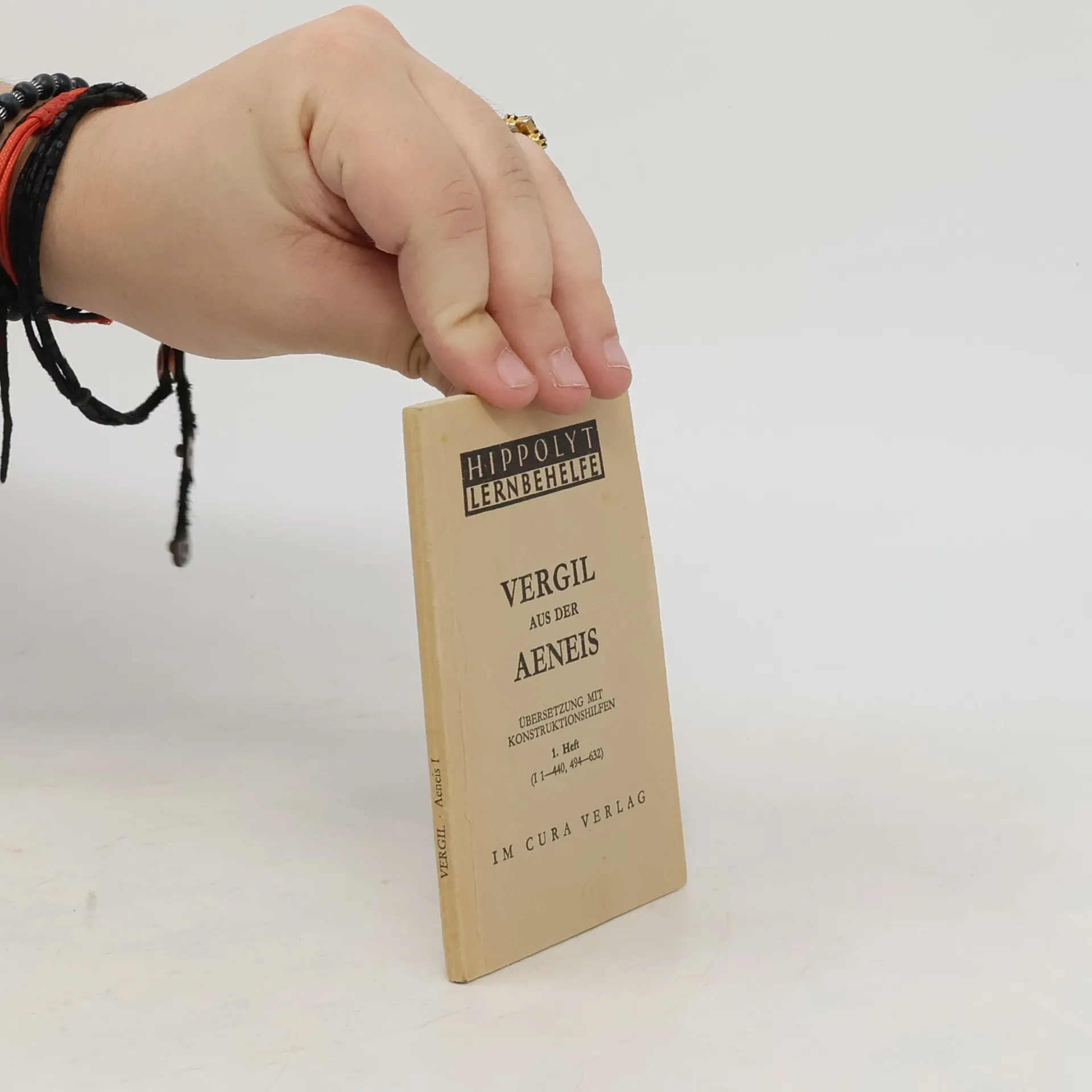
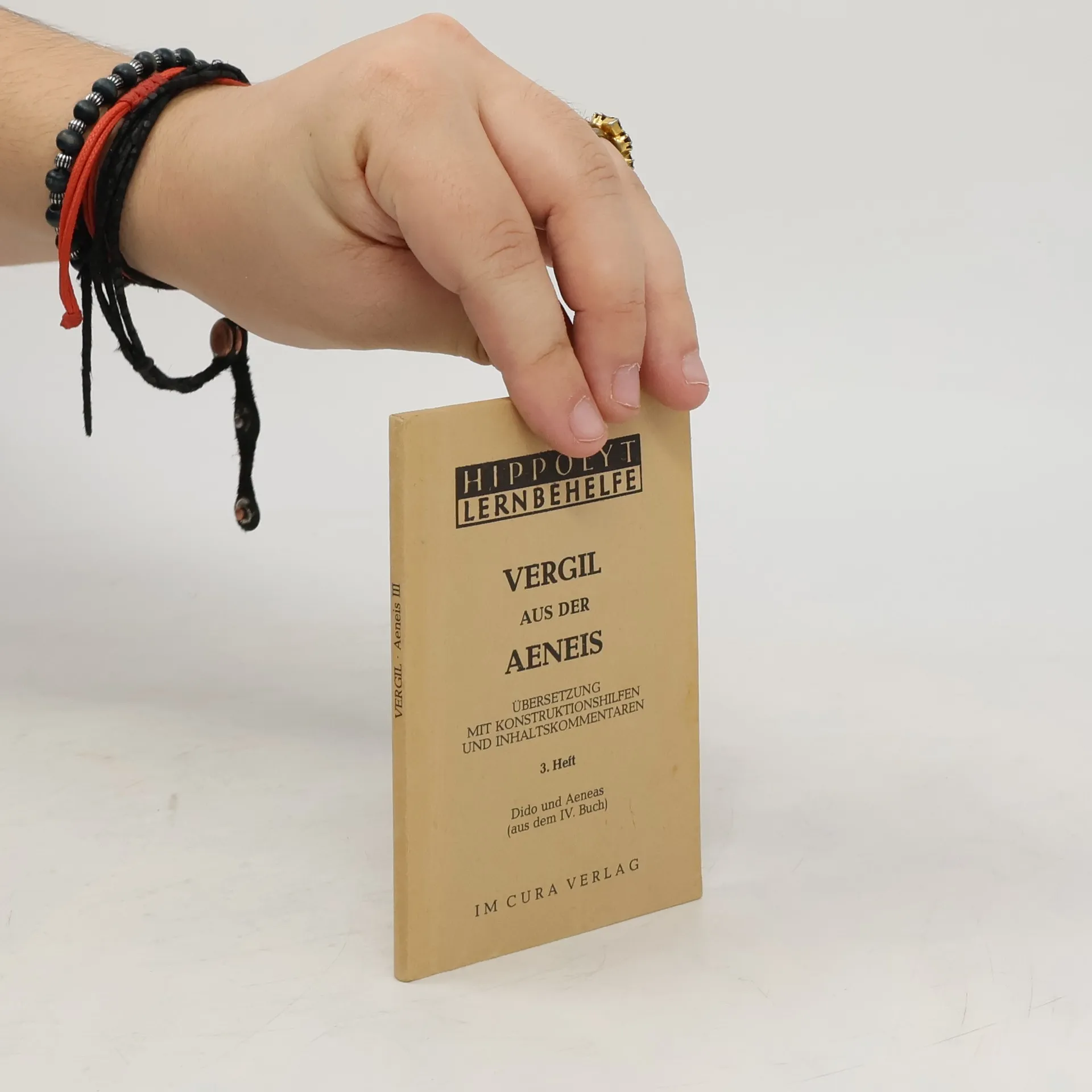
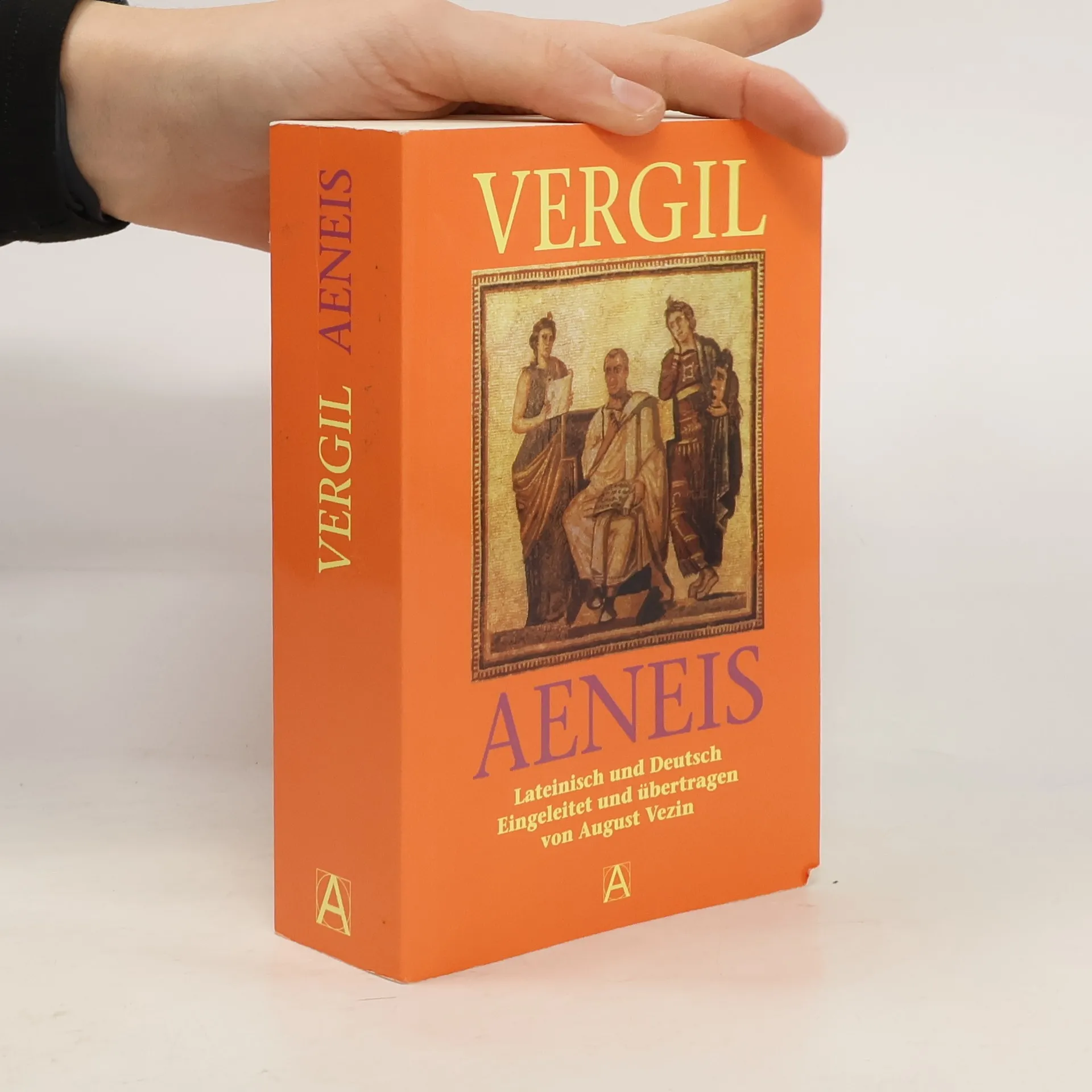
Mit der »Aeneis« hat Vergil ein Epos geschaffen, das nicht nur die Nationaldichtung der Römer werden sollte, sondern auch das Vorbild aller lateinischen Epik. Dieser Erfolg des Werkes, das auch später in Mittelalter und Neuzeit starken Einfluss auf die europäische Geistesgeschichte ausübte, ist der Leistung Vergils zu verdanken, die Geschichte des römischen Gründervaters Aeneas in vollendete poetische Form zu gießen.
Aeneis, Lateinisch/Deutsch
- 202 Seiten
- 8 Lesestunden
Testo originale a fronte. Poema di viaggi e d'avventure, di guerre e d'amore; celebrazione del regime augusteo e riaffermazione del mos maiorum come ideale modello di virtù civili e religiose, die Eneide costituisce il testo fondamentale della civiltà classica dell'Occidente. Virgilio si prefigge l'imitazione di Omero e l'esaltazione di Augusto a partire dai leggendari antenati troiani e latini: un intreccio di motivi perfettamente fusi nel tessuto poetico scandito dall'esametro epico, flessibilissimo e ordinato. Un Omero capovolto: il peregrinare di Enea non è una ricerca della via del ritorno ma una navigazione verso l'ignoto; i combattimenti non sfociano nella distruzione di una città, ma nella fondazione della nuova capitale, Lavinio, da cui Alba Longa e la gloria di Roma. Il mondo augusteo è visto da un punto d'osservazione infinitamente lontano nel tempo: squarci profetici inseriscono nella trama narrativa schegge del presente in cui vive il poeta, così come certi flash-back riallacciano l'età repubblicana al passato mitico dell'epopea di Troia.
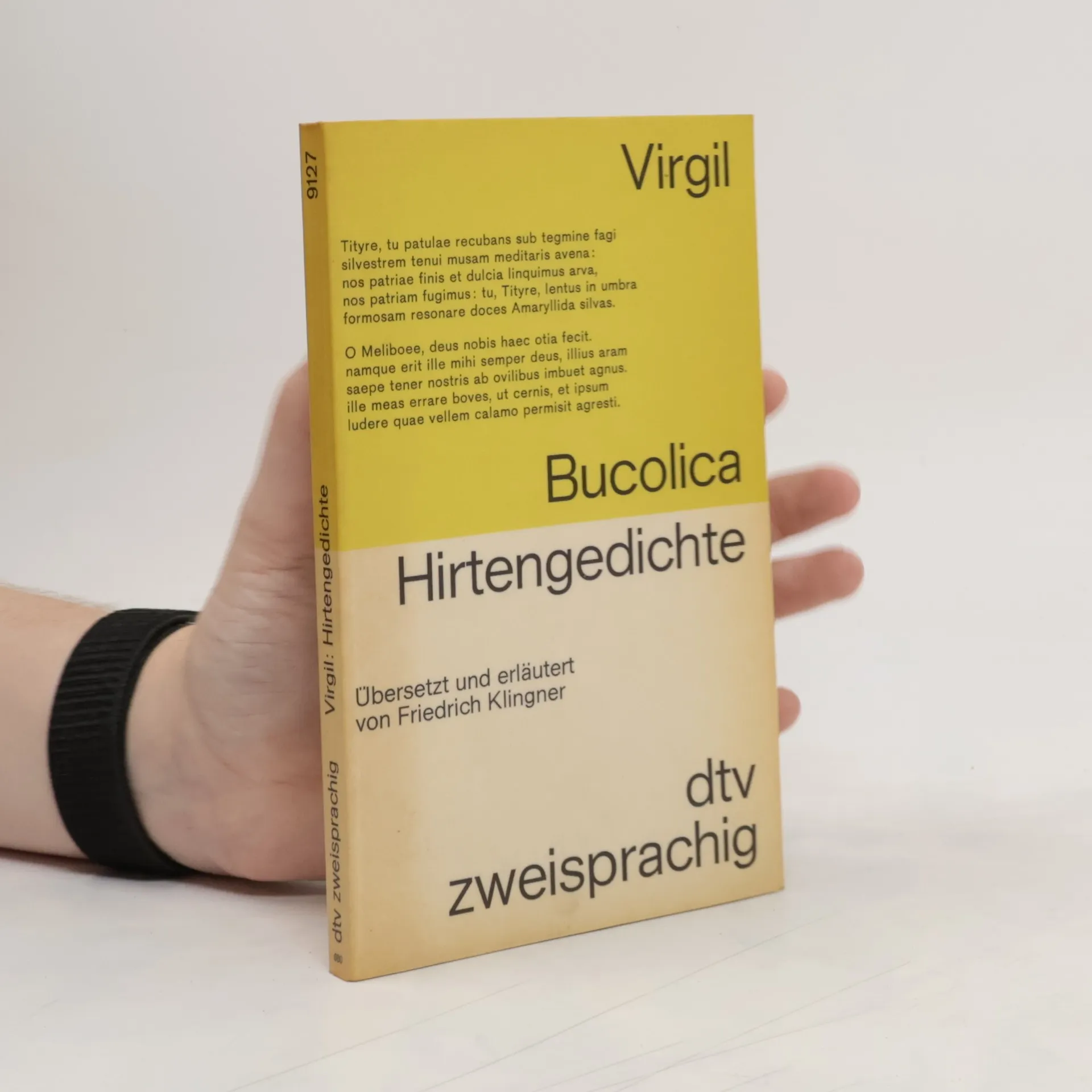
Bucolica
- 180 Seiten
- 7 Lesestunden
Vergilius' Bucolica ist eine Sammlung von zehn idyllischen Gedichten, die das ländliche Leben und die Schönheit der Natur feiern. Die Werke sind geprägt von einer tiefen Verbundenheit zur Natur und thematisieren die Harmonie zwischen Mensch und Umwelt. Die Gedichte bieten Einblicke in das Leben der Hirten, ihre Liebe, ihre Sorgen und ihre Beziehungen zueinander. Vergilius nutzt eine reiche Bildsprache und musikalische Sprache, um die Emotionen und das einfache, aber erfüllte Leben der ländlichen Gemeinschaften darzustellen. Die Bucolica reflektiert auch die Themen der Vergänglichkeit und der Sehnsucht nach einer idealisierten Vergangenheit, während sie gleichzeitig die Herausforderungen des Lebens im Einklang mit der Natur thematisiert. Diese poetische Arbeit hat einen bedeutenden Einfluss auf die Literatur und die Darstellung des ländlichen Lebens in der westlichen Kultur.
Aeneis
Kommentar
Aeneis
12 Gesänge
Landleben
Catalepton, Bucolica, Georgica
Aeneis
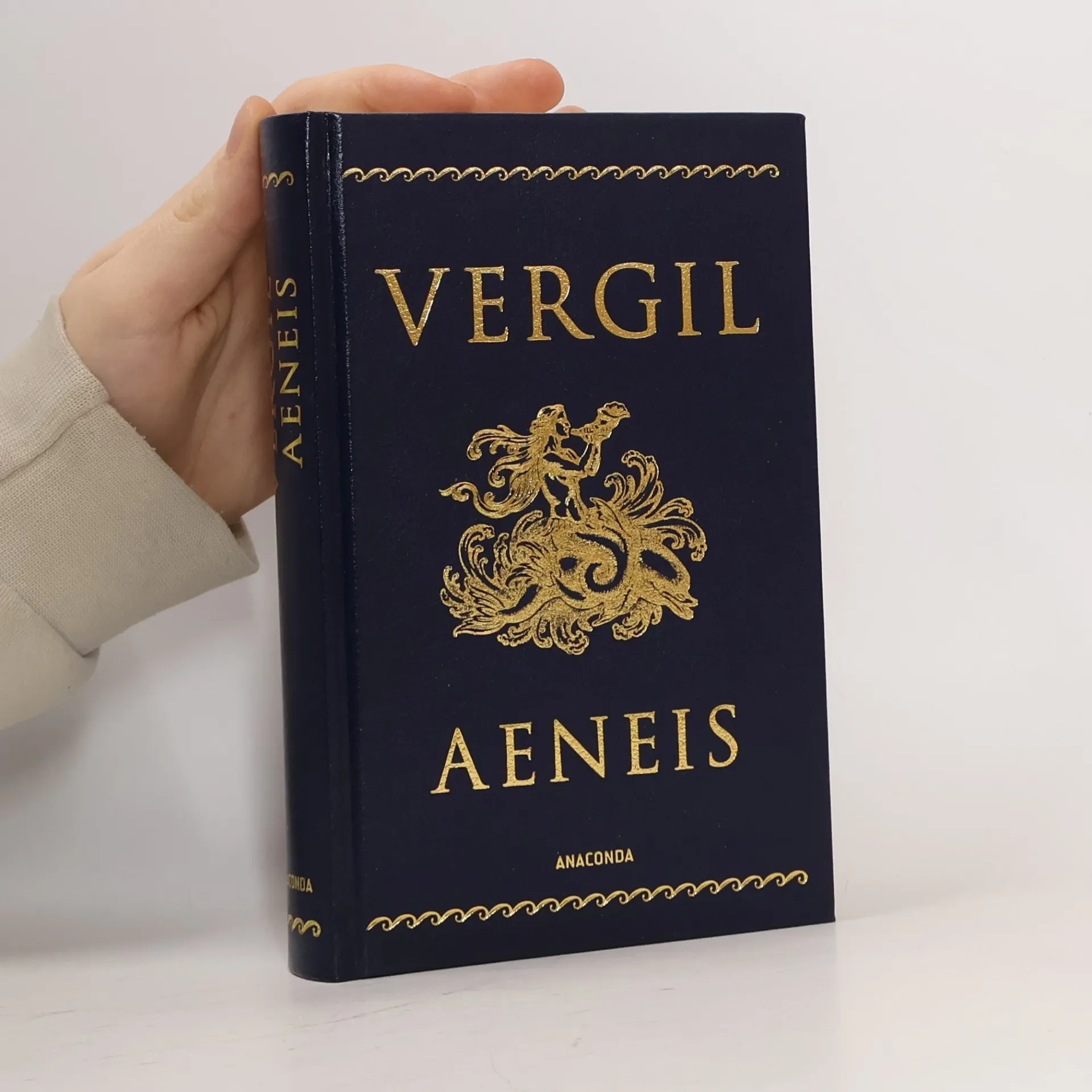
Klassisch gebunden in Cabra-Leder, mit Goldprägung
Die Geschichte der Irrfahrten des Aeneas bis zu dessen Ankunft in Latium galt lange als das Nationalepos der Römer, als Gründungsmythos des römischen Volkes und bis in die Neuzeit als Vorbild für wahrhaft große Dichtung. Die 'Aeneis', entstanden gegen Ende des ersten Jahrhunderts v. Chr., ist das bekannteste und das bedeutendste Werk der lateinischen Dichtkunst. Diese Geschenkausgabe erscheint in edlem Cabra-Leder.
Aeneis
Publius Vergilius Maro
Vergils Aeneis ist ein zentrales Werk der lateinischen Literatur und erzählt den Gründungsmythos des Römischen Reiches. Es knüpft an Homers Stil an und bietet trotz seines Versmaßes spannende Lesemomente. Das Epos thematisiert Frieden, Einheit und die römischen Tugenden von Kampf und Milde.
Vergil 2
- 119 Seiten
- 5 Lesestunden
Vergil 1
- 127 Seiten
- 5 Lesestunden
Zweisprachige Ausgabe des 1. Buchs, übersetzt und herausgegeben von Edith und Gerhard Binder. Enthält 16 Abbildungen und umfasst 168 Seiten.
Der Band enthält neu übersetzte Gedichte, die Vergil zugeschrieben werden, jedoch wahrscheinlich nicht von ihm stammen, sowie die bedeutendsten Vergil-Viten. Werke wie der Culex und das Moretum zählen zu den faszinierendsten Texten der römischen Literatur.
Sämtliche Werke
- 549 Seiten
- 20 Lesestunden
Vergil Sämtliche Werke (Hirtengedichte-Landbau-Katalepton-Aeneis) - bk1486; Heimeran Verlag; Hrg. Johannes & Maria Götte; Paperback; 1972
Landleben
- 881 Seiten
- 31 Lesestunden
Betrifft die Handschriften Codd. 165, 167 und 172 der Burgerbibliothek Bern
Preußen zwischen Reform und Revolution
Allgemeines Landrecht, Verwaltung und soziale Bewegung von 1791 bis 1848
Auswahl aus Aeneis, Georgica, Bucolica
- 130 Seiten
- 5 Lesestunden
Ratio - 38: Aeneis
- 103 Seiten
- 4 Lesestunden
Reclam Bibliothek: Leben auf dem Lande. Bucolica - Georgica
- 548 Seiten
- 20 Lesestunden
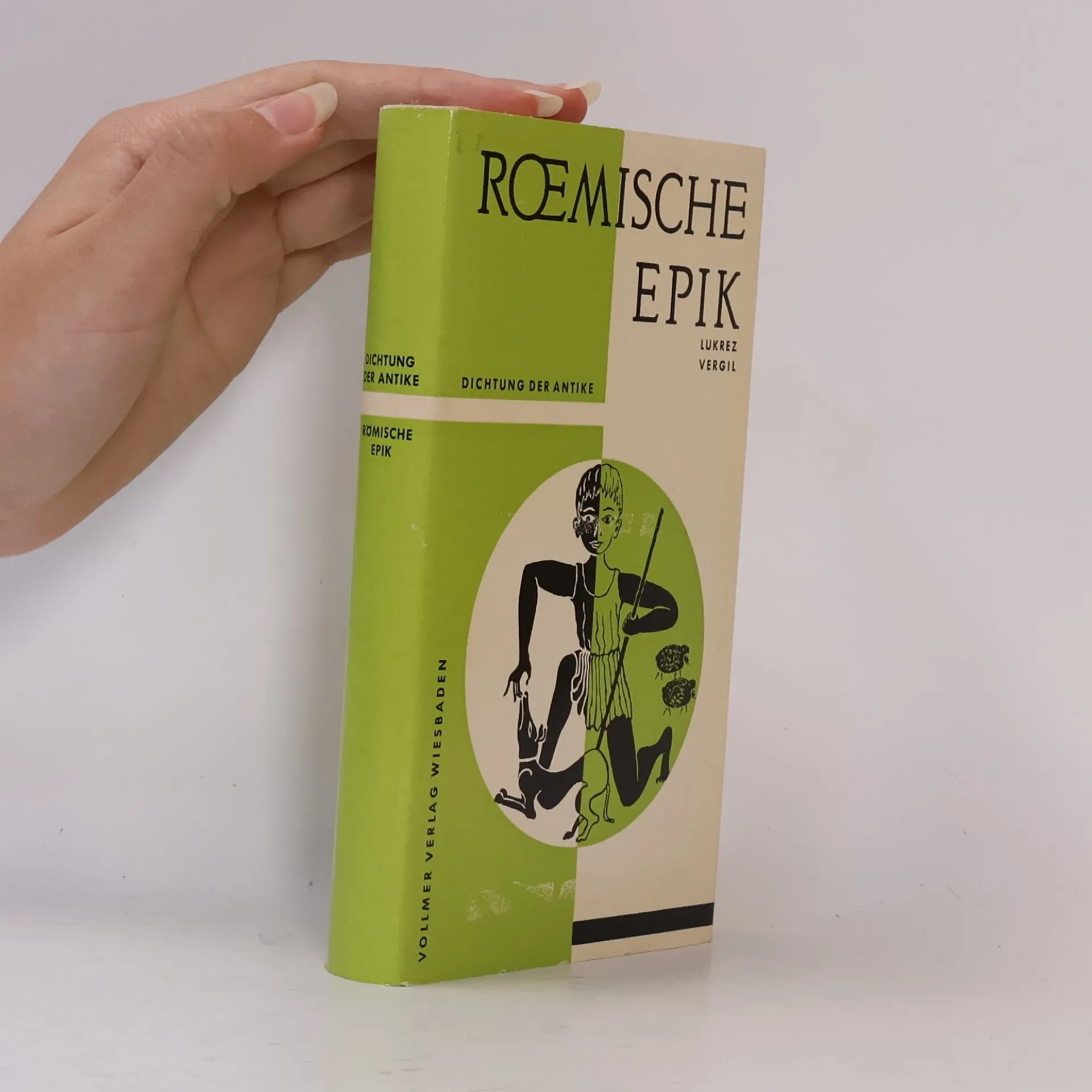
Dichtung der Antike VI
in hervorragenden klassischen und neuen übersetzungen in elf bänden
Dichtung der Antike X
in hervorragenden klassischen und neuen übersetzungen in elf bänden
Hirtengedichte.
(Eklogen)
Eclogues and Georgics
- 260 Seiten
- 10 Lesestunden
Focusing on the musicality of language, this translation of Vergil's Eclogues and Georgics captures the essence of Latin poetry as both written and performative art. James Bradley Wells blends creative practice with a deep understanding of contemporary poetry and classical antiquity, offering a fresh perspective on these early works of ancient Rome's renowned poet. His approach emphasizes the original spirit of Vergil's poetry, making it accessible and resonant for modern readers.
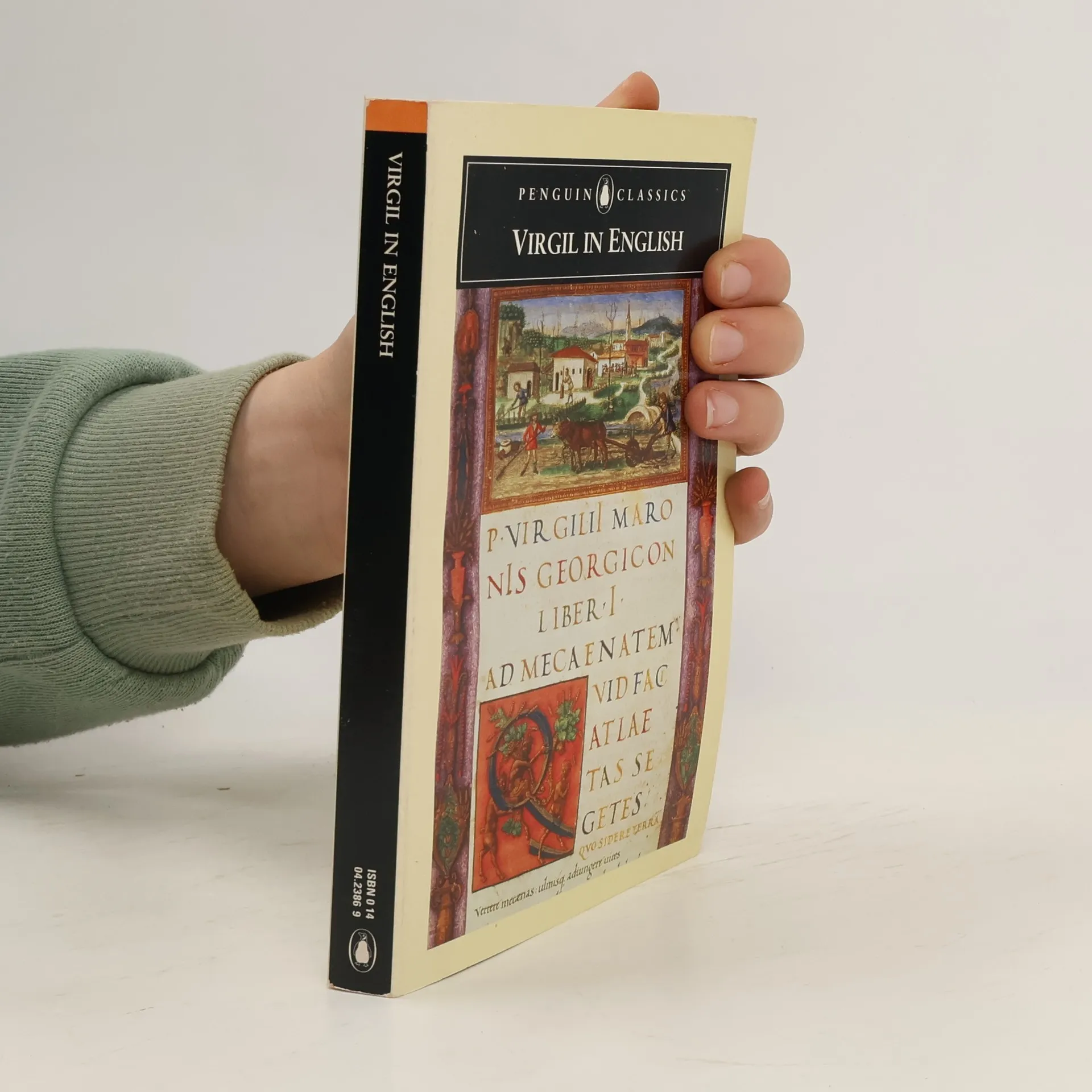
For T. S. Eliot, Virgil was not merely one of the great masters but 'our classic, the classic of all Europe'. Perhaps no other writer has generated a longer and larger tradition of commentary, translation and imitation.From Chaucer to W. H. Auden and Robert Lowell, Virgil is a defining presence in English poetry. The Eclogues and Georgics inspired the pastorals of Spenser, Milton and Pope; the Aeneid's pathos, spiritual insights and long-suffering hero - who struggles with doubt, despair and the loss of everything he loves to found the Roman race - made it the model epic. Dryden's complete Virgil in heroic couplets sums up the supersedes his predecessors, yet later translators include Wordsworth, William Morris, Robert Bridges and Cecil Day Lewis. This selection consists largely of extracts from straight translations, along with a number of pieces illustrating Virgil's influence; celebrated episodes like the death of Dido and Aeneas's descent into the underworld appear in several different versions.
Penguin Great Loves: Doomed Love
- 130 Seiten
- 5 Lesestunden
Love can be hopelessFrom the fall of Troy to the deadly Harpies, Aeneas’ epic voyage is filled with tragedy, destruction and omens of danger. As he recounts his adventures to Dido, who gives him sanctuary, they fall in love. But the Gods intervene and Aeneas realizes their relationship cannot last.
Great Books of the Western World 13: Virgil
1964-65 New York World's Fair
O Cruel Alexis
- 64 Seiten
- 3 Lesestunden
'But I, while vineyards ring with the cicadas' scream, Retrace your steps, alone, beneath the burning sun.' Virgil's lyrical, wistful and often witty pastoral poems. Introducing Little Black Classics: 80 books for Penguin's 80th birthday. Little Black Classics celebrate the huge range and diversity of Penguin Classics, with books from around the world and across many centuries. They take us from a balloon ride over Victorian London to a garden of blossom in Japan, from Tierra del Fuego to 16th-century California and the Russian steppe. Here are stories lyrical and savage; poems epic and intimate; essays satirical and inspirational; and ideas that have shaped the lives of millions. Publius Vergilius Maro (70-19 BCE). Virgil's other works available in Penguin Classics are The Aeneid, The Eclogues and The Georgics.