Im letzten Drittel des 20. Jahrhunderts wurden die traditionellen Berufsethiken in der Medizin durch neue Entwicklungen in den Lebenswissenschaften herausgefordert. Das Buch untersucht die hippokratische Tradition und integriert moralphilosophische Überlegungen, um gängige Annahmen in der biomedizinischen Wissenschaft und Gesundheitsversorgung zu hinterfragen.
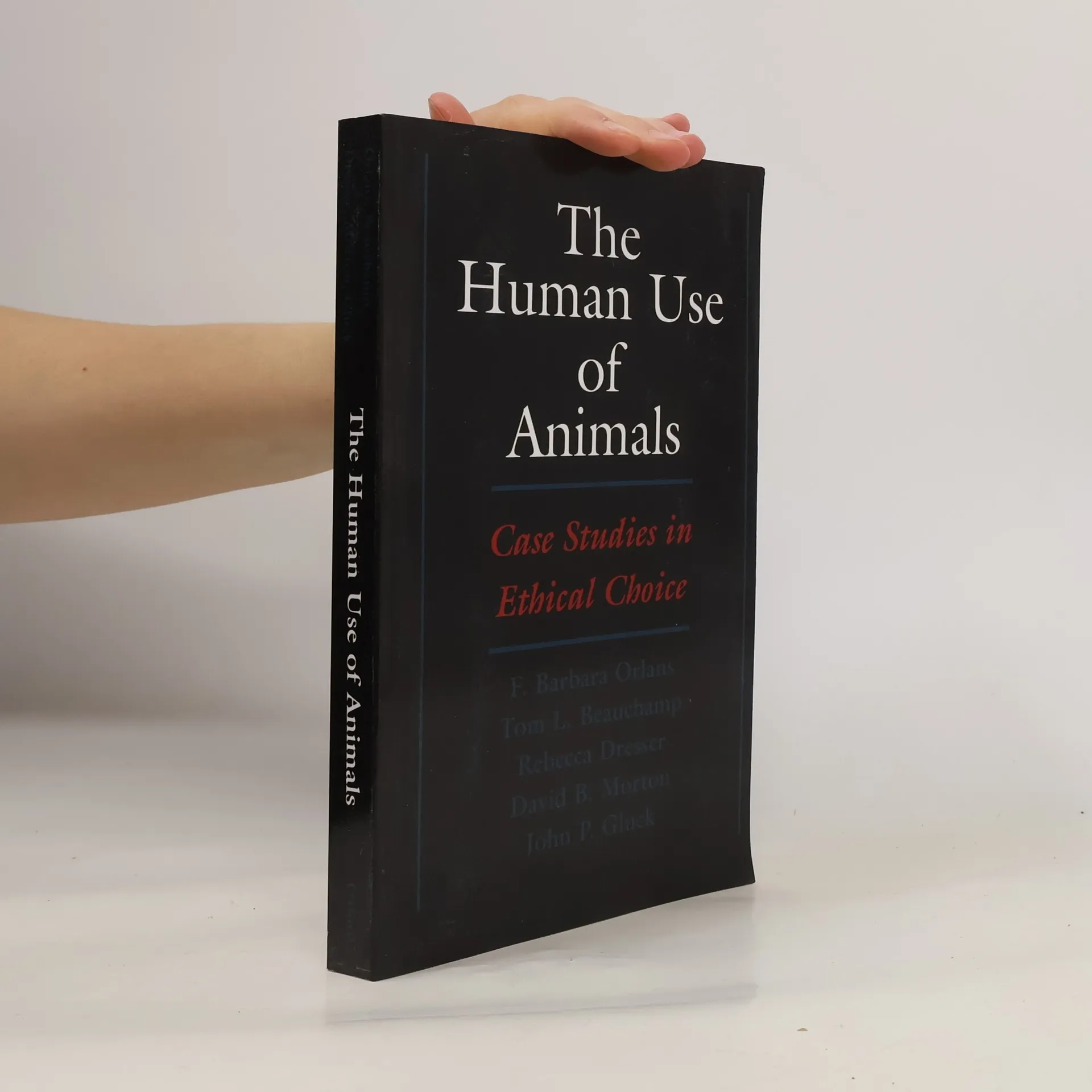
The first set of case studies on animal use, this volume offers a thorough, up-to-date exploration of the moral issues related to animal welfare. Its main purpose is to examine how far it is ethically justifiable to harm animals in order to benefit mankind. An excellent introduction provides a framework for the cases and sets the background of philosophical and moral concepts underlying the subject.Sixteen original, previously unpublished essays cover controversies associated with the human use of animals in a broad range of contexts, including biomedical, behavioral, and wildlife research, cosmetic safety testing, education, the food industry, commerce, and animal use as pets and in religious practices. Scientific research is accorded the closest scrutiny. The authors represent a wide range of expertise within their specialized areas of research--physiology, public policy, ethics, philosophy, law, veterinary science, and psychology. The careful analysis of each case makes it possible to elevate the discourse beyond over-simplified positions, and to demonstrate the complexity of the issues. The Human Use of Animals will be welcomed by students and faculty in law, philosophy, ethics, public policy, religion, medicine, and veterinary medicine. It will also interest activists in the animal protection movement, and members of animal protection organizations and Institutional AnimalCare and Use Committees.
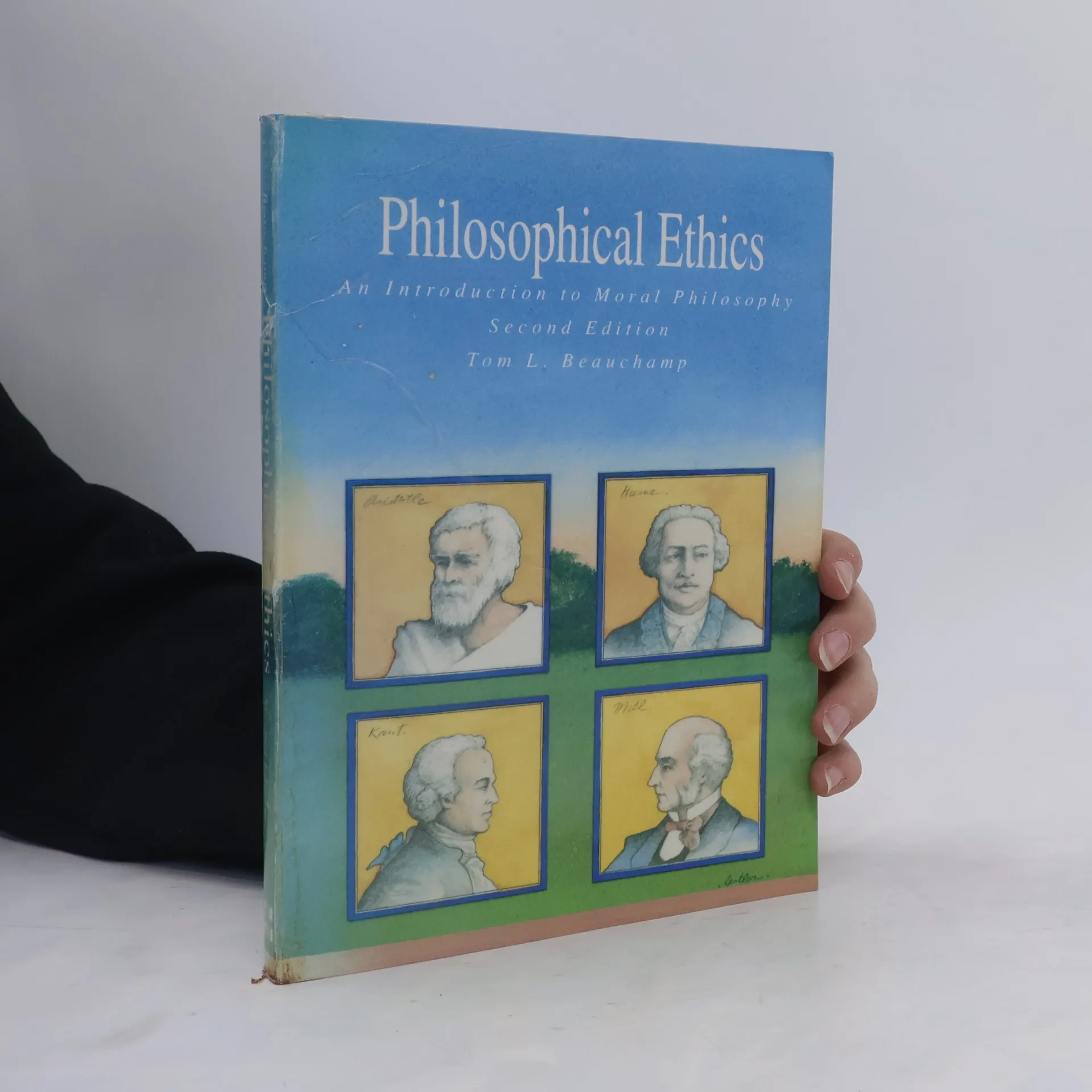
An Introduction to Moral Philosophy - Second Edition
448 Seiten
16 Lesestunden
This accessible overview of classical and modern moral theory with short readings provides comprehensive coverage of ethics and unique coverage of rights, justice, liberty and law. Real-life cases introduce each chapter. While the book's content is theoretical rather than applied ethics, Beauchamp consistently applies the theories to practical moral problems. Aristotle, Hume, Kant, and Mill are at the books core and they are placed in the context of moral philosophical controversies of the last 30 years. In this edition one-third of the reading selections are new and all the selections in chapter 8 on rights are new. Chapter 7 on Hume has been heavily reshaped. Chapter 1 has been reduced to get students past introductory material and into the philosophers.
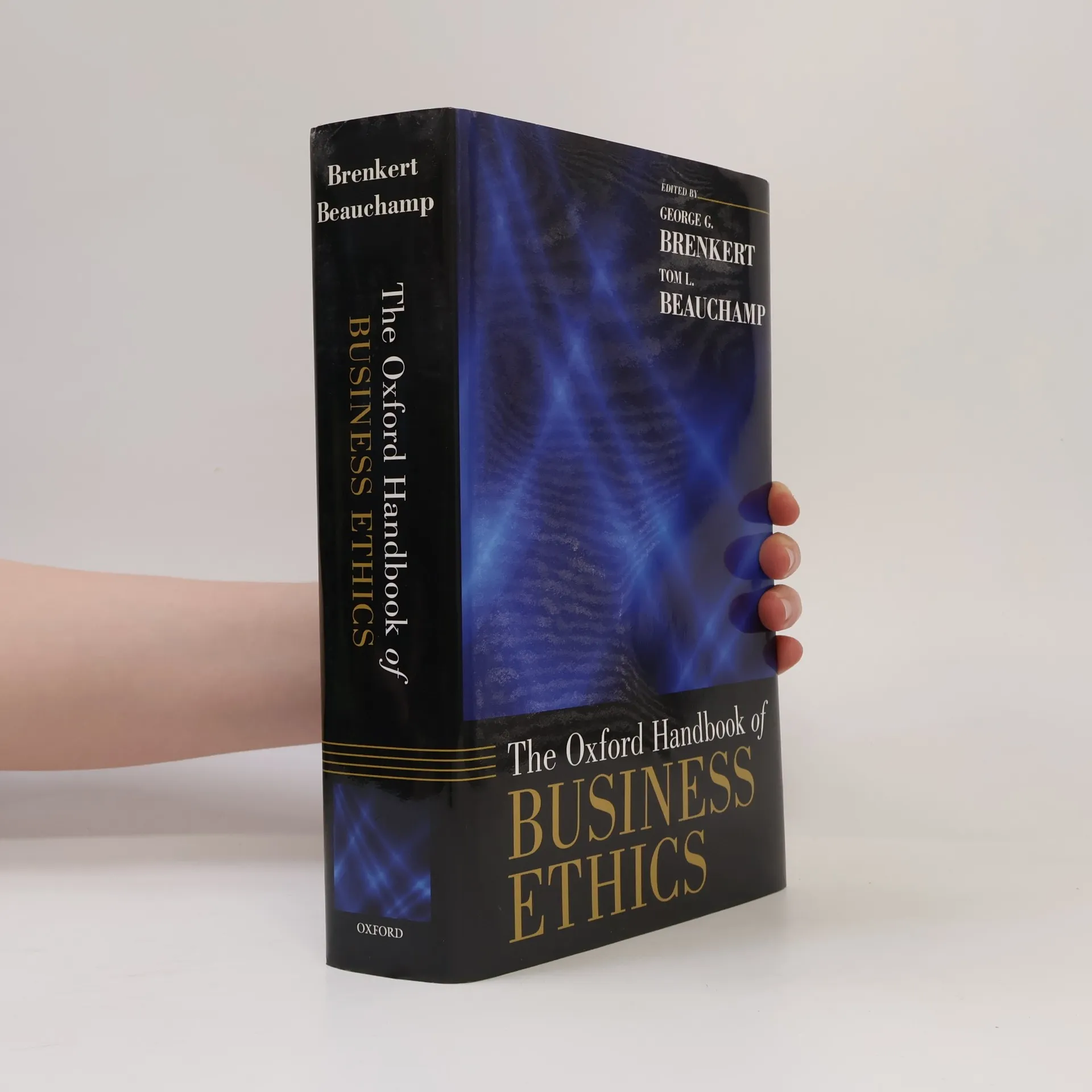
The authors examine ethical theory and business practice, the purpose of the corporation, corporate character and individual responsibility, acceptable risk, the ethical treatment of employees, diversity and discrimination in the workplace, marketing and disclosure of information, ethical issues in information technology and, ethical issues in international business.
Business ethics raises significant philosophical questions, particularly regarding its methodology and the role of ethical theory in providing moral guidance. It also explores markets, capitalism, economic justice, and the responsibilities of business organizations to their members, owners, and society. This comprehensive volume consists of 24 essays that survey the field of business ethics from a philosophical perspective, addressing major topics related to ethical theory and business practices. Written by accomplished philosophers, the chapters systematically interpret various moral controversies and dilemmas in business and government-business relationships. Readers will encounter critical discussions of key views and topical bibliographies identifying essential works in the field. The collection is curated by Brenkert and Beauchamp, featuring diverse contributors who are leading scholars in business ethics and related areas. The essays are accessible, making the book valuable not only for those focused on philosophical business ethics but also for individuals seeking an alternative methodological approach. Additionally, philosophers not primarily interested in business ethics will find connections to broader philosophical subjects, gaining fresh insights into value theory and political philosophy. The selection of topics is notably comprehensive, enhancing its relevance in the field.
New Introductory Essays in Moral Philosophy - Second Edition
437 Seiten
16 Lesestunden
Matters of Life and Death, 3/e is a collection of original essays devoted to the major moral issues of the day, including abortion, euthanasia, the death penalty, famine, war, suicide, the environment, and animal rights. The essays are written by moral philosophers who are among the leading thinkers of the world. The previous two editions of this book have been heralded for the clarity and accessibility of the essays, and both editions have enjoyed strong options. The third edition is even better.