Gordon ParksReihenfolge der Bücher (Chronologisch)
30. November 1912 – 7. März 2006
Gordon Parks war ein visueller Erzähler und Künstler, dessen Werk Fotografie, Film, Musik und Literatur umfasste. Mit unerschütterlichem Engagement dokumentierte er die amerikanische Realität, insbesondere das Leben und die Kämpfe der Afroamerikaner, und nutzte seine Kunst als Werkzeug für sozialen Wandel. Seine Fotografie für das Life Magazine und seine Regie für den Film Shaft stellen Höhepunkte seines Schaffens dar, doch seine Talente erstreckten sich auch auf das Schreiben von Romanen, Gedichten und Autobiografien, in denen er weiterhin Themen wie Identität und Erlösung erforschte. Parks' Vermächtnis liegt in seiner Fähigkeit, Menschlichkeit selbst angesichts von Widrigkeiten aufzuzeigen und andere zu inspirieren, ihre eigenen Stimmen zu erheben.
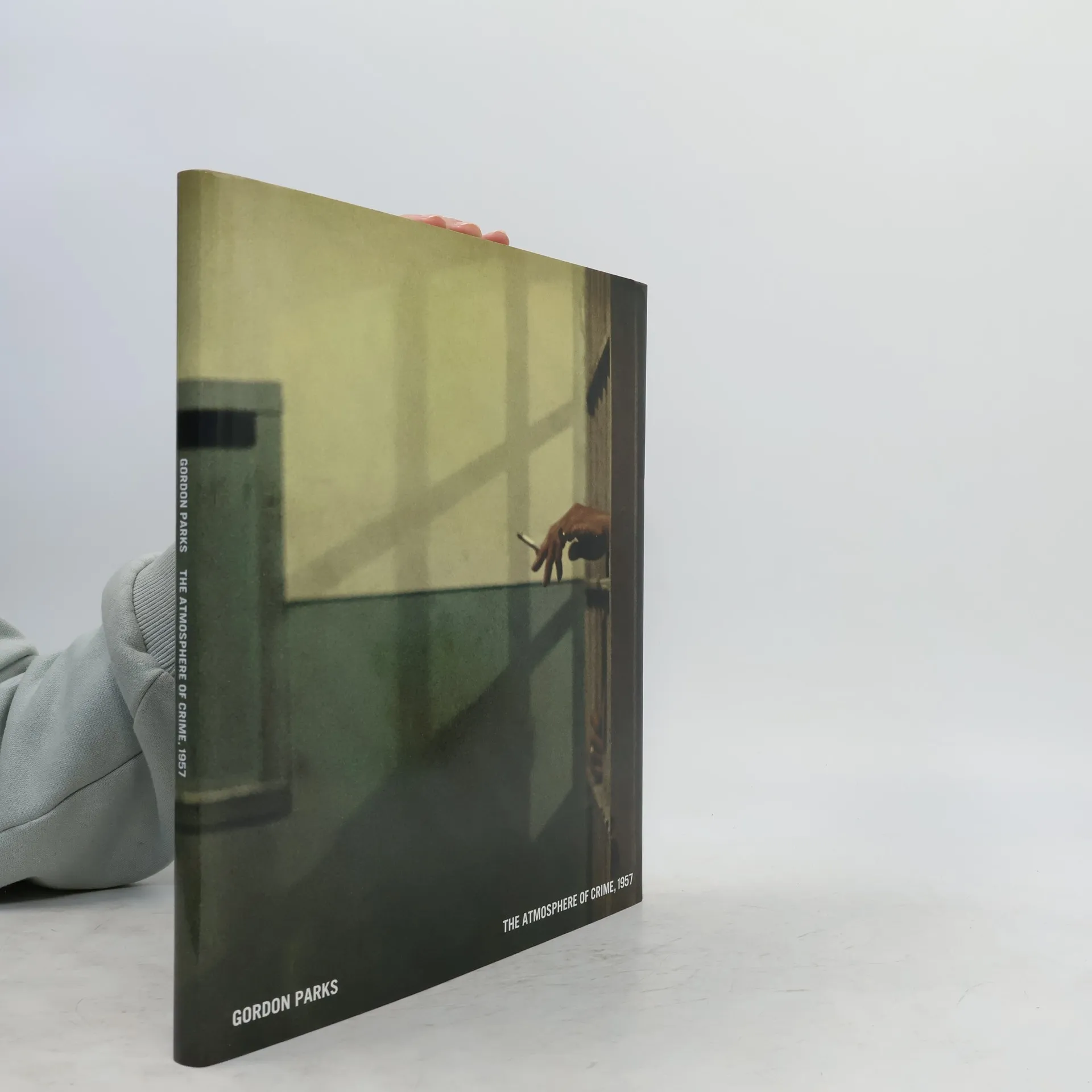
Gordon Parks' journey in 1957 to capture crime in America for Life magazine resulted in a groundbreaking photo-essay that challenged prevailing stereotypes of criminality. His use of color photography provided a vivid portrayal of violence, police work, and incarceration, emphasizing the social and economic factors behind crime. By moving beyond clichéd narratives, Parks offered a nuanced perspective that highlighted the complexities of these issues. This collection features never-before-published photographs from his original work, showcasing his empathetic and candid approach to a hidden world.
By the mid-1940s, Gordon Parks was a successful photographer and Ralph Ellison began work on his acclaimed novel „Invisible Man“ (1952). It is relatively unknown, however, that the two men were friends and that their common vision of racial injustice inspired collaboration on two important projects, in 1948 and 1952. Parks and Ellison first joined forces on an essay titled “Harlem Is Nowhere” for ’48: „The Magazine of the Year“. Conceived while Ellison was already writing „Invisible Man“, this illustrated essay was centered on Harlem’s Lafargue Mental Hygiene Clinic—the first non-segregated psychiatric clinic in New York City—as a case study for the social and economic conditions of the neighborhood. He chose Parks to create the accompanying photographs and during the winter months of 1948, the two roamed the streets of Harlem. In 1952 they worked together again on “A Man Becomes Invisible” for the August 25 issue of Life magazine, which promoted Ellison’s newly released novel. This is the first publication on Parks’ and Ellison’s collaboration on these two projects, one of which was lost while the other was published only in reduced form. The catalogue provides an in-depth look at the artists’ shared vision of black life in America, with Harlem as its nerve center.
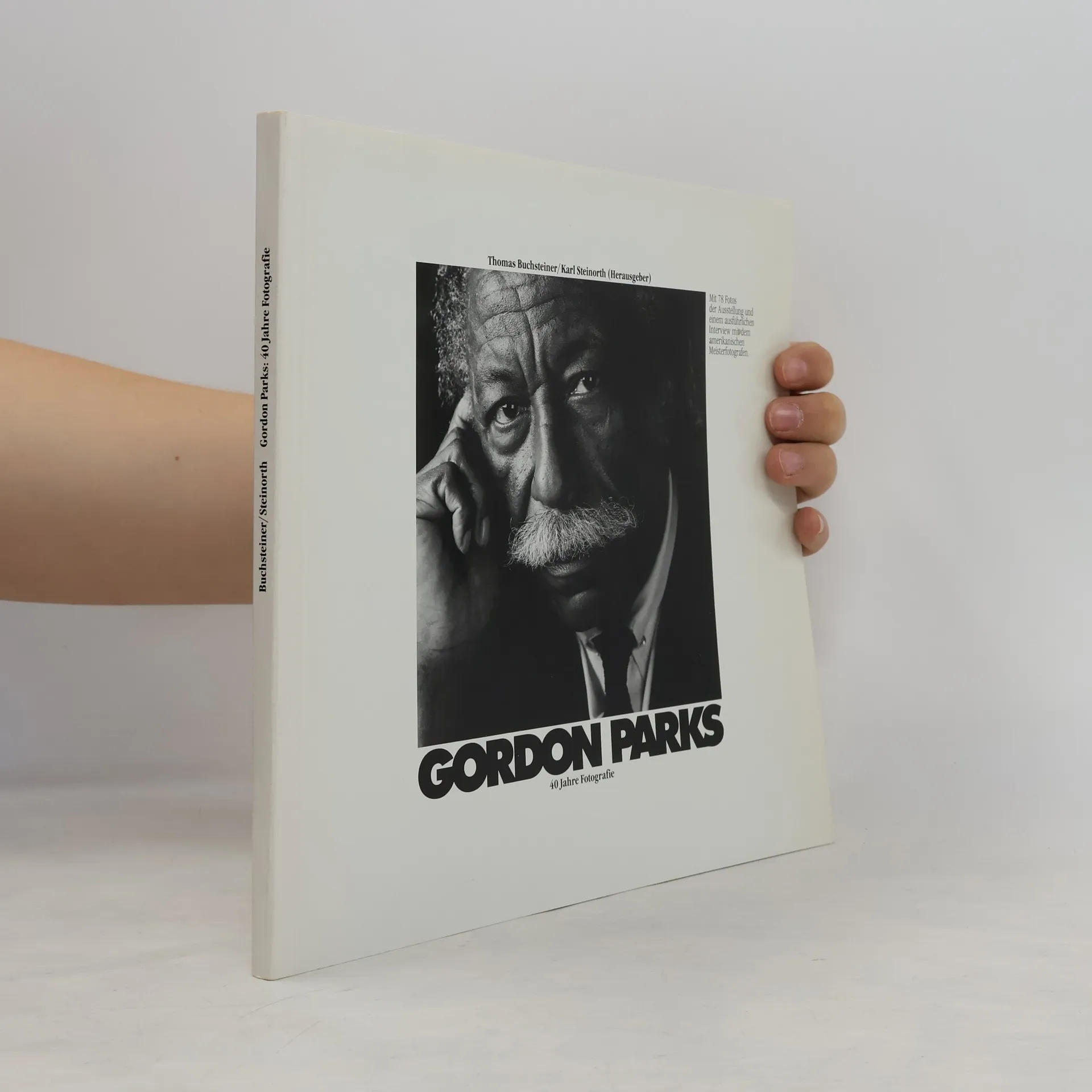
This collection presents a comprehensive overview of Gordon Parks' photography spanning five decades, documenting his legendary career as one of the most influential African-American photographers of the twentieth century. Parks skillfully combined documentary and artistic styles with a deep commitment to social justice, initially working for the Farm Security Administration and later for Life magazine. He focused on extended narrative stories addressing complex issues such as crime, poverty, segregation, and race relations, showcasing his ability to blend insight with a lyrical aesthetic. His work introduced diverse audiences to often-overlooked subjects and ideas. Parks was versatile, capturing news events, fashion, and cultural scenes worldwide. Later in life, he adopted a more personal and poetic approach, creating allusive color photographs. Born in 1912 in Fort Scott, Kansas, Parks overcame poverty and segregation, eventually becoming a self-taught photographer after buying a camera from a pawnshop. He also excelled as a film director, author, and composer, notably popularizing the Blaxploitation genre with his film Shaft. Parks received numerous accolades, including the National Medal of Arts and over fifty honorary degrees. His retrospective exhibition, “Half Past Autumn: The Art of Gordon Parks,” was held at the Corcoran Gallery of Art in 1997. Parks passed away in 2006.
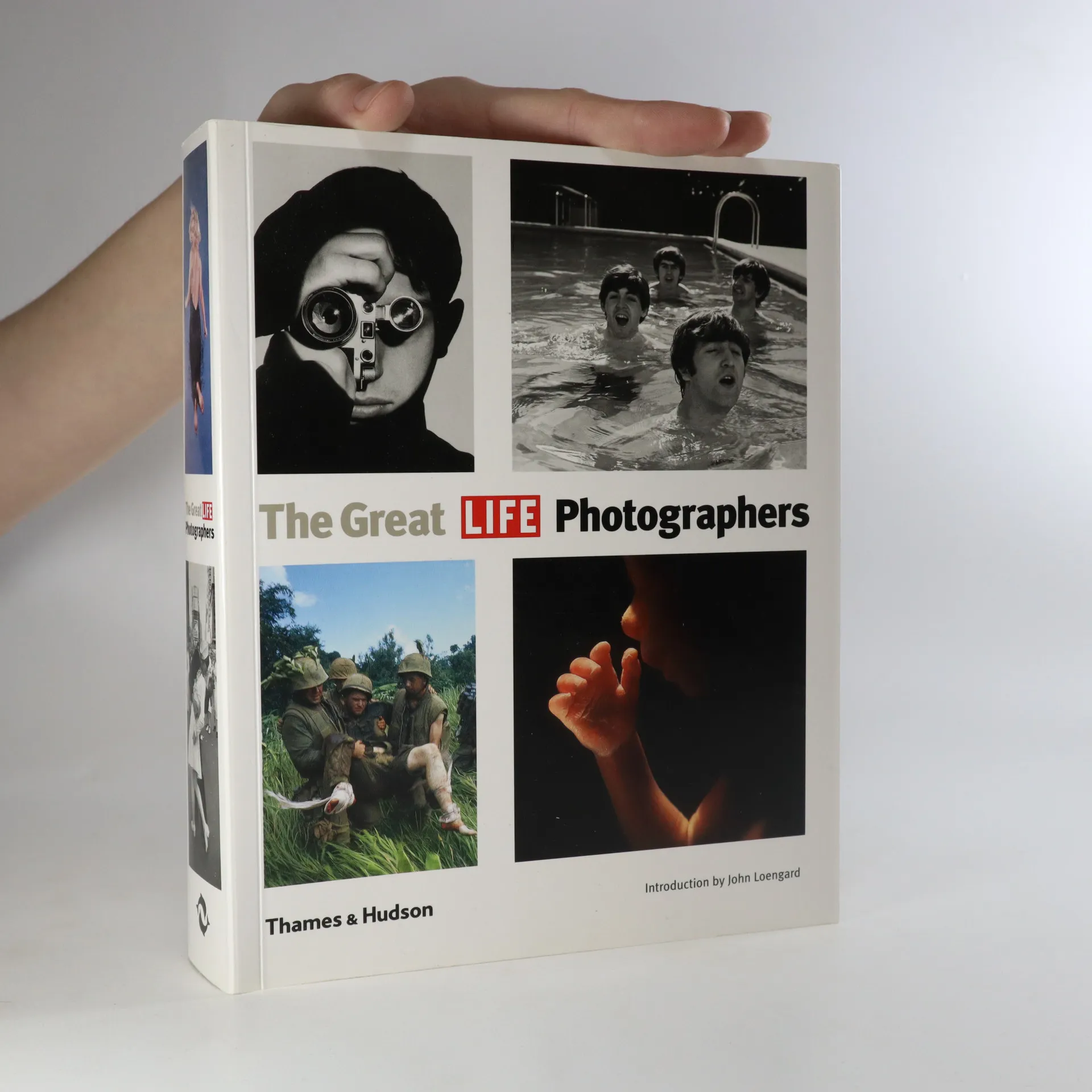
This is a volume of living history - the history of our times, as seen by the photographers who captured it. It is the most comprehensive anthology of LIFE photography ever assembled, and illustrates the strengths that made many of these individuals famous - and LIFE great. This book, an enormous international success in hardback, is now available in a new, compact, paperback edition.
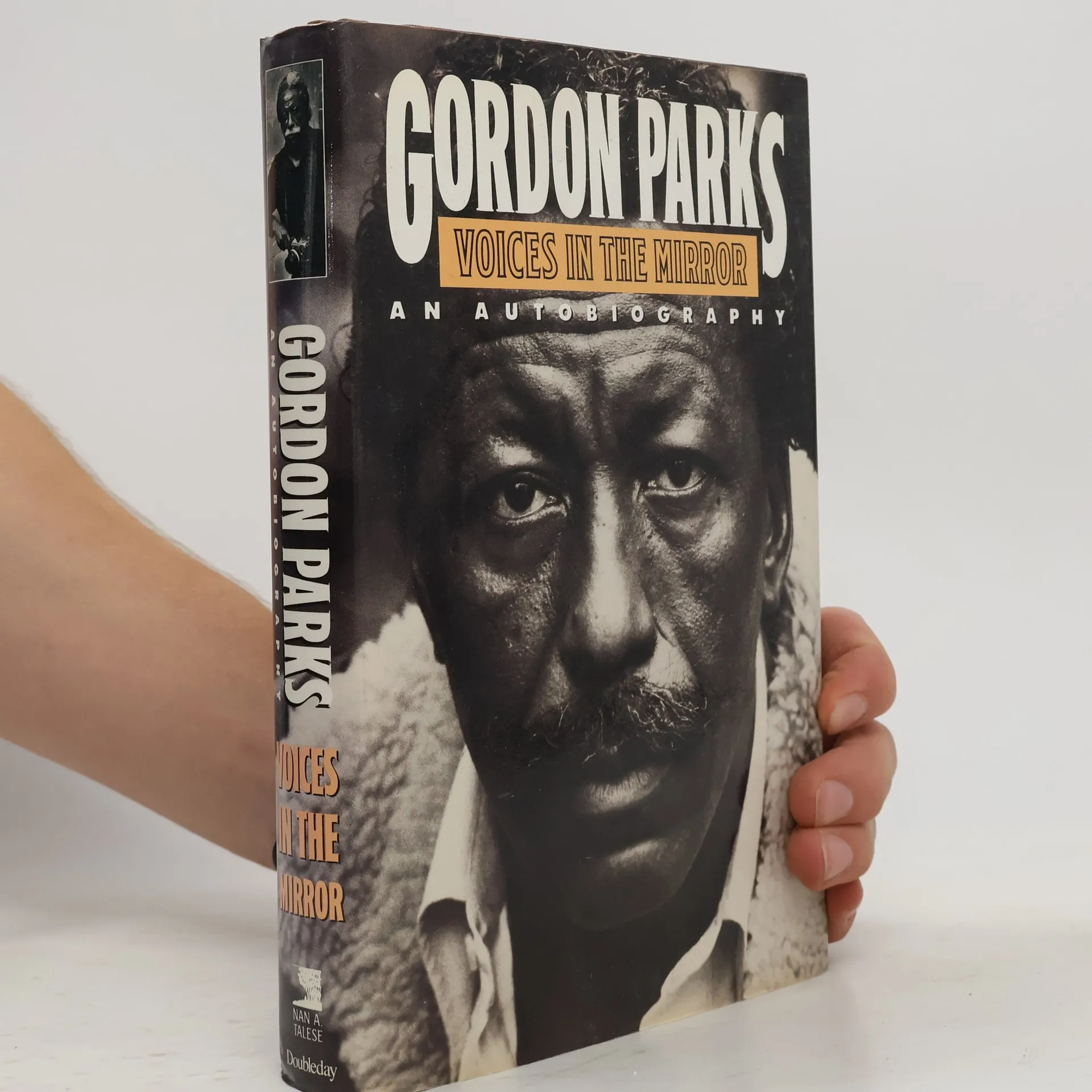
Gordon Parks--photographer, film director, writer, composer--reflects on his own dramatic life, from his poor Kansas origins to his great triumphs in America and abroad.
Gordon Parks war einer der wichtigsten Chronisten des einfachen Lebens in den USA in der zweiten Hälfte des 20. Jahrhunderts: Arbeiter, Schwarze, die Bürgerrechtsbewegung, Kleinstädter . Seine eindringlichen Schwarzweiß-Fotografien wurden z. T. zu Ikonen der Fotografie. Der Band ist im Wesentlichen ein langes Gespräch mit Parks, begleitet von zahlreichen seiner Fotografien.
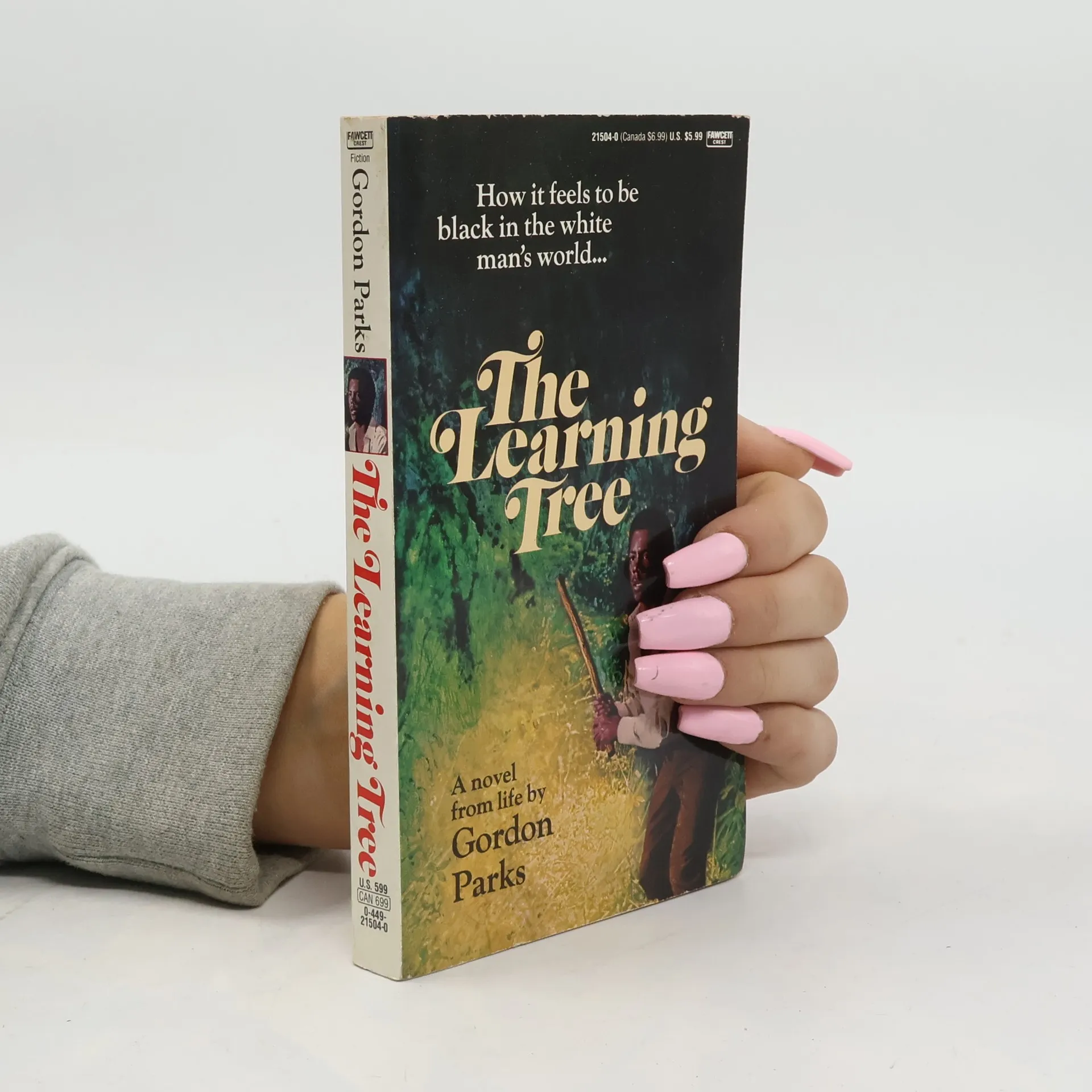
Photographer, writer, and composer, Gordon Parks has written a moving, true-to-life novel of growing up as a black man in this country in this century. Hailed by critics and readers alike, The Learning Tree tells the extraordinary journey of a family as they struggle to understand the world around them and leave their mark a world that is better for their having been in it.