W. V. Willard Van Orman QuineReihenfolge der Bücher (Chronologisch)
Willard Van Orman Quine war ein amerikanischer analytischer Philosoph und Logiker, der die traditionelle Unterscheidung zwischen analytischen und synthetischen Aussagen in Frage stellte. Sein Werk befürwortete eine Form des semantischen Holismus, bei der die Bedeutung einer Aussage nicht isoliert verstanden werden kann. Quine führte auch die umstrittene These von der Unbestimmtheit der Übersetzung ein, die auf eine inhärente Mehrdeutigkeit bei der Übersetzung zwischen Sprachen hindeutet. Seine Philosophie lehnte die Begriffsanalyse als Hauptziel der Philosophie ab und betrachtete sie stattdessen als Fortsetzung der wissenschaftlichen Untersuchung.
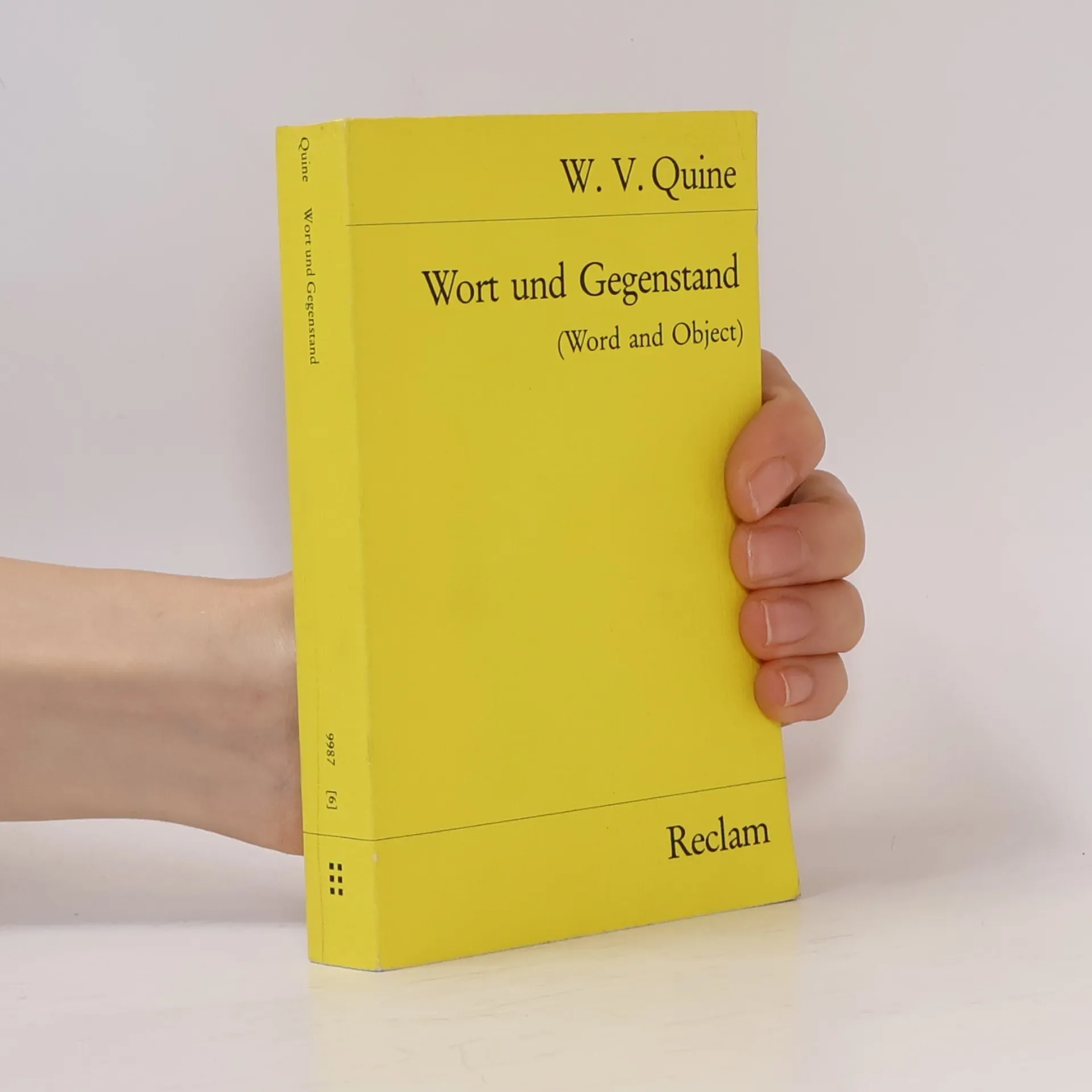
»Wort und Gegenstand« gilt als das Hauptwerk W. V. Quines und als eines der wichtigsten philosophischen Bücher der zweiten Hälfte des 20. Jahrhunderts. Es gliedert sich in folgende Kapitel: Sprache und Wahrheit Übersetzung und Bedeutung Die Ontogenese des Bezeichnens Die Launen des Bezeichnens Reglementierung Flucht vor der Intension Ontische Entscheidung.
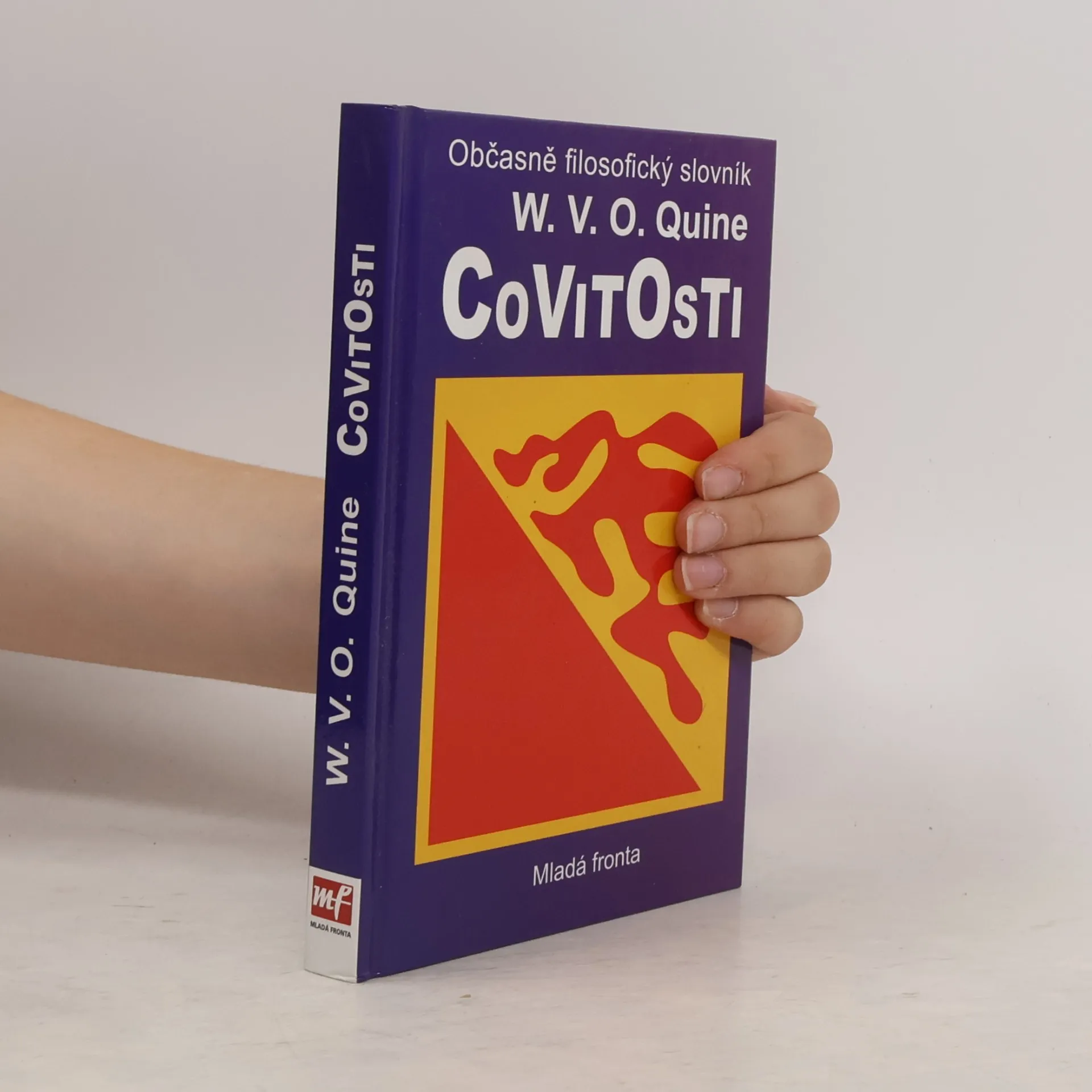
W. V. O. Quine Covitosti Průvodce lidským věděním. Na své cestě od A do Z se Covitosti setkávají s více než osmdesáti tématy a postihují celou škálu pikantních myšlenek, her se slovy a moudrostí, vyjádřených nádhernou elegantní prózou. Nejčastějšími tématy hesel jsou filozofie, jazyk a matematika, můžeme zmínit například víru, komunikaci, svobodnou vůli, idiocii, ceny, výslovnost, toleranci či zeměpisnou délku a šířku.
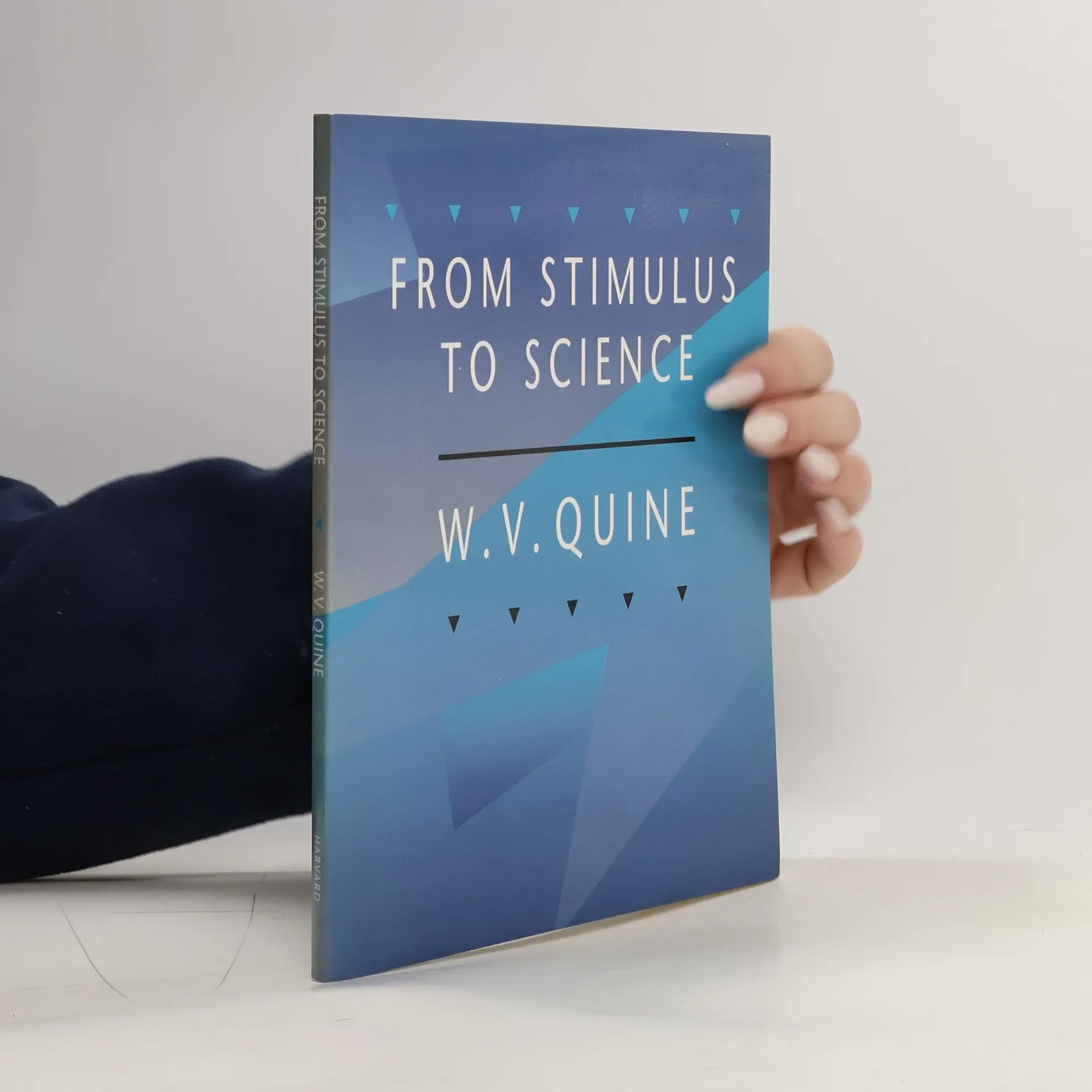
W. V. Quine, a leading philosopher, presents a concise and engaging exploration of his philosophical ideas in this book, which encapsulates his epistemological views, particularly regarding logic and mathematics. New readers may need to take their time to appreciate the depth of insight that seasoned readers recognize in his writing. The book, based on lectures from 1990, begins with a historical overview of philosophy, tracing the evolution of epistemology from Plato to Carnap, highlighting Quine's alignment with Carnap's ambitions.
Subsequent chapters delve into Quine's effort to naturalize epistemology, focusing on the continuity between his work and Carnap's. He discusses the naturalistic development of science and how our conceptual frameworks evolve to perceive the world as comprising re-identifiable objects. Quine emphasizes the importance of observation sentences for evaluating scientific theories and expresses skepticism about establishing a definitive empirical criterion for meaningfulness.
The latter sections address various critical issues surrounding knowledge, culminating in an in-depth examination of his perspectives on reference, meaning, and psychological and modal concepts. The distinctive presentation and nuanced details will captivate those familiar with Quine's philosophy.
A compact, coherent introduction to the study of rational belief, this text provides points of entry to such areas of philosophy as theory of knowledge, methodology of science, and philosophy of language. The book is accessible to all undergraduates and presupposes no philosophical training.