Das Buch beleuchtet die Geschichte deutscher Panzerproduktion von den Anfängen im Ersten Weltkrieg bis heute, einschließlich Modelle wie A7V, Tiger und Leopard 2. Es bietet technische Details, Einsatzinformationen sowie eine historische Einordnung und kritische Bewertung der Entwicklungen in der Panzertechnik.
Thomas Anderson Bücher
1. Januar 1958
Thomas Anderson hat sich auf deutsche Fahrzeuge des Zweiten Weltkriegs spezialisiert und stützt sich dabei hauptsächlich auf das Bundesarchiv sowie militärische Archive in ganz Europa. Seine Arbeit zeichnet sich durch tiefgehende Detailanalysen und historische Genauigkeit aus, wodurch er den Lesern eine authentische Perspektive auf die Militärtechnologie der Ära bietet. Andersons Ansatz beinhaltet sorgfältige Studien und die Präsentation von Primärquellen, die die technische Entwicklung und praktische Anwendung dieser ikonischen Maschinen aufdecken. Seine Werke sind eine wertvolle Ressource für Liebhaber der Militärgeschichte sowie für diejenigen, die sich für Ingenieurwesen und Logistik im Kontext kriegerischer Konflikte interessieren.

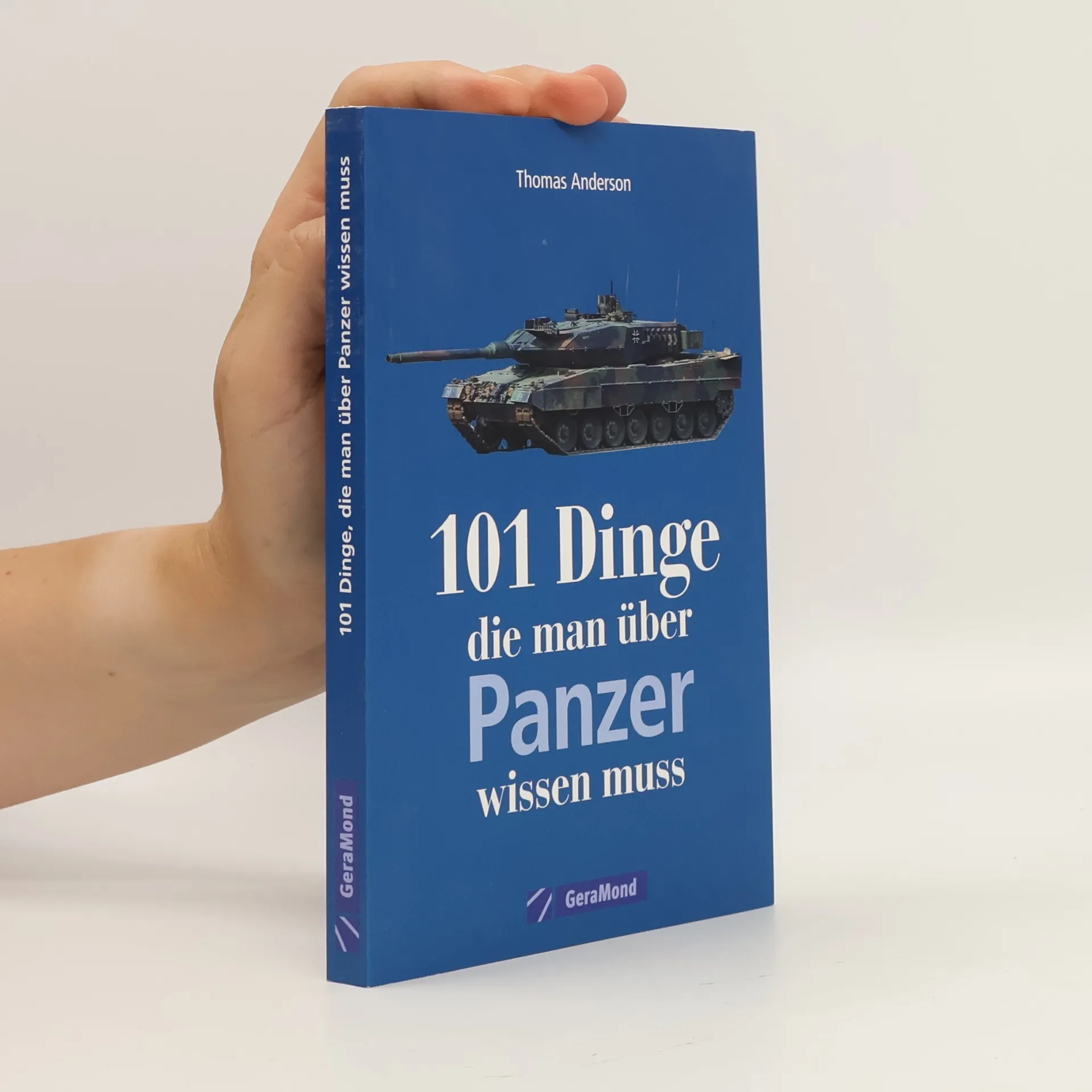
101 Dinge, die man über Panzer wissen muss
- 192 Seiten
- 7 Lesestunden
Faszination Militärfahrzeuge: Der Panzer Panzer sind technische Meisterwerke. Und sie beeinflussen die Welt- und Militärgeschichte. Dieses Buch präsentiert Rekorde, Unbekanntes und Kurioses rund um das Thema.Was hat Leonardo da Vinci mit dem Thema Panzer zu tun? Was ist unter eine Panzerglocke zu verstehen? Woher kommt das Wort 'tank'? Diese und viele andere Fragen beantwortet der militärhistorische Fachmann Thomas Anderson in diesem kleinen Kompendium zum Thema Panzerfahrzeuge. Neben allen wichtigen Informationen zur Geschichte und Gegenwart dieser Waffe kommen Kuriositäten und Rekorde nicht zu kurz. – 101 Aha-Momente für historisch Interessierte.
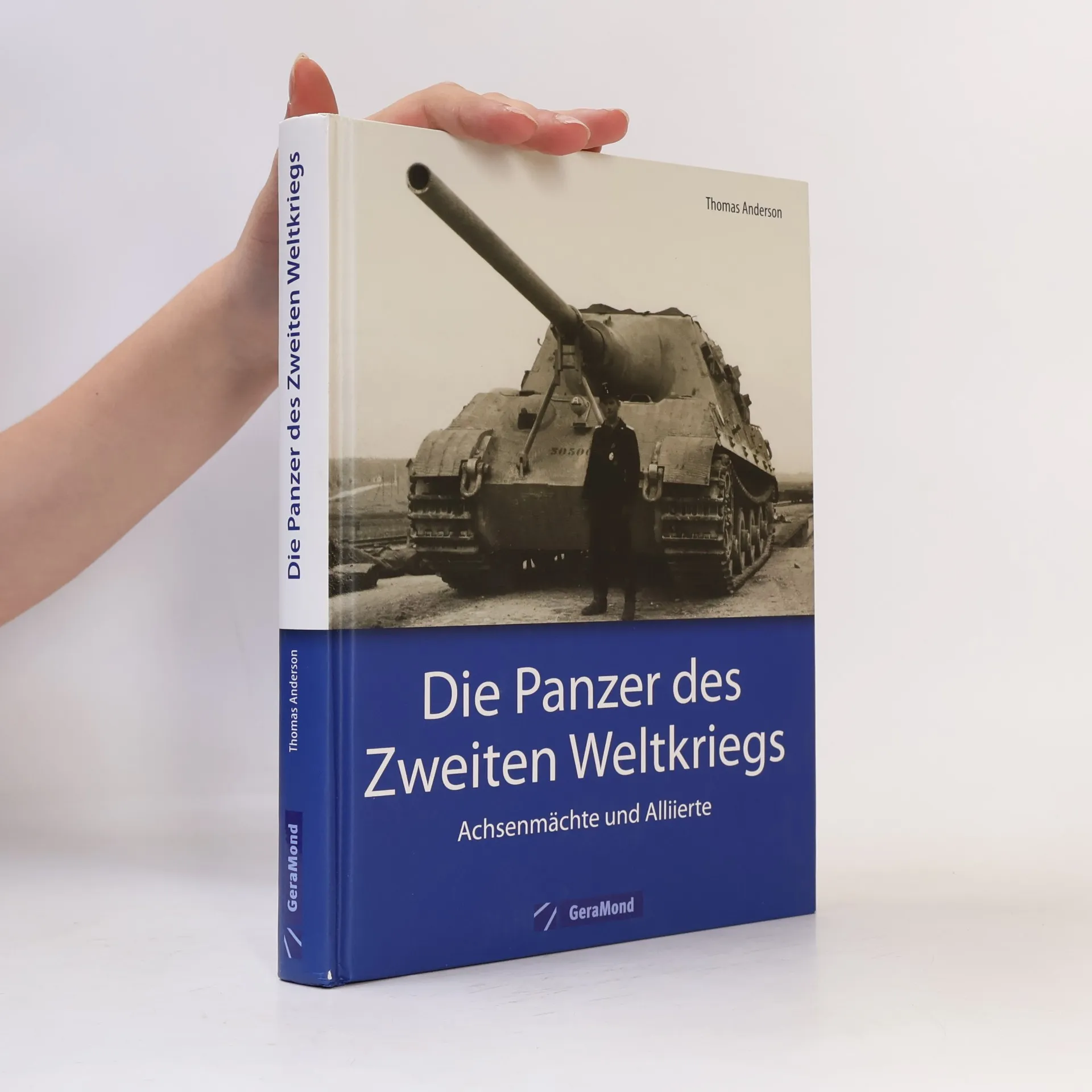
Die Panzerwaffe im 2. Weltkrieg – Der komplette Überblick Panzer waren im Zweiten Weltkrieg vielerorts entscheidend. Dieser geschichtliche Bildband zeigt alle wichtigen Panzermodelle , die im Zweiten Weltkrieg zum Einsatz kamen, sowohl auf Seiten der Deutschen mit ihren Bündnispartnern Italien und Japan als auch auf Seiten der Alliierten Russland, USA, England und Frankreich. Clausewitz-Experte Thomas Anderso n gibt einen profunden Überblick über die Fahrzeuge, ihren Einsatz und die wesentlichen technischen Daten. Zahlreiche bisher unveröffentlichte Fotos und authentische Hintergrundberichte von Zeitzeugen runden dieses Überblickswerk ab. Eine Fundgrube für historisch Interessierte, aber auch für Modellbauer Authentische Erfahrungsberichte aus der Kriegszeit Jetzt als Sonderausgabe
Das Werk zeigt alle wichtigen Panzer, die im Zweiten Weltkrieg zum Einsatz kamen, sowohl auf Seiten der Deutschen mit ihren Bündnispartnern Italien und Japan als auch auf Seiten der Alliierten Russland, USA, England und Frankreich. Clausewitz-Experte Thomas Anderson gibt einen profunden Überblick über die Fahrzeuge, ihren Einsatz und die wesentlichen technischen Daten. Zahlreiche bisher unveröffentlichte Fotos und authentische Hintergrundberichte von Zeitzeugen runden dieses Überblickswerk ab.
The Vulnerable Man: Break your patterns. Master your emotions. Reclaim your life.
- 238 Seiten
- 9 Lesestunden
An inspiring life story about breaking patterns, understanding emotions, and finding your way back to yourself in an overwhelming world. Now available in English, this openhearted narrative has been featured on national television in Sweden. Thomas Anderson, a Swedish entrepreneur and life coach, appeared successful with a family, a nice house, and a rich social life, yet internally he faced a whirlpool of self-doubt, stress, and anxiety. Trapped in an emotional prison, he was on the brink of burnout, struggling to be there for himself despite being present for others. Recognizing that something had to change, Thomas embarked on an inner journey, discovering what it means to be a Highly Sensitive Person (HSP). This understanding helped him realize that his feelings of overwhelm were not flaws but part of his nature. Armed with this knowledge, he began to set boundaries, create space for recovery, and build healthier relationships. Through re-evaluating his past and addressing unspoken conflicts, he cultivated the balance needed in his life. In this book, Thomas shares his journey from the brink of burnout to happiness, offering insights from his diary over three years. His openness aims to accompany readers on their own journeys of change, providing inspiration, learnings, and a workbook for self-reflection, whether individually or with others. His hope is that sharing his story will help others break free and reclaim their
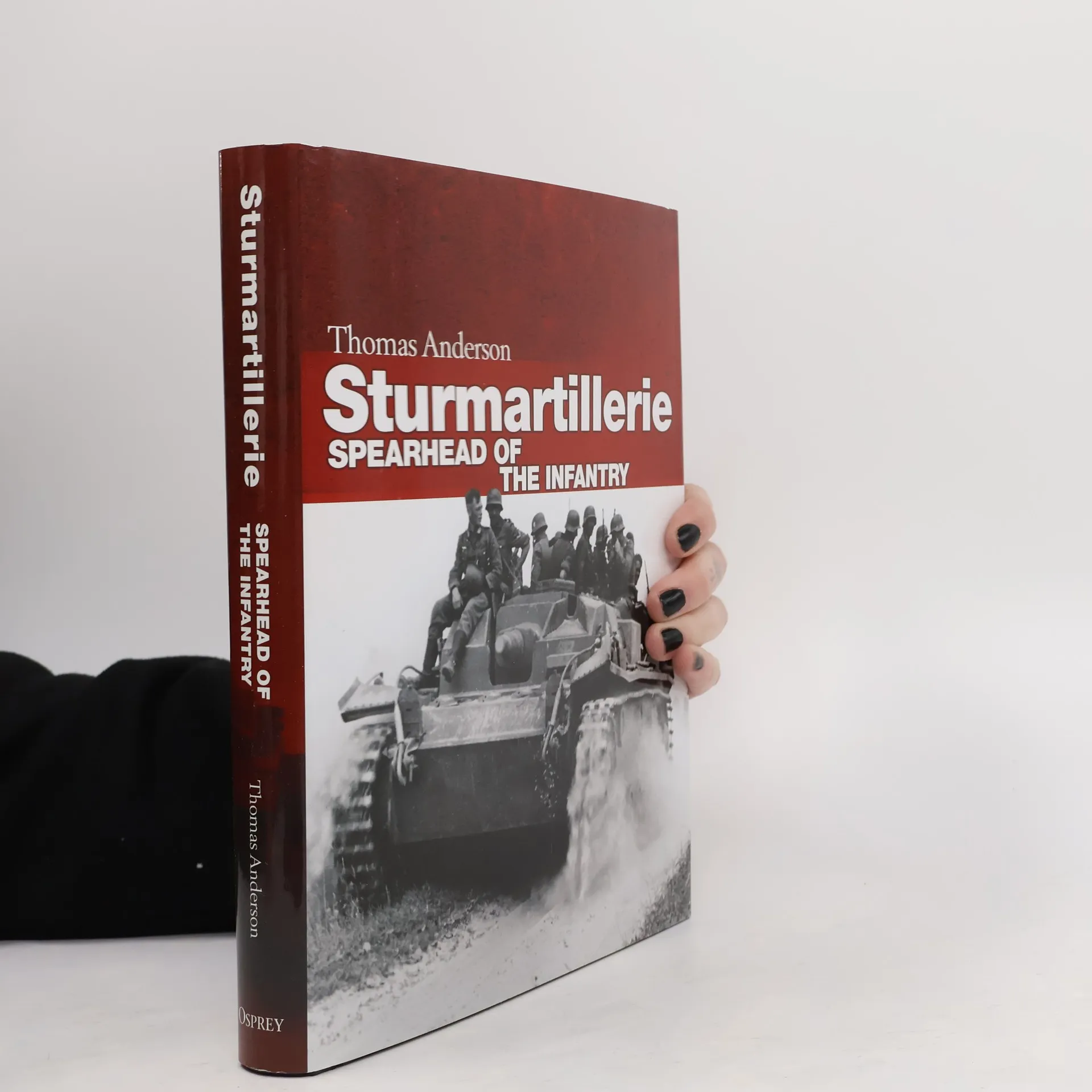
Sturmartillerie
- 288 Seiten
- 11 Lesestunden
The Sturmartillerie was a key part of Germany's armoured arsenal throughout World War II. Its armoured assault guns were designed to support the artillery on the battlefield, largely using the purpose-built Sturmgeschutz infantry support gun. This study details the development and operational history of this force.
Panzer IV
- 288 Seiten
- 11 Lesestunden
The Panzer IV programme was started in the very early days of German tank development in 1934. Due to the restrictions of the Treaty of Versailles the new type was 'disguised' as an escort vehicle) but this subterfuge was dropped in 1935 and the type became known as the Panzerkampfwagen (PzKpfw) IV. This new tank along with the PzKpfw II and PzKpfw III was used to equip the schnellen Truppen, the force that was to become the Panzerwaffe.
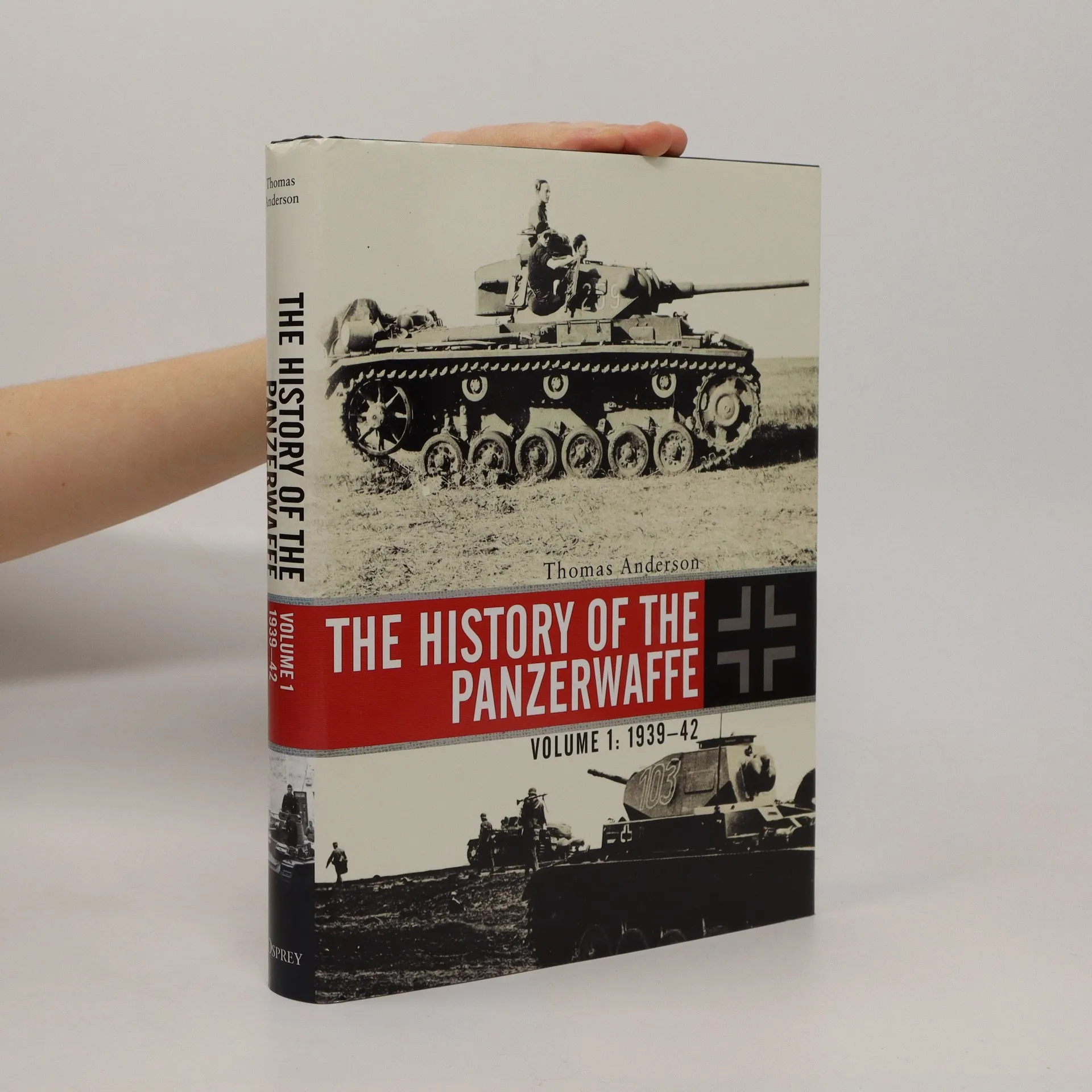
The History of the Panzerwaffe
- 304 Seiten
- 11 Lesestunden
This is the definitive history of the evolution of the feared German Panzerwaffe, from its earliest beginings to the height of its success. With rare and revealing combat reports and photographs sourced from previously unseen private and archival collections, it uncovers the technical and operational stories of the formidable armored beasts that formed the backbone of the German war machine--tanks such as the Panzer I, II and 38(t). The Germans transformed armored warfare from a lumbering and ponderous experiment in World War I, into something that could decide the outcome of conflicts. This technical and operational history is the definitive guide to the legendary Panzerwaffe, from its very infancy to the days when it made Europe its garden path at the height of Nazi German power.
The Simple Jackfruit Cookbook
Popular and Healthy Recipes to Enjoy Your Favourite Savoury Dishes at Home
- 60 Seiten
- 3 Lesestunden
Targeting a diverse range of dietary preferences, this book offers a collection of innovative recipes that cater to vegans, vegetarians, flexitarians, and those looking to reduce meat consumption. It emphasizes delicious, plant-based meals that are both satisfying and nutritious, making it an essential resource for anyone interested in exploring a more sustainable and health-conscious lifestyle.
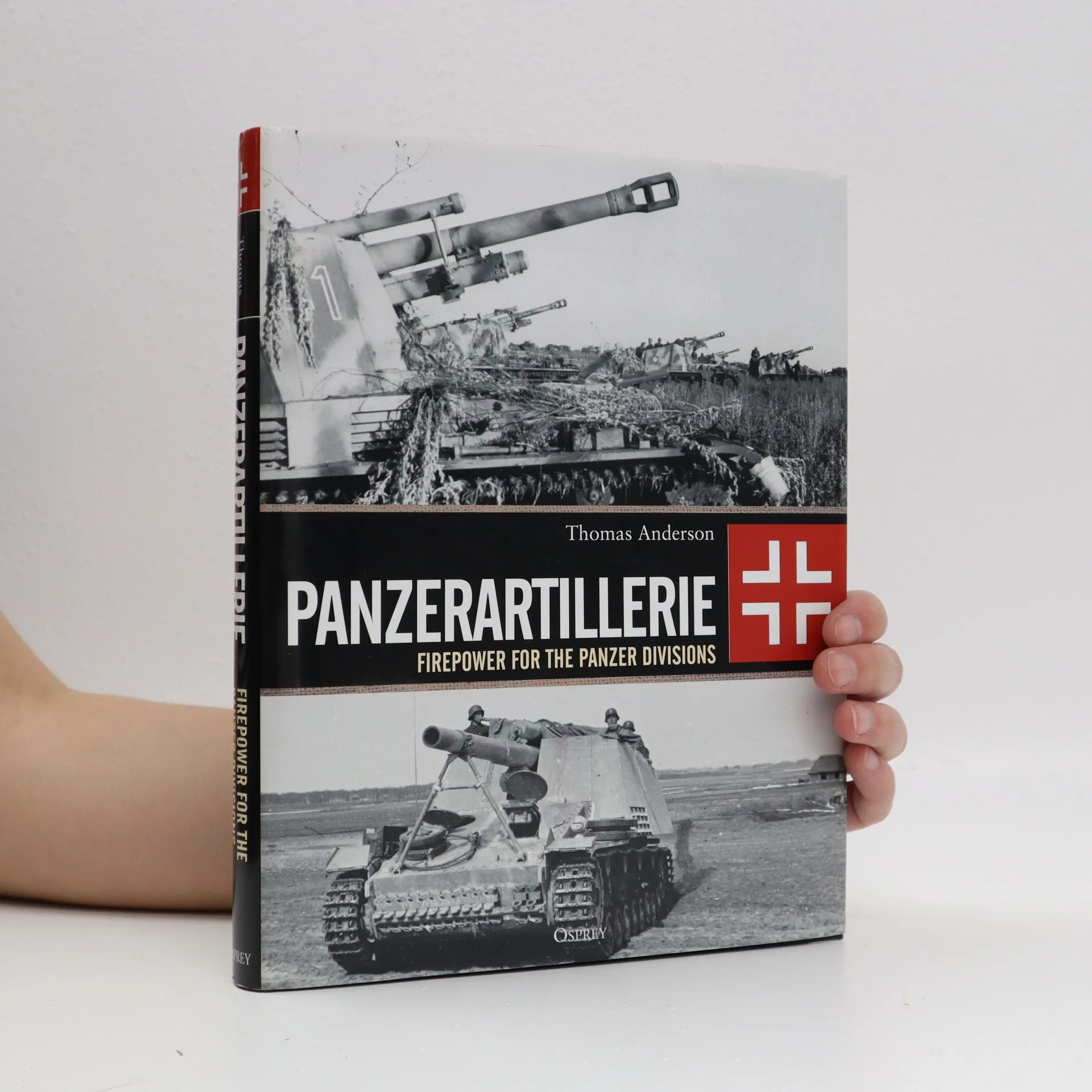
The German Panzerartillerie was one of the key components of the Panzer divisions that were the spearhead of the German forces in the years when they overran most of Western Europe and reached as far as the gates of Moscow in the East. Warfare in the age of Blitzkrieg required fast-moving, mobile artillery that could support forward units at the front line, and the Panzerartillerie provided that for the Wehrmacht. The Allies had no answer or equivalent to them until the US entry into the war. Drawing on original material from German archives and private collections, including some images that have never been published before, German armor expert Thomas Anderson explores the formation and development of this force from its early days in the 1930s, through the glory days of Blitzkrieg warfare to its eventual decline in the face of the challenges of the Eastern Front.
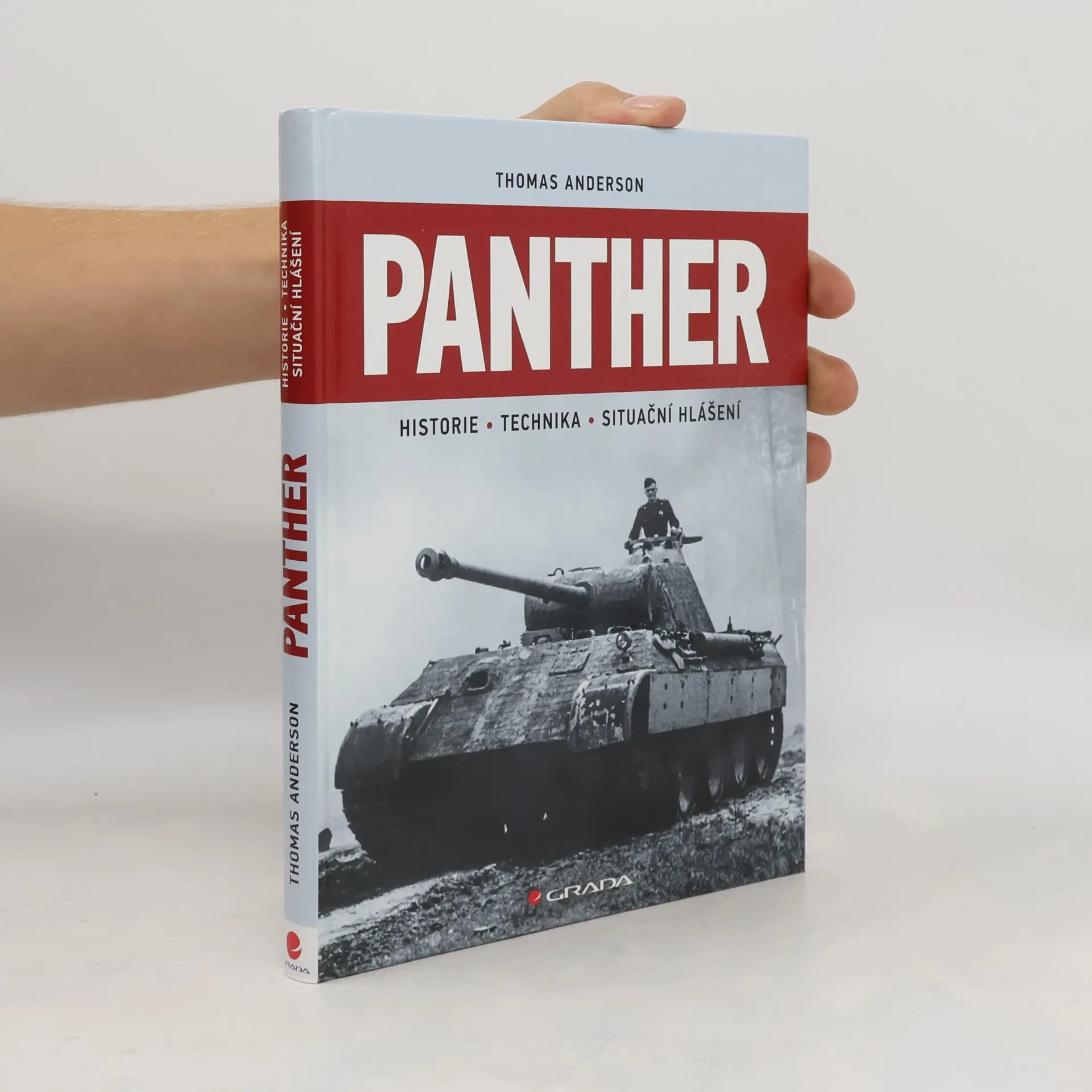
Historie, technika, situační hlášení Panzerkampfwagen V Panther je považován za vzor mnoha poválečných tanků. Zosobňoval dokonalou rovnováhu mezi palebnou silou, pancéřovou ochranou a mobilitou, která ve své době neměla konkurenci. Po určitých potížích s prvními modely se tank změnil z „problémového dítěte“ na jeden z nejcennějších prostředků Panzerwaffe. Unikátní, dosud nezveřejněné fotografie, přehledové tabulky, a především vzpomínky očitých svědků dávají této publikaci punc ucelenosti. Kniha obsahuje analýzu zbraňového systému tohoto vynikajícího tanku, ukazuje na jeho silné i slabé stránky, hodnotí situační hlášení z válečného období a nabízí poučná srovnání s nepřátelskými tanky, například T-34, KV, M4 Sherman a Cromwell. Autor Thomas Anderson je odborníkem na německé vojenské dějiny v období 1933 až 1945. Při psaní knih se nespoléhá jen na vzpomínky nebo vydanou literaturu, ale opírá se především o fakta čerpaná z archivů.
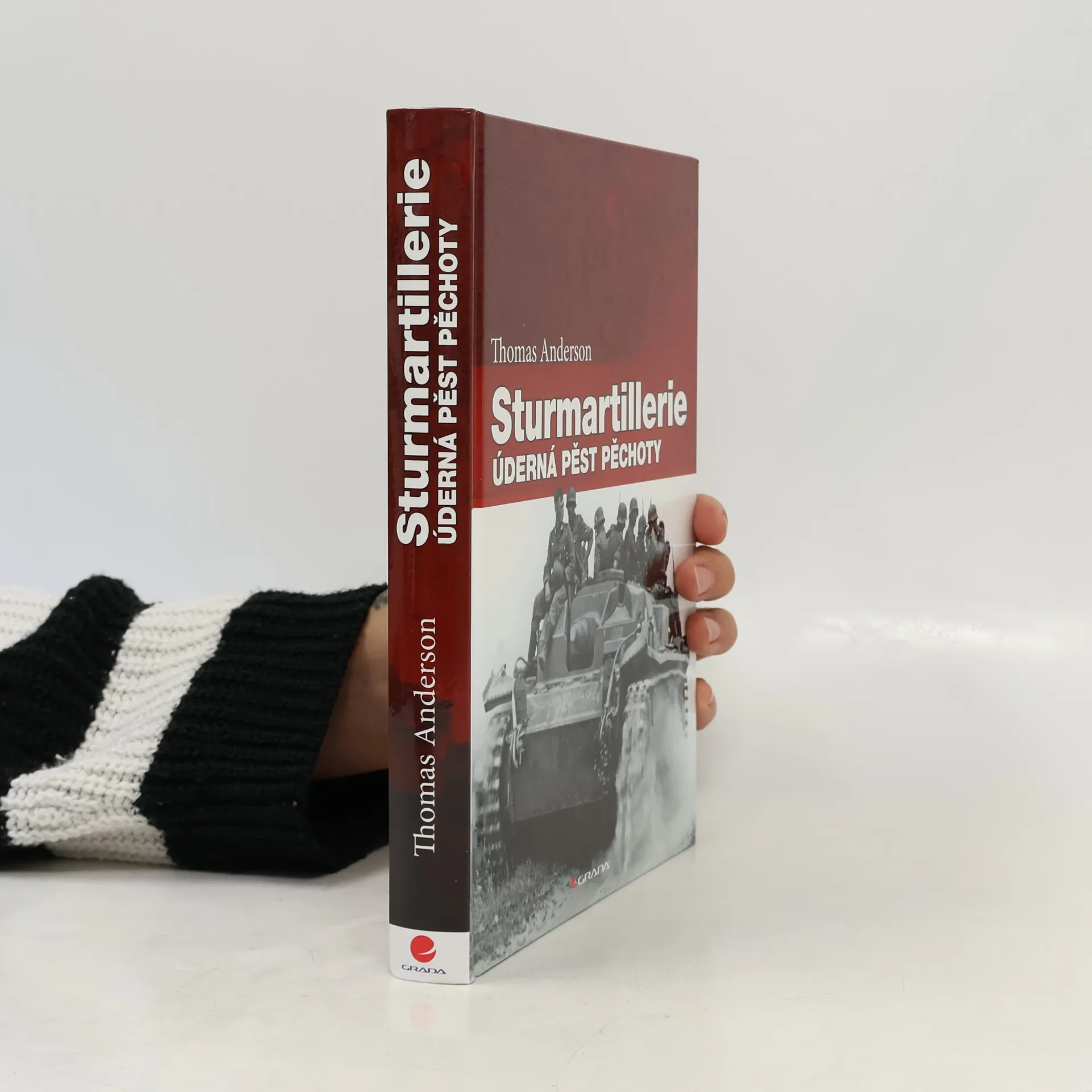
Sturmartillerie - Úderná pěst pěchoty
- 288 Seiten
- 11 Lesestunden
Samohybné útočné dělo neboli Sturmgeschütz bylo jednou z nejznámějších a nejúspěšnějších protitankových zbraní druhé světové války. Bojové skóre celé německé Sturmartillerie je jednoznačně pozitivní. Stála v čele útoku, následována pěchotou, jak při tažení Francií, tak na východní frontě, kde jí padlo za oběť neuvěřitelných více než 20 000 ruských tanků všech typů. Tato nejnovější kniha uznávaného zbrojního experta Thomase Andersona poskytuje detailní popis této významné složky wehrmachtu, zkoumá její vývoj od samého počátku a rozebírá způsob jejího nasazení. Autor opět zvolil osvědčený postup, kdy pasáže věnované technickému popisu střídají líčení přímých účastníků bojů o jejich vlastních zkušenostech, která získal na základě bádání zejména v německých archivech. Ke zvýšení věrohodnosti a názornosti používá jako vždy velké množství dosud nepublikovaných dobových fotografií. Pro zájemce o bojovou techniku druhé světové války tak nesporně přichystal skutečnou lahůdku!
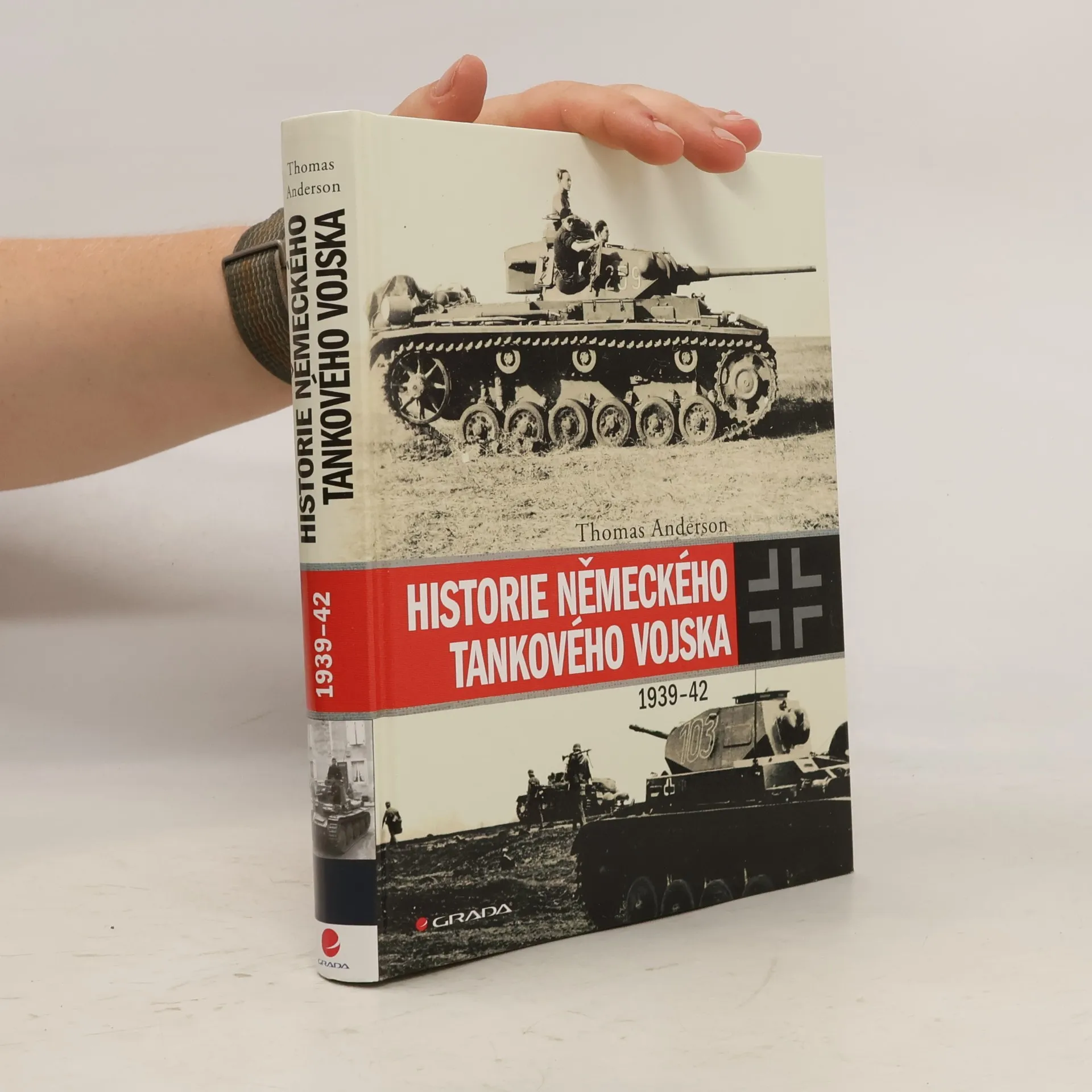
Historie německého tankového vojska 1939-42
- 304 Seiten
- 11 Lesestunden
Velký počet dobových fotografií a četné citace ze zpráv velitelů Panzerwaffe, jejich technická hodnocení, požadavky a návrhy dodávají této knize punc hodnověrnosti a atraktivnosti. Autor na základě bohatých archivních zdrojů s pečlivostí sobě vlastní zobrazuje vývoj německé tankové techniky v době, kdy postupně bylo čím dál jasnější, jak zásadní roli tanky na bojištích v Evropě sehrají. Proti sobě jsou tu postaveny různé koncepce předních zastánců používání tanků, oficiální německé dokumenty a příslušná technická data umožňují udělat si o impozantním vývoji německé obrněné techniky ucelený obraz, porovnávat jednotlivé typy strojů, způsob užití, silné a slabé stránky, pokrok v jejich řešení a modernizaci. Zachyceny jsou významné bojové operace v prvních třech letech druhé světové války, kdy od naprosté převahy v úvodních fázích války dospěla německá válečná mašinerie na hranici svých možností.
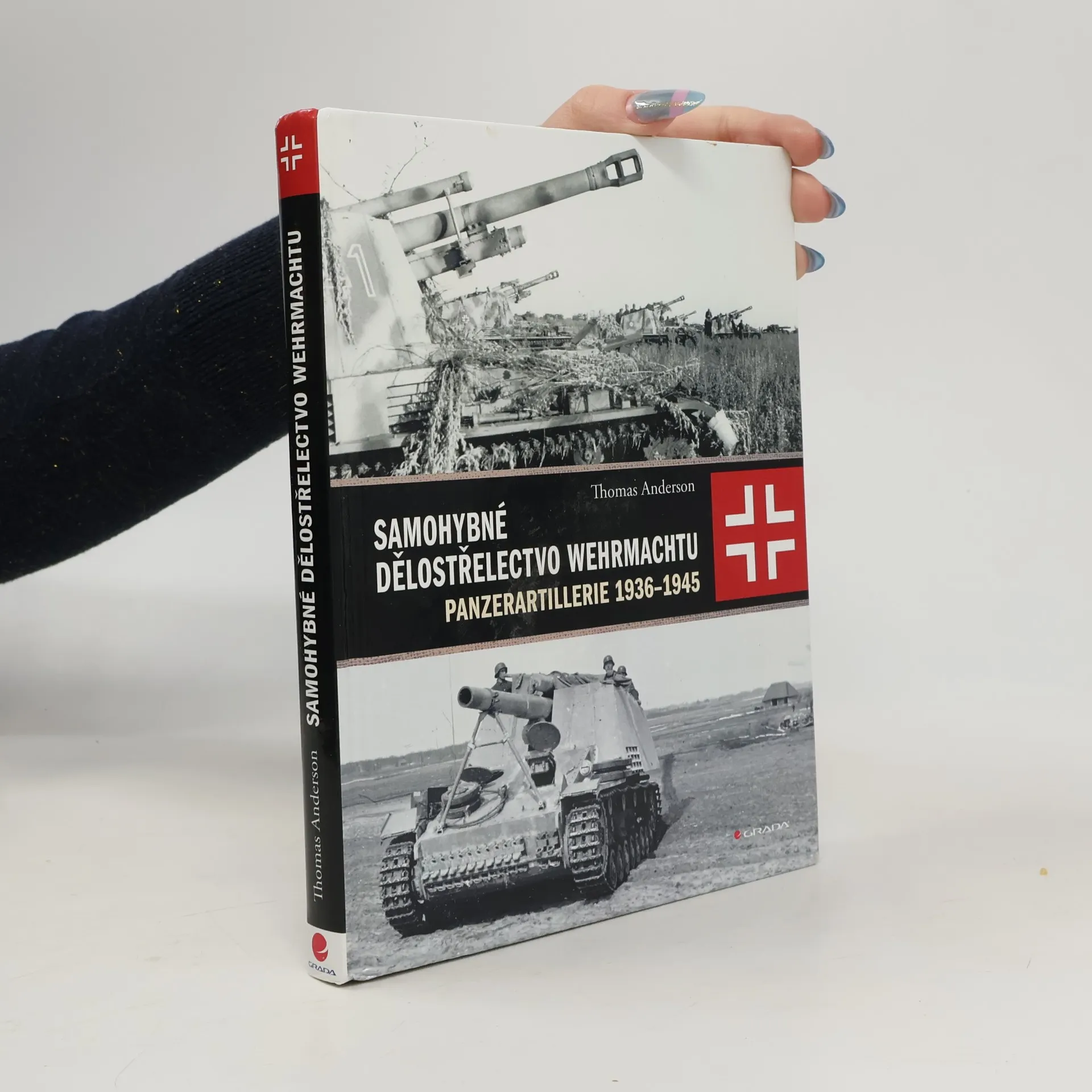
Samohybné dělostřelectvo Wehrmachtu: Panzerartillerie 1936-1945
- 256 Seiten
- 9 Lesestunden
Mezi koncem první a začátkem druhé světové války uplynulo jen několik let, ale způsob vedení války se za tuto dobu změnil k nepoznání. Zákopovou válku a koňmi tažená děla vystřídaly rychlé přesuny moderních mobilních jednotek. Německé obrněné divize se díky nim prohnaly západní Evropou a na východě se zastavily až před Moskvou. I pravidla bleskové války však vyžadovala, aby byly jednotky v první linii účinně podporovány rychle se pohybujícím samohybným dělostřelectvem – a jednotky Panzerartillerie v tomto ohledu dlouho neměly na bojištích konkurenci. Kniha, věnovaná vývoji tohoto druhu bojové techniky od jejího vzniku v meziválečném období až do konce druhé světové války, nabízí čtenářům přehled všech důležitých typů německých samohybných děl, jejich nasazení na různých bojištích a přímé zkušenosti jejich posádek z boje. Výklad je založený na pečlivém studiu většinou zatím nepublikovaných pramenů a doplněný množstvím unikátních fotografií i přehledů technických dat, jak jsou ostatně čtenáři knih Thomase Andersona už dávno zvyklí.
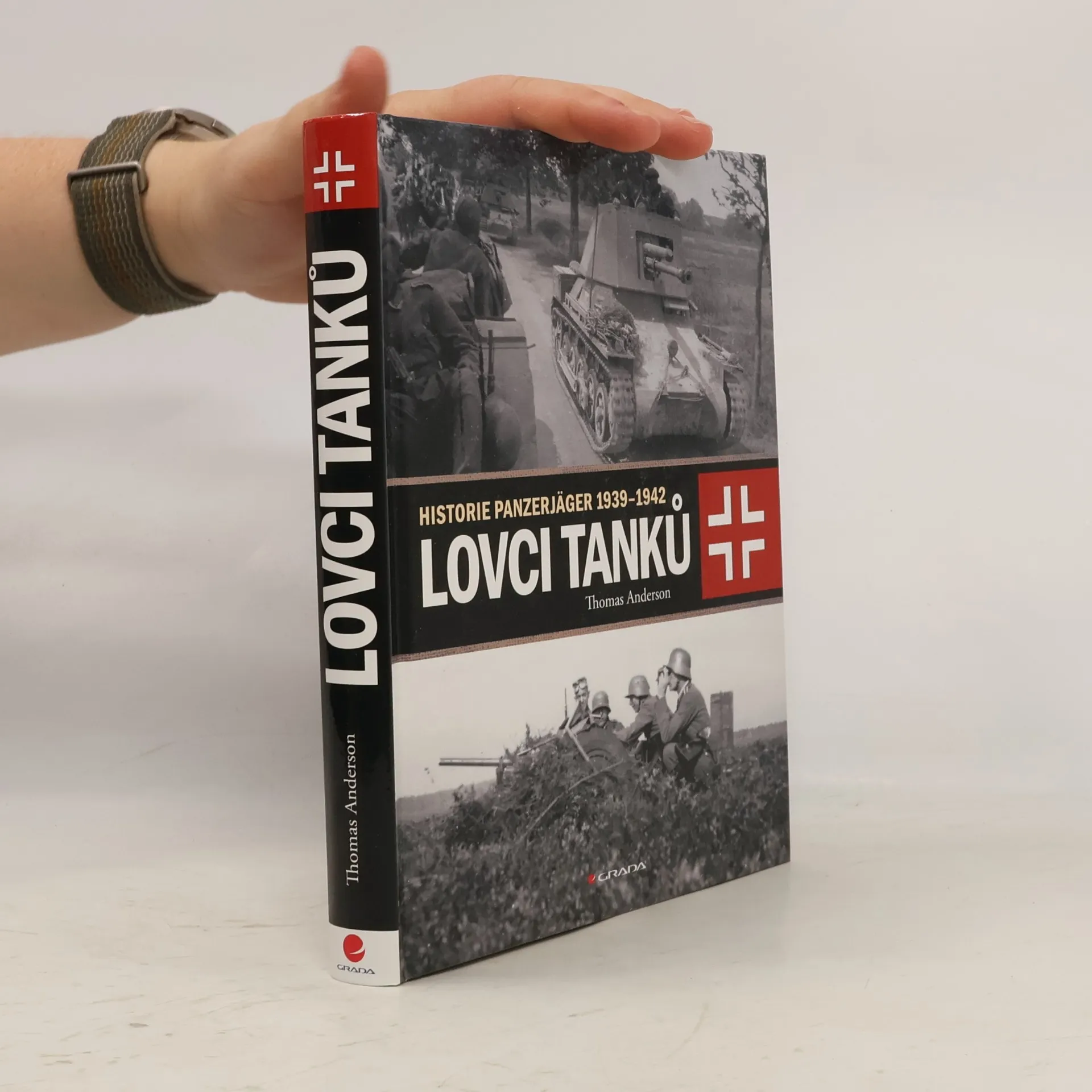
Lovci tanků: Historie Panzerjäger 1939-1942
- 304 Seiten
- 11 Lesestunden
Lovci tanků, známí jako Panzerjäger, měli za cíl jediné: vyhledat a vyřadit z boje nepřátelské tankové síly. Ve druhé světové válce tak jednotky Panzerjäger představovaly účinnou zbraň Wehrmachtu, která se významně zasadila o úspěchy německé armády. K jejich efektivnosti přispěly i kanony československé firmy Škoda, které byly protitankovým jednotkám přidělovány. Kniha známého odborníka Thomase Andersona poprvé kompletně zachycuje vznik a vývoj německých protitankových jednotek Panzerjäger se zaměřením na léta 1939 až 1942. Lovci tanků pomohli německým jednotkám na začátku druhé světové války převálcovat Polsko, poté Nizozemsko a Francii. Jejich bojové schopnosti následně prověřily střety se sovětskými tanky během operace Barbarossa. Autor v knize rozkrývá ojedinělý příběh historie těchto německých bojových jednotek na základě unikátních dobových fotografií z válečných archivů, bojových hlášení, taktických plánů a technických dat.
Stíhač tanků Ferdinand /Elefant
- 256 Seiten
- 9 Lesestunden
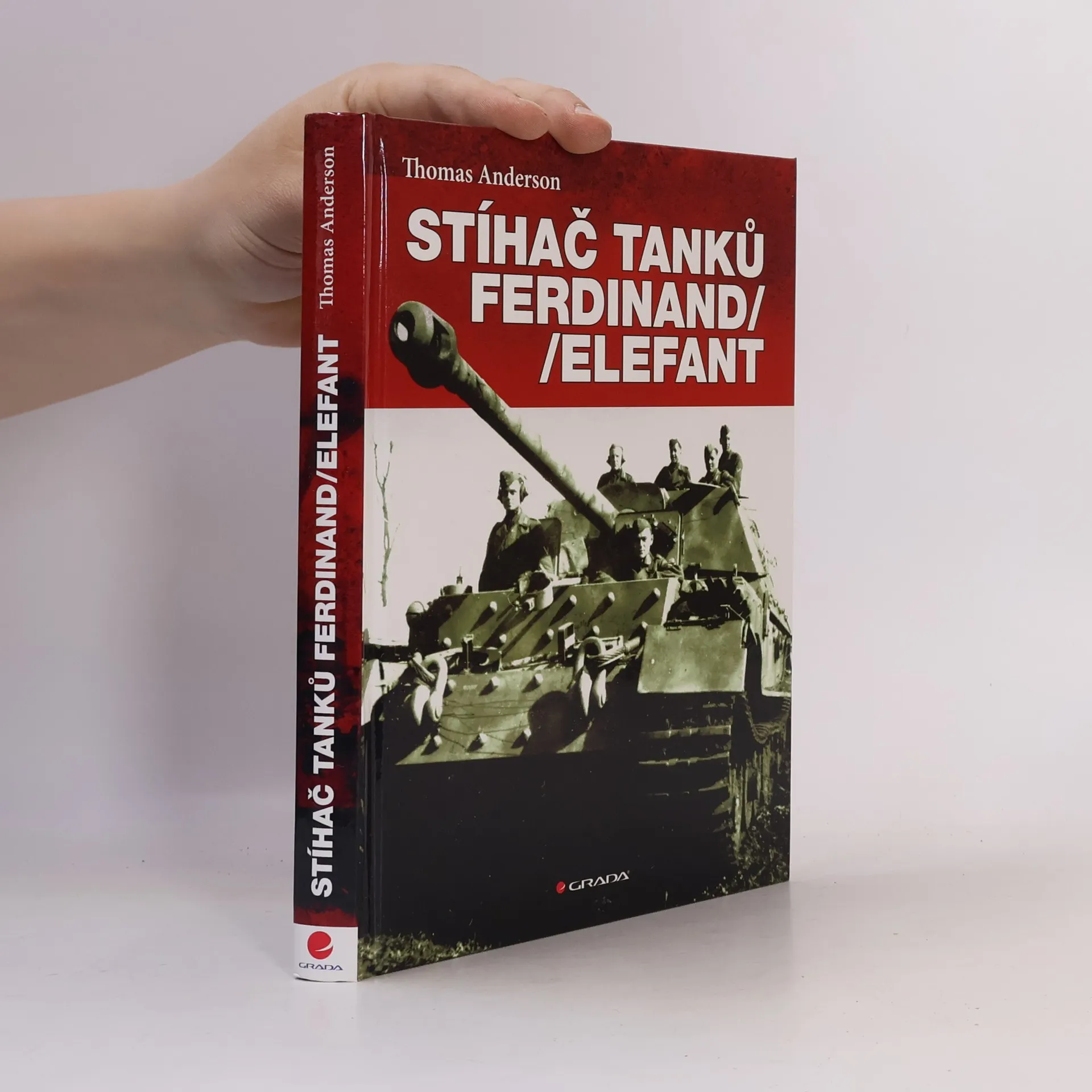
Těžký stíhač tanků Ferdinand a jeho pozdější verze Elefant byly největší a statisticky nejúspěšnější německé stíhače tanků 2. světové války. I když jich bylo vyrobeno relativně málo, dokázaly mezi spojeneckými tanky rozsévat zkázu a úspěšné a vražedné byly zvláště v ohromných tankových bitvách na východní frontě. Tato nová ilustrovaná historická publikace odborníka na obrněnou techniku Thomase Andersona, čerpající z původních archivních materiálů z Německa, soukromých sbírek a vzácných fotografií, se zabývá technickým vývojem a bojovým nasazením tohoto pozoruhodného vozidla, jednoho z nejslavnějších obrněných vozidel, které kdy byly vyrobeny. Sleduje jeho původ, na jehož počátku byl Porscheho tank Tiger, první nasazení pod jménem Ferdinand, jeho modernizaci a přejmenování na Elefant, až po účast na závěrečné urputné obraně Berlína. Jde o fascinující příběh jednoho z technicky nejskvělejších strojů, který se objevil na bojištích 2. světové války.
Historie německého tankového vojska 1942-45
- 304 Seiten
- 11 Lesestunden
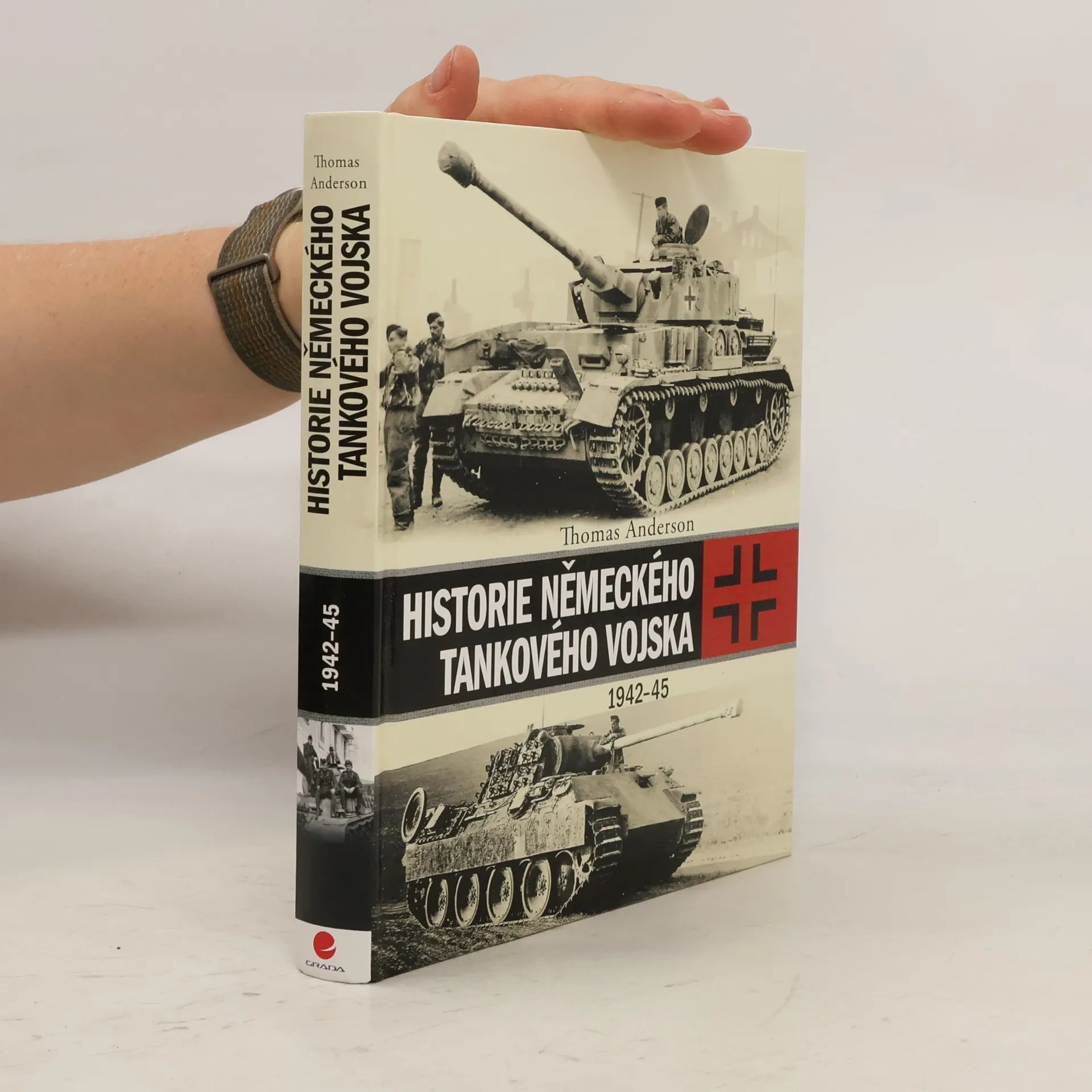
Kniha navazuje na předchozí díl věnovaný období 1939–42. Také tady její autor využil informace získané v několika archivech, např. v Bundesarchiv/Militärarchiv ve Freiburgu a National Archives and Records Administration (NARA) ve Washingtonu, a rovněž z nového internetového projektu digitalizace německých dokumentů uložených v archivech Ruské federace (germandocsinrussia), kde byly nalezeny další cenné dokumenty. Podrobně popisuje průběh nasazování tankové techniky na východní frontě, tentokrát už po selhání blitzkriegu, a to od legendárních tankových bitev u Kurska a urputných střetů v Normandii až po závěrečné fáze bojů u Berlína. Velký počet dobových fotografií a časté citace z bojových hlášení velitelů a důstojníků wehrmachtu dodávají této knize punc hodnověrnosti a nesporné atraktivnosti. Četná technická data umožňují udělat si o pokračujícím vývoji německé obrněné techniky ucelený obraz, porovnávat jednotlivé typy strojů, jejich způsob nasazení, silné a slabé stránky, pokrok v jejich řešeních a modernizaci. Jde o vynikající svazek do knihovny každého zájemce o historii vojenské techniky. 1. vydání.
Sturmgeschütz: Tanky, stíhače tanků, Waffen-SS a jednotky Luftwaffe 1943–45
- 272 Seiten
- 10 Lesestunden
V roce 1940 získaly jednotky, jimž velel generál Erich von Manstein, zastánce myšlenky obrněných prvků u pěchoty, 30 strojů Sturmgeschütz a tak se zrodila nová vojenská síla – Sturmartillerie. Útočné dělo Sturmgeschütz bylo původně plánováno jako podpůrná zbraň pěchoty, která měla likvidovat kulometná hnízda a v omezené míře plnit úlohu protitankové zbraně. Poté, co se vozidlo StuG osvědčilo u Sturmartillerie, začalo se nasazovat u různých dalších typů jednotek, jako Waffen-SS, Panzerjäger a polní jednotky Luftwaffe, i u pěších divizí. Na východní frontě byl Sturmgeschütz schopen porazit i vynikající střední tanky T-34 a těžké tanky KV. Jak má Anderson ve zvyku, jeho text oživují četné citace z bojových hlášení, hodnocení, tabulky a statistiky. Veškerý uveřejněný materiál je založen na válečné dokumentaci, z níž velká část je uložena hlavně v archivech NARA a Bundesarchiv/Militärarchiv. Nesmírně cenné jsou pak pro čtenáře samozřejmě dobové fotografie.
Lovci tanků. od Stalingradu po Berlín
- 288 Seiten
- 11 Lesestunden
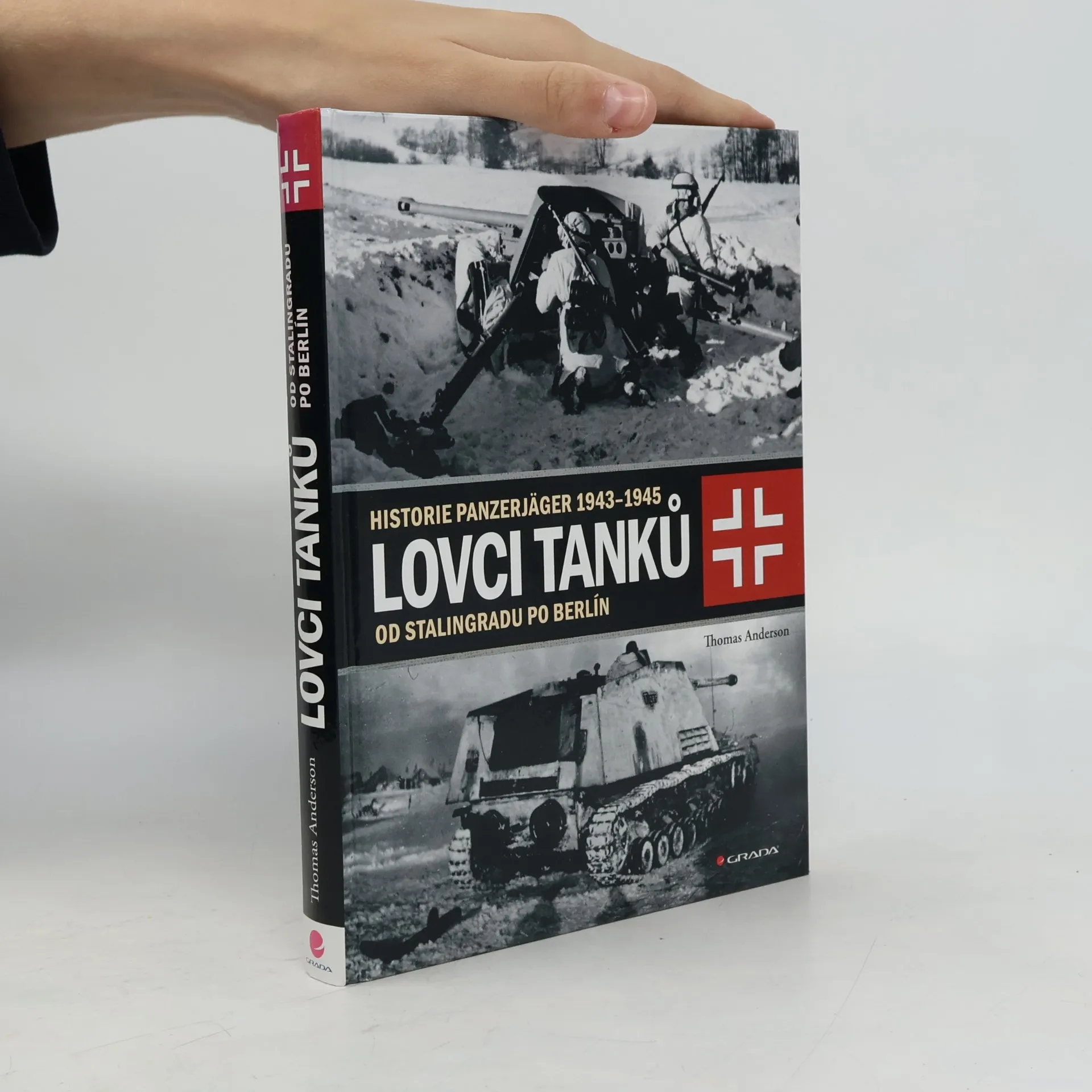
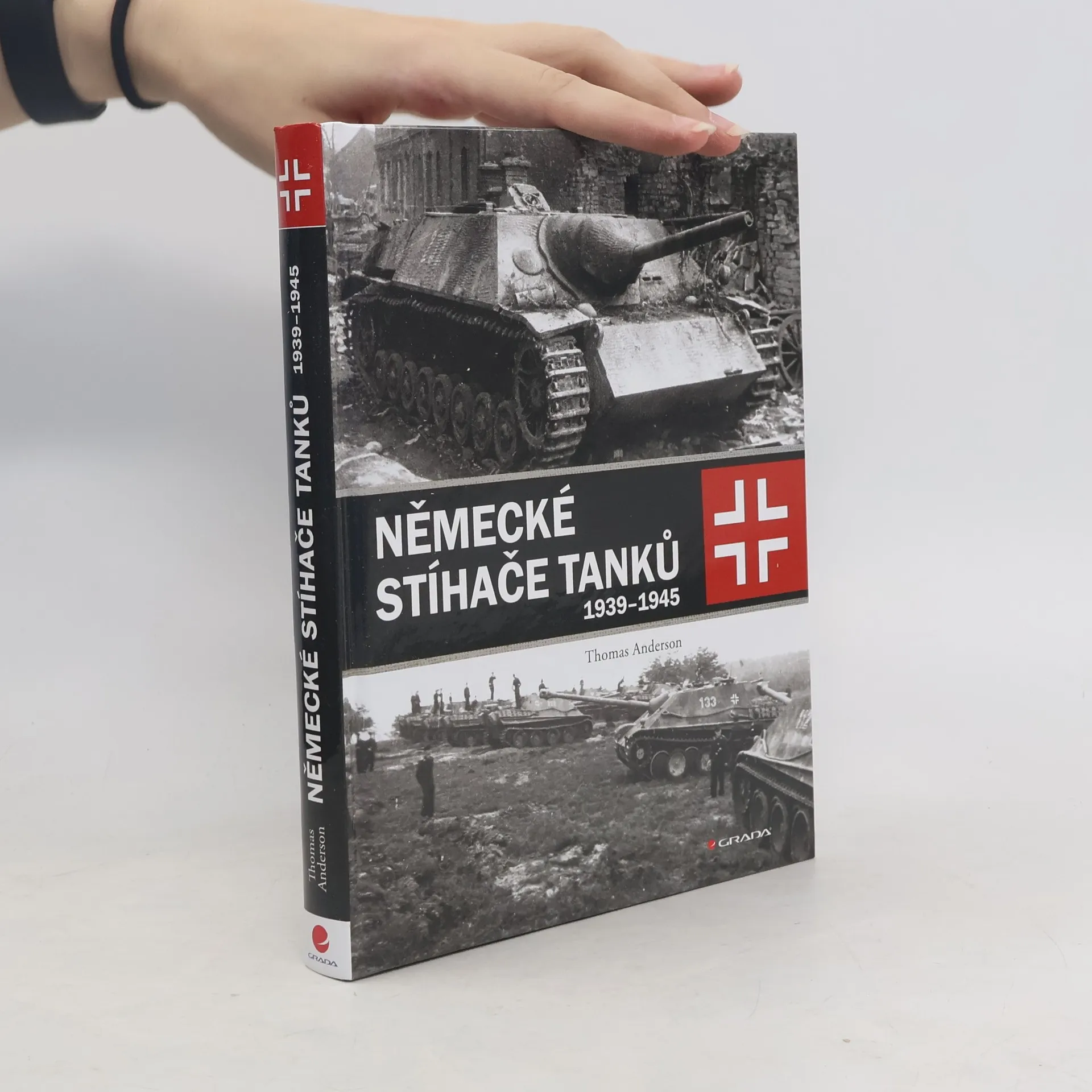
Inovační doktrína Blitzkriegu, založená na součinnosti tankových svazků, dělostřelectva a bitevního letectva, přinesla německé armádě na počátku druhé světové války převahu a důležitý poznatek o nutnosti zabránit nepříteli v nasazení vlastních tanků. Němci se stali průkopníky ve vývoji protitankových prostředků, od raných ručních zbraní a malorážových kanonů po speciální jednotky Panzerjäger s těžší výzbrojí. Druhý svazek díla Lovci tanků detailně popisuje nasazení jednotek Panzerjäger na různých bojištích a jejich snahu čelit spojeneckým tankům novými, silnějšími protitankovými zbraněmi. Anderson na základě dobových fotografií ukazuje, jak Němci zaváděli stále větší ráže protitankových kanonů a přestavovali tankové podvozky na speciální vozidla stíhače tanků Jagdpanzer. Kniha také líčí, jak byli Němci v roce 1942 nuceni upravovat trofejní techniku na stíhače tanků a jak u strojů jako Ferdinand, Nashorn a Jagdpanther dospěli k ráži 8,8 cm. Aby nahradili kvantitu kvalitou, použili kanon 12,8 cm u Jagdtigeru a vyvinuli jednoduchou pěchotní zbraň, pancéřovou pěst Panzerfaust. Napříč dějinami vojenství se táhne příběh souboje mezi útokem a obranou, a Thomas Anderson přispěl k tomuto tématu zajímavou kapitolou.
Historie německého tankového vojska - Tankové divize
- 288 Seiten
- 11 Lesestunden
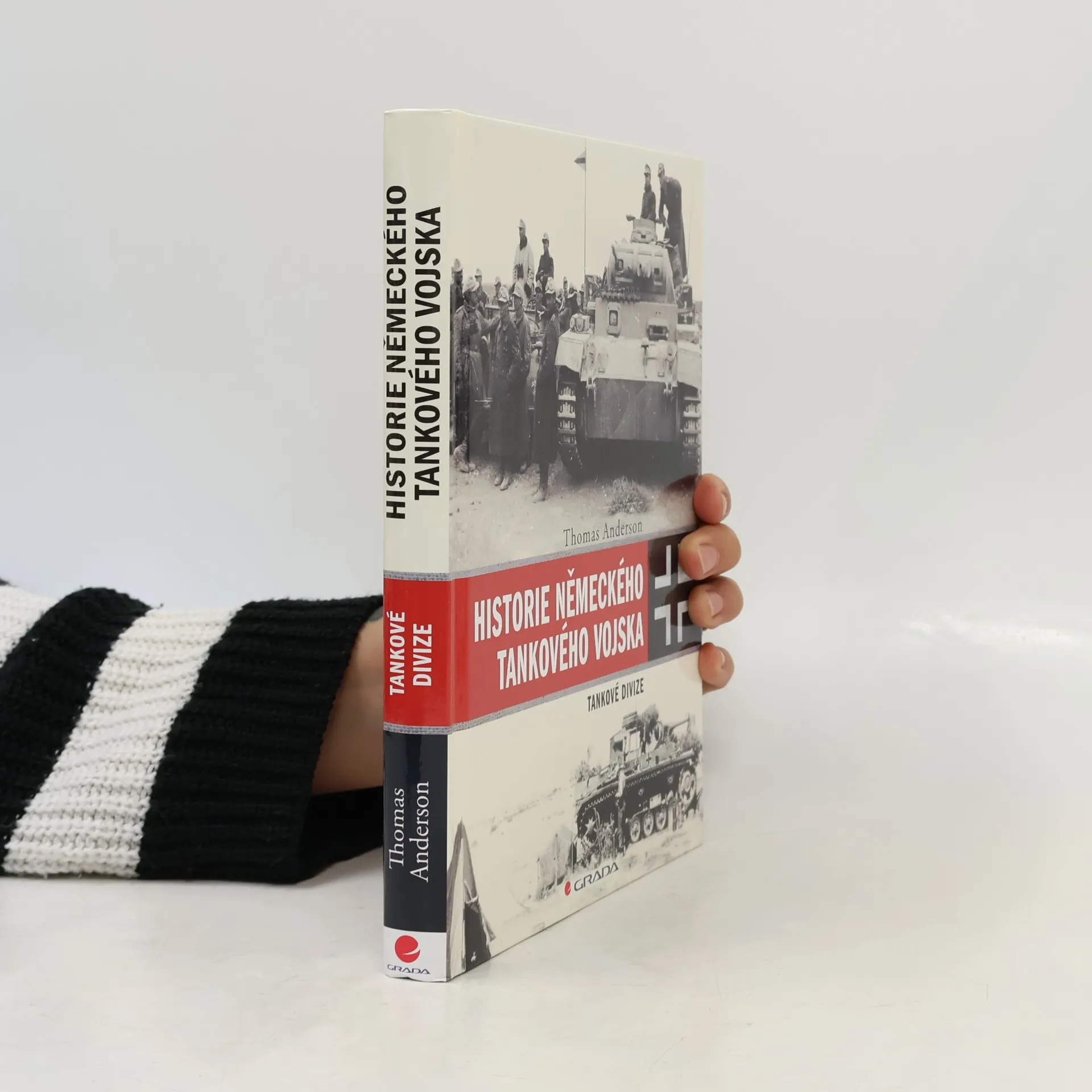
Tato kniha se zaměřuje na strukturu a organizaci nejznámější jednotky druhé světové války – tankové divize (Panzerwaffe). Německá tanková divize čítala asi třináct tisíc mužů a představovala soběstačnou bojovou sílu, která byla schopná proniknout do nepřátelských obranných linií, vyčistit obsazenou oblast od všech zbývajících nepřátel a vytvořit novou frontu. Tato kniha se věnuje fascinující historii těchto divizí od předválečného vývoje až k jejich postupnému nasazení v průběhu války. Kniha se navíc zabývá všemi specializovanými jednotkami, jež byly součástí tankových divizí. Díky vzácným, dříve nezveřejněným fotografiím a velkému množství původních dokumentů je tato kniha jedinečný zdroj informací o struktuře, organizaci a rozvoji nejobávanějších sil nacistického Německa
Německé obrněné průzkumné jednotky
- 288 Seiten
- 11 Lesestunden
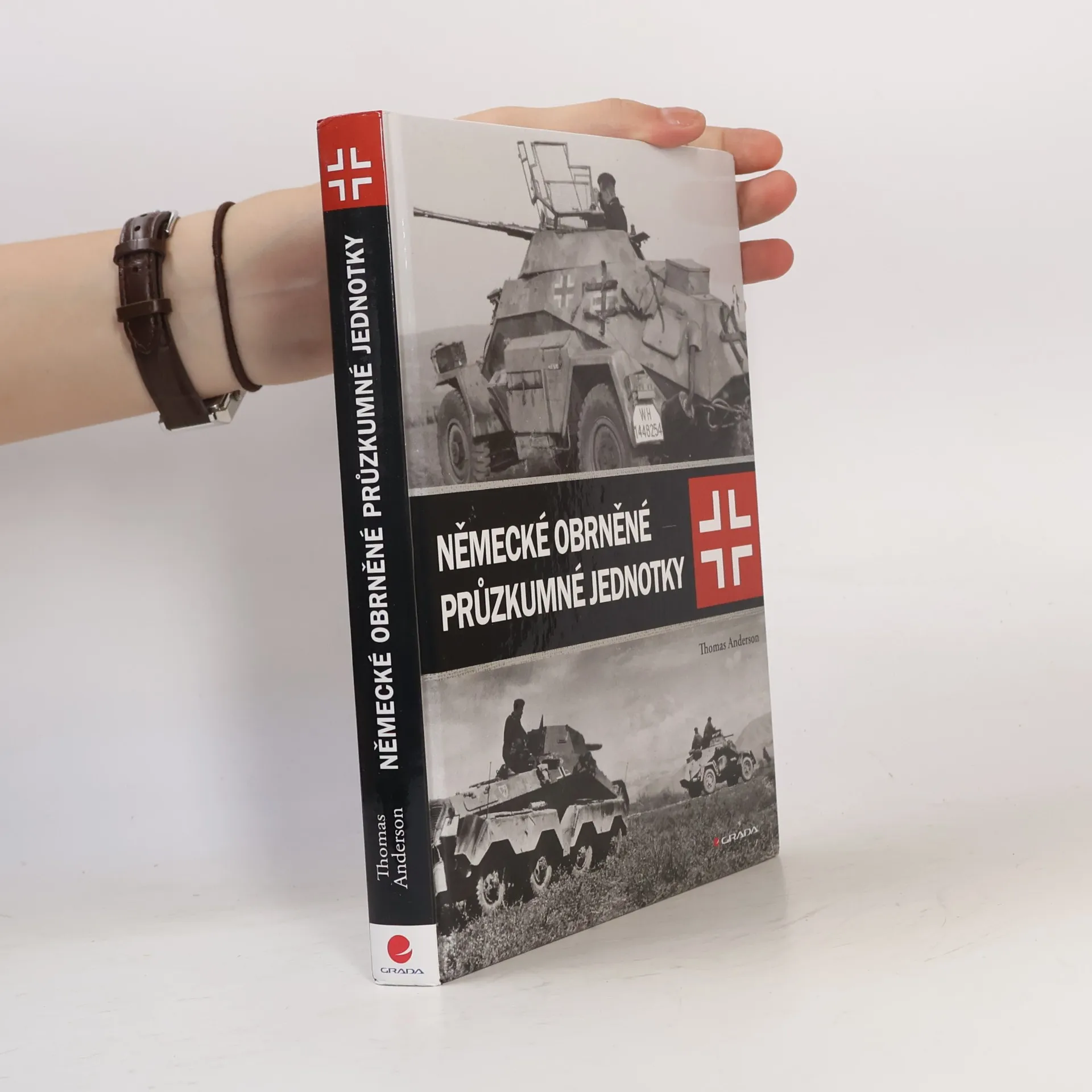
Průzkumné síly byly za druhé světové války klíčovou složkou tankových divizí Wehrmachtu. Tyto vysoce mobilní divize nezbytně potřebovaly kvalitní zpravodajské informace z bojiště a motorizované jednotky velikosti praporu tyto informace poskytovaly. Průzkumné jednotky byly vybavené nejrůznějšími obrněnými vozidly a motocykly, a často operovaly daleko před frontou s cílem prozkoumávat terén, pozorovat nepřátelské pozice a odhadovat nepřátelské síly. Zajišťovaly tedy důležité informace potřebné před jakýmkoliv obrněným útokem. V druhé polovině války, kdy se Německo soustředilo na strategickou obranu, se obrněné průzkumné jednotky stále více zapojovaly do bojových operací, a často dokonce držely určité části bojové linie. Zároveň se začaly uplatňovat modernější prostředky, motocykly byly postupně vyřazovány a na jejich místo nastoupily speciálně konstruované obrněné transportéry (Schützenpanzerwagen). Tato bohatě ilustrovaná publikace Thomase Andersona obsahuje původní německé archivní materiály, bojová hlášení a doposud nepublikované snímky, a líčí tak celou historii průzkumných jednotek tankových divizí.
Pancéřoví granátníci
- 304 Seiten
- 11 Lesestunden
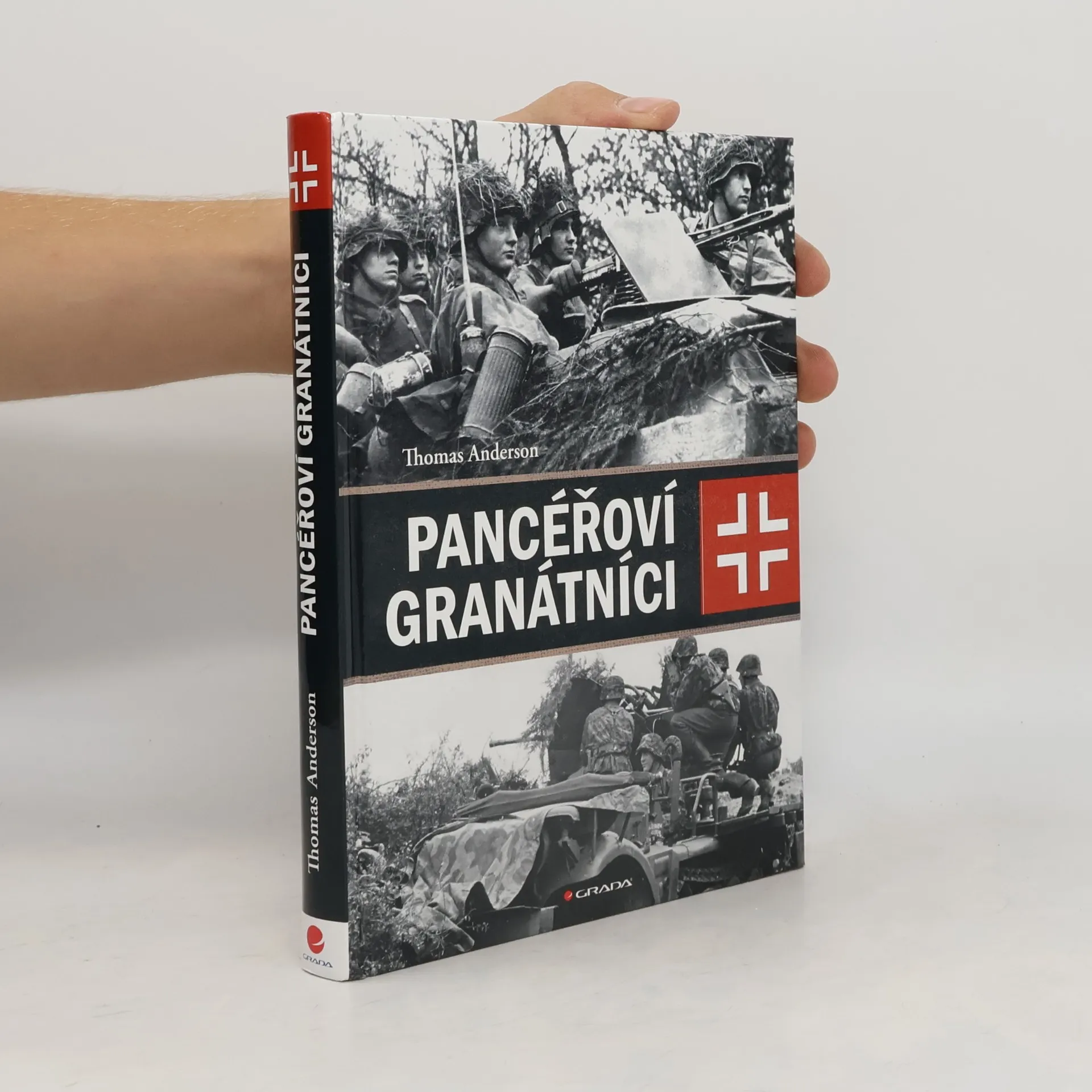
Německá mechanizovaná pěchota. Armády v průběhu historie nasazovaly pěchotu jako hlavní útočnou sílu, ale shromažďování a rozmisťování těchto jednotek a jejich vybavení může být časově velmi náročné, a to i od doby zavedení železnic a motorových vozidel. Když němečtí vojenští plánovači ve 30. letech 20. století vytvářeli Panzerwaffe, uvědomili si, že rychlý pohyb tankového útoku vyžaduje motorizovanou pěchotu, která poskytuje veškerou nezbytnou podporu. Touto pěchotní složkou byla pro tankovou divizi integrální Schützenbrigade (střelecká brigáda), původně přepravovaná na nákladních automobilech, ale od roku 1939 vybavená univerzálnějšími transportéry (Mannschaftstransportwagen, později Schützenpanzerwagen). Tyto polopásové obrněné transportéry změnily motorizovanou pěchotu na mechanizovanou a v průběhu léta 1942 došlo i ke změně názvu ze Schützen- na Panzergrenadier (obrněná pěchota). Český název pancéřoví granátníci byl používán v období 2. sv. války, současná terminologie používá termín tankoví granátníci, což věcně odpovídá motorizované/mechanizované pěchotě.
Tiger
- 256 Seiten
- 9 Lesestunden
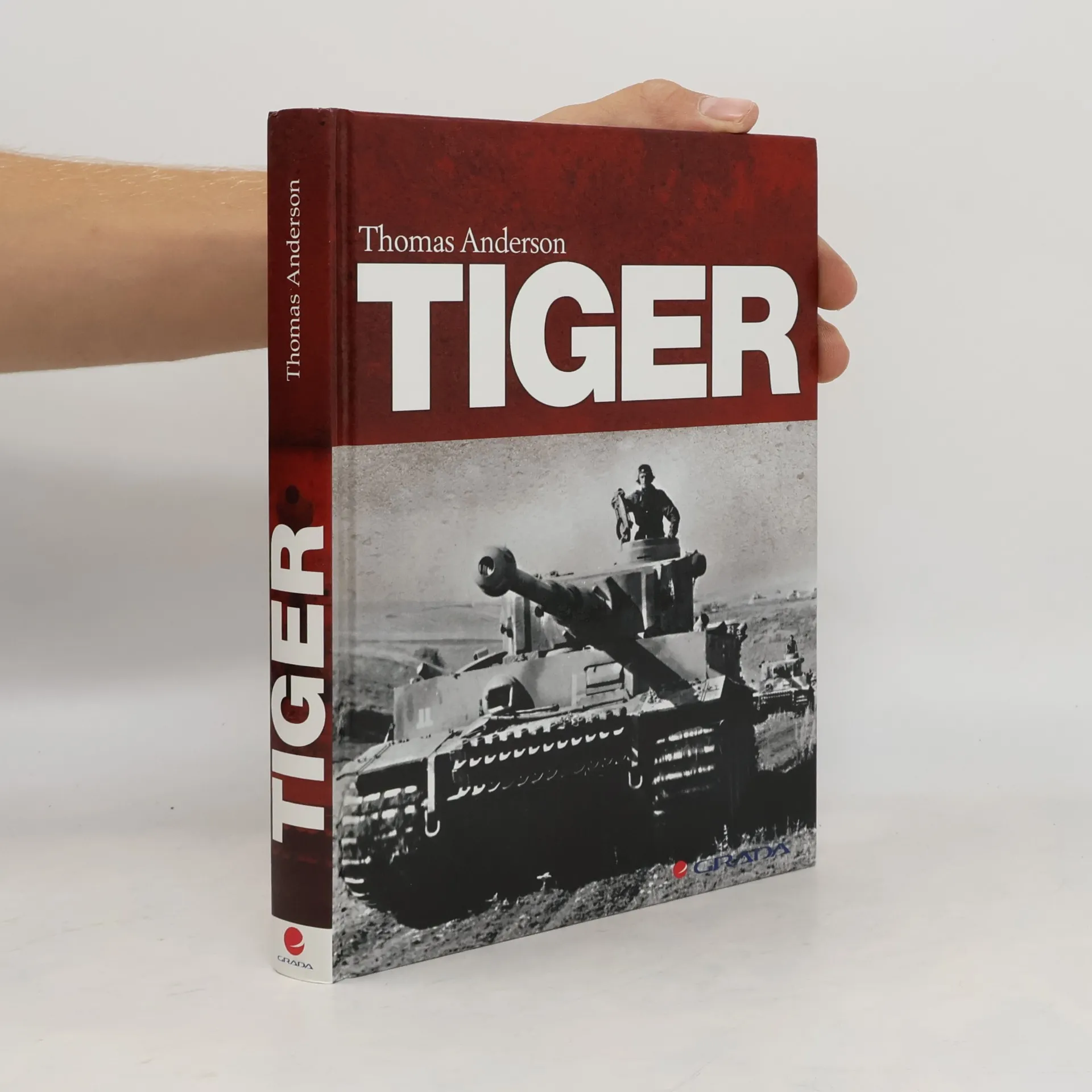
Němec Thomas Anderson je specialistou zabývajícím se studiem německých obrněných vozidel za 2. světové války. Léta strávil výzkumem v archivech v Německu, zbytku Evropy a ve Spojených státech, kde objevil málo známá fakta a dosud nepublikované fotografie mocné Panzerwaffe. Výsledek svého bádání zúročil v této komplexně pojaté knize. Zpřístupňuje v ní ještě nikdy nepublikované výňatky z hlášení velitelů jednotek, z osobních deníků, vzpomínek veteránů, čímž umožňuje čtenáři nahlédnout do historie tohoto legendárního obrněnce z dosud neznámých pohledů. Nepředkládá tedy jen podrobný technický popis variant tanku Tiger, jejich zrod a vývoj, jejich pancéřování, výzbroj a munici, ale zachycuje i cenné autentické zkušenosti, hodnocení a doporučení jeho osádek, taktiku jeho nasazování, změny v organizační struktuře tankových jednotek, detailní pohled na výrobní schopnosti německého průmyslu a dobovou atmosféru. Zkoumá také široce přijímaný názor, že Tiger byl konstrukčně pří liš komplikovaný, p