

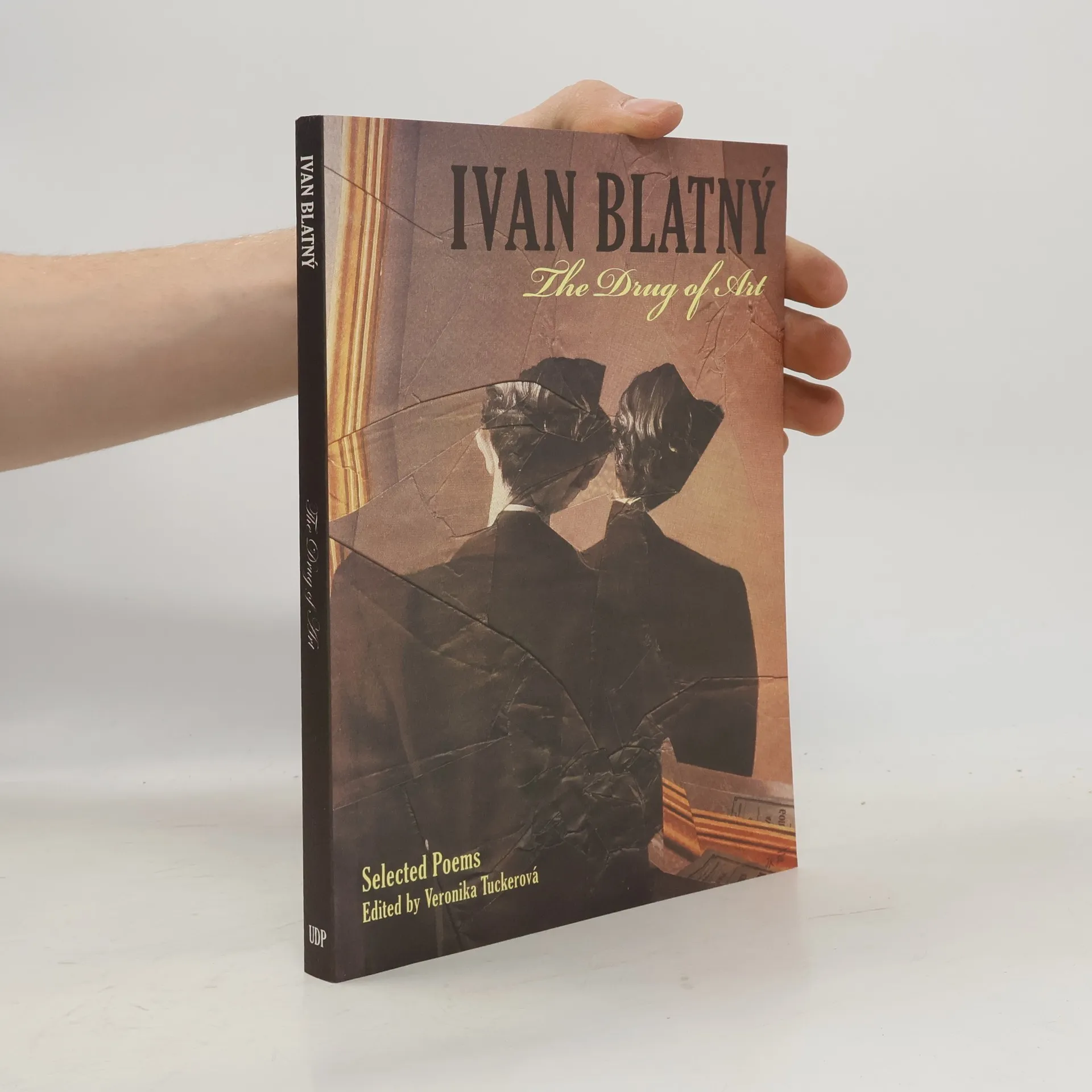
Translated from the Czech by Matthew Sweney, Justin Quinn, Alex Zucker, Veronika Tuckerova & Anna Moschovakis. Edited by Veronika Tuckerova. "The verses and fate of the poet Ivan Blatny complete the fate of Czech literature, which transcended the borders of the nation, often struggling for survival"—Vaclav Havel. Lost to the world for twenty-five years, Ivan Blatny was, according to the Czech Ministry of Culture, "one of the most significant Czech poets of the twentieth century." Blatny fled Czechoslovakia after the Communist coup in 1948, but didn't cope well with exile. This volume spans fifty years of his career and is notable for being the first major collection of Blatny's work in English, including his multi-lingual poems written while he was housed in mental hospitals in England.
Veronika Tuckerová Bücher
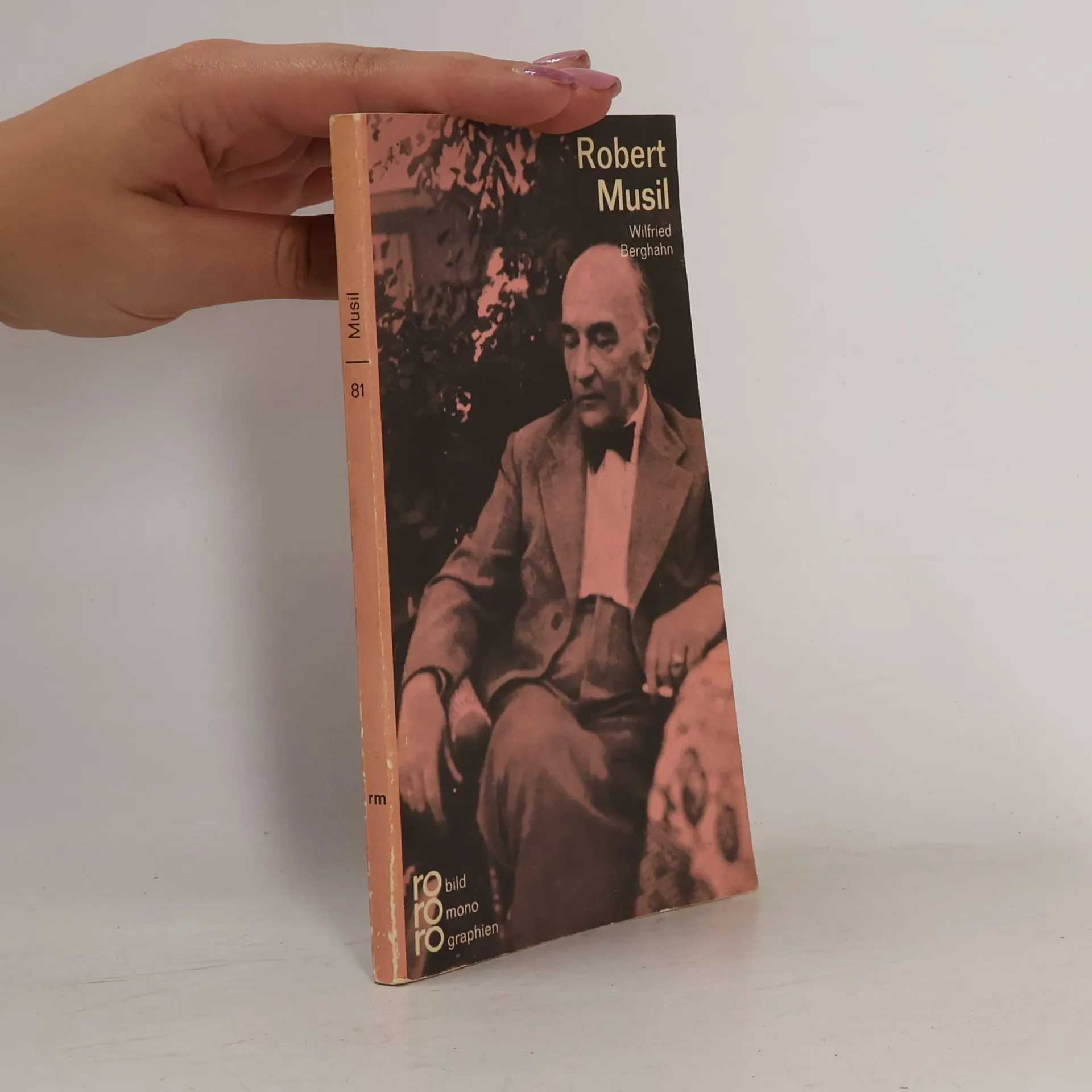
Er stirbt 1942 am 15. April, mittags gegen 13 Uhr, im Genfer Exil. Er hinterläßt ein paar Bücher und zwei Kisten mit Manuskripten, Notizen und Entwürfen, alles unvollendet. Die letzten Jahre sind bitter: Die Arbeit am Roman ist ins Stocken geraten. 'Schreiblähmung' heißt es in den Briefen an die wenigen noch verbliebenen Freunde und Bekannten. Nur die sein Leben lang selbstverständliche Disziplin zwingt ihn jeden Tag wieder an seinen Arbeitstisch, aber es geht nur noch langsam weiter. 'Ich bin während dieser Jahre meines Schweizer Aufenthaltes durch die äußere in eine peinliche innere Krise geraten.' Seine Gesundheit ist angegriffen. Er hat 1936 einen Schlaganfall erlitten. Und das Deprimierendste ist: Seine Arbeit bringt ihm keinen einzigen Franken mehr ein.
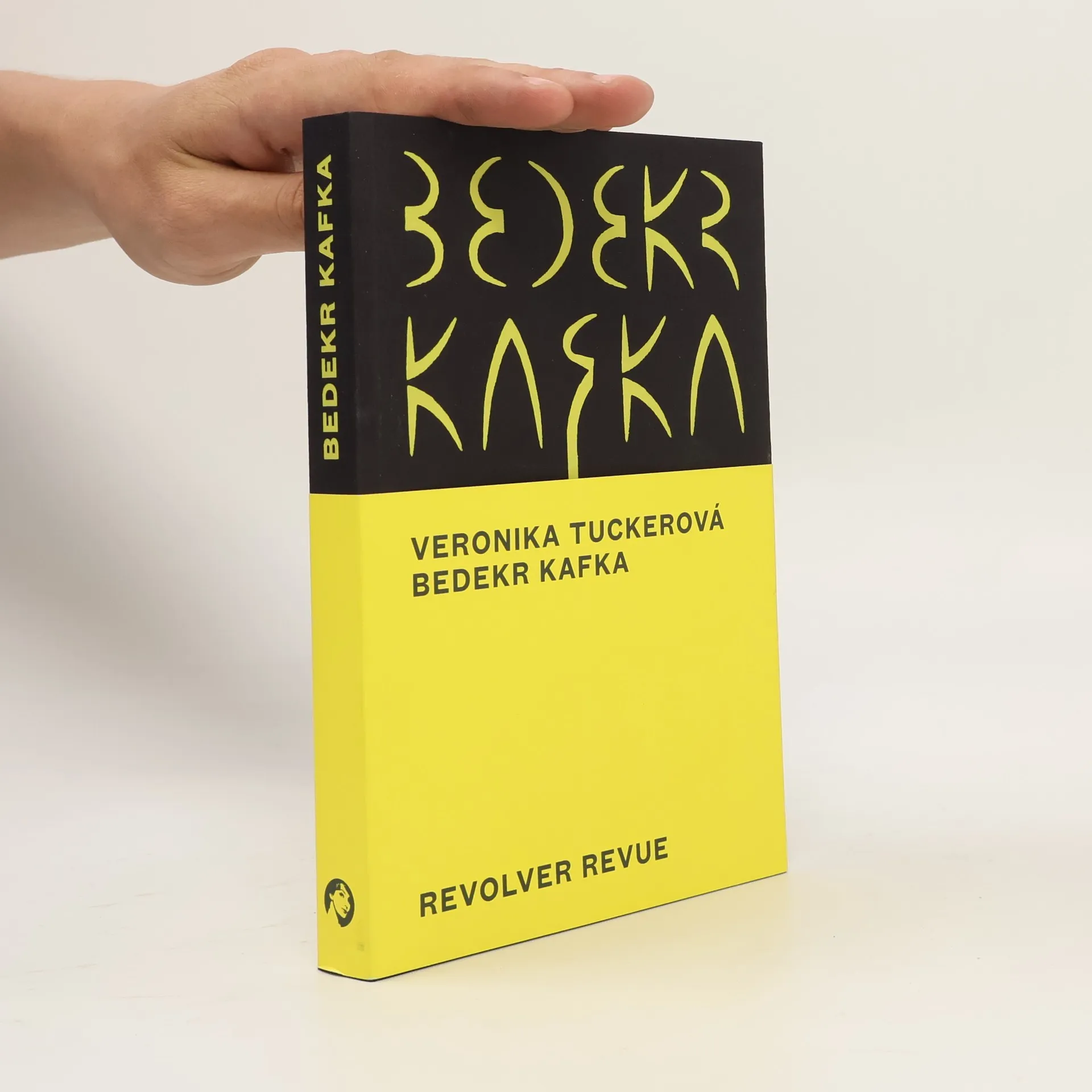
Bedekr Kafka
- 216 Seiten
- 8 Lesestunden
Kniha vede čtenáře po dvou méně probádaných liniích české kafkovské recepce. První se inspiruje postavou Josefa K. z románu Proces, který má za úkol v jedné z kapitol provést italského obchodního partnera po chrámu svatého Víta. Podobně hledal později pražské kafkovské stopy dodnes nedoceněný spisovatel a překladatel Emanuel Frynta; pomáhal i prvním zahraničním „turistům“, kteří přijížděli do města ve snaze vypátrat kontext Kafkova díla. Druhá linie knihy se rovněž inspiruje topografickou metaforou: mapuje přítomnost Kafky v době, kdy zmizel z veřejného prostoru, byl přitom čten a vnímán jako zásadní autor mnohými českými básníky, spisovateli a výtvarníky, jejichž vztah ke Kafkovi, jak napsal v dopise Mikuláši Medkovi Zbyněk Sekal, byl „vroucí“ (Egon Bondy, Bohumil Hrabal, Jiří Kolář, Jan Hanč, Bohumila Grögerová, Josef Hiršal ad.). Kromě tří ústředních kapitol (I. Kafkova Praha: od Eisnerova trojího ghetta po kafkovský baedeker Emanuela Frynty, II. Kafkovští turisté a jejich pražští průvodci, III. „Můj vztah ke Kafkovi je vroucí“: Kafka v padesátých letech 20. století) obsahuje kniha několik „zastavení“ věnovaných dalším tématům, bohatý obrazový doprovod a rejstříky.