Eine ganze Epoche des geistigen Frankreich mit seiner literarischen, philosophischen und politischen Avantgarde wird hier lebendig: Camus, Genet, Prevert, Picasso. Es ist jenes glückliche Decennium, in dem sich die junge Lyzeal-Lehrerin mit Sartre befreundet und zur Schriftstellerin entfaltet.
Peter Green Reihenfolge der Bücher (Chronologisch)
22. Dezember 1924
Dieser Autor, der von einem Beruf als Architekt zum Schriftsteller wurde, schöpft aus seinen Erfahrungen in Architektur und Stadtplanung. Sein Debütroman spielt in St. Louis und folgt einem Architekten, der zum Amateurdetektiv werden muss, um seine Karriere und sein Leben zu retten, als er während einer katastrophalen Flut eine Leiche in einer Pumpstation entdeckt. Sein Schreibstil ist geprägt von seiner Herkunft aus einer Familie von Journalisten und seinen Erlebnissen in der Architektur, wobei er Elemente von Intrigen und persönlichen Dramen in seine spannenden Erzählungen einfließen lässt.



Gluten Exposed
- 364 Seiten
- 13 Lesestunden
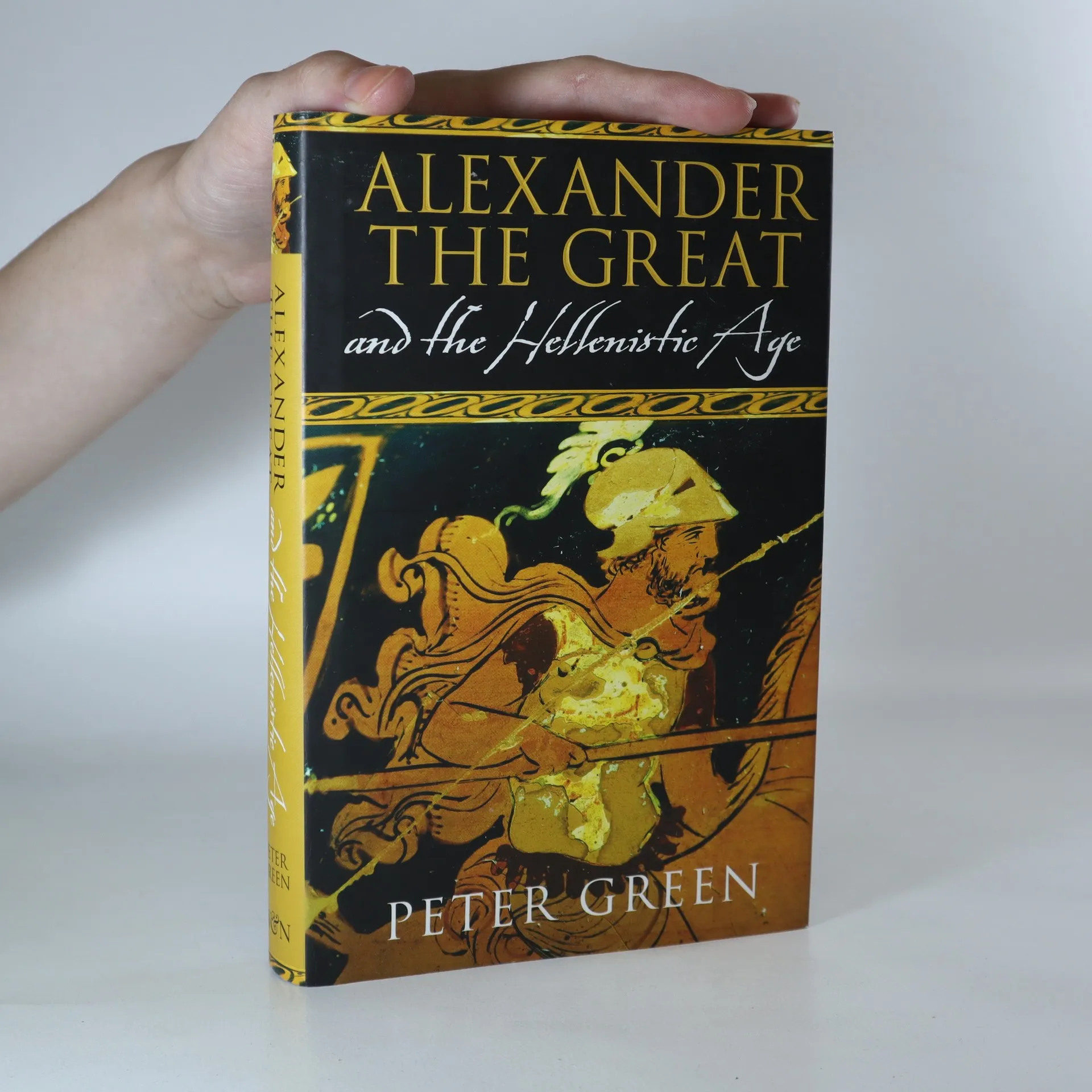
Alexander the Great and the Hellenistic age
- 234 Seiten
- 9 Lesestunden
A masterly narrative survey of 300 years from Alexander's conquest and empire to the triumph of Rome
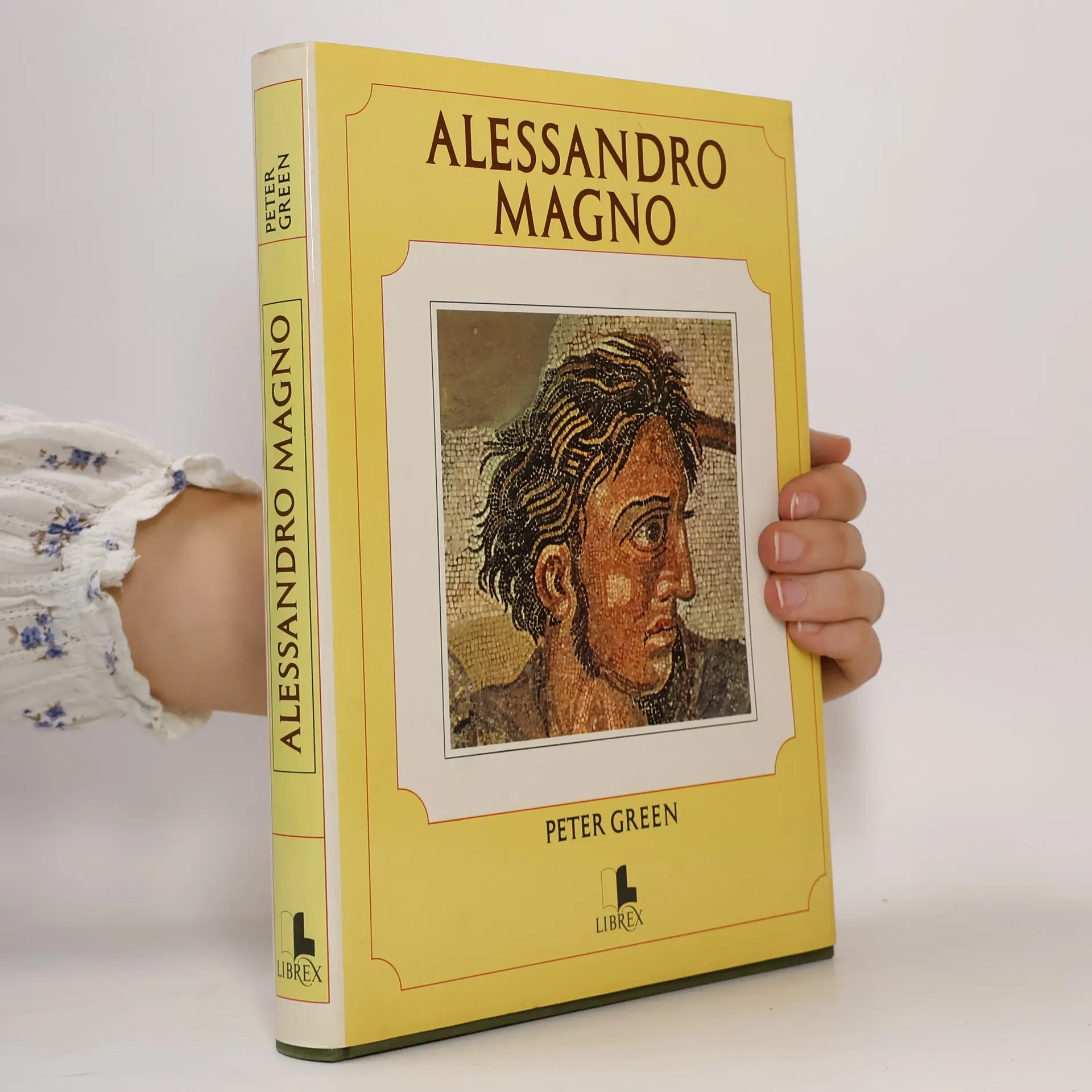
Aleksander Wielki
- 384 Seiten
- 14 Lesestunden
Daniel Libeskind
- 167 Seiten
- 6 Lesestunden
This volume examines the architectural work of Daniel Libeskind and features sketches, plans, models and images of completed buildings. Jacques Derrida, Bernhard Schneider and Mark C. Taylor contribute essays.
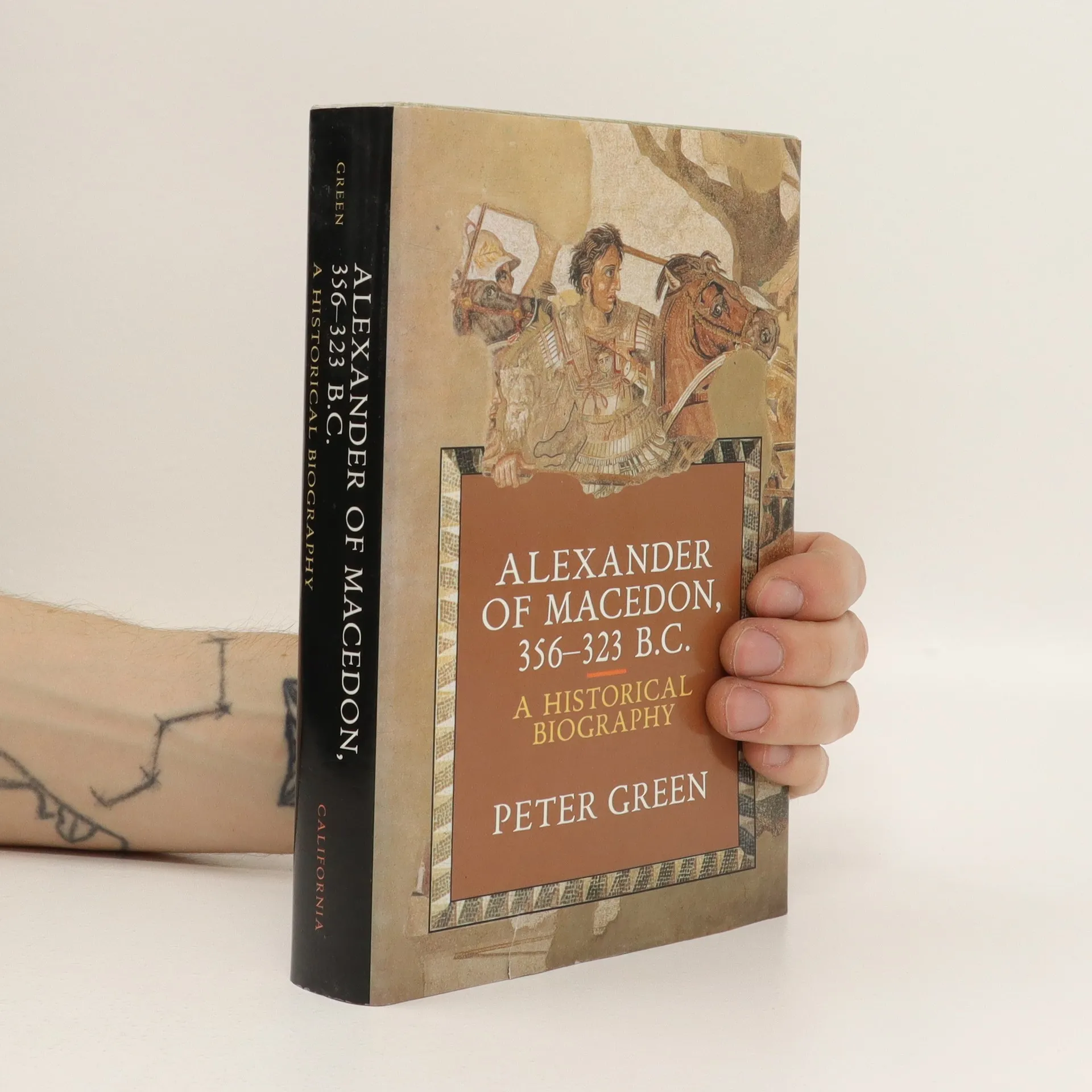
This biography portrays Alexander as both a complex personality and a single-minded general, a man capable of such diverse expediencies as patricide or the massacre of civilians. Writing for the general reader, the author provides gritty details on Alexander's darker side while providing a gripping tale of Alexander's career.
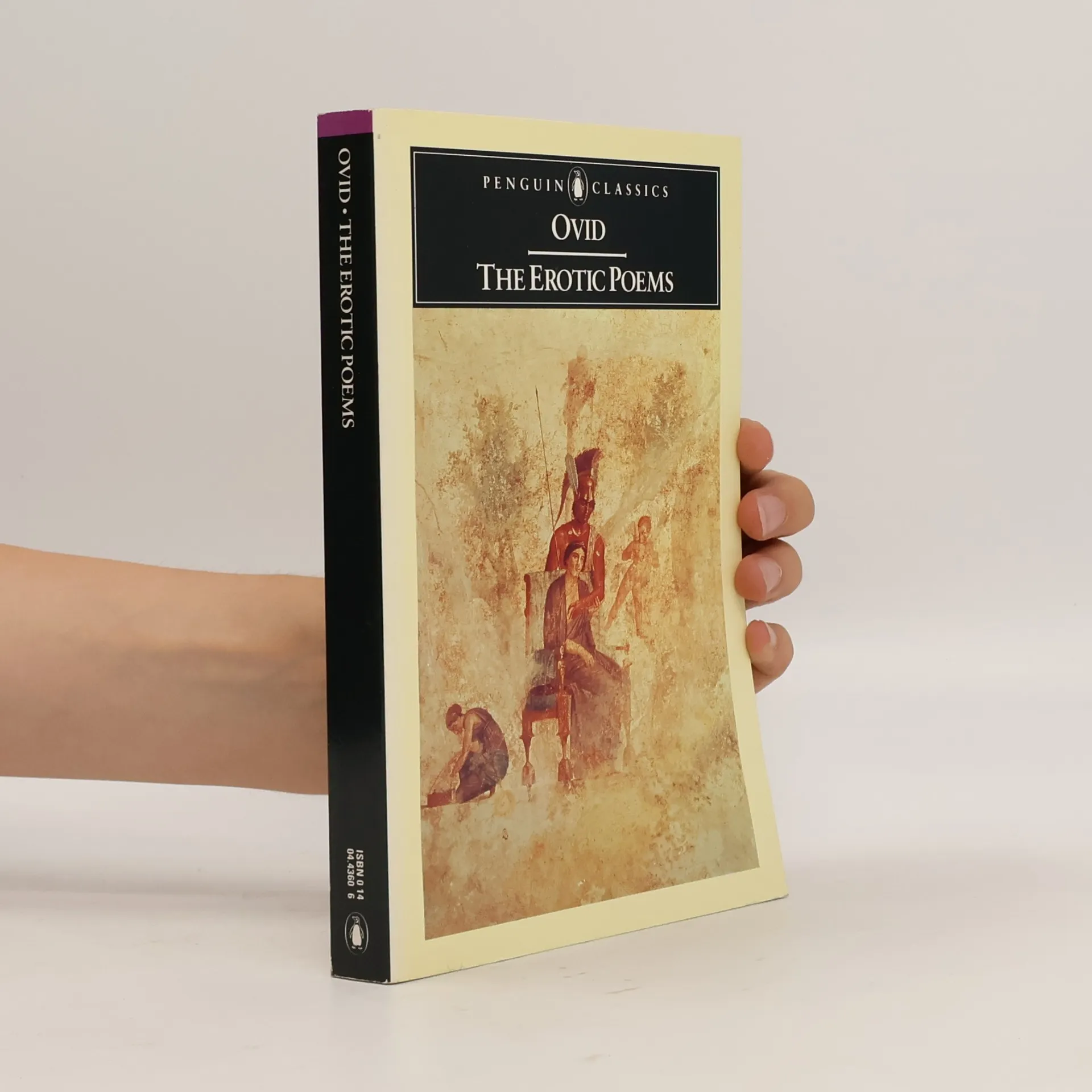
Penguin Classics: The Erotic Poems
- 464 Seiten
- 17 Lesestunden
This collection of Ovid's poems deals with the whole spectrum of sexual desire, ranging from deeply emotional declarations of eternal devotion to flippant arguments for promiscuity. In the Amores, Ovid addresses himself in a series of elegies to Corinna, his beautiful, elusive mistress. The intimate and vulnerable nature of the poet revealed in these early poems vanishes in the notorious Art of Love, in which he provides a knowing and witty guide to sexual conquest - a work whose alleged obscenity led to Ovid's banishment from Rome in AD 8. This volume also includes the "Cures for Love," with instructions on how to terminate a love affair, and "On Facial Treatment for Ladies," an incomplete poem on the art of cosmetics. For more than seventy years, Penguin has been the leading publisher of classic literature in the English-speaking world. With more than 1,700 titles, Penguin Classics represents a global bookshelf of the best works throughout history and across genres and disciplines. Readers trust the series to provide authoritative texts enhanced by introductions and notes by distinguished scholars and contemporary authors, as well as up-to-date translations by award-winning translators.
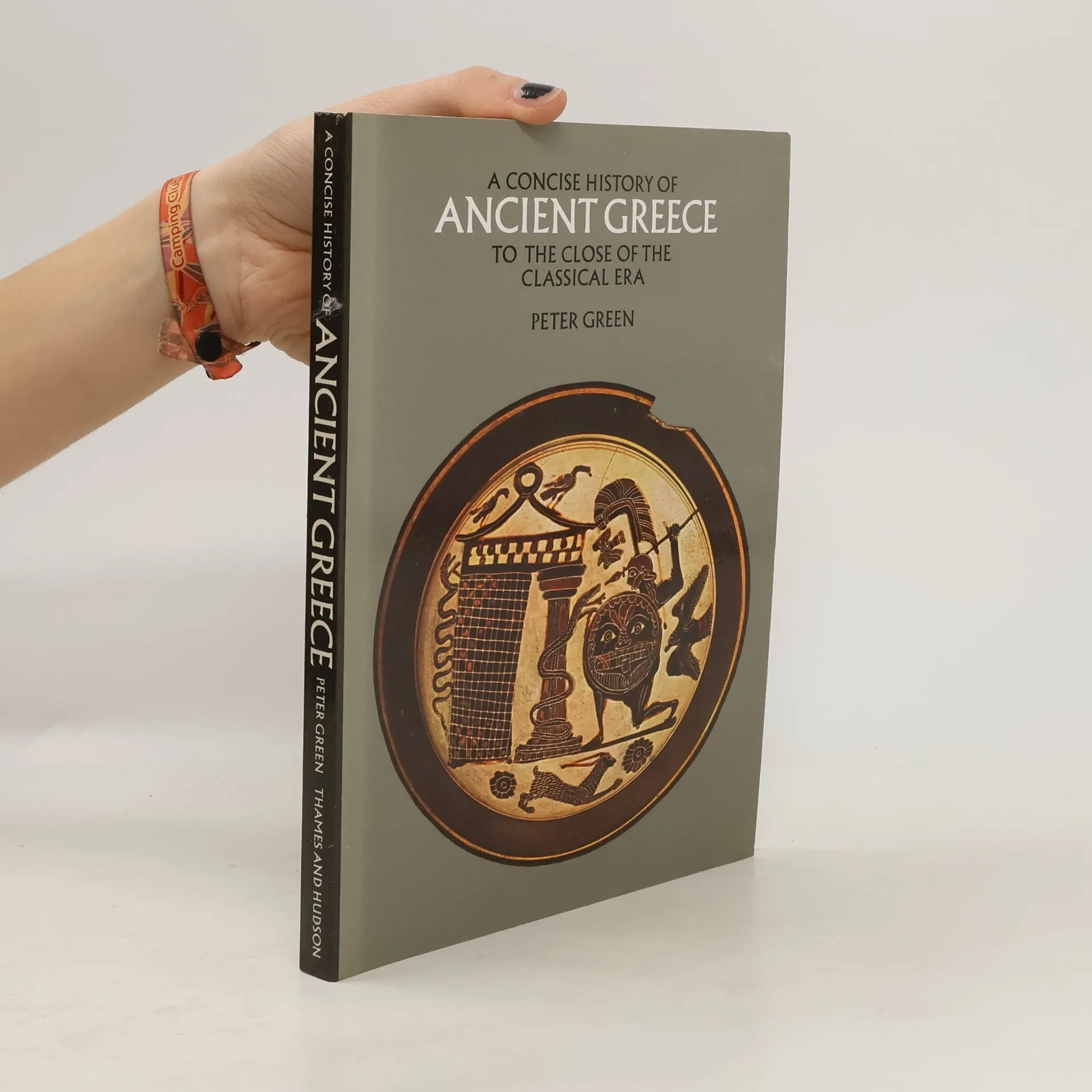
A Concise History of Ancient Greece to the Close of the Classical Era
- 192 Seiten
- 7 Lesestunden
Discusses the intellectual and political developments that distinguished the country's history from the beginnings of Minoan culture to the death of Alexander
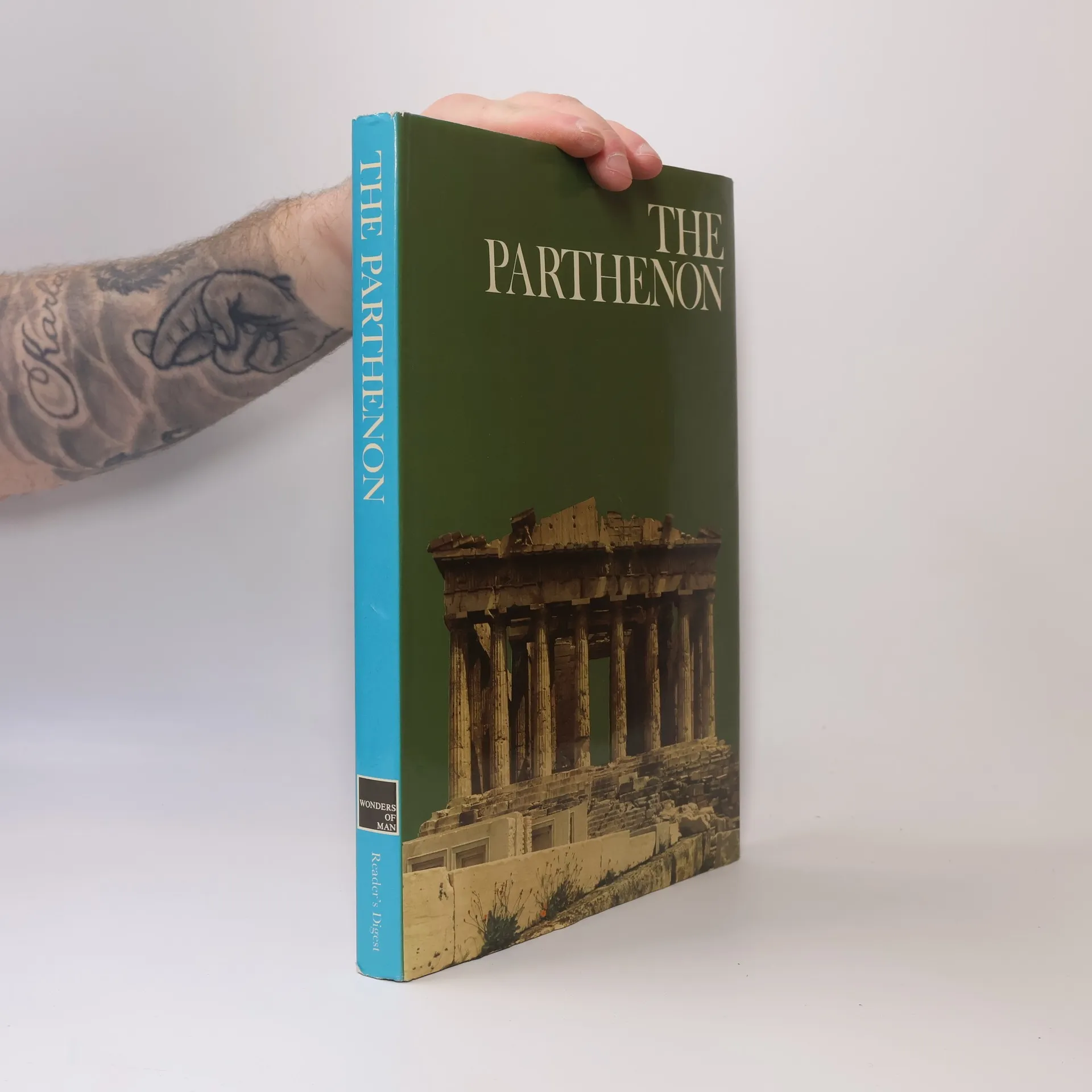
The Parthenon
- 172 Seiten
- 7 Lesestunden
Democracy's symbolic birthplace, the famed Acropolis, stands today as a rubble-strewn reminder of the glory that was Greece. The ancient citadel, once the center of Athenian religion and civic pride, is surmounted by half a dozen ruined buildings, among them the most famous temple in the Western world, the Parthenon.