Rivera, Kahlo, Tamayo, Covarrubias, Weston, Modotti, Álvarez Bravo, Spratling – Namen, die eng verbunden sind mit der international gefeierten amerikanisch-mexikanischen Kunst-, Fotografie- und Designszene der 1920er und 30er Jahre. Opulent bebildert spürt die Publikation dem dynamischen kulturellen Austausch nach, der für beide Seiten prägend war. Am Beginn des 20. Jahrhunderts etablierte sich ein reger, profitabler Austausch zwischen amerikanischen und mexikanischen Künstlern. Die Amerikaner begeisterten sich für die mexikanische Synthese aus historischer und moderner Kunst sowie deren soziales Engagement, das im Kontrast zur US-Konsumkultur stand. Mexikanische Künstler hingegen fanden in den Vereinigten Staaten wichtige Finanziers. Mit Gemälden, Zeichnungen, Fotografien und grafischen Arbeiten aus dem Harry Ransom Center at The University of Texas in Austin und anderen bedeutenden Museen veranschaulicht der Band, wie dieses interkulturelle Netzwerk eine Vielzahl weltberühmter Künstler hervorbrachte.
Donald Albrecht Reihenfolge der Bücher (Chronologisch)


Gay Gotham: Art and Underground Culture in New York
- 304 Seiten
- 11 Lesestunden
The book delves into the vibrant history of queer artists in New York City, highlighting their creative communities from the 1910s to the late 20th century. It showcases over 200 images, including artworks and personal artifacts, that reveal intimate connections and untold stories of both renowned and lesser-known figures. The narrative spans key cultural moments, from the bohemian scenes of Greenwich Village to the post-Stonewall era, illustrating how these artists shaped modern culture and fostered resilience through collaboration in the face of societal challenges.
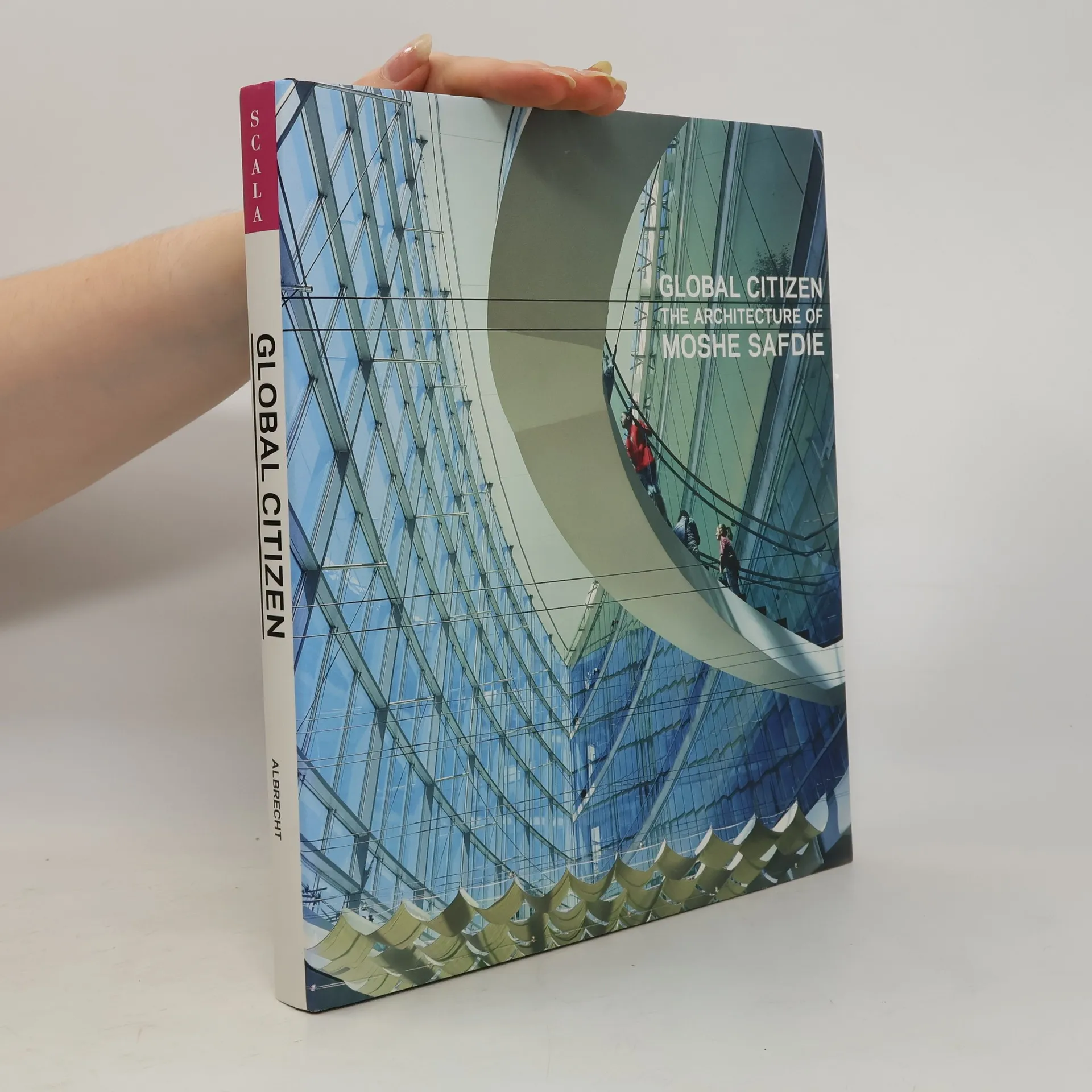
Global Citizen: The Architecture of Moshe Safdie accompanies a major traveling exhibition that explores this renowned architect's buildings and the philosophy that shapes them. Safdie's career has traced a remarkable trajectory in the canon of modern architecture, from the 1960s when the twenty-nine-year-old architect designed Habitat, one of the century's most significant experiments in prefabricated housing, until today, when he practices within an ever-expanding global architectureal culture. Safdie's canonical works combine the Social activism and advanced technologies of modernism with profound respect for historic and regional context. For his diverse clients, Safdie has created buildings where communities are forged of strangers, memory is enshrined, and identity is created in built form. This book features new photography and essays by Donald Albrecht and Sarah Williams Goldhagen that examine Safdie's role in contemporary architecture, as well as his use of architecture for advancing political, religious, and cultural agendas. Also included is a unique illustrated essay by Safdie examining the architect's thoughts on the global city in the 21st century.
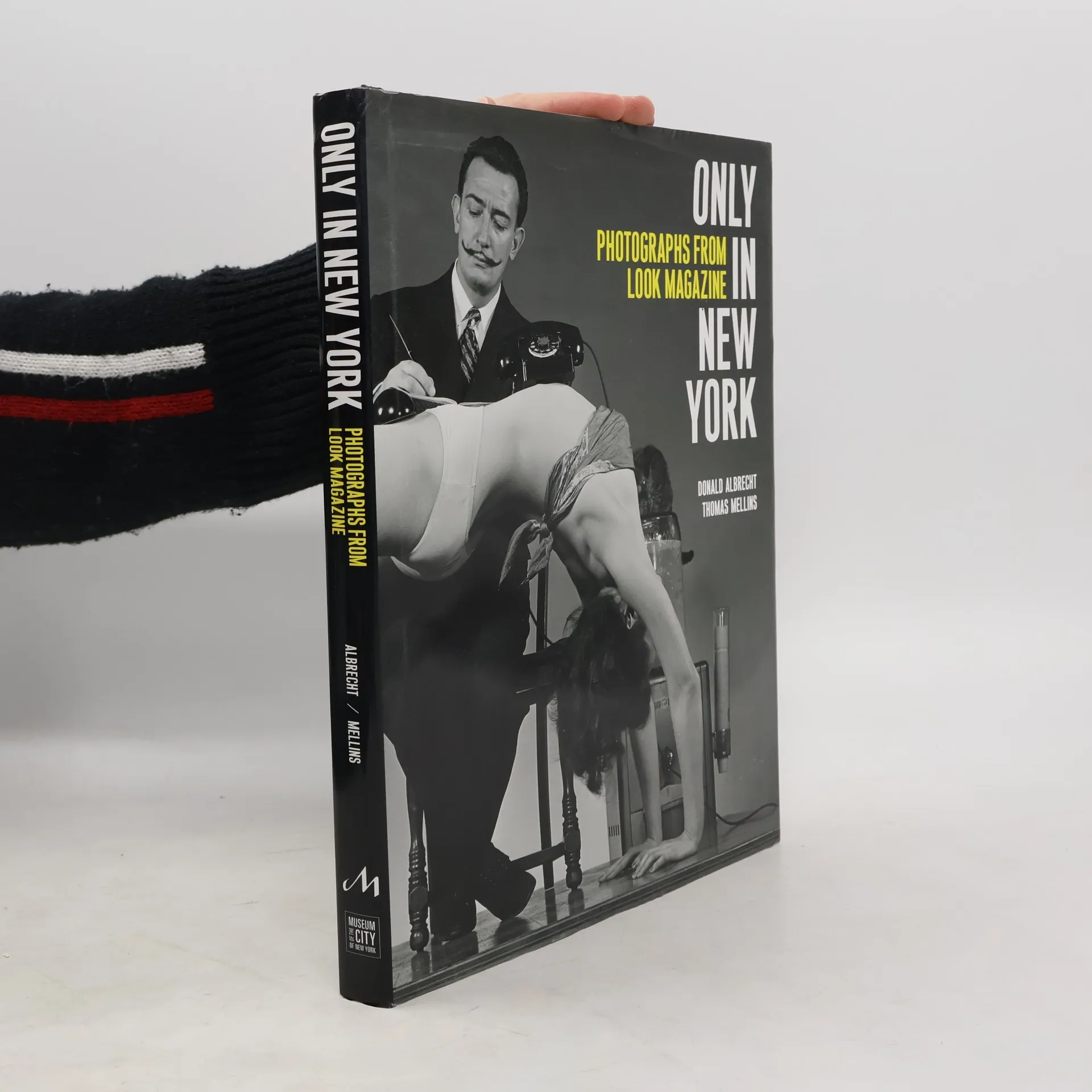
In the aftermath of World War II, New York emerged as a world-class city and the de facto national financial capital, becoming a magnet for moguls and strivers. At the same time the city remained a collection of small towns made up of people going about their daily rounds. No other publication captured this twin identity as successfully as Look magazine. In the pre-television era, the editors of Look recognized the great demand for photographs of all kinds—politicians, titans of industry, and unsung heroes, glamorous events and intimate moments, society matrons and showgirls, violent crime and courtroom drama—that provided entertainment and diversion to voyeuristic subscribers to the magazine. Reaching a peak circulation of nearly 8 million in the late 1960s, Look was a national publication with a focus on the fascination and allure of New York. The magazine's New York images—more than 200,000 in all—were donated to the Museum of the City of New York. Only in New York draws from that astonishing archive to present the tapestry that was New York in the 1940s and 1950s.
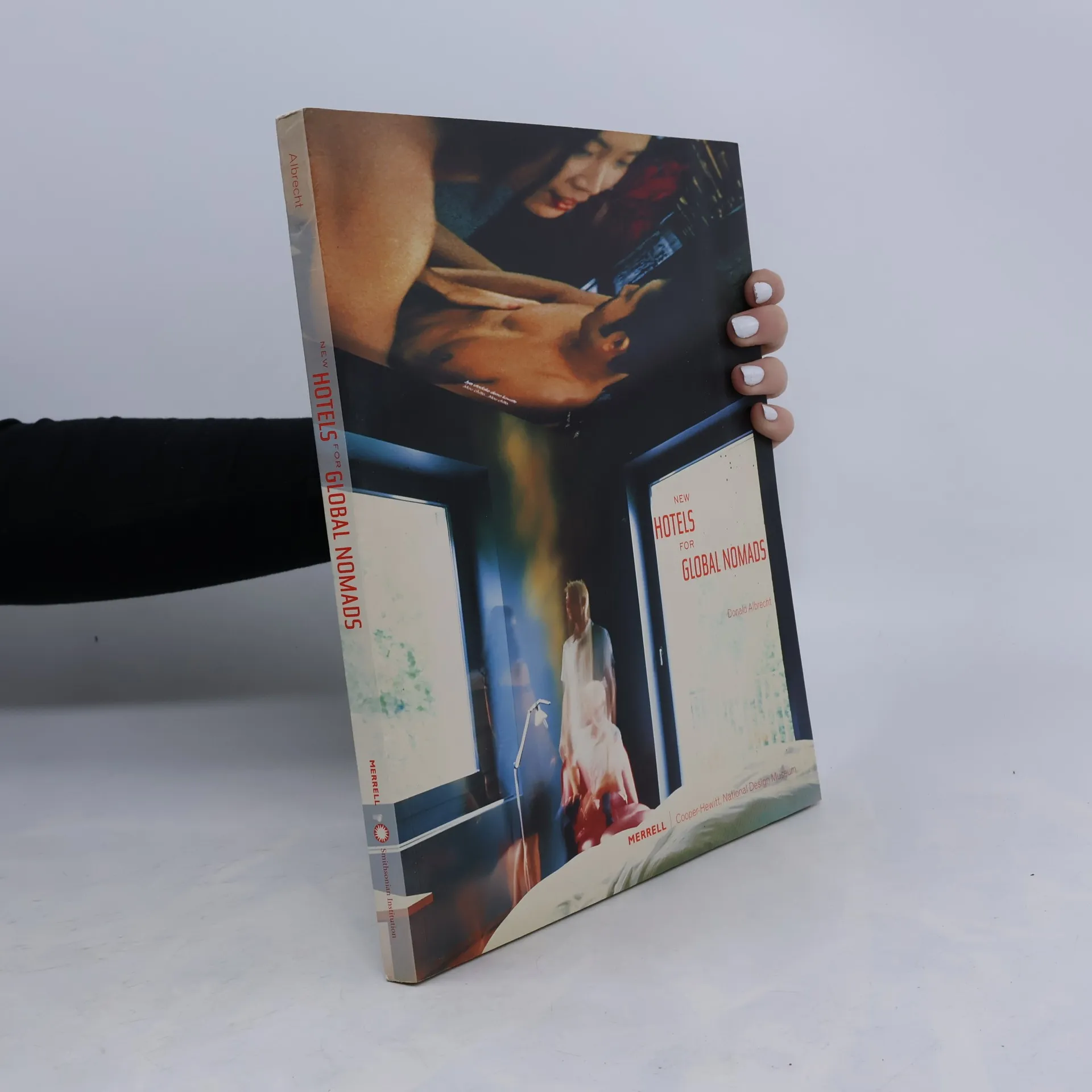
The world is on the geographic borders have broken down as people can increasingly travel anywhere, any time for business and pleasure. The modern hotel accommodates and even encourages this new international nomadism, not only offering a place to sleep, but, through its design, amenities, and sense of theater, also providing its guests with the ultimate escapist experience. New Hotels for Global Nomads combines architecture, interior design, photography, film, and works of art to show just how varied and dynamic international hotels can be today.
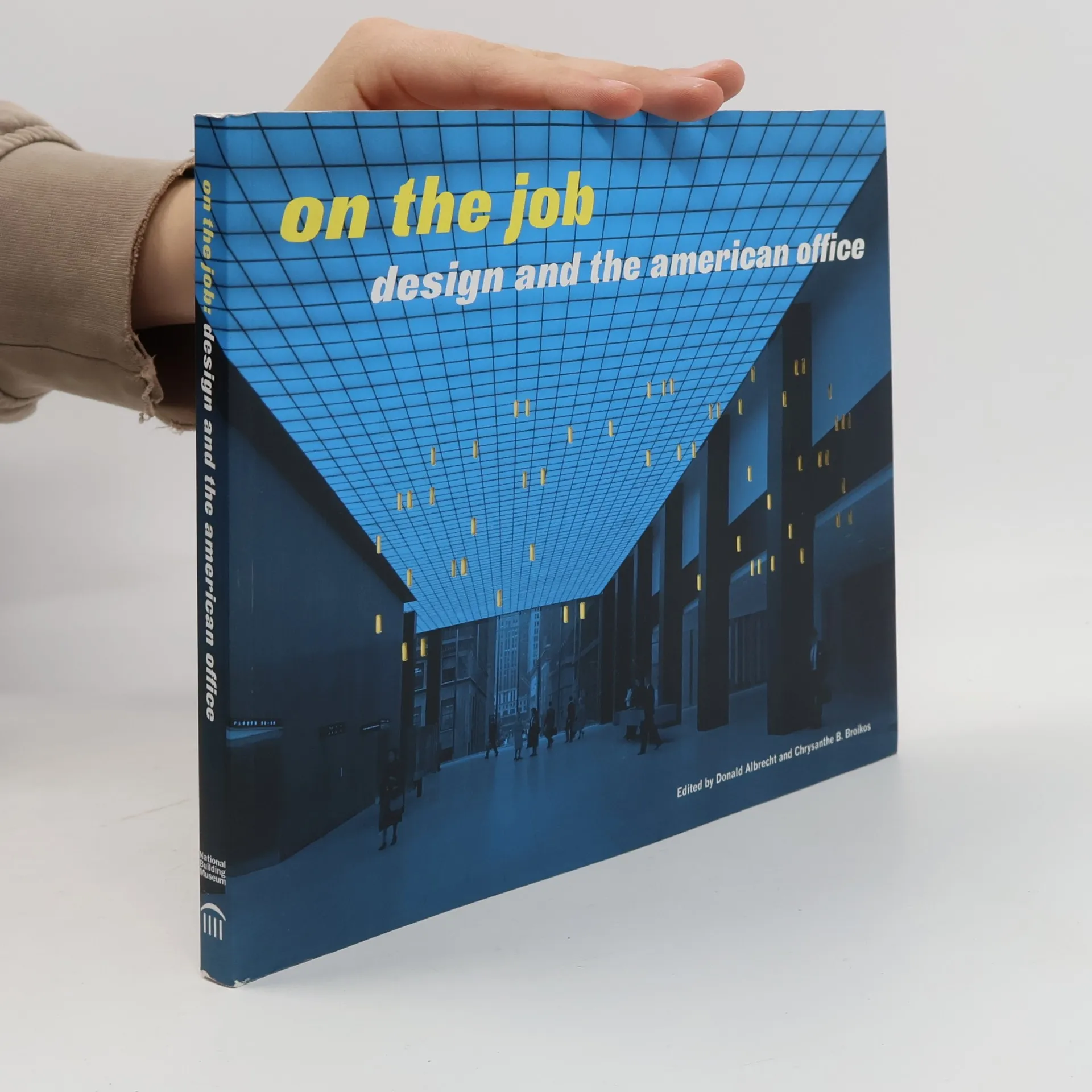
American work spaces have gone through remarkable and extensive changes since 1900, thanks to the forces of technology, real estate, and finance, as well as evolving ideas on office organization and management. Innovations as commonplace as air conditioning and fluorescent lighting have had a profound impact, as have more recent phenomena such as virtual offices and telecommuting. On the Design and the American Office presents office design throughout the 20th century through full-color contemporary and period photos, advertisements, and product manuals. Topics include the representation of the office in popular culture, the evolution of the workstation and its emphasis on ergonomics and productivity, office design as a reflection of corporate culture from Larkin to Chiat/Day, and office architecture as a mirror of current business models. Informative writing by Stanley Abercrombie, Thomas Hine, Phil Patton, and James S. Russell complements the illustrations.
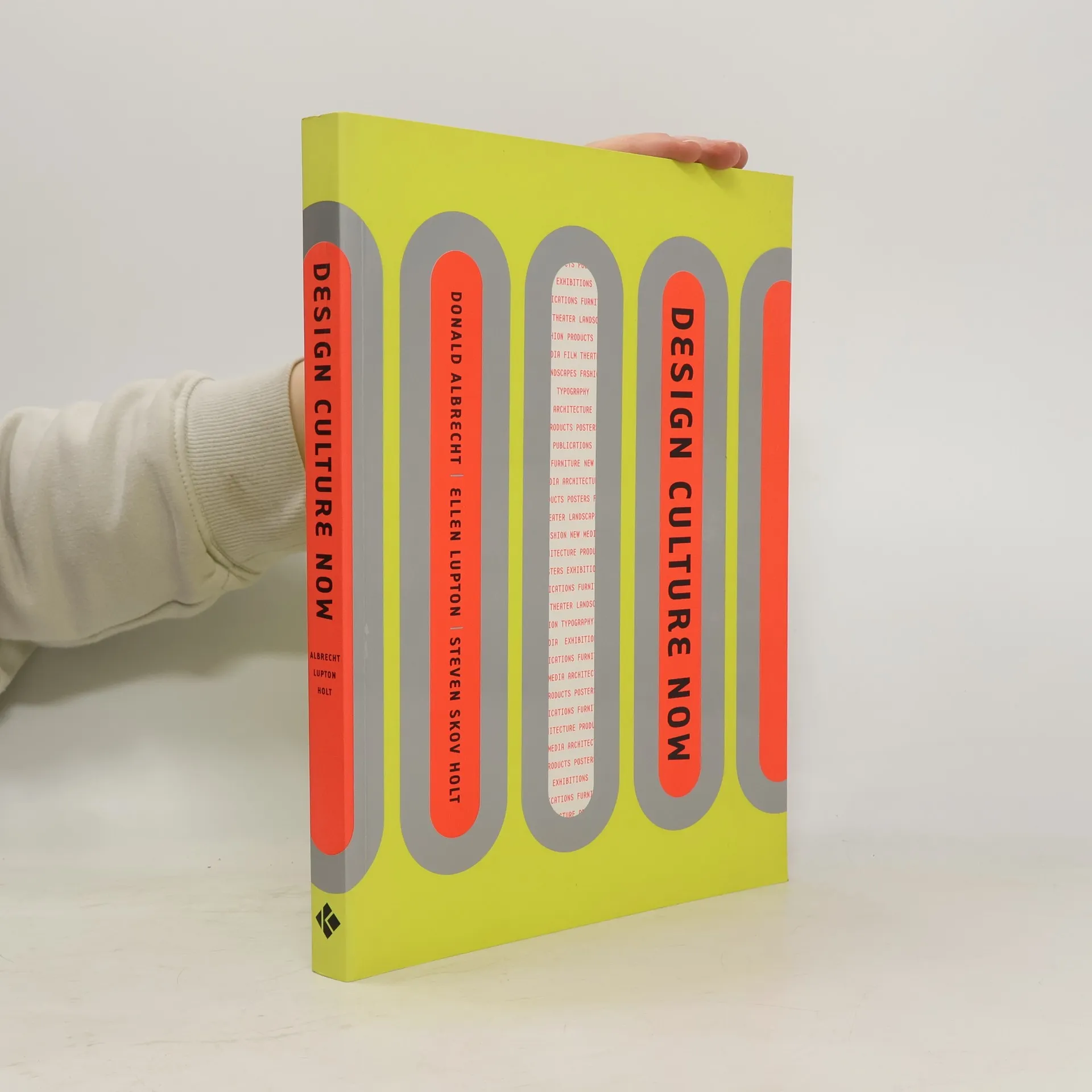
A survey of American design that cuts across the disciplines of architecture, product design and graphic design. It accompanies the first in a series of triennials to be held at the Smithsonian National Design Museum, covering the period 1997-2000 and involving over 80 individuals and firms.
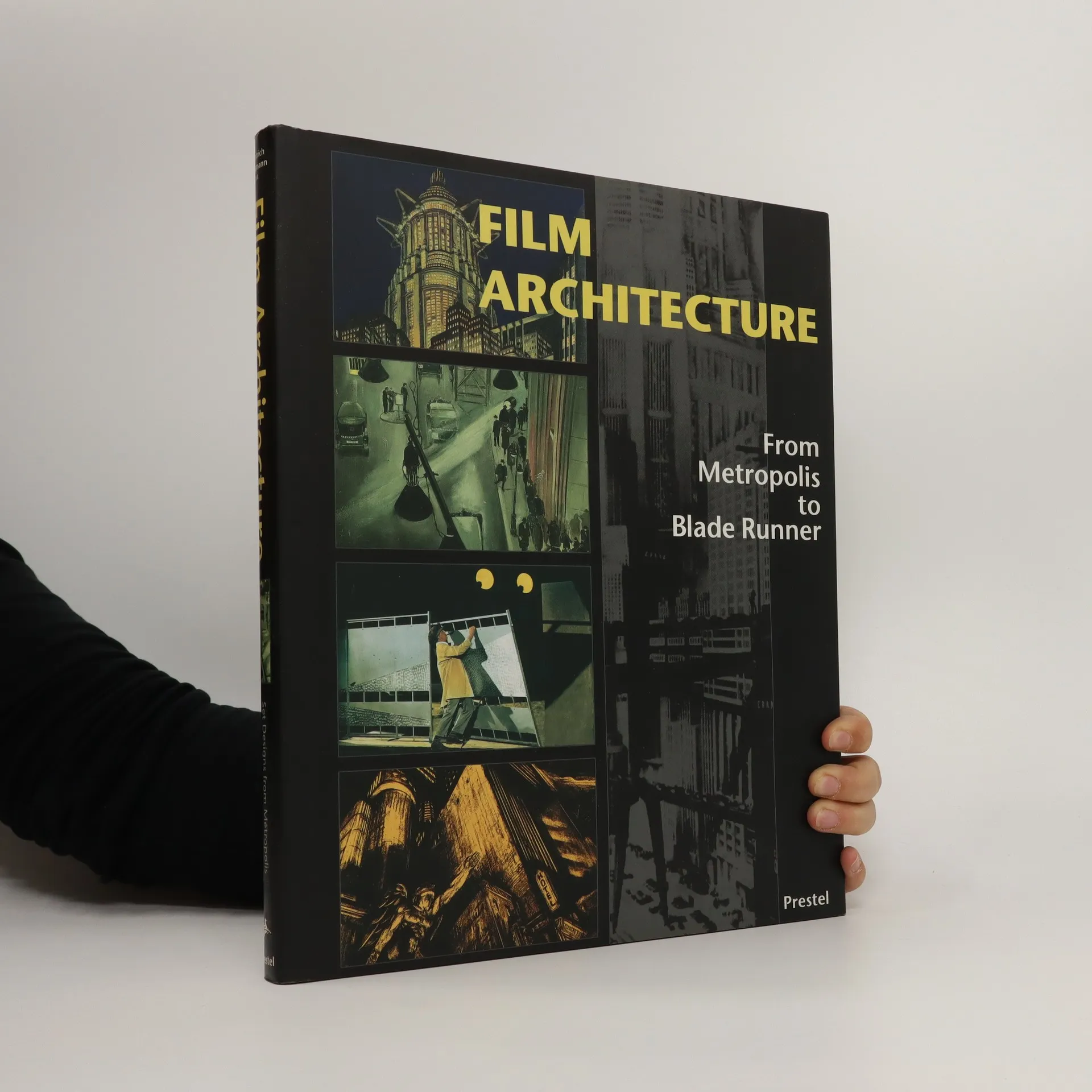
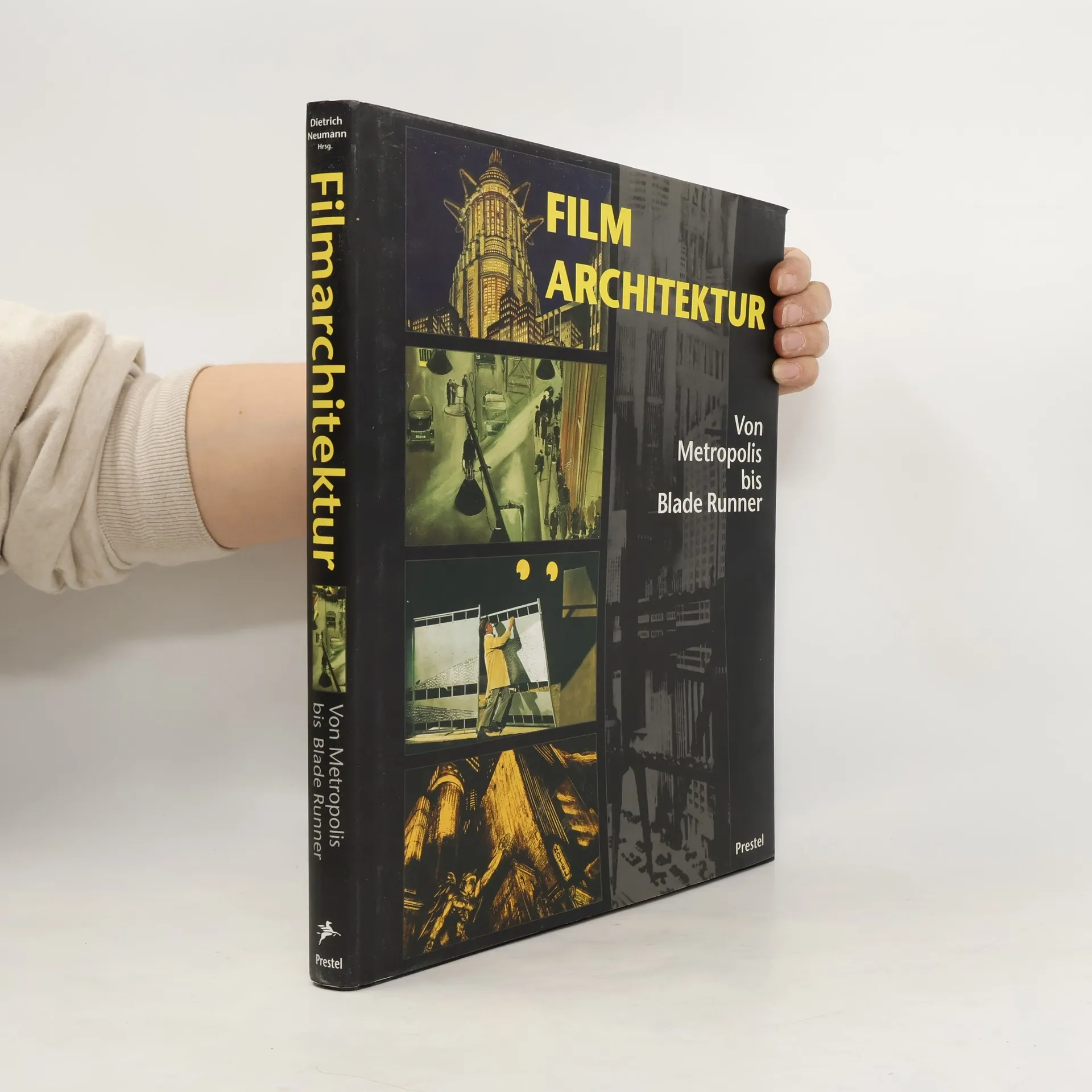
Filmarchitektur. Von Metropolis bis Blade Runner.
- 207 Seiten
- 8 Lesestunden
Through a series of contributions from major scholars, this book examines visionary architecture in films by focusing on original set designs from filmmakers across Europe and the United States. It is illustrated with many backdrops to famous movies.
Architektur im Film
- 197 Seiten
- 7 Lesestunden