How News Coverage Is Remaking Media, Medicine, and Contemporary Life
290 Seiten
11 Lesestunden
Exploring the intersection of media and medicine, this book utilizes perspectives from anthropology, linguistics, and media studies to highlight how news coverage shapes cultural perceptions of health and disease. It delves into the significant impact of media narratives on societal understandings, emphasizing the crucial role that information dissemination plays in the medical landscape.
This account provides a profound exploration of the rapid decline of the world's natural resources and its impact on millions displaced from their homes due to war and conflict. Drawing from interviews with 110 refugees who arrived in Europe between 2015 and 2018, along with observations of refugee camps and urban slums, it sheds light on the harrowing experiences of leaving home, crossing borders, and attempting to settle in Europe. The narrative contextualizes these personal stories within the geopolitical and economic forces that have dismantled their countries in pursuit of dwindling natural resources. Throughout their journeys and resettlement, refugees face ongoing victimization and exploitation, as their presence often becomes a source of profit. Despite a demand for their labor, they encounter a European social climate marked by intolerance and stigma, which hinders their integration and threatens their safety. This work is relevant for students, academics, policymakers, practitioners, and volunteers in the refugee sector, as well as aid workers and social planners, offering critical insights into the challenges faced by refugees in a changing climate.
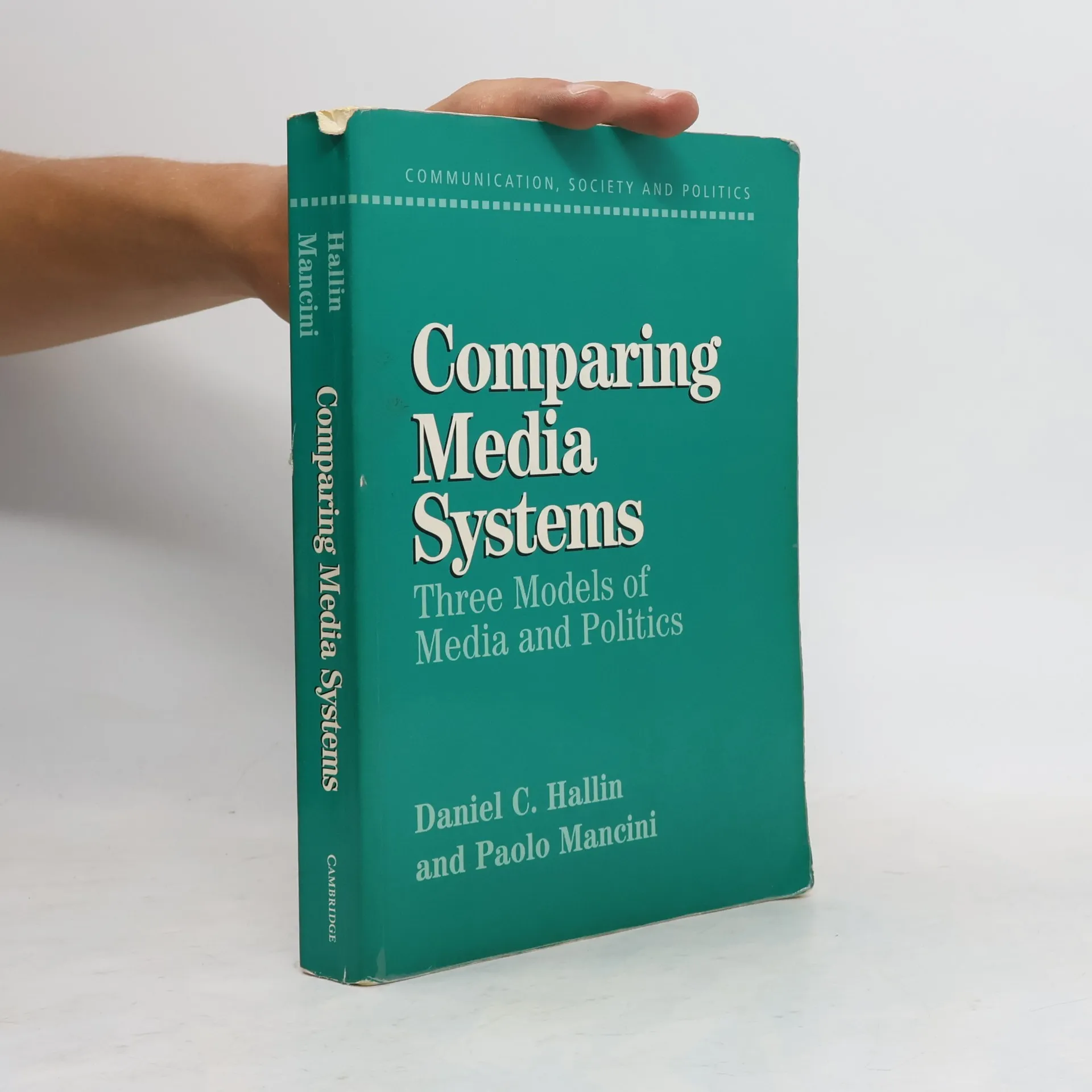
Focusing on the interplay between media and political systems, this book analyzes media institutions across eighteen West European and North American democracies. It highlights key variations in media systems influenced by political factors and delineates three primary models of media development: Polarized Pluralist, Democratic Corporatist, and Liberal. The author elucidates how these models lead to differing roles of media in politics, providing a comprehensive framework for understanding the complex relationship between media and governance.
This book asks whether the decision to lock down the world was justified in
proportion to the potential harms and risks generated by the Covid-19 virus.
Vietnam was America's most divisive and unsuccessful foreign war, notable for being the first televised conflict and fought without military censorship. The media's role in Vietnam remains controversial, from the Kennedy-Johnson escalation to the American withdrawal. This work provides a detailed account of what Americans read and watched about the war. Drawing on the complete New York Times coverage from 1961 to 1965, a sample of hundreds of television reports from 1965-73, and interviews with journalists, it critiques the conventional wisdom regarding media and Vietnam. Contrary to the belief that the media consistently opposed government policy, it reveals that the media were often aligned with official perspectives, though internal government divisions and public relations contradictions occasionally hampered effective news management. Television did not fully convey the "literal horror of war" nor was it primarily responsible for its collapse; instead, it initially presented an idealized view, shifting to a more critical stance only after public discontent and elite divisions became pronounced. This study is essential for understanding both the Vietnam War and the media's role in contemporary American politics.
Kniha, která představuje základní přehled národních mediálních systémů euro-amerického prostoru, je přelomovou studií z oblasti systémového pohledu na média. Autoři rozlišují tři základní typy mediálních systémů – polarizovaně pluralitní, demokraticko-korporativní a liberální – přičemž srovnávají fungování politických a mediálních systémů ve třech geograficky a zároveň politicky spřízněných oblastech (státy kolem Středozemního moře, střední a severní Evropa, anglosaské země). Kniha dává nahlédnout do příčin zásadních rozdílností v přístupu médií k politice a komercionalizaci médií, k profesionalitě mediálních pracovníků a k jejich roli vzhledem k veřejnému mínění a veřejné sféře. Kniha je kvalitním studijním materiálem pro studenty oborů žurnalistika, mediální studia a politologie.
D. C. Hallin je profesorem komunikačních věd a politických věd na Kalifornské univerzitě v San Diegu.
P. Mancini přednáší politickou komunikaci na Fakultě politických věd na univerzitě v Perugii.