

Gratisversand in ganz Deutschland!
Bookbot

James Roy Newman

    James R. Newman war ein amerikanischer Mathematiker und Historiker der Mathematik. Er praktizierte zudem von 1929 bis 1941 als Anwalt im Bundesstaat New York. Während und nach dem Zweiten Weltkrieg bekleidete er bedeutende Regierungspositionen, darunter die des Chief Intelligence Officer bei der US-Botschaft in London und des Special Assistant to the Undersecretary of War. In letzterer Funktion trug er maßgeblich zur Ausarbeitung des Atomic Energy Act von 1946 bei. Ab 1948 war Newman Mitglied des Redaktionsausschusses der Zeitschrift Scientific American. Er prägte auch den Begriff und die erste Beschreibung des mathematischen Konzepts "Googol" in seinem einflussreichen Buch "Mathematics and The Imagination".

    James Roy Newman
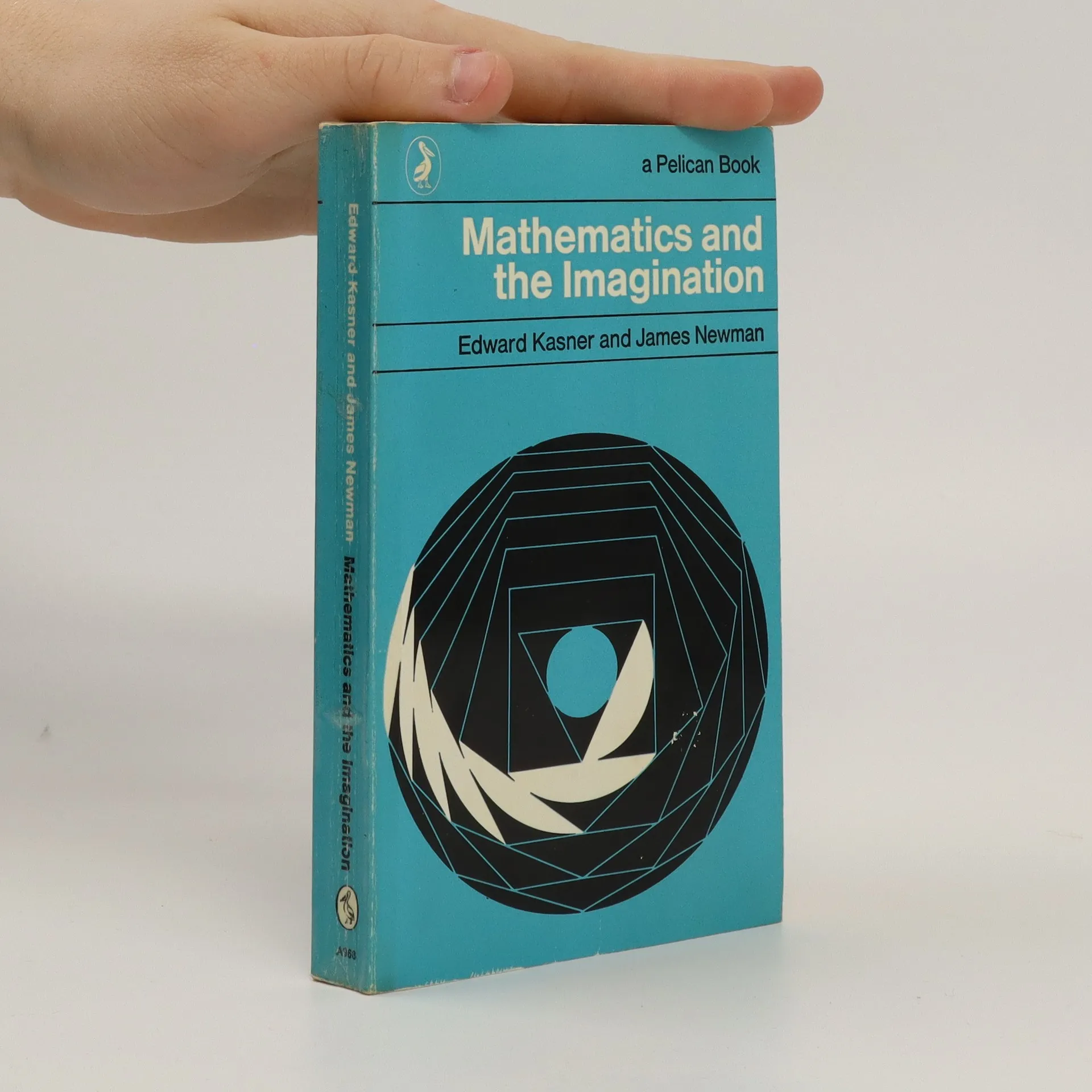
    Mathematics and the Imagination
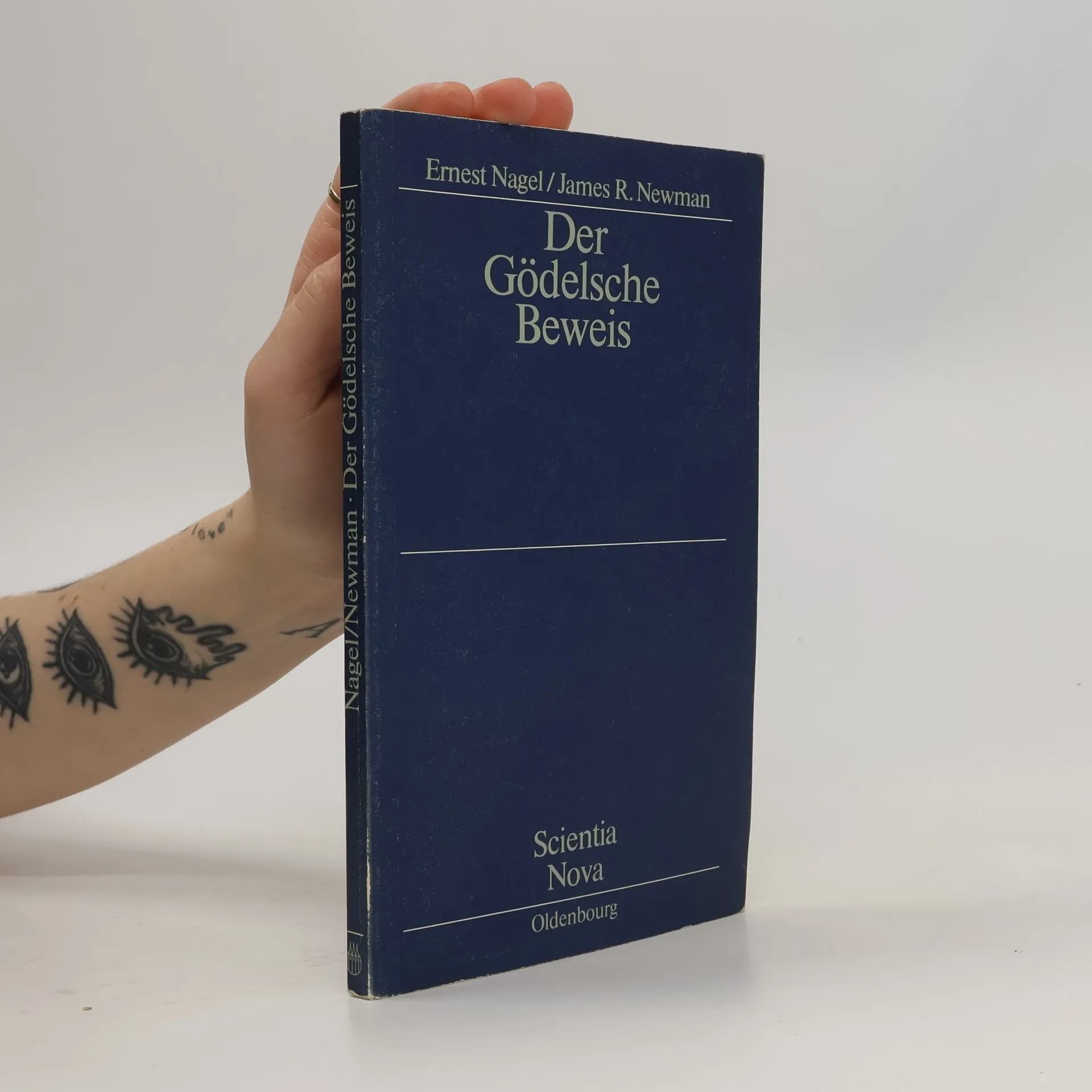
    Der Gödelsche Beweis
    • Der Gödelsche Beweis

      • 110 Seiten
      • 4 Lesestunden
      4,3(275)Abgeben

      Spätestens seit Douglas R. Hofstadters "Gödel, Escher, Bach" ist der Name Gödel auch bei Nichtmathematikern bekannt geworden. 1931 hatte Kurt Gödel unter dem Titel "Über formal unterscheidbare Sätze der Principia Mathematica und verwandter Systeme" seinen Unvollständigkeitssatz publiziert. Nagel und Newman haben das Wesentliche an Gödels Ergebnissen für Nichtfachleute dargestellt. Die vorliegende 6. Auflage ist ein unveränderter Nachdruck der längst klassisch gewordenen Ausgabe von 1958

      Der Gödelsche Beweis
    • Mathematics and the Imagination

      • 400 Seiten
      • 14 Lesestunden
      3,5(2)Abgeben

      You don’t have to love math to enjoy a hand of cards, a night at the casino, or a puzzle. But your pleasure and prowess at games, gambling, and other numerically related pursuits can be heightened with this entertaining volume, in which the authors offer a fascinating view of some of the lesser-known and more imaginative aspects of mathematics.A brief and breezy explanation of the new language of mathematics precedes a smorgasbord of such thought-provoking subjects as the googolplex (the largest definite number anyone has yet bothered to conceive of); assorted geometries — plane and fancy; famous puzzles that made mathematical history; and tantalizing paradoxes. Gamblers receive fair warning on the laws of chance; a look at rubber-sheet geometry twists circles into loops without sacrificing certain important properties; and an exploration of the mathematics of change and growth shows how calculus, among its other uses, helps trace the path of falling bombs.Written with wit and clarity for the intelligent reader who has taken high school and perhaps college math, this volume deftly progresses from simple arithmetic to calculus and non-Euclidean geometry. It “lives up to its title in every way [and] might well have been merely terrifying, whereas it proves to be both charming and exciting." — Saturday Review of Literature.

      Mathematics and the Imagination