Exploring the intriguing discourse surrounding extraterrestrial life in the twentieth century, this book delves into the cultural, scientific, and philosophical debates that shaped public perception and understanding of the possibility of life beyond Earth. It examines key figures, pivotal moments, and the evolution of ideas, providing a comprehensive overview of humanity's quest to comprehend the cosmos and our place within it.
Focusing on the interplay of space, time, and navigation, the book chronicles the evolution of the U.S. Naval Observatory's contributions to scientific advancements over nearly 170 years. It details the development of technologies such as chronometers, telescopes, and satellites, highlighting the institution's pivotal role in the progression of astronomy and navigation. With insights into its history under government and military support, this volume is a valuable resource for historians and professionals in science and technology.
Astronomical discovery unfolds through a multifaceted process, involving multiple stages such as research, interpretation, and comprehension. The book delves into the intricacies of how astronomical knowledge evolves over time, highlighting the challenges and breakthroughs encountered along the way.
Focusing on the fascination with extraterrestrials, this guide offers a clear and engaging exploration of the 20th-century obsession with alien life. It delves into the cultural, social, and historical contexts that fueled this intrigue, presenting a comprehensive overview that is both informative and easy to understand.
The book captures the proceedings of a significant 1981 seminar at the Smithsonian's National Air and Space Museum, where historians gathered to discuss critical aspects of space history. It features insights and analyses from experts, exploring pivotal events, technological advancements, and the cultural impact of space exploration. The discussions highlight the interplay between historical narratives and contemporary understanding, making it a valuable resource for anyone interested in the evolution of space history and its relevance today.
The exploration of space and its cultural implications are central to this interdisciplinary volume by former NASA Chief Historian Steven Dick. He delves into astrobiology, cosmic evolution, and the role of astronomical institutions, while also addressing the philosophy of astronomy. The book emphasizes the profound relationship between the cosmos and human culture, echoing Carl Sagan's concept of the "cosmic connection."
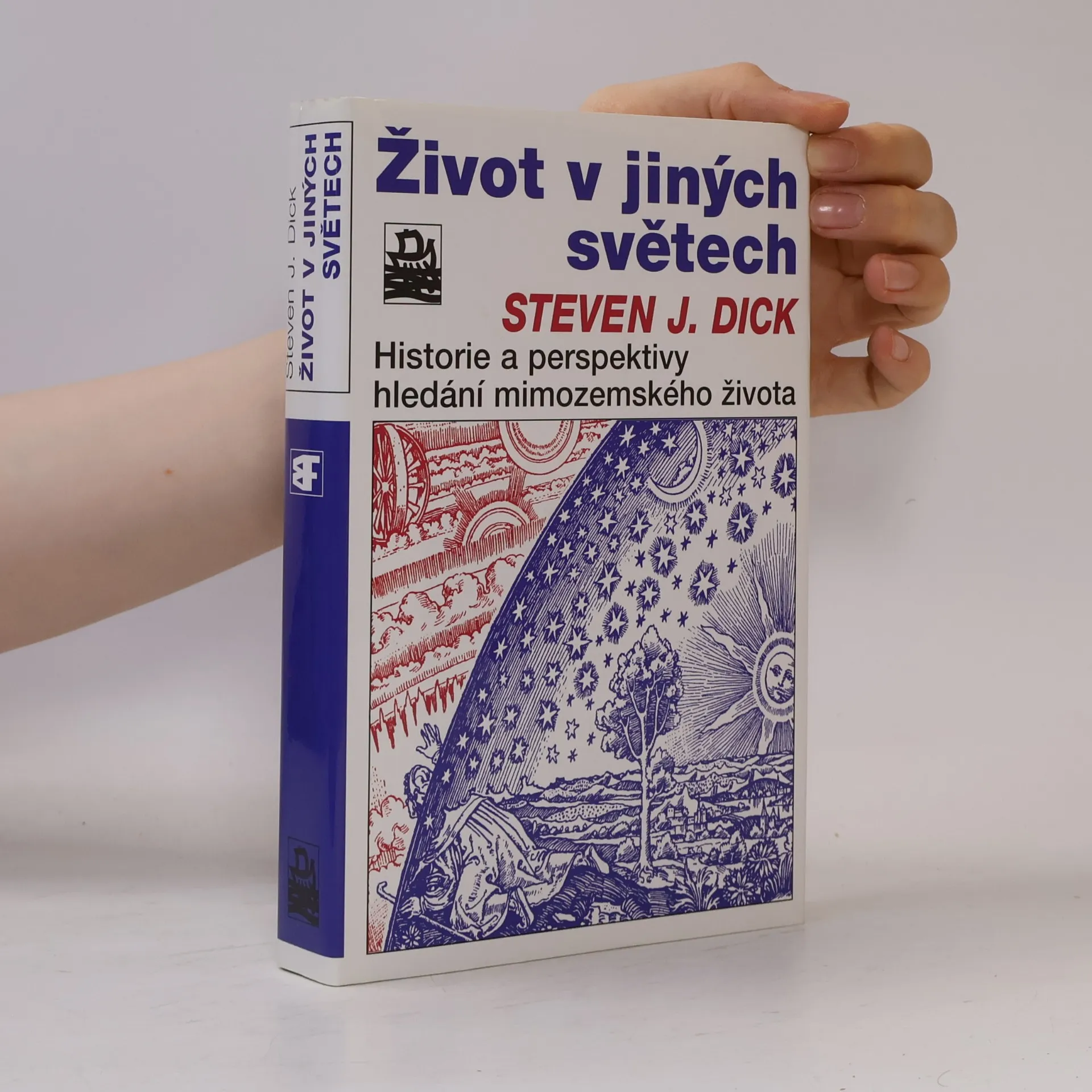
Kniha Stevena Dicka se zabývá otázkou, nakolik je život univerzální a dochází ke zjištění, že při přechodu od uzavřeného vesmíru k otevřenému universu je třeba revidovat představu, že by se projevy života, byť na té nejnižší úrovni, omezovaly pouze na naši planetu. Autor je však kritický i k současným objevům mikrofosilií na Marsu už z toho důvodu, že se kromě vědy zabývá rovněž její historií. Na příkladu kanálů na Marsu ukazuje, nakolik utvářela vědecké koncepty i tak renomovaných vědců, jako byl Flammarion či vědci „na pomezí“ jako byl Lowell, imaginace. Ta ve spojení s nedostatečným přístrojovým zázemím dala vzniknout i fantastičtějším představám, než byly dlouho kontroverzní kanály na Marsu. Přese všechnu skepsi však Dick přesvědčivě dokládá, že astronomičtí pluralisté jako byl Flammarion měli pravdu v jednom, že v éře „mnohosti světů" nemůžeme vyloučit hypotézu, že v myriádách galaxií existují podmínky umožňující život. Dick se rovněž zabývá rolí, kterou tyto představy, namnoze zlidovělé, hrají ve vědecko-fantastické literatuře a filmech. Od geoncentrismu k heliocentrismu musela vést cesta dále – k jistému panbiologismu, jehož zastáncem, se všemi skeptickými výhradami, tento biokosmolog je.