Der Nigger von der "Narzissus"
- 150 Seiten
- 6 Lesestunden
Bei diesem Werk handelt es sich um eine urheberrechtsfreie Ausgabe. Der Kauf dieser Kindle-Edition beinhaltet die kostenlose, drahtlose Lieferung auf Ihren Kindle oder Ihre Kindle-Apps.


Cedric Watts ist ein anerkannter Literaturkritiker und Gelehrter, dessen umfangreiche Veröffentlichungen sich tiefgehend mit literarischer Analyse und scholarly Kritik auseinandersetzen. Seine Werke erforschen komplexe Themen und Stile, oft gestützt auf ein tiefes Verständnis klassischer Literatur und Shakespeare'scher Dramen. Watts' Herangehensweise zeichnet sich durch analytische Präzision und die Fähigkeit aus, verborgene Bedeutungen und Nuancen in literarischen Texten aufzudecken. Seine wissenschaftliche Arbeit bietet Lesern eine bereichernde Perspektive auf die Kunst des geschriebenen Wortes.
Bei diesem Werk handelt es sich um eine urheberrechtsfreie Ausgabe. Der Kauf dieser Kindle-Edition beinhaltet die kostenlose, drahtlose Lieferung auf Ihren Kindle oder Ihre Kindle-Apps.
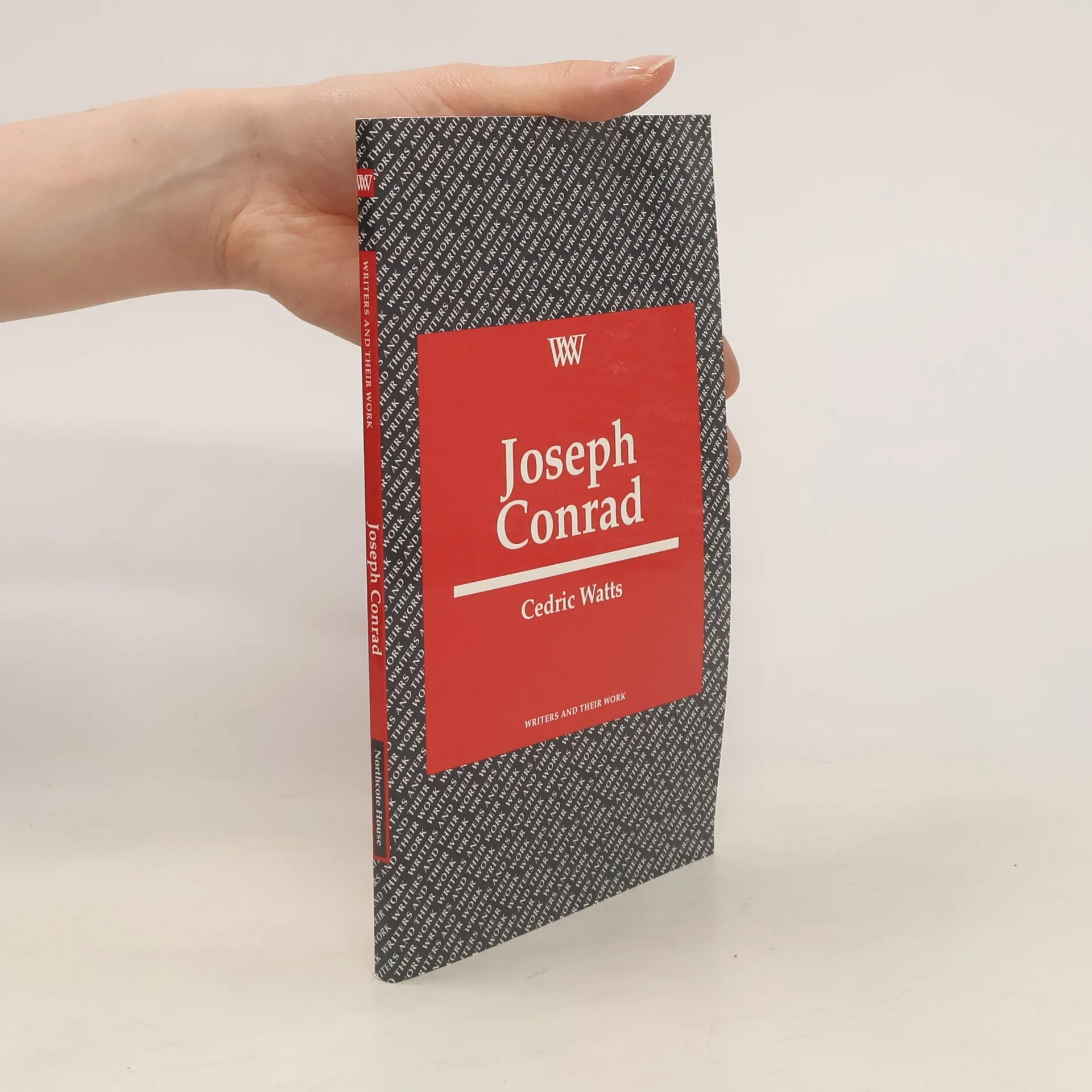
Professor Watts’s study examines the main phase in Joseph Conrad’s literary development.
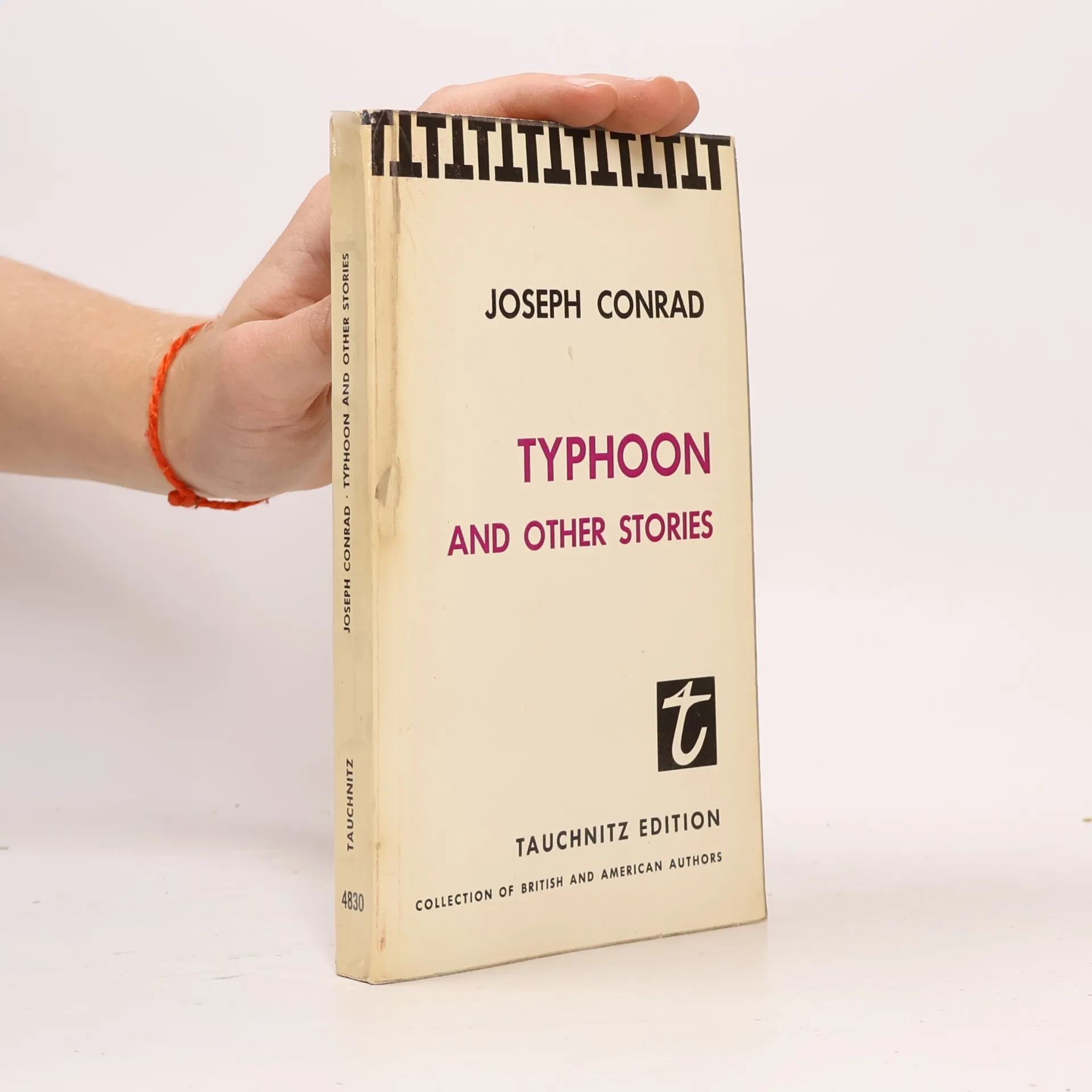
Contains four stories, written between 1900 and 1902. One of them reveals the differences between instinct and intelligence in a partnership vital to human survival; and the other contains 'land-stories' that explore the utter isolation of an East European emigrant in England and in the other, the plight of a woman.
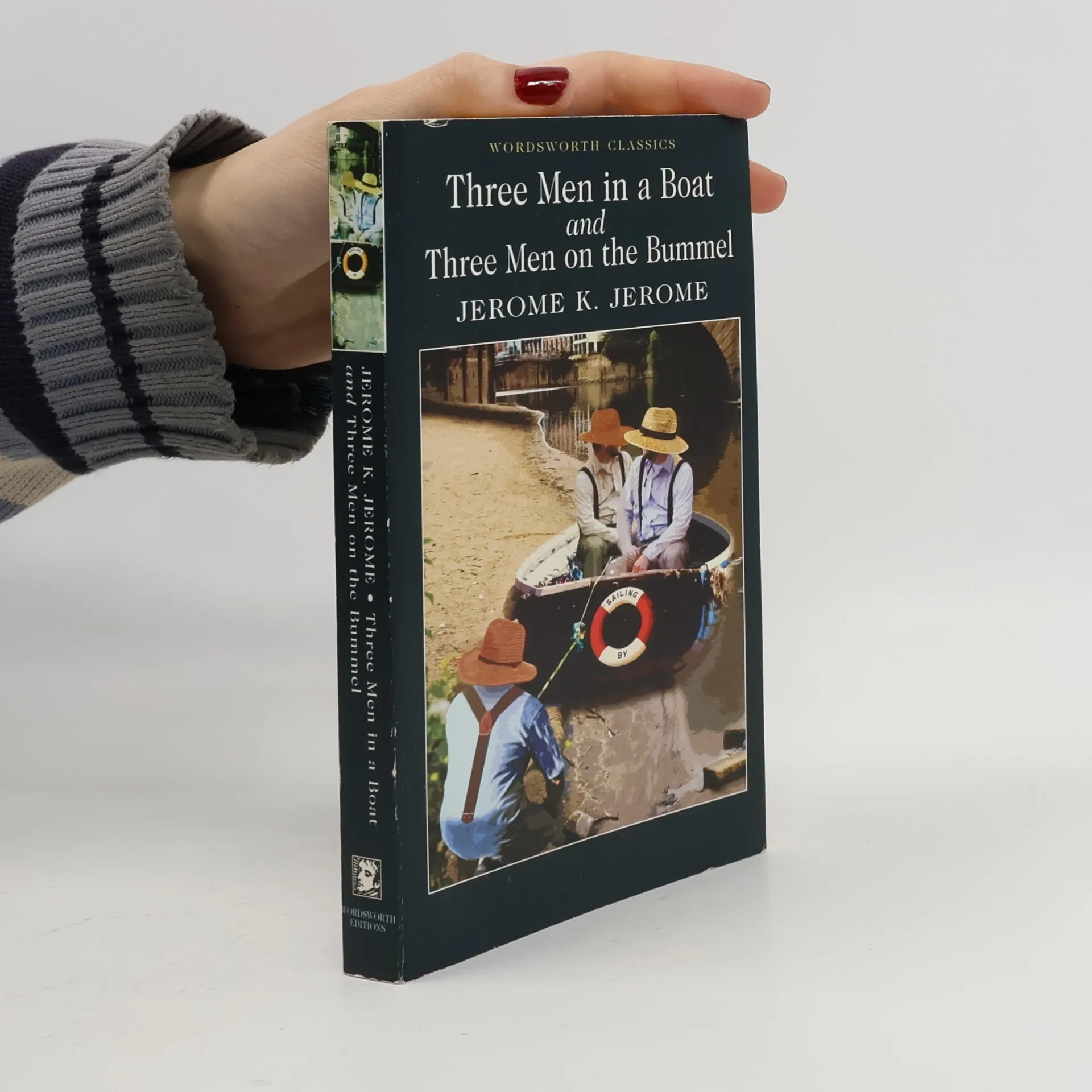
Three men in a boat: Three friends along with the dog, Montmorency, experience the hazards and vicissitudues of life in a boating expedition along the Thames.
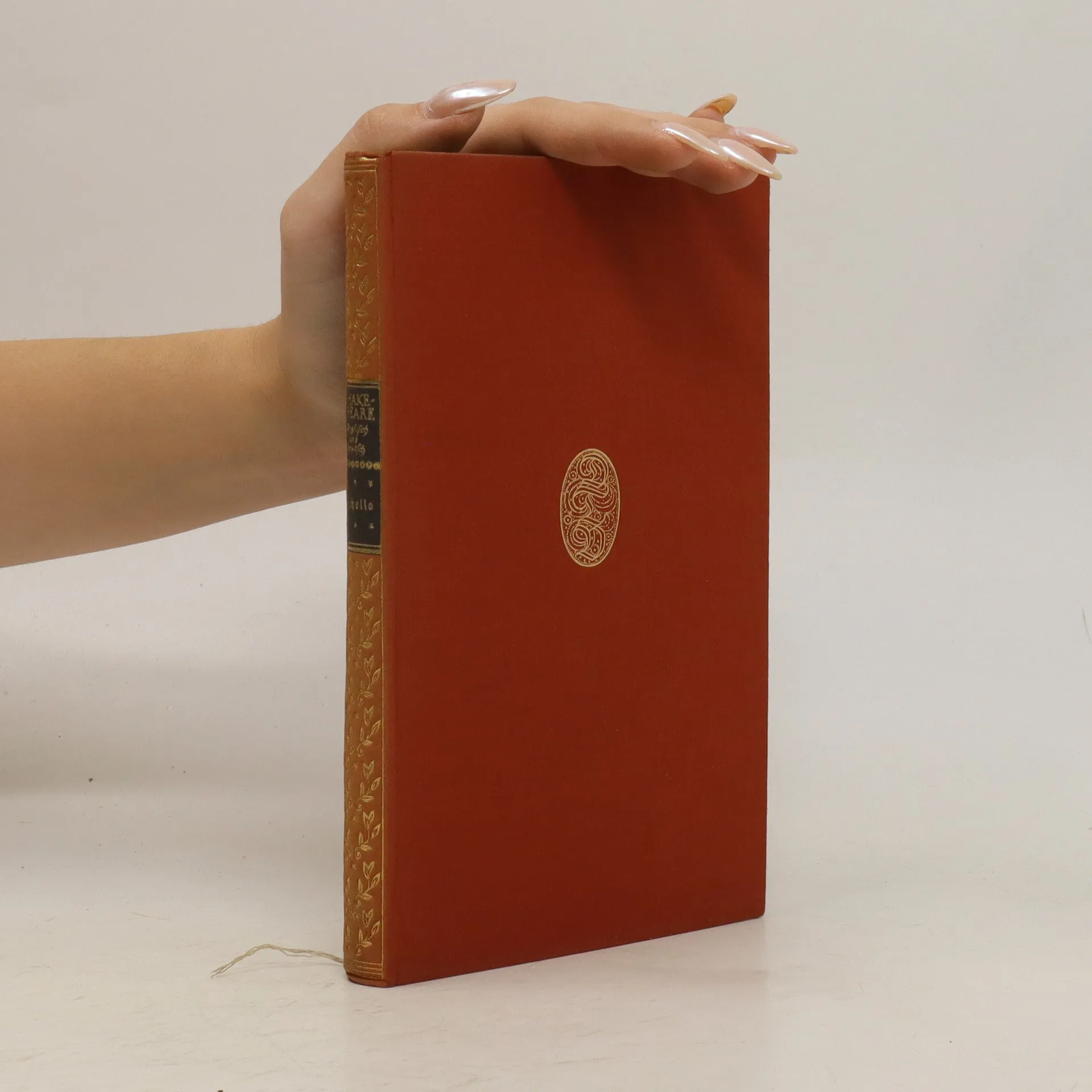
»Othello«, eine der großen Tragödien Shakespeares, war schon bei der Uraufführung (vermutlich im Jahre 1604) ein großer Erfolg und ist unverändert aktuell. Wir heute sehen in dem Stück Bezüge, die Shakespeares Zeitgenossen aufgrund eines völlig anderen Weltbildes noch entgingen. Diese Ausgabe enthält den englischen Text, eine genaue deutsche Prosaübersetzung, einen Anmerkungsteil und ein Nachwort.
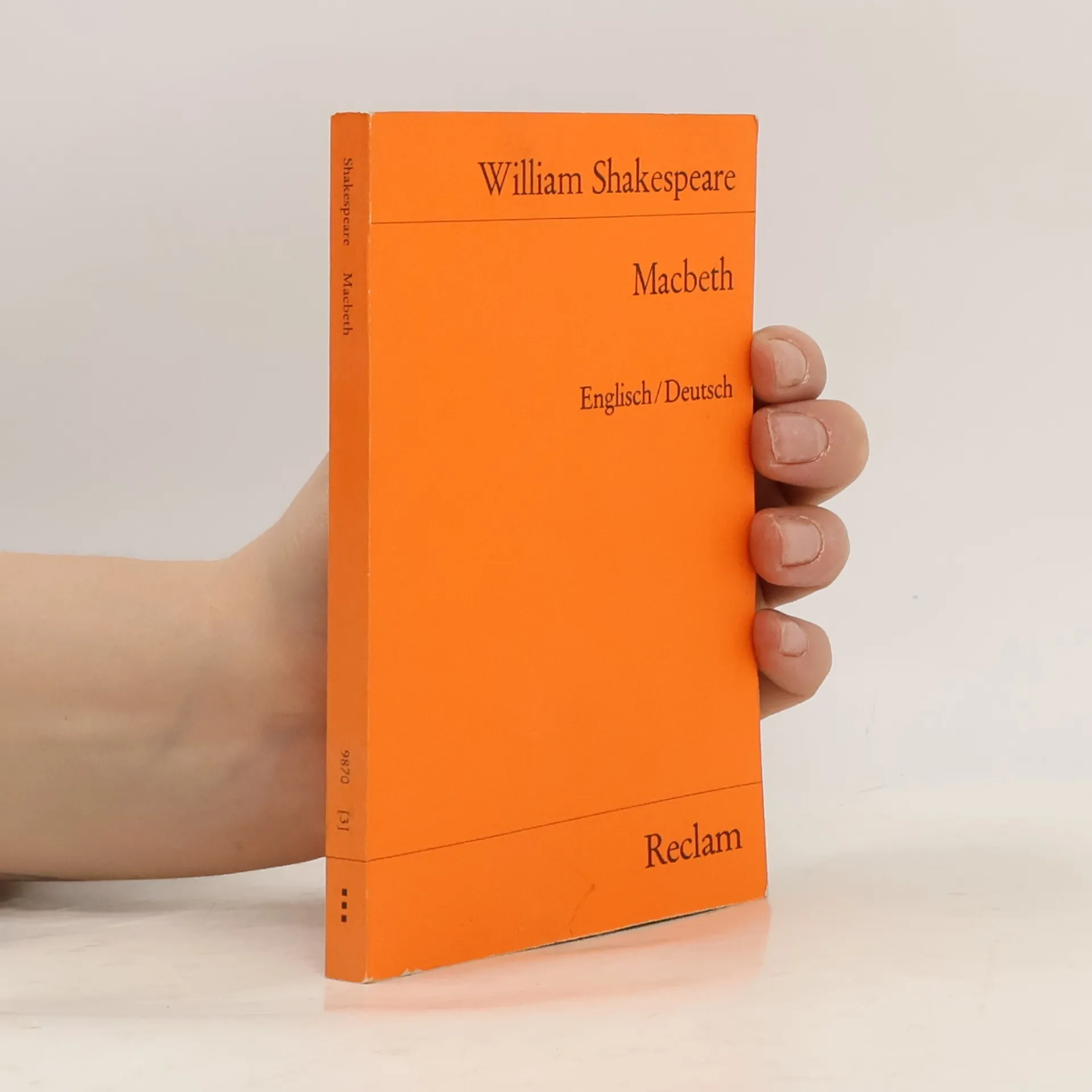
Fürst Macbeth, von seiner Frau angestachelt, erschlägt König Duncan, um selbst den Thron von Schottland zu besteigen. Er verstrickt sich in sein Schicksal und versucht, durch blutige Tyrannei seine Position zu sichern. Ein beispielloses Spektakel von Machtgier, Verführung und Mord. Macbeth ist Shakespeares kürzeste, konzentrierteste und eingängigste Tragödie.
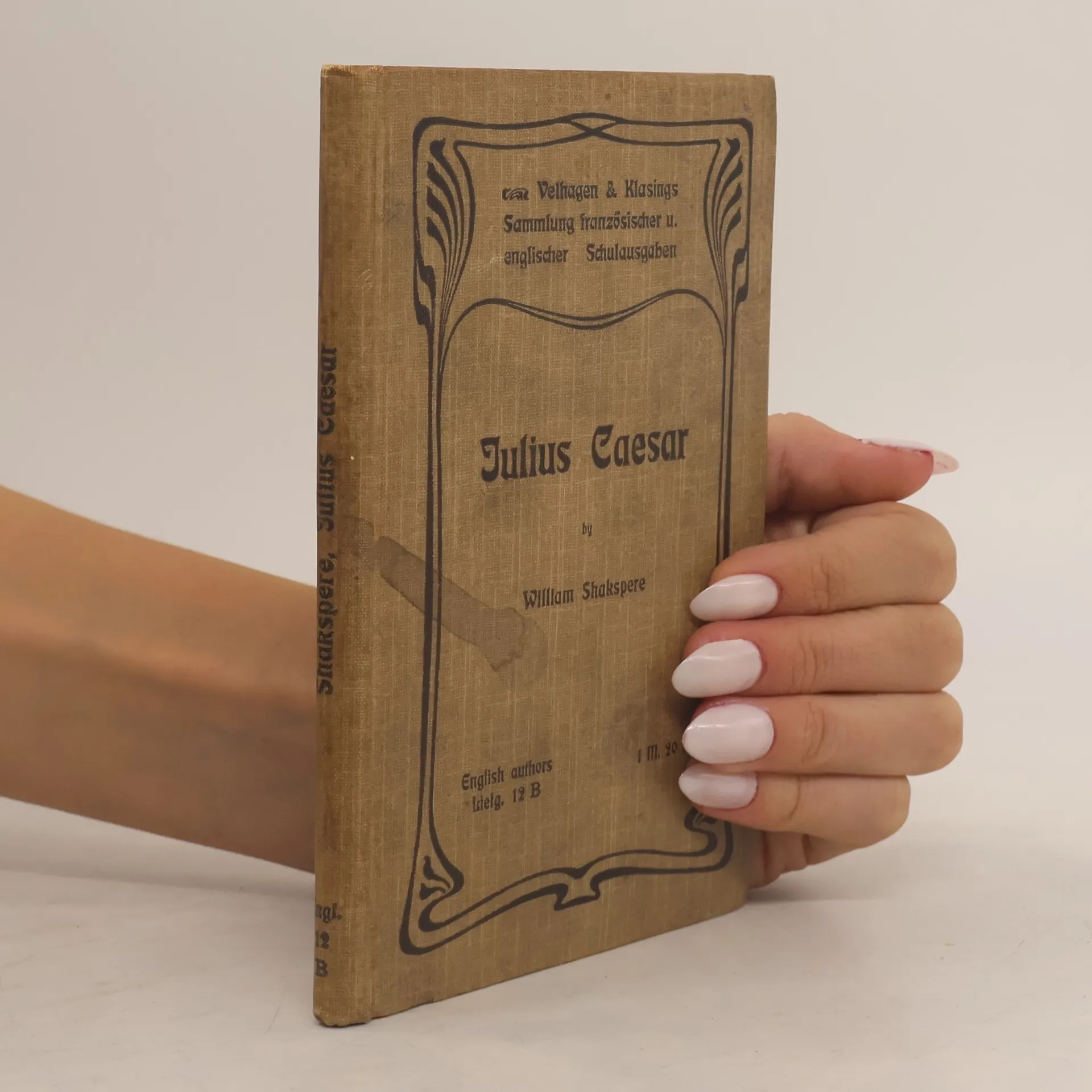
Based on Plutarch's account of the lives of Brutus, Julius Caesar, and Mark Antony, Julius Caesar is the first of Shakespeare's Roman history plays. Presented for the first time in 1599, the play showcases the dramatist's ability to explore and express profound human emotions and instincts. It offers compelling insights into history and human behavior, making it a staple in secondary-school curricula. The drama unfolds as Brutus, Cassius, and other conspirators plot to overthrow Caesar, the dictator of Rome. After Caesar's assassination, Mark Antony skillfully turns the crowd against the conspirators with one of literature's most famous speeches. The ensuing civil war sees the forces of Mark Antony and Octavius Caesar triumph over Cassius and Brutus. Humiliated and desperate, both conspirators choose to end their lives. These tragic events raise profound questions about power, government, ethics, and loyalty, creating a riveting dramatic spectacle that resonates with timeless themes.
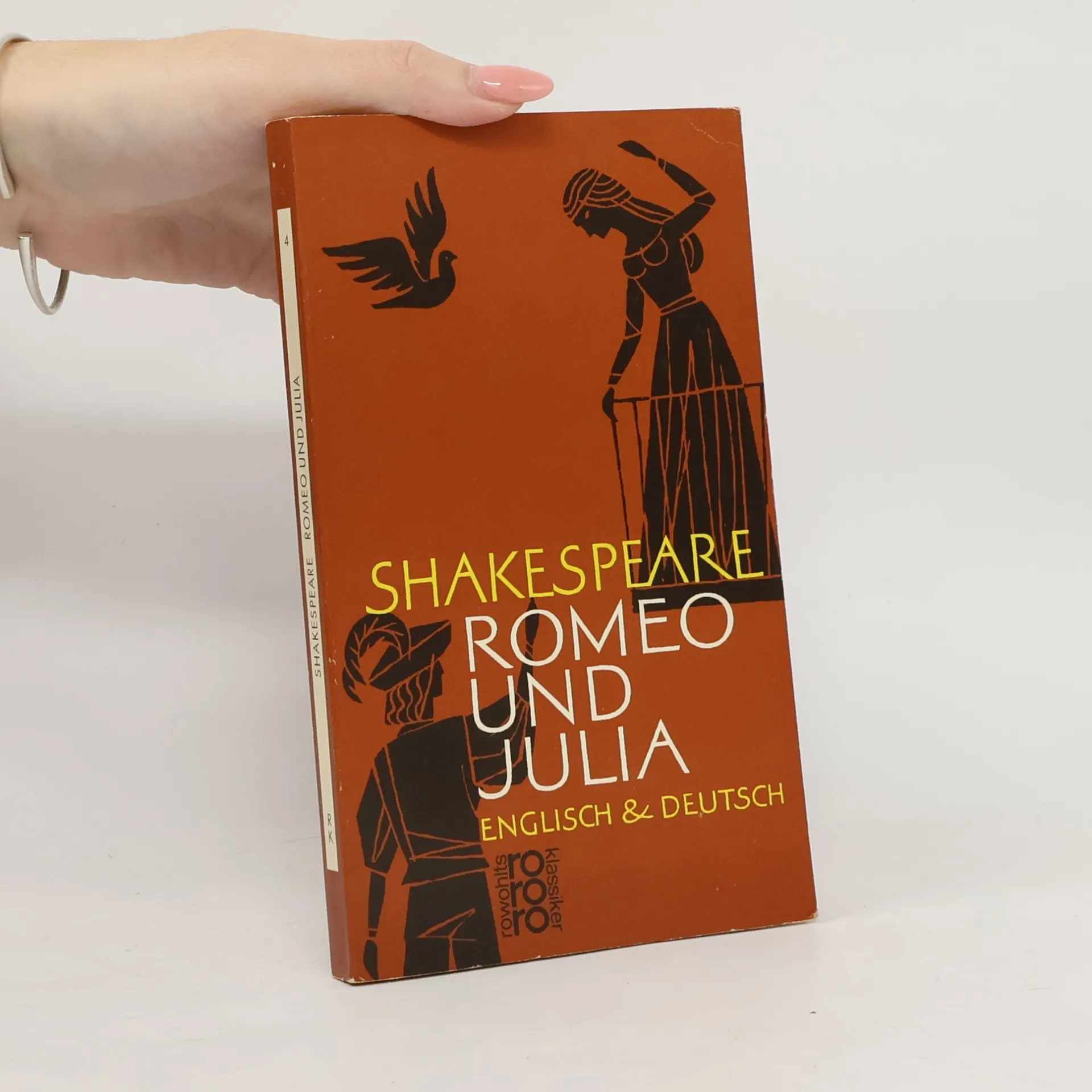
Das ist die Geschichte der beiden Liebenden aus Verona, die wegen einer Familienfehde nicht zusammenkommen konnten, ist dank William Shakespeare weltberühmt geworden.
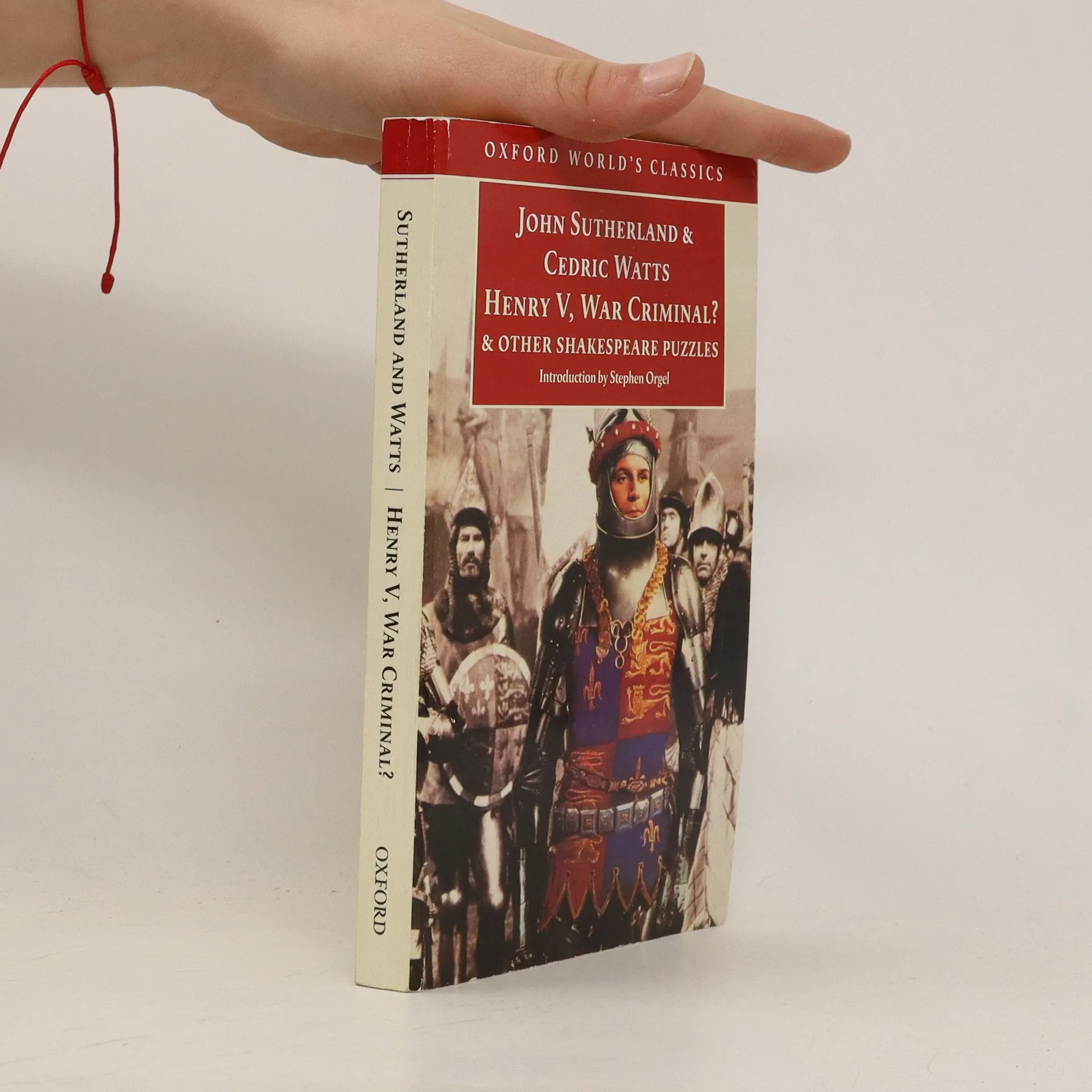
Loose ends and red herrings are the stuff of detective fiction, and under the scrutiny of master sleuths John Sutherland and Cedric Watts Shakespeare's plays reveal themselves to be as full of mysteries as any Agatha Christie novel. Is it summer or winter in Elsinore? Do Bottom and Titania make love? Does Lady Macbeth faint, or is she just pretending? How does a man putrefy within minutes of his death? Is Cleopatra a deadbeat Mum? And why doesn't Juliet ask 'O Romeo Montague, wherefore art thou Montague?' As Watts and Sutherland explore these and other puzzles Shakespeare's genuius becomes ever more apparent. Speculative, critical, good-humoured and provocative, their discussions shed light on apparent anachronisms, performance and stagecraft, linguistics, Star Trek and much else. Shrewd and entertaining, these essays add a new dimension to the pleasure of reading or watching Shakespeare.
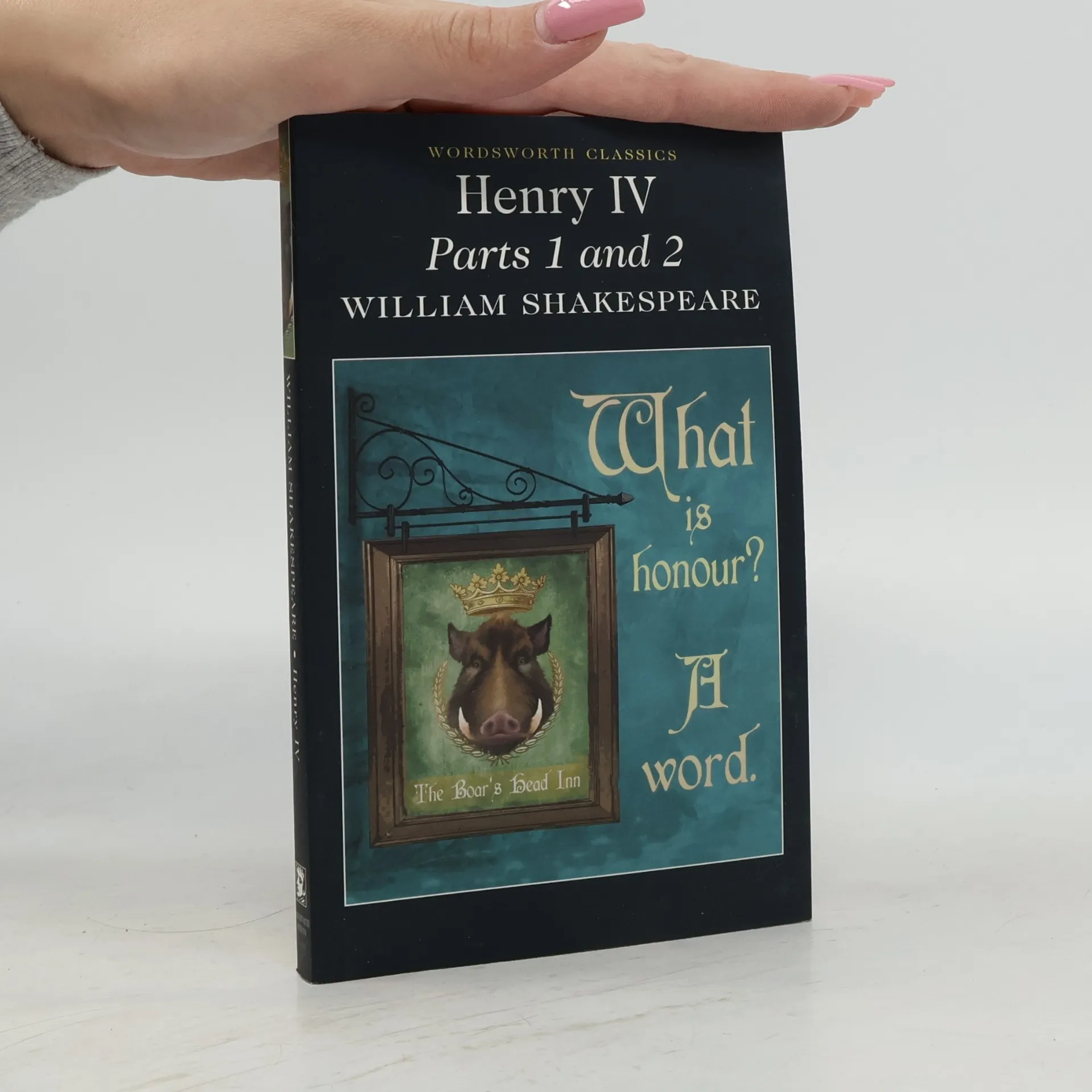
This history play is lively in its interplay of political intrigue and boisterous comedy, subtle in the connections between high statecraft and low craftiness, exuberant in its range of vivid characters, and memorable in its thematic concern with honour, loyalty and the quest for power.
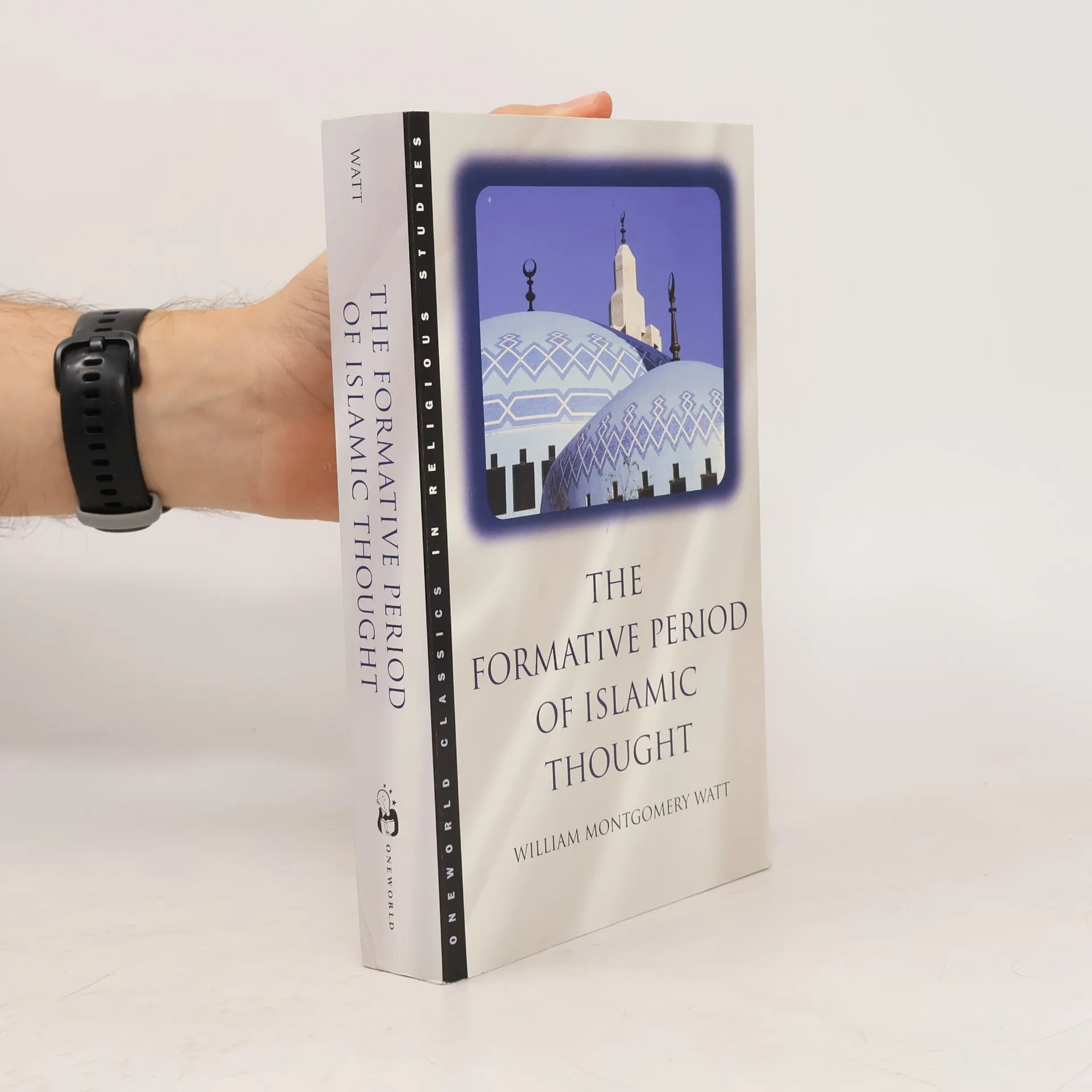
This landmark book describes the course of religious thinking within Islam from the death of the Prophet Muhammad in 632, to 950.