DAS LEGENDÄRE STANDARDWERK - Von den Erfindern der Programmiersprache C - Beschreibt C nach dem ANSI-Standard - Grundlagen- und Nachschlagewerk in einem - Mit zahlreichen Beispielen und Aufgaben „Programmieren in C“ ist die authentische Übersetzung des außerordentlich erfolgreichen Standardwerkes. Der vorliegenden 2. Ausgabe ist der ANSI-Standard zugrunde gelegt. Die Autoren Kernighan und Ritchie haben die Programmiersprache „C“ erfunden und entwickelt. Dieses Buch führt leicht verständlich in die Anwendung der Programmiersprache C ein. Zahlreiche Beispiele, die meist vollständige Programme darstellen, und praktische Übungsaufgaben fördern das Verständnis und die unmittelbare Anwendung von C.
Brian Kernighan Bücher
1. Januar 1942
Brian Wilson Kernighan ist ein Informatiker, der für seine entscheidenden Beiträge zum Unix-Betriebssystem und seiner zugrunde liegenden Philosophie gefeiert wird. In Zusammenarbeit mit seinen Urhebern spielte er eine Schlüsselrolle bei der Definition des intellektuellen Erbes und der praktischen Weiterentwicklung von Unix. Seine Arbeit verkörpert ein tiefes Verständnis der Systemarchitektur und die Hingabe, prägnante, effektive Computing-Lösungen zu schaffen. Kernighans Vermächtnis ist tief in das Gefüge des heutigen Computings eingewoben.




Die UNIX-Story
Die faszinierende Geschichte, wie Unix begann und wie es die Computerwelt eroberte
- 254 Seiten
- 9 Lesestunden
Unix entstand 1969 in den Bell Labs, geschaffen von zwei Enthusiasten mit Unterstützung von Kollegen. Von Anfang an erfreute es sich großer Beliebtheit und brachte bahnbrechende Veränderungen in der Geschichte der Informatik. Heute sind Unix und seine Derivate die Grundlage vieler Systeme und Dienste, die unser digitales Leben prägen. Dieses Buch bietet eine einzigartige historische Erzählung über die Anfänge von Unix, einschließlich Erinnerungen von Zeitzeugen, die seinen Einfluss auf verschiedene Bereiche der Informatik beleuchten. Es enthält wenig technische Details, begeistert jedoch mit einer faszinierenden Geschichte, die durch außergewöhnliche Menschen geprägt ist, die visionär dachten und ein Umfeld für unkonventionelle Experimente schufen. Die Geschichte von Unix bleibt eine Inspiration für Software- und Technologiedesign. In dem Buch finden sich Informationen über die Ereignisse in den Bell Labs in der Mitte des 20. Jahrhunderts, die Entstehung von proto-Unix, die Evolution von Technologien wie Minix und Linux sowie das tatsächliche Erbe von Unix und die Frage, ob sein Erfolg nur ein Zufall war.
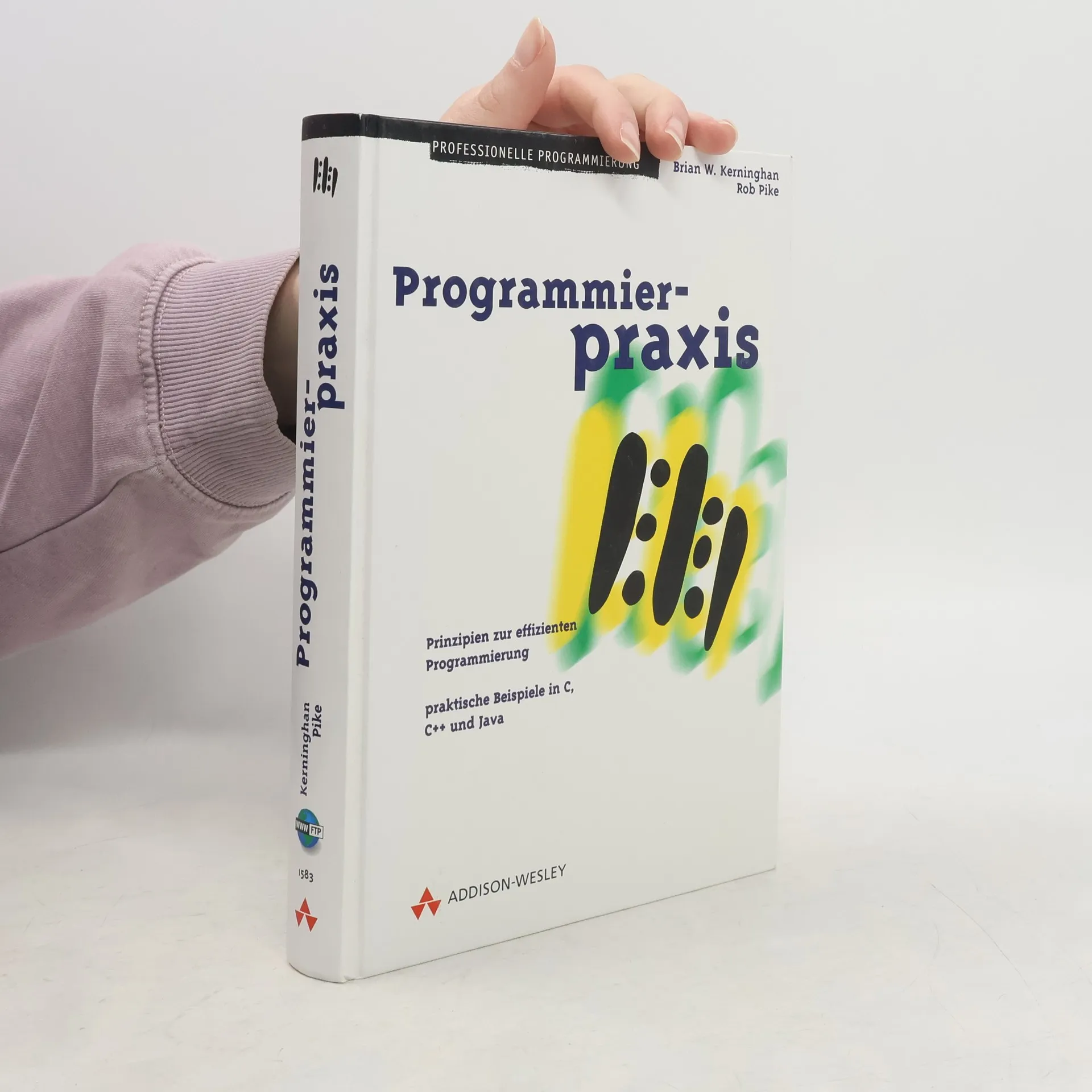
Dieses Buch konzentriert sich auf die Verbesserung der Programmiereffektivität und bietet praktische Ratschläge sowie reale Beispiele aus verschiedenen Programmiersprachen. Kernighan und Pike schöpfen aus ihrer umfangreichen Erfahrung in der Programmierung und Lehre, um wertvolle Einblicke zu gewähren. Die enthaltenen Hinweise zielen darauf ab, allen, die in der Softwareentwicklung tätig sind, zugutekommen und dienen als Ressource zur Steigerung der Produktivität und der Fähigkeiten in der Programmierpraxis.
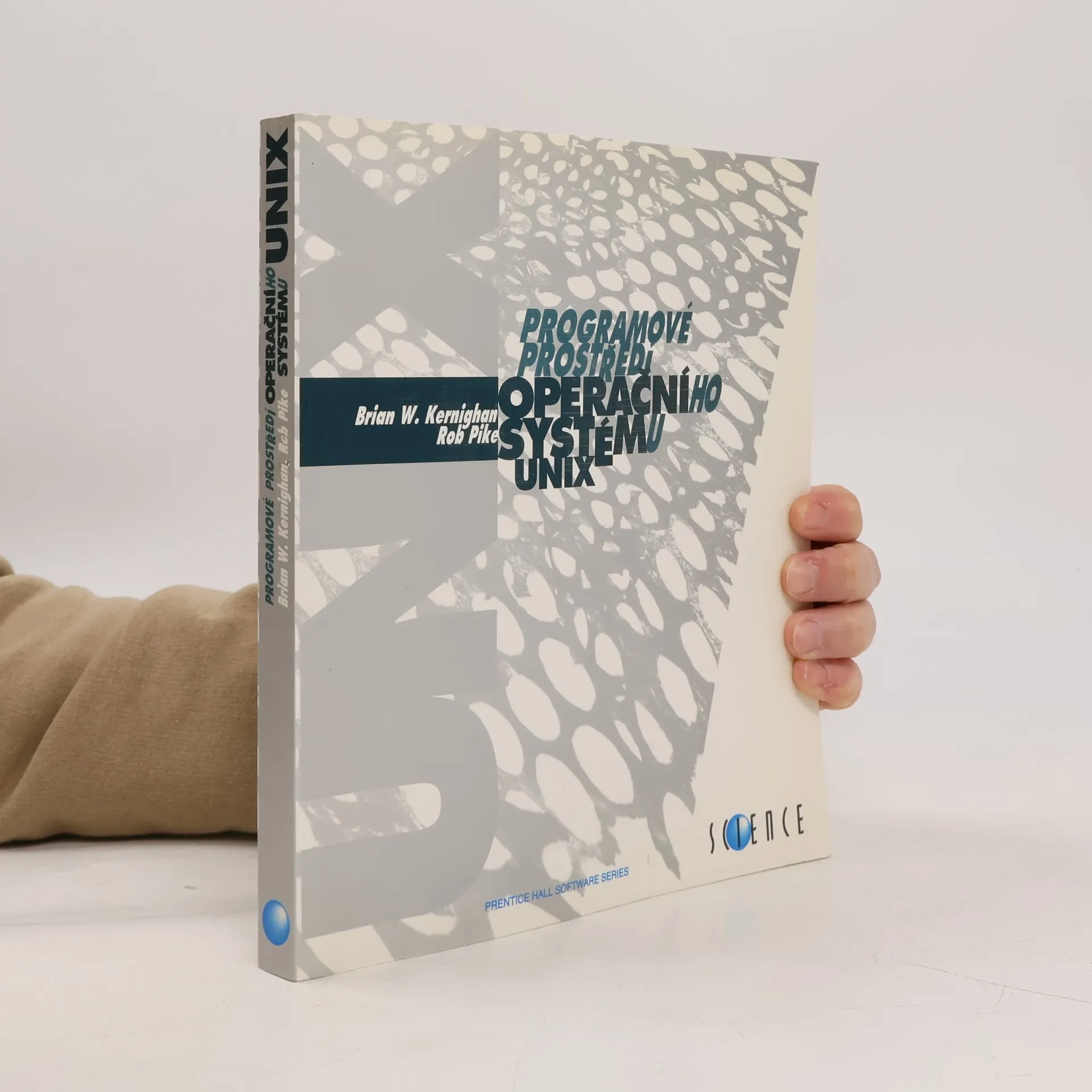
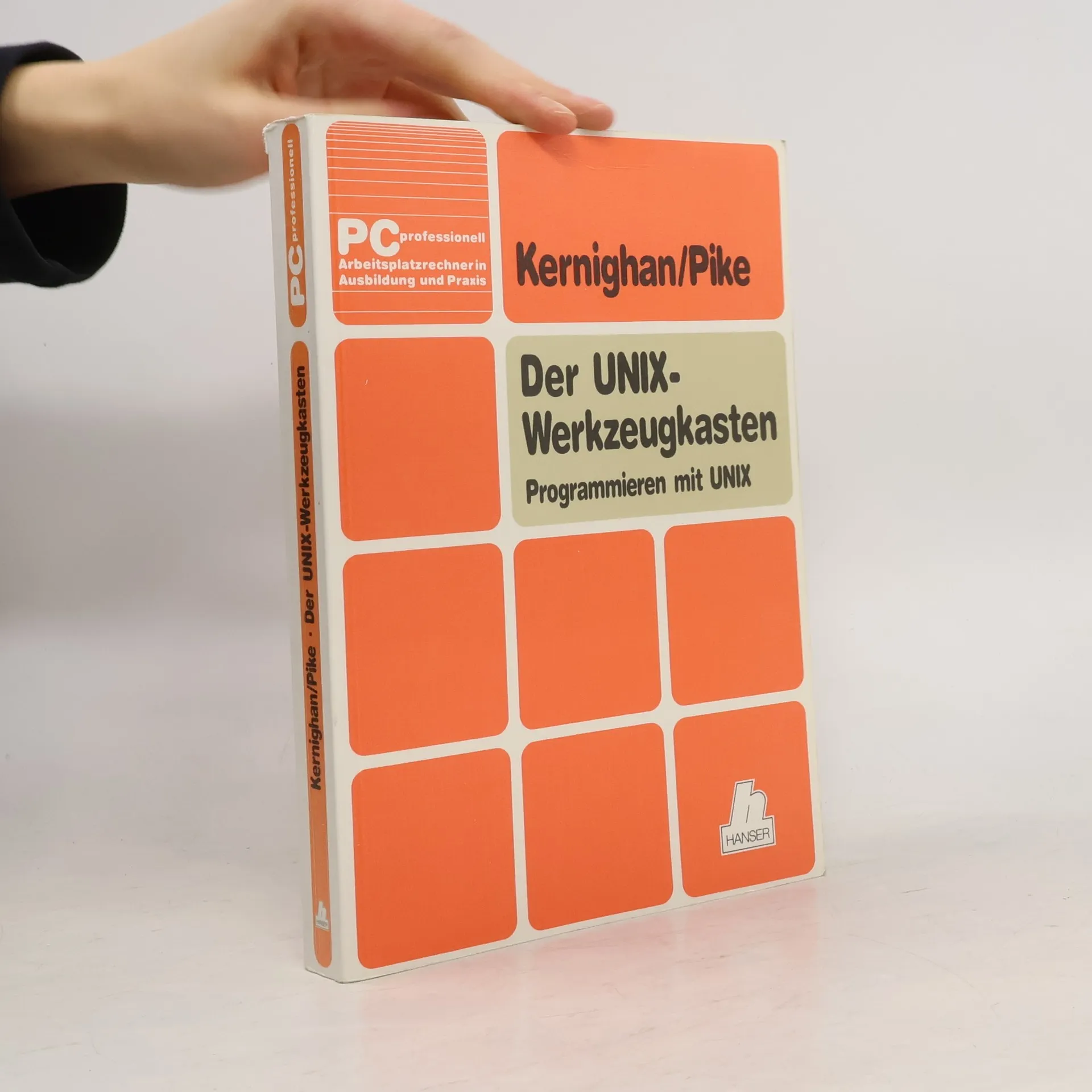
Dieses Buch beschreibt die UNIX-Programmierumgebung und -philosophie im Detail. Die Leser werden ein Verständnis dafür gewinnen, wie man das System, seine Komponenten und die Programme nutzt und wie diese in die gesamte Umgebung passen.
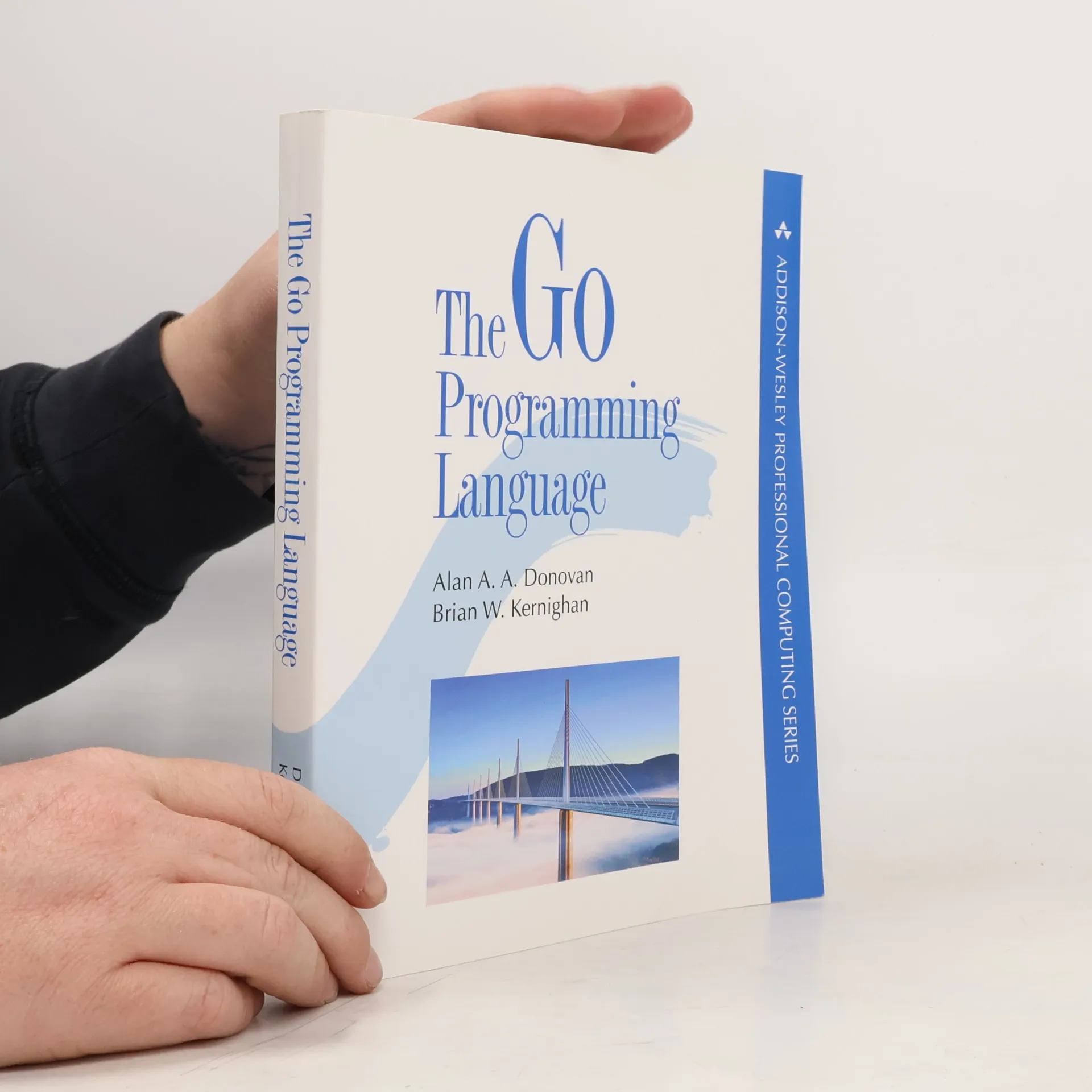
The Go programming language
- 380 Seiten
- 14 Lesestunden
This resource is essential for programmers eager to learn Go, presenting clear and idiomatic approaches to solving real-world problems. It is designed for readers without prior knowledge of Go or any specific programming language, making it accessible for those familiar with JavaScript, Ruby, Python, Java, or C++. The initial chapter serves as a tutorial on fundamental Go concepts through practical examples, including file I/O, text processing, simple graphics, and web clients and servers. Subsequent chapters delve into the structural elements of Go programs, covering syntax, control flow, data types, and program organization into packages, files, and functions, while illustrating the use of standard library packages and creating new ones. Later sections provide a detailed explanation of the package mechanism and project management using the go tool. The book introduces Go's unique take on object-oriented programming through methods and interfaces, emphasizing encapsulation, composition, and substitutability with realistic examples. Two chapters focus on concurrency, covering goroutines, channels, and shared variables, laying a solid foundation for newcomers to the topic. The final chapters address lower-level features, including metaprogramming with reflection and using the unsafe package for special cases, alongside creating Go bindings for C libraries with cgo. The book is rich with practical examples and exercises to rei
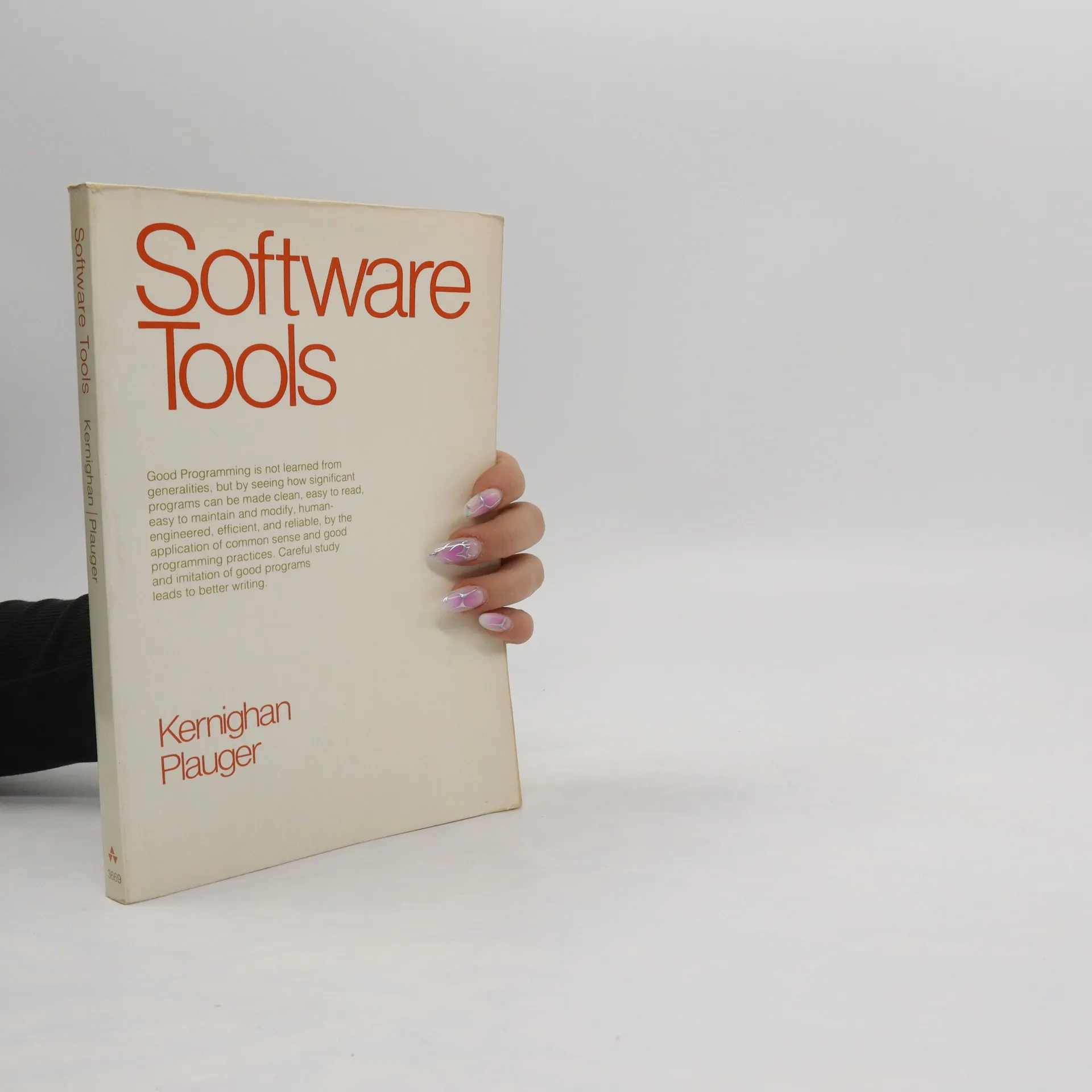
Software tools
- 338 Seiten
- 12 Lesestunden
With the same style and clarity that characterized their highly acclaimed book, The Elements of Programming Style, the authors have written Software Tools to teach how to write good programs that make good tools. The programs contained in the book are not artificial, but are actual programs ae tools which have proved valuable in the production of other programs.Modern programming techniques such as structured programming and top-down design are emphasized and applied to every program. The programs are presented in a structured language called Ratfor ("Rational Fortran") which can be easily understood by anyone familiar with Fortran or PL/I, Algol, PASCAL, or similar languages. (Ratfor translates readily into Fortran or PL/I. One of the tools presented is a preprocessor to translate Ratfor into Fortran). All of the programs are complete and have been tested directly from the text. The programs are available in machine-readable form from Addison-Wesley.Software Tools is ideal for use in a "software engineering" course, for a second course in programming, or as a supplement in any programming course. All programmers, professional and student, will find the book invaluable as a source of proven, useful programs for reading and study. Numerous exercises are provided to test comprehension and to extend the concepts presented in the text.
Subtitle: Everything you need to know about the internet, security, and privacy. Computers are everywhere, and they are not just the familiar laptops, tablets, or smartphones. Most other computers are invisible to us—they control household appliances, cars, medical devices, transportation systems, energy grids, and even weapon systems. Billions of computers quietly collect and share vast amounts of data about us every day. Governments and companies monitor more and more of what we do through computers. Social networks and advertisers know much more about us than we would like, using information that we voluntarily provide. Do we truly understand the power of computers in our world? Brian W. Kernighan's book starts with the physical construction of computers and an analysis of how they actually do their work, touching on all important aspects from programming to construction and internet issues, as well as the social, legal, and political impacts of digitization and their solutions. This comprehensive overview allows us to understand the risks that computers pose to our privacy and security. Therefore, it is an essential sum of information for anyone who cares about their life.
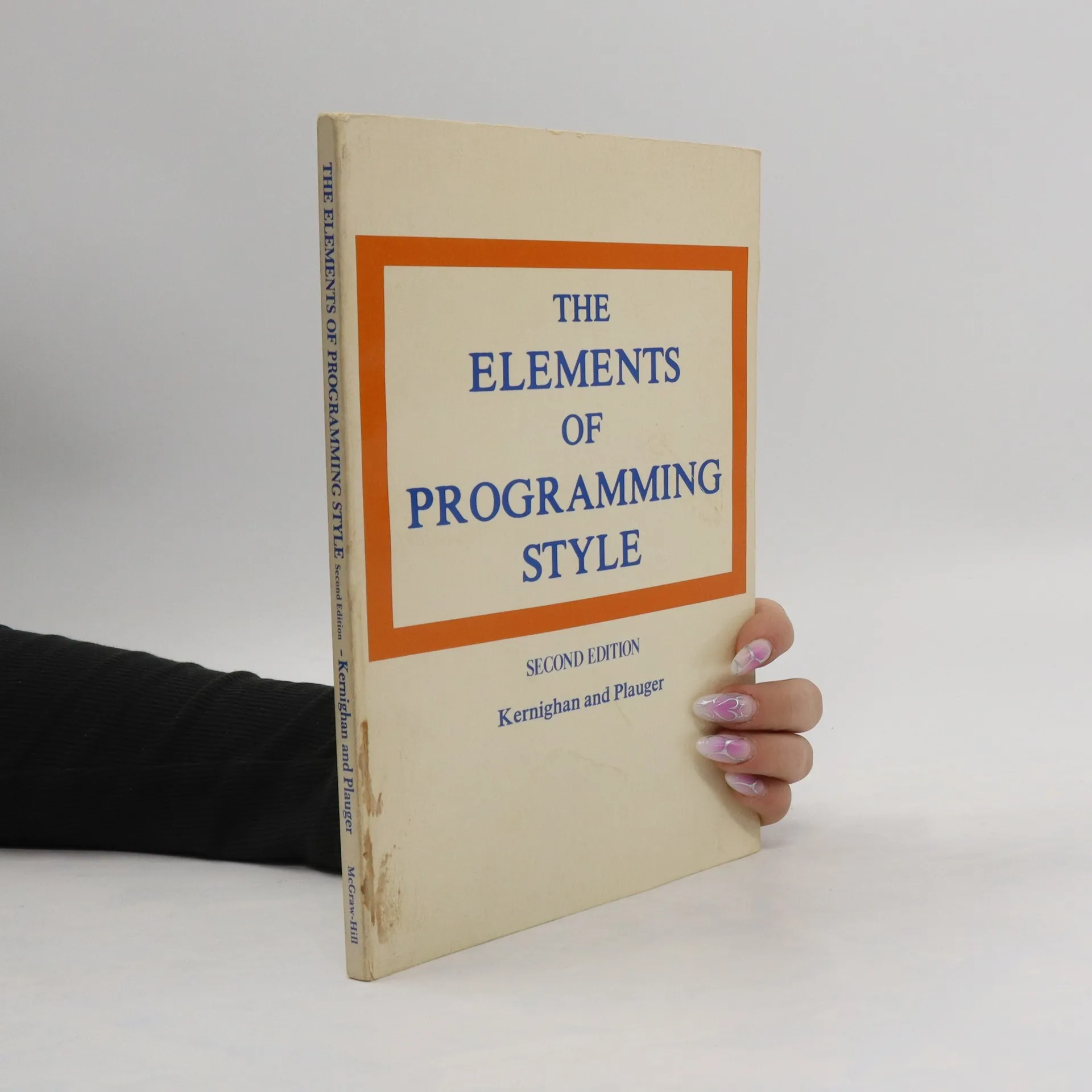
The Elements of Programming Style
- 168 Seiten
- 6 Lesestunden
This rounds out a collection of works by Kernighan. Each book of his covers a different aspect of software, in clear form with logical concepts. This book covers the look and feel of the code itself. As with the other works, some concepts have evolved as languages have evolved and the normal size of software projects has continued to expand. But the book still has many relevant points and is an interesting read for those wanting to delve into how software development as a process has been growing and evolving over time.
Millions, Billions, Zillions
- 176 Seiten
- 7 Lesestunden
"Numbers are often intimidating, confusing, and even deliberately deceptive--especially when they are really big. The media loves to report on millions, billions, and trillions, but frequently makes basic mistakes or presents such numbers in misleading ways. And misunderstanding numbers can have serious consequences, since they can deceive us in many of our most important decisions, including how to vote, what to buy, and whether to make a financial investment. In this short, accessible, enlightening, and entertaining book, leading computer scientist Brian Kernighan teaches anyone--even diehard math-phobes--how to demystify the numbers that assault us every day. With examples drawn from a rich variety of sources, including journalism, advertising, and politics, Kernighan demonstrates how numbers can mislead and misrepresent. In chapters covering big numbers, units, dimensions, and more, he lays bare everything from deceptive graphs to speciously precise numbers. And he shows how anyone--using a few basic ideas and lots of shortcuts--can easily learn to recognize common mistakes, determine whether numbers are credible, and make their own sensible estimates when needed. Giving you the simple tools you need to avoid being fooled by dubious numbers, Millions, Billions, Zillions is an essential survival guide for a world drowning in big--and often bad--data"--Jacket
Four Years in the Cauldron
- 320 Seiten
- 12 Lesestunden
The riveting story of a nation at a crucial crossroadsFrom the start of his stint as RTÉ's Washington Correspondent Brian O'Donovan's lively and authoritative reporting of a tumultuous period in American life has been must-watch TV.Four Years in the Cauldron is his account of four busy years working in the US. He draws a compelling picture, full of telling colour and detail, of covering its fractured politics, particularly the extraordinary presidency of Donald Trump and the knife-edge election of Joe Biden. And he gives his unique perspective on big stories such as the Covid emergency, the Capitol riot, the murder of George Floyd and trial and conviction of his police killer.He also provides a visceral sense of what it's like living in a country shaped by guns, God, far-fetched conspiracy theories and the running sore of racism. Yet, drawing on his network of contacts, neighbours, friends and family connections outside the white-hot heat of Washington politics, he writes about the lives of ordinary American people with nuance and understanding.Four Years in the Cauldron is a must-read for getting to grips with the US at a moment of profound reckoning.
The AWK Programming Language
- 224 Seiten
- 8 Lesestunden
Originally developed by Alfred Aho, Brian Kernighan, and Peter Weinberger in 1977, AWK is a pattern-matching language for writing short programs to perform common data-manipulation tasks. In 1985, a new version of the language was developed, incorporating additional features such as multiple input files, dynamic regular expressions, and user-defined funcitons. This new version is available for both UNIX and MS-DOS.
Język ANSI C. Programowanie wyd. 2
- 328 Seiten
- 12 Lesestunden
Drogi Czytelniku, trzymasz w rękach nowe wydanie klasyki literatury informatycznej. Książka, napisana przez twórców języka ANSI C, w przystępny sposób przedstawia jego arkana. Język ten, choć wymagający systematyczności i skupienia, oferuje wiele możliwości i doskonałe wyniki. Jest najczęściej nauczanym językiem programowania, stanowiąc solidny fundament do nauki bardziej złożonych języków. Mimo upływu lat, C wciąż jest ceniony i niezastąpiony w wielu dziedzinach. Dzięki tej książce zdobędziesz pełną wiedzę o języku C, poznając wszystkie typy, operatory i wyrażenia. Nauczysz się sterować wykonywaniem programu oraz korzystać z funkcji. Szczególną uwagę poświęcono wskaźnikom, które sprawiają trudności początkującym programistom. Zaznajomisz się także z funkcjami wejścia i wyjścia, dowiadując się, jak uzyskać dostęp do plików, formatować dane wyjściowe oraz obsługiwać błędy. Książka obfituje w przykłady, które zostały przetestowane przez autorów. To niezbędna pozycja dla każdego studenta informatyki, pasjonata programowania oraz profesjonalisty. Wraz z książką dołączono zeszyt z rozwiązaniami do wszystkich ćwiczeń. Zawiera ona m.in. zmienne, wyrażenia arytmetyczne, kompilację kodu, preprocesor, metody sterowania programem, struktury danych oraz rekurencję. Poznaj tajniki języka C!
Programové prostředí operačního systému UNIX
- 298 Seiten
- 11 Lesestunden