



Bookbot

Kevlin Henney

    Kevlin Henney
    The Java Module System
    97 Things Every Programmer Should Know
    • Tap into the wisdom of experts to learn what every programmer should know, no matter what language you use. With the 97 short and extremely useful tips for programmers in this book, you'll expand your skills by adopting new approaches to old problems, learning appropriate best practices, and honing your craft through sound advice. With contributions from some of the most experienced and respected practitioners in the industry--including Michael Feathers, Pete Goodliffe, Diomidis Spinellis, Cay Horstmann, Verity Stob, and many more--this book contains practical knowledge and principles that you can apply to all kinds of projects. A few of the 97 things you should know: "Code in the Language of the Domain" by Dan North "Write Tests for People" by Gerard Meszaros "Convenience Is Not an -ility" by Gregor Hohpe "Know Your IDE" by Heinz Kabutz "A Message to the Future" by Linda Rising "The Boy Scout Rule" by Robert C. Martin (Uncle Bob) "Beware the Share" by Udi Dahan

      97 Things Every Programmer Should Know
      3,7
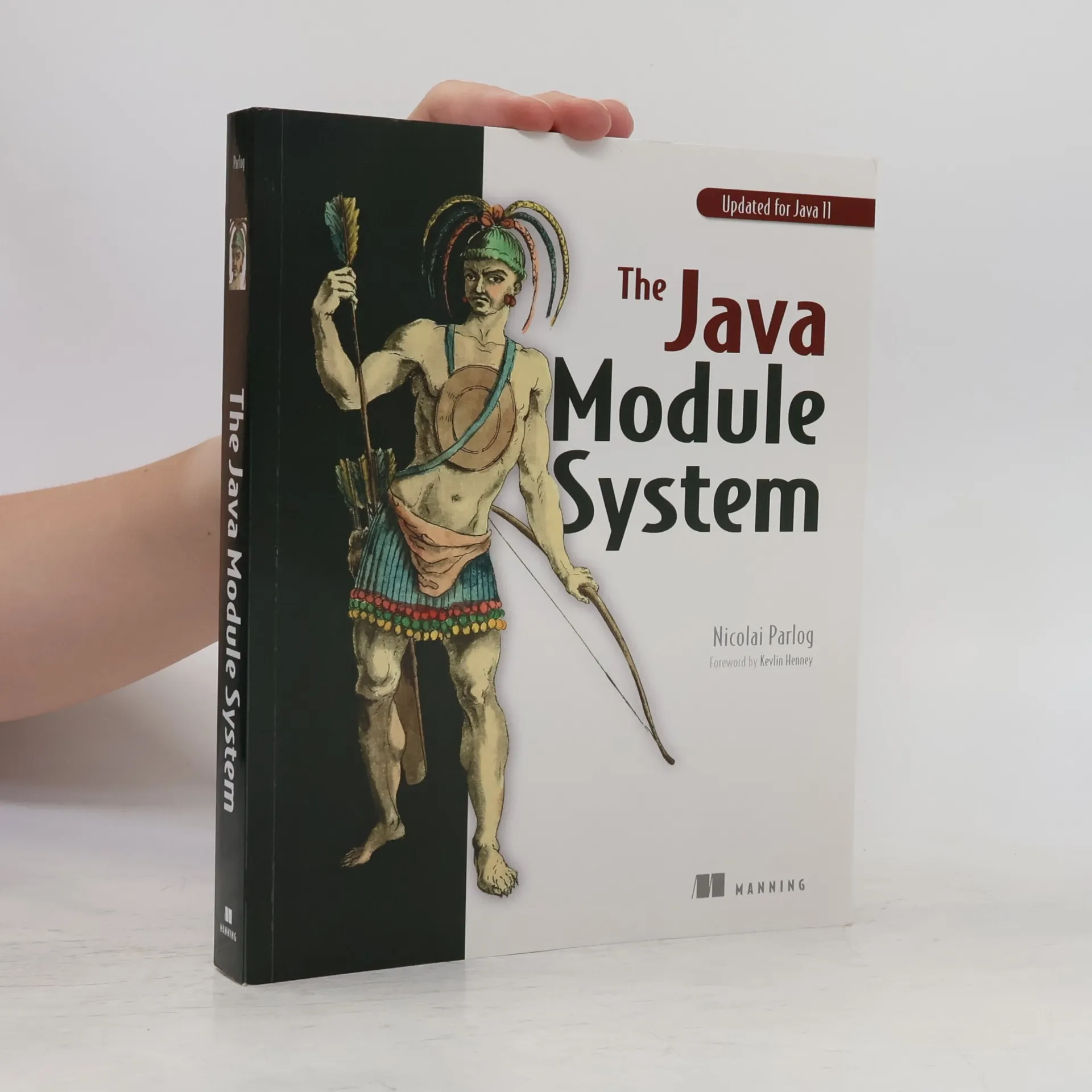
    • The Java Module System

      Updated for Java II

      • 400 Seiten
      • 14 Lesestunden

      Java's "Project Jigsaw" has arrived with Java 11, introducing a modularity framework that enhances reliability and maintainability while reducing tight coupling of system components. This guide delves into the Java Module System, showcasing how packaging code into well-defined units simplifies the delivery of safe applications. The module system allows for precise control over JAR interactions and helps identify missing dependencies at startup. Since Java 9, all core Java APIs are distributed as modules, benefiting libraries, frameworks, and applications. This comprehensive resource covers the creation and usage of Java modules through detailed examples and diagrams. Readers will explore the anatomy of a modular Java application, best practices for module design, debugging techniques, and deployment strategies. Key topics include building modules from source to JAR, migrating to modular Java, decoupling dependencies, handling reflection and versioning, and customizing runtime images. Ideal for developers with some Java experience, the book equips readers with the knowledge to adapt real-world projects to modular Java, addressing compatibility challenges and offering migration strategies. Authored by Nicolai Parlog, a developer and trainer, this guide is essential for mastering the Java Module System and optimizing application design.

      The Java Module System