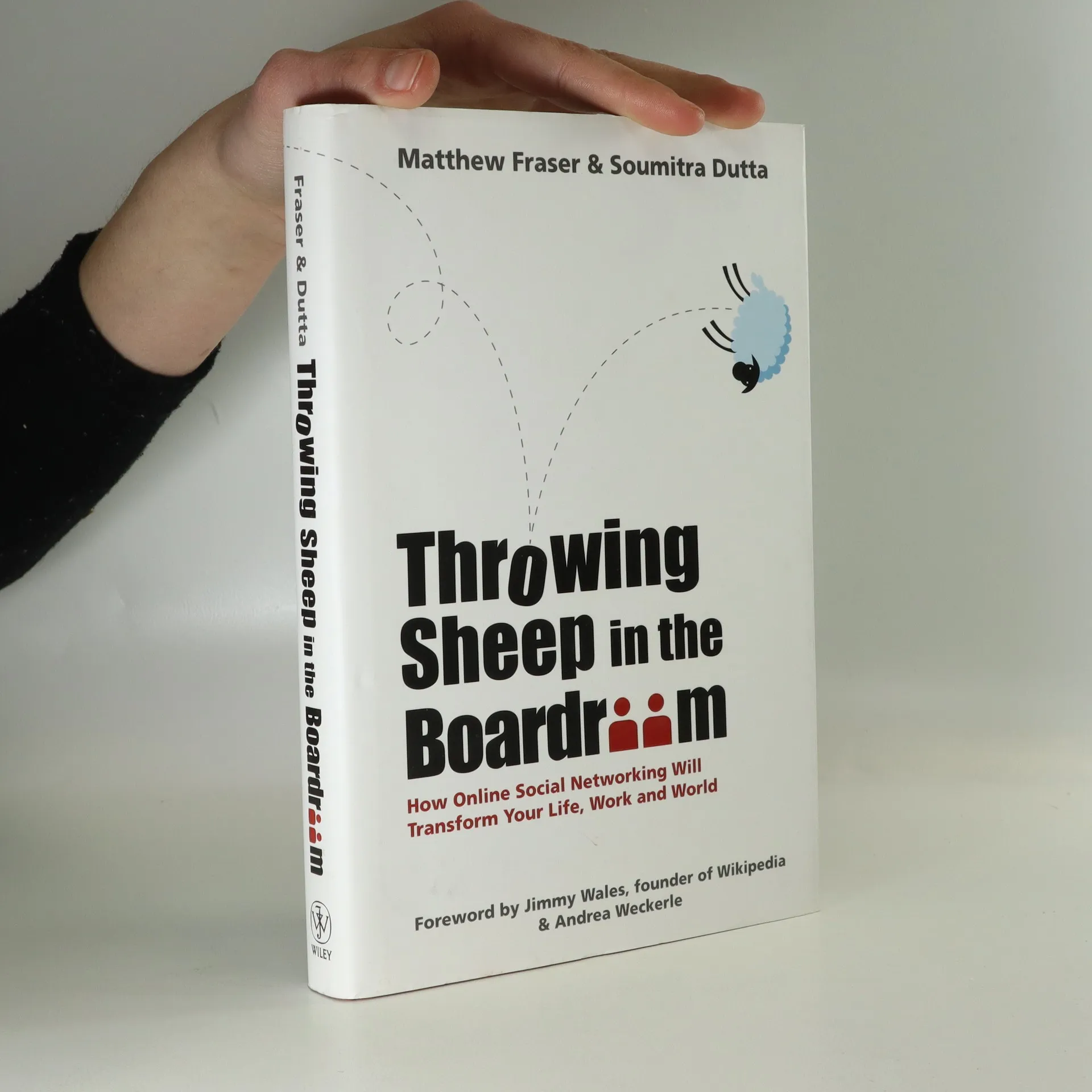
The rise of social networks like Facebook and MySpace is reshaping our self-perception, interactions, work dynamics, and business practices. This exploration delves into the forces driving the social networking revolution and its profound societal impacts. It highlights how social networks influence both individuals and organizations, particularly in the business realm. The new workforce generation is deeply engaged with social networking, prompting business leaders to embrace this phenomenon rather than resist it. The text emphasizes that the next generation of CEOs may possess unconventional skills honed in virtual environments, suggesting that the qualities developed in online gaming can translate to effective leadership. It challenges the misconception that Enterprise 2.0 is merely a product, asserting instead that it represents a revolutionary mindset that transcends traditional organizational structures. Meetings, often seen as tools of authority and exclusivity, are critiqued for reinforcing status hierarchies. The book argues that the Enterprise 2.0 model disrupts these hierarchies, empowering individuals through horizontal networks. By harnessing the potential of Web 2.0 social media, it aims to illustrate the transformative effects of these tools on traditional organizational dynamics, offering insightful perspectives on the ongoing evolution in business and society.
Matthew Fraser Reihenfolge der Bücher (Chronologisch)
Dieser Autor erforscht die Natur von Wahrheit und Lüge in einer weiten historischen Landschaft, vom antiken Rom bis zum modernen Amerika. Sein Schreibstil ist scharf und prägnant und taucht oft in die komplexen Nuancen menschlichen Verhaltens und gesellschaftlicher Strukturen ein. In seinen Werken versucht er aufzudecken, wie Narrative im Laufe der Geschichte geformt und manipuliert wurden, und regt die Leser an, ihre eigenen Wahrnehmungen der Realität zu überdenken. Sein Schreiben ist geprägt von einer tiefen Auseinandersetzung mit dem historischen Kontext und dessen Auswirkungen auf das gegenwärtige Verständnis.