
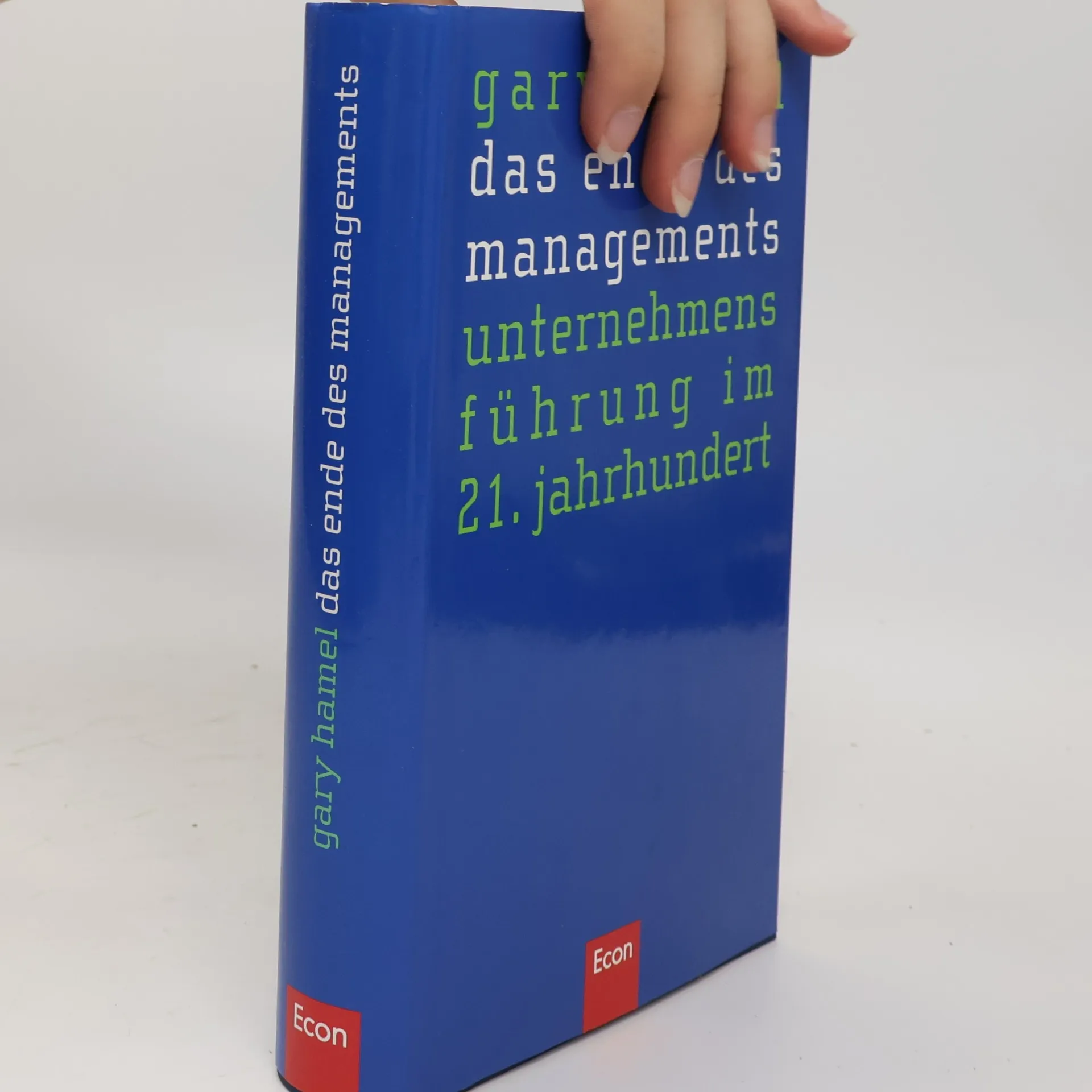
Das Ende des Managements
Unternehmensführung im 21. Jahrhundert
Gary Hamel ist ein anerkannter Experte für Management und strategisches Denken. Seine Forschung befasst sich mit den Feinheiten der Strategieentwicklung, insbesondere im Kontext multinationaler Unternehmen. Er bringt umfassendes Wissen aus seinen akademischen und beratenden Tätigkeiten ein, um innovative Ansätze in der Geschäftswelt zu untersuchen.


Unternehmensführung im 21. Jahrhundert
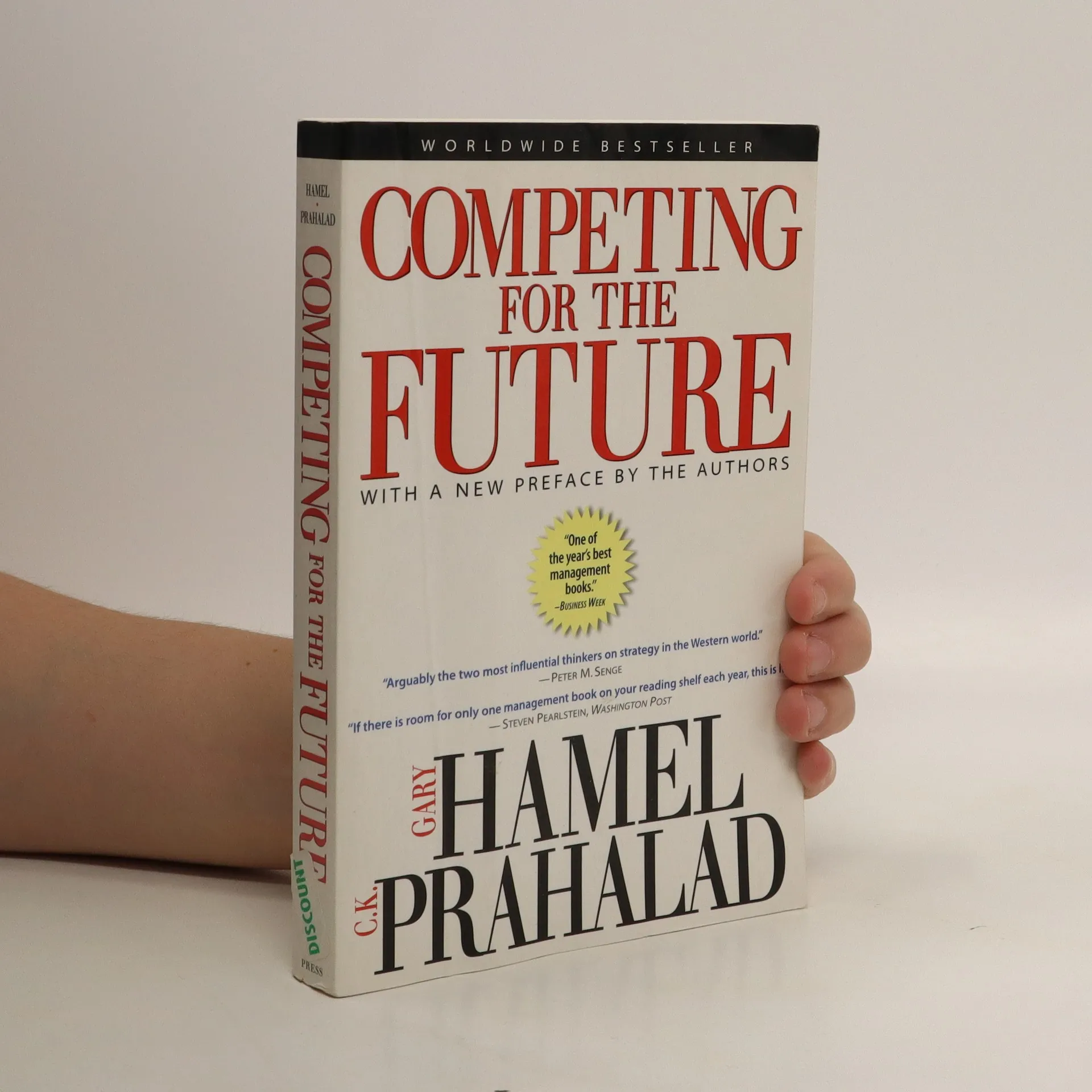
Das vorliegende Buch ist ein betriebswirtschaftliches Werk von erheblicher wirtschaftspolitischer Relevanz. Es könnte von etablierten Betriebswirten an deutschen Universitäten als 'unwissenschaftlich' angesehen werden. Tatsächlich ist es jedoch gut lesbar und teilweise spannend, ohne komplizierte mathematische Ableitungen. Grafiken und Tabellen unterstützen den Text, was es zu einer Pflichtlektüre für Vorstandsassistenten, Betriebsräte und angehende Manager macht. Es bietet neue Erkenntnisse und beleuchtet alte Themen aus einer anderen Perspektive. Gary Hamel und C. K. Prahalad vermitteln eine wichtige Botschaft, die auf gründlichen Recherchen basiert. Sie erkennen die Bedeutung von Restrukturierung und Reengineering an, relativieren jedoch deren Wert. Die Autoren argumentieren, dass diese Konzepte oft dazu dienen, bestehende Geschäftsfelder zu sichern, anstatt neue zu entwickeln. Viele der vorgeschlagenen Maßnahmen sind demnach nur späte Versuche, vergangene Fehler zu korrigieren. Insgesamt übt das Buch scharfe Kritik an der modernen Managementlehre und der gängigen 'Sanierungspraxis' in Unternehmen. Es bietet einen überfälligen Gegenpol zu unreflektierten Heilslehren, die in der heutigen Geschäftswelt oft übernommen werden.
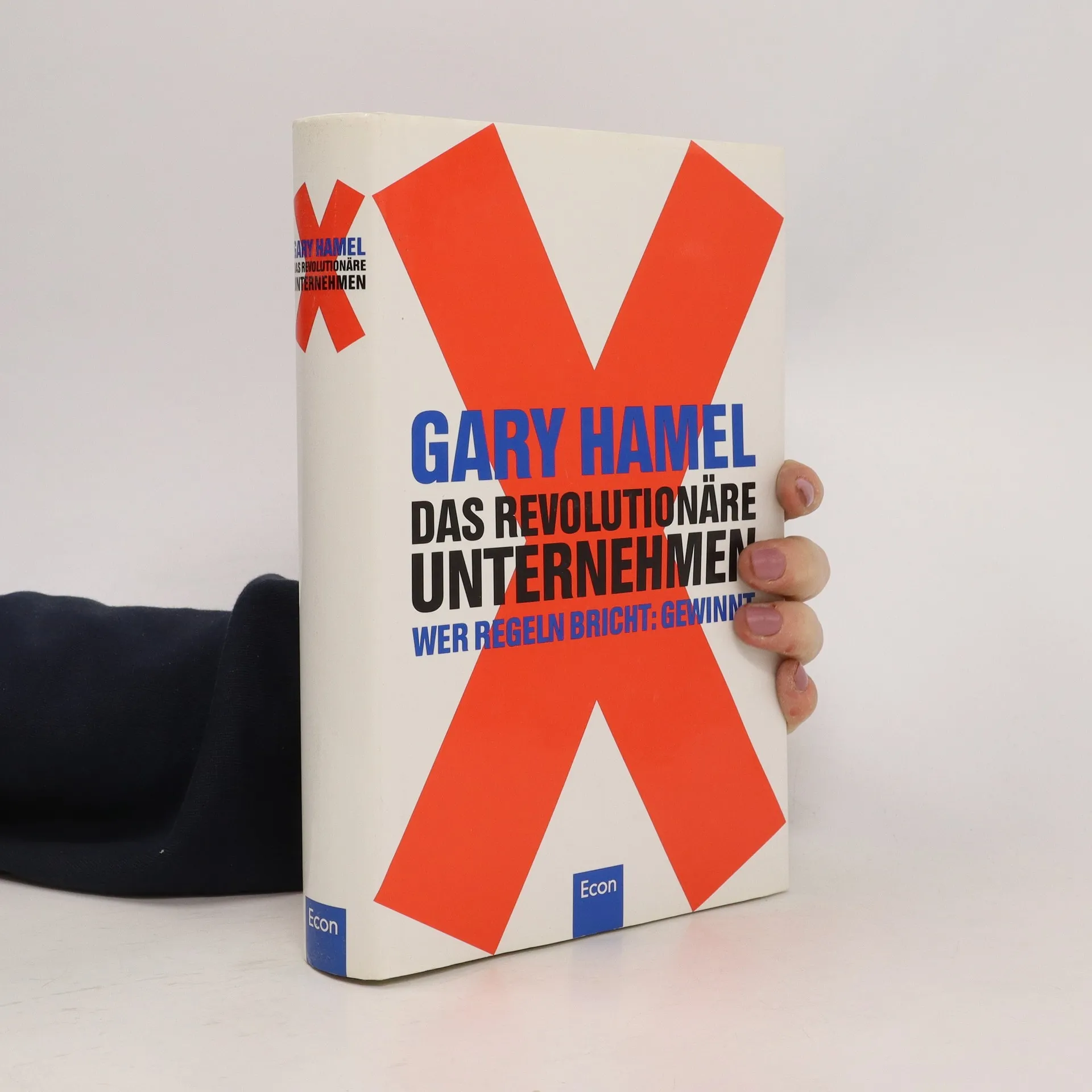
In den USA schon nach wenigen Tagen auf den Bestsellerlisten: Das neue Buch von US-Super-Guru Gary Hamel. Jedem Top-Manager, Spezialisten und engagierten Mitarbeiter ruft er zu: Die Ära des Fortschritts ist zu Ende, das Zeitalter der Revolution bricht an. Handelt schnell. Werdet zu hungrigen Revolutionären, oben und unten, permanent. Denkt und handelt nonlinear, vergesst Hierarchien und träumt, habt Ideen und tut alles, sie umzusetzen. Brecht Regeln, denn nur wer Regeln bricht, gewinnt. In den USA schon nach wenigen Tagen auf den Bestsellerlisten: Das neue Buch von US-Super-Guru Gary Hamel. Jedem Top-Manager, Spezialisten und engagierten Mitarbeiter ruft er zu: Die Ära des Fortschritts ist zu Ende, das Zeitalter der Revolution bricht an. Handelt schnell. Werdet zu hungrigen Revolutionären, oben und unten, permanent. Denkt und handelt nonlinear, vergesst Hierarchien und träumt, habt Ideen und tut alles, sie umzusetzen. Brecht Regeln, denn nur wer Regeln bricht, gewinnt.
Mehr Mensch, weniger Bürokratie - der Schlüssel zum erfolgreichen Unternehmen der Zukunft
Das Buch beleuchtet, wie Unternehmen starre Hierarchien aufbrechen können, um eine innovationsfördernde Kultur zu schaffen. Es bietet praxisnahe Anleitungen zur Infragestellung traditioneller Managementmodelle und zur Schaffung dynamischer Systeme, die auf den Stärken und der Kreativität aller Mitarbeiter basieren. Besonders geeignet für Führungskräfte und Teamleiter, vermittelt es Strategien zur Förderung agiler und resilienter Organisationen, zur Verbesserung der Führungsqualitäten und zur Steigerung der Mitarbeiterzufriedenheit, um einen nachhaltigen Wettbewerbsvorteil zu erreichen.
Die Herausforderungen sind gigantisch, darum müssen wir alles völlig anders machen als bisher: Diese Art von Radikalismus findet man in der Businessliteratur immer wieder, und er entpuppt sich bei genauerem Hinsehen oft als bloße Selbstvermarktungsmasche des Autors. Bei Gary Hamel sollte es anders sein - schließlich genießt er schon länger einen Ruf als Managementradikaler und Vordenker. Gemäß Hamel sehen wir uns heute mit einer neuen Qualität und vor allem einer ganz neuen Geschwindigkeit der Veränderung konfrontiert. Seine Schlussfolgerung: Nur dort, wo sich das Management neu erfindet, können Organisationen überleben. Hamel holt die Bosse vom Podest und zeigt, dass es nicht mehr darauf ankommt, ob Manager ihre Organisation in die richtige Richtung lenken, sondern darauf, ob sie ihre eigene Rolle innerhalb der Organisation hinterfragen. Zum Beweis führt er eine Reihe von Erfolgsbeispielen an; eine Anleitung für den Einzelnen muss er freilich schuldig bleiben. getAbstract empfiehlt dieses erfrischende, wenn auch teilweise etwas vage Buch allen Führungskräften, die bereit sind, umzudenken
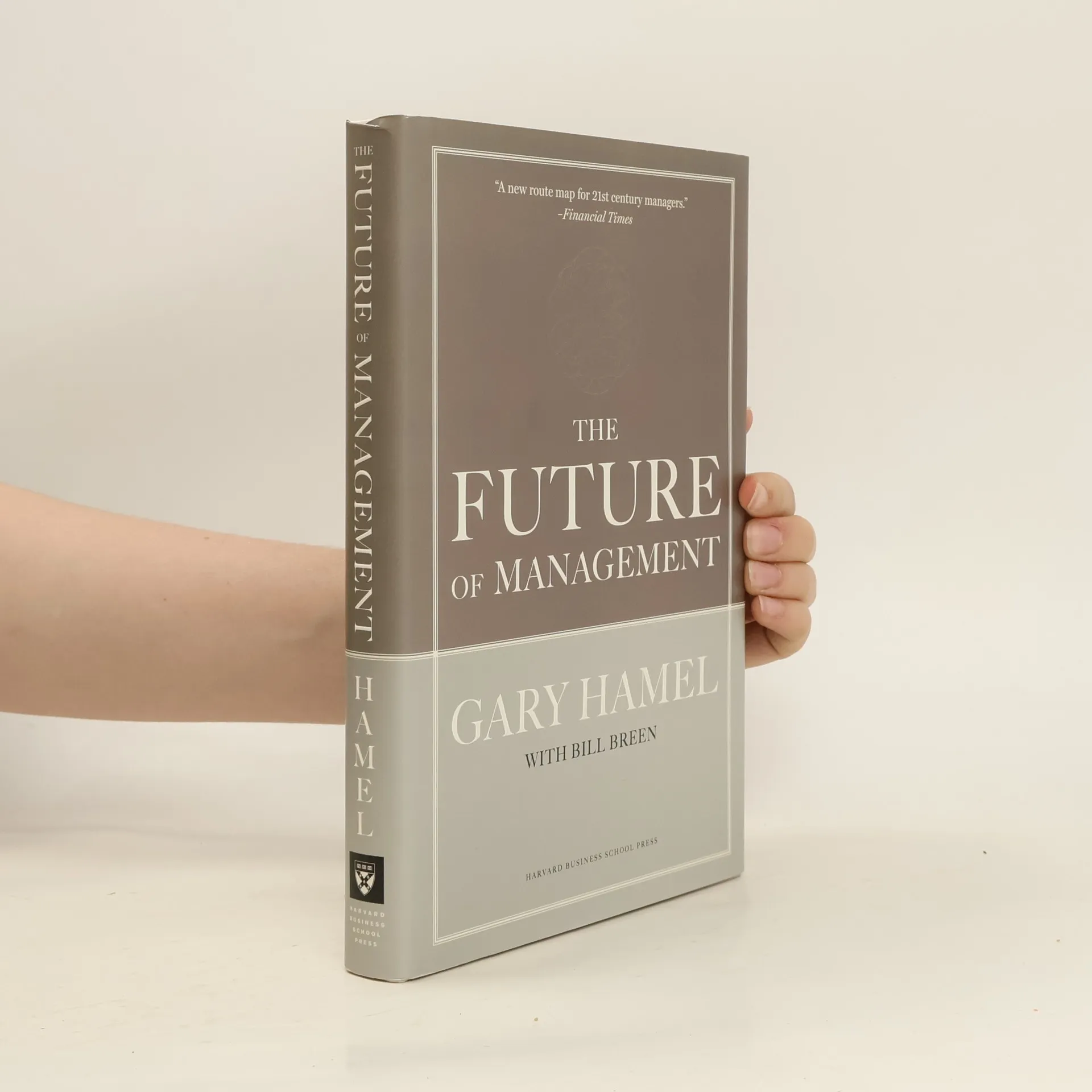
What fuels long-term business success? Not operational excellence, technology breakthroughs, or new business models, but management innovation—new ways of mobilizing talent, allocating resources, and formulating strategies. Through history, management innovation has enabled companies to cross new performance thresholds and build enduring advantages.In The Future of Management , Gary Hamel argues that organizations need management innovation now more than ever. Why? The management paradigm of the last century—centered on control and efficiency—no longer suffices in a world where adaptability and creativity drive business success. To thrive in the future, companies must reinvent management.Hamel explains how to turn your company into a serial management innovator, revealing:The make-or-break challenges that will determine competitive success in an age of relentless, head-snapping change.The toxic effects of traditional management beliefs.The unconventional management practices generating breakthrough results in “modern management pioneers.”The radical principles that will need to become part of every company’s “management DNA.”The steps your company can take now to build your “management advantage.”Practical and profound, The Future of Management features examples from Google, W.L. Gore, Whole Foods, IBM, Samsung, Best Buy, and other blue-ribbon management innovators.
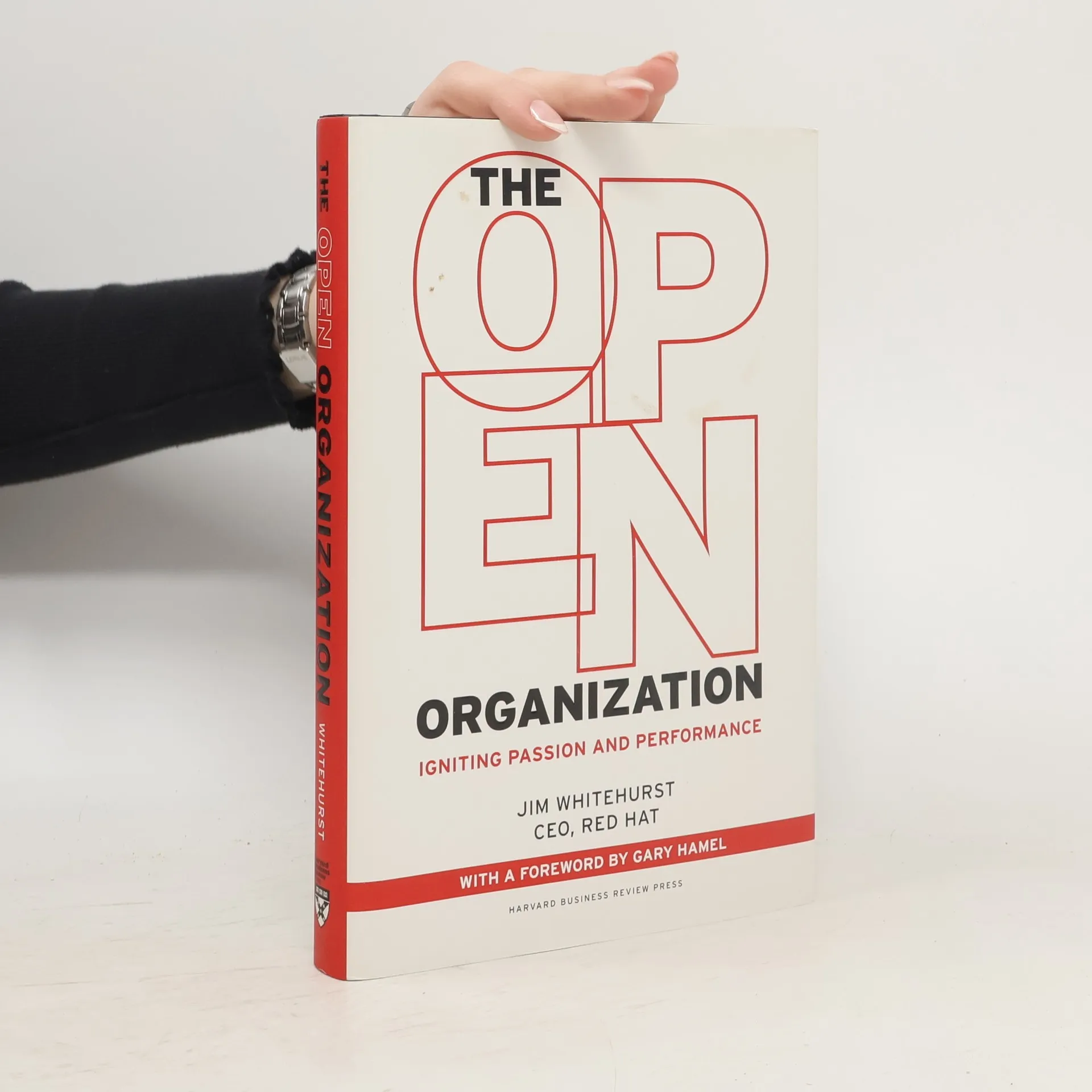
Based on open source principles of transparency, participation, and collaboration, "open management" challenges conventional business ideas about what companies are, how they run, and how they make money. This book provides the blueprint for putting it into practice in your own firm. He covers challenges that have been missing from the conversation to date, among them: how to scale engagement; how to have healthy debates that net progress; and how to attract and keep the "Social Generation" of workers. Through a mix of vibrant stories, candid lessons, and tested processes, Whitehurst shows how Red Hat has blown the traditional operating model to pieces by emerging out of a pure bottom up culture and learning how to execute it at scale. And he explains what other companies are, and need to be doing to bring this open style into all facets of the organization.
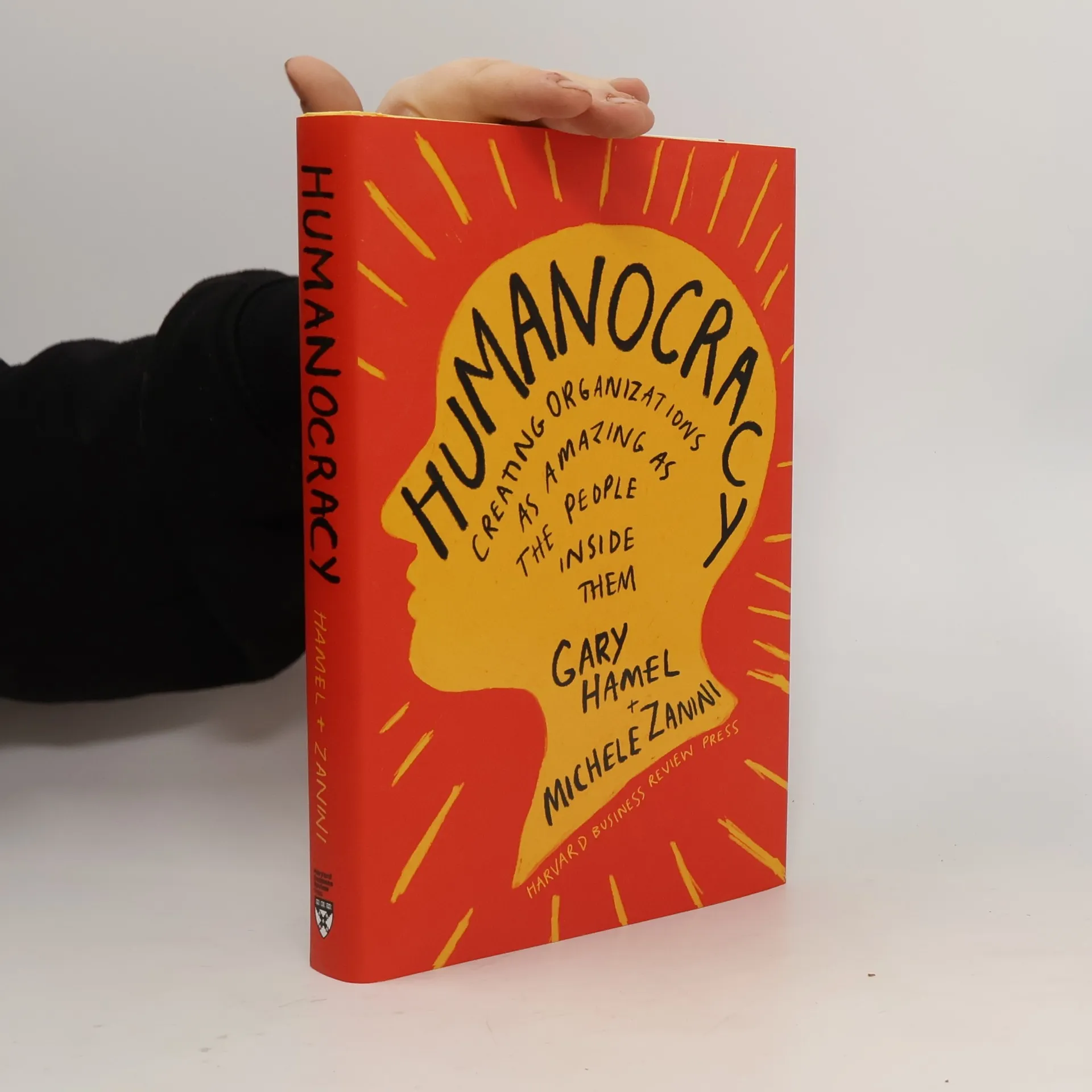
Organizations today are failing, characterized by sluggishness, resistance to change, and emotional detachment. In contrast, individuals are adaptable, creative, and passionate. This disconnect stems from bureaucracy—a top-down, rule-bound management structure that reduces people to mere "resources." Originating in the 19th century to standardize human behavior, bureaucracy is dehumanizing and has resulted in only 13 percent of employees globally being fully engaged in their work. The rest are physically present but lack enthusiasm, contributing to an estimated $9 trillion loss in global economic output each year. Despite trends toward flatter organizations, bureaucracy continues to expand. In this compelling work, Gary Hamel and Michele Zanini provide a blueprint for creating organizations that prioritize human potential over bureaucratic constraints. They emphasize the importance of understanding the hidden costs of "bureausclerosis," eliminating toxic bureaucratic beliefs, and learning from organizations that have successfully removed bureaucracy. Key strategies include uprooting bureaucratic structures without causing chaos, overcoming resistance to change, and fostering a culture where leadership is not tied to rank. The ultimate aim is to cultivate organizations infused with entrepreneurial spirit, where innovation thrives and everyone acts like an owner. This book is both a manifesto and a manual, filled with insights a
This is not a book about one thing. It's not a 250-page dissertation on leadership, teams or motivation. Instead, it's an agenda for building organizations that can flourish in a world of diminished hopes, relentless change and ferocious competition. This is not a book about doing better.
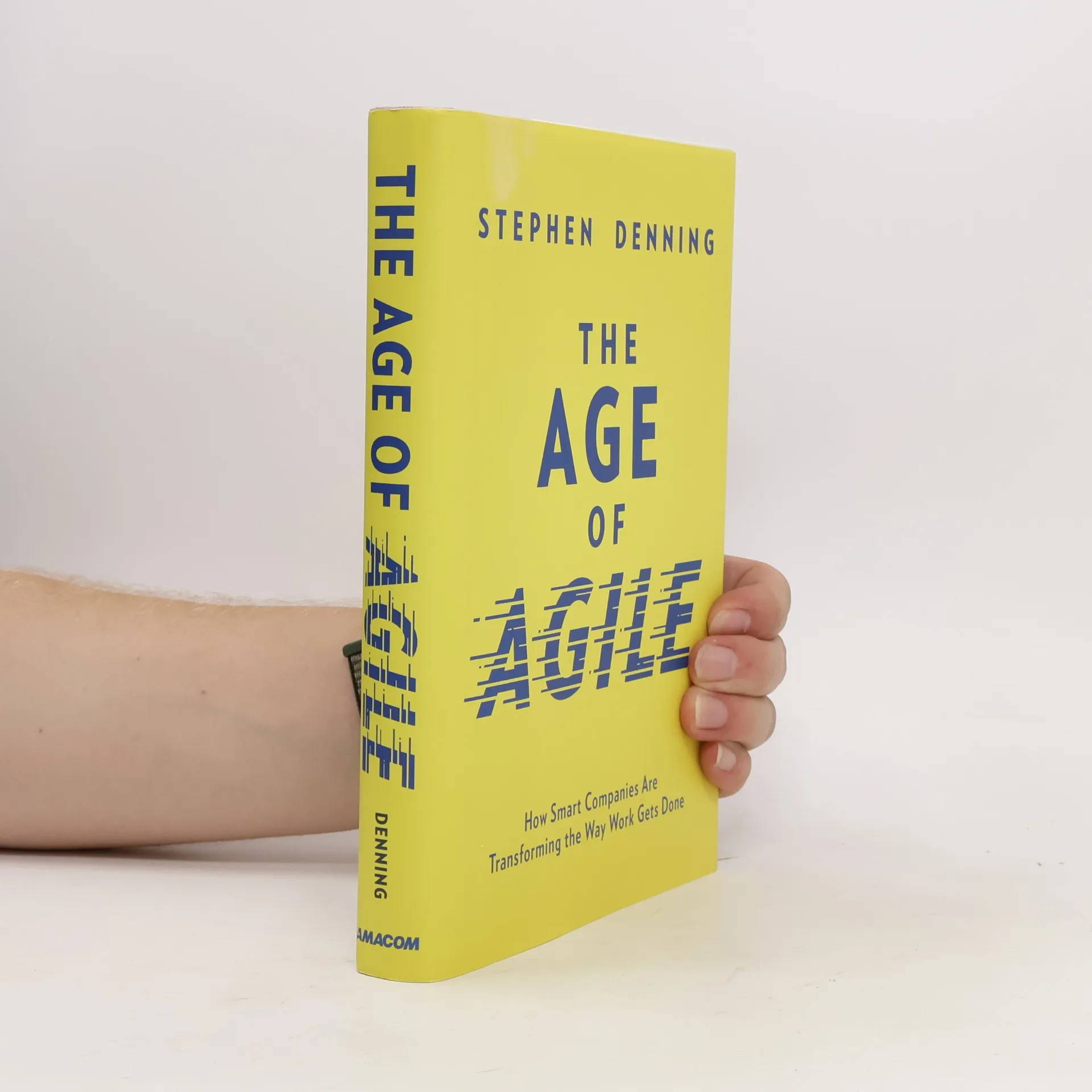
Filled with examples from every business sector, The Age of Agile helps leaders of businesses both large and small learn to act entrepreneurially. It enables an enterprise to nimbly adapt and upgrade products and services to meet rapidly changing technology and customer needs.
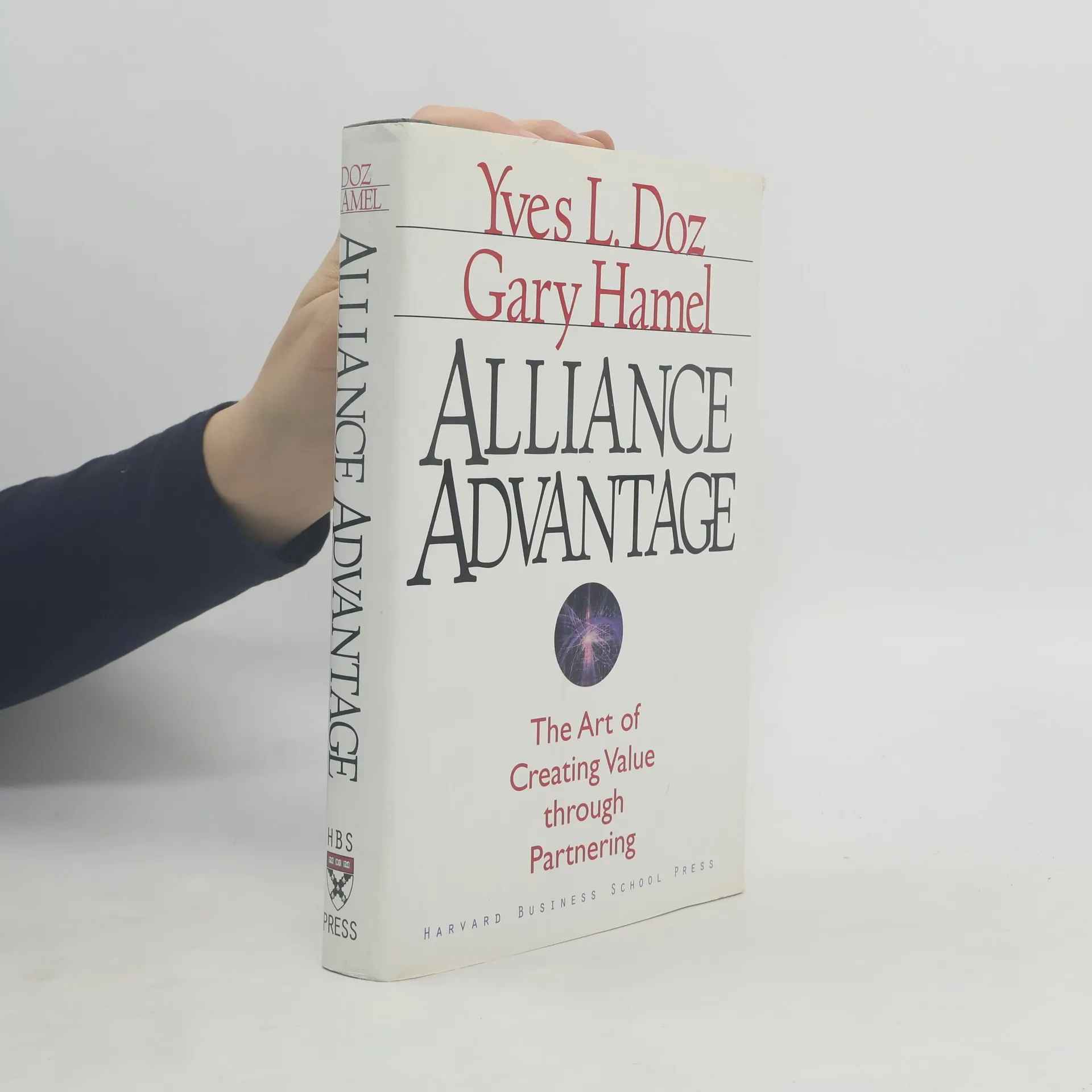
Partnerships between companies receive a great deal of attention from top managers and researchers at the time of their formation. This attention results largely from the common perception that the initial structuring of partnerships and establishment of common goals determines partnership outcomes and success. In Alliance Advantage , Doz and Hamel shift the focus away from deal making to the internal processes within the partnership and the unfolding interactions among partners that play an important and relatively unexplored role in shaping outcomes. Focusing on the underlying reasons why companies enter alliances and the processes by which they continually learn from their interactions and re-evaluate common—and individual—goals, the authors paint a sophisticated picture of alliance dynamics over time. The authors challenge organizations to define their objectives for alliance formulation and consider whether their own corporate culture provides an "alliance ready" atmosphere.
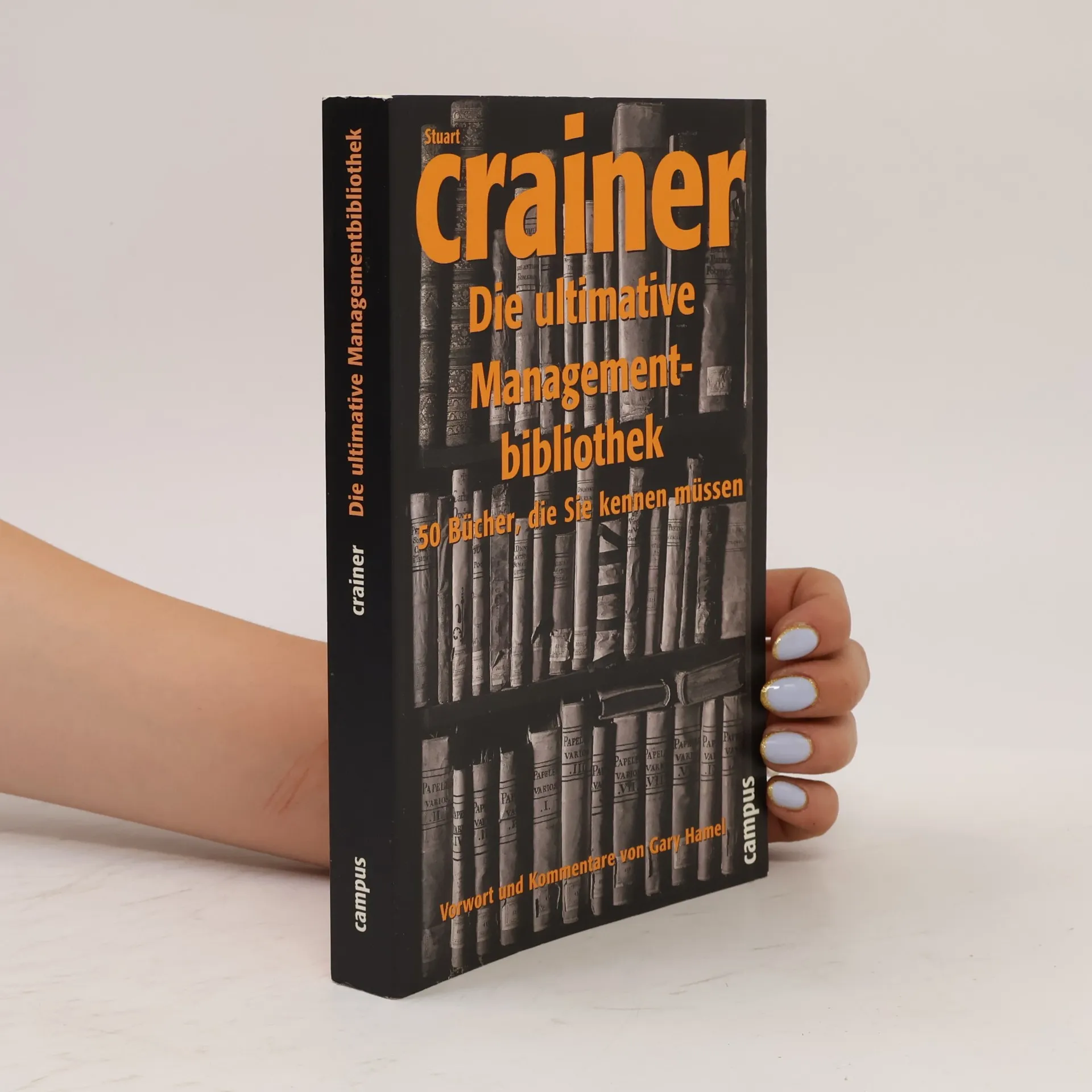
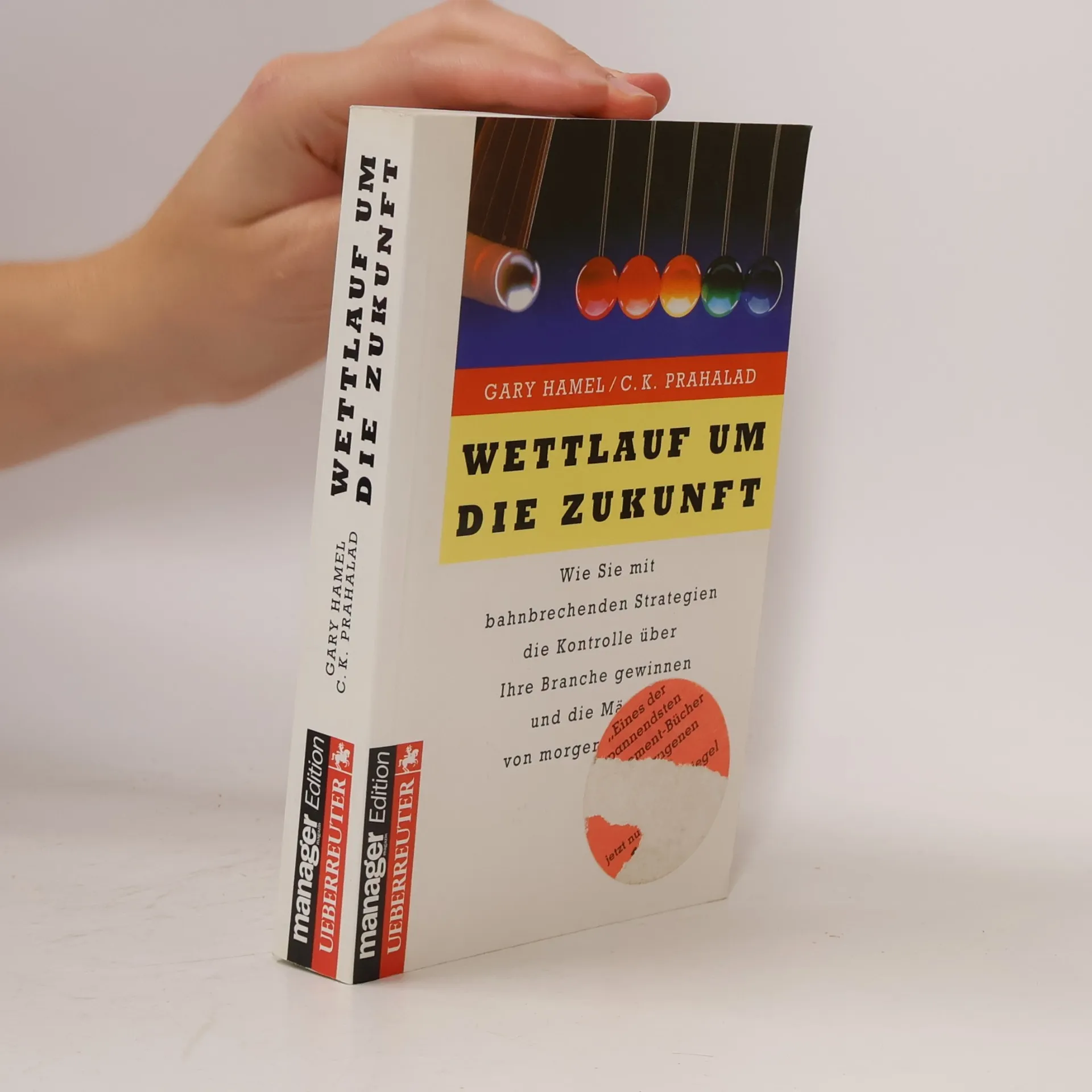
Stuart Crainer ist Journalist für Management- und Business- Themen. Er ist Herausgeber des Financial Times Handbook of Management. Gary Hamel ist Autor des Bestsellers Wettlauf um die Zukunft. Er ist Professor an der London Business School und Geschäftsführer von Strategos, einer Unternehmensberatung mit dem Schwerpunkt Strategie
Haque maintains that the worst decade since the Great Depression is actually a crisis of institutions' ideals inherited from the industrial age. In this bold manifesto, Haque advocates a new set of ideals, and makes an irresistible business case for following the lead of companies that adopt these ideals.
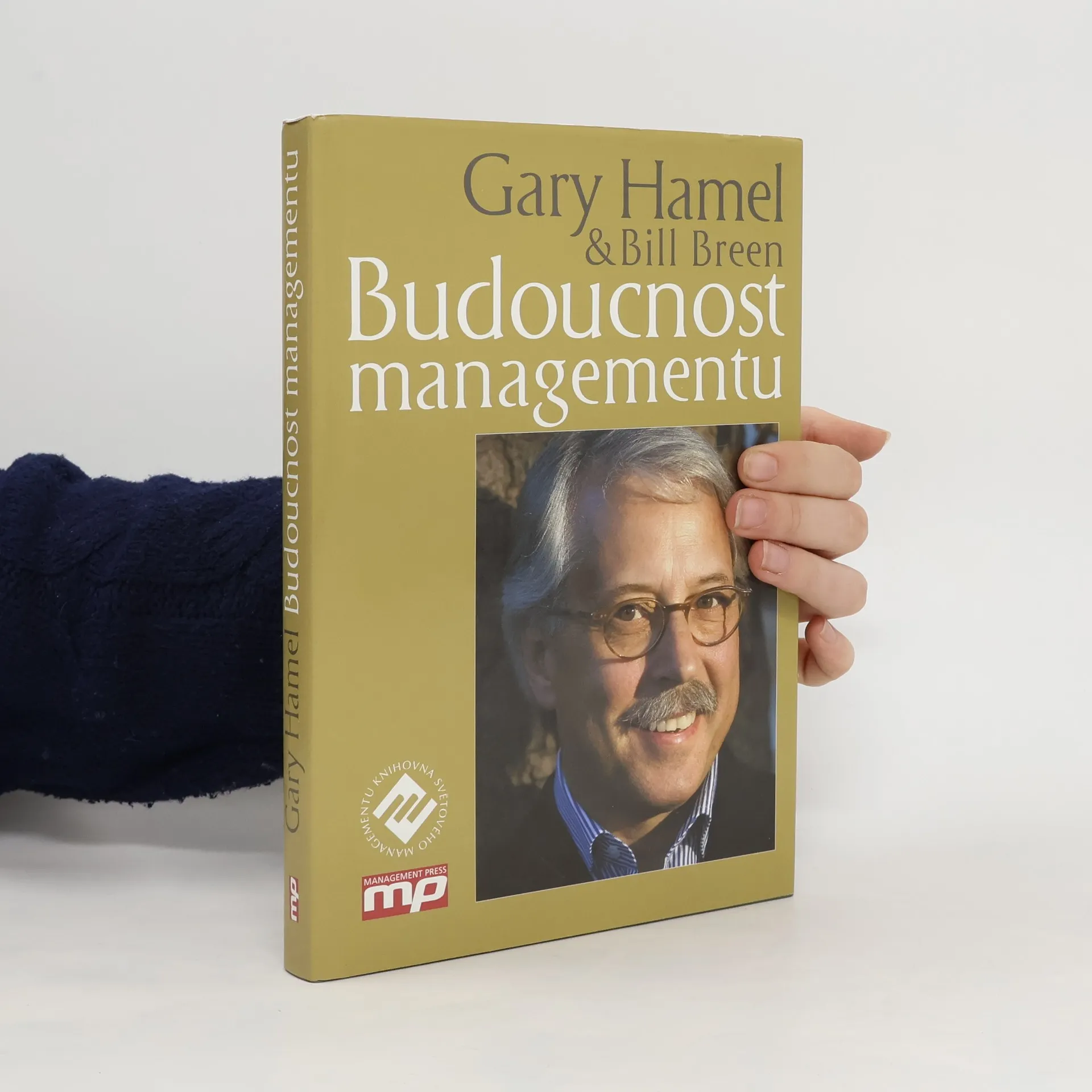
Nejnovější kniha jednoho z nejvýznamnějších světových myslitelů a poradců v oboru managementu dokládá, že hlavním zdrojem dlouhodobého podnikatelského úspěchu mohou být dnes i napříště jen inovace managementu – nové způsoby mobilizování lidského potenciálu, alokování zdrojů a tvorby strategií. Protože většina firem organizovaný proces radikálních inovací managementu postrádá, Hamel – s využitím případových studií inovačních přístupů některých pozoruhodně úspěšných firem (W. L. Gore & Associates, Best Buy, Whole Foods Market, Google, IBM, Rite-Solutions, Procter & Gamble, Whirlpool, GE, Toyota, Visa atd.) – ukazuje, jak se zbavit starých, tradičních dogmat a jak změnit vaši firmu v inovátora managementu, a zajistit jí tak dlouhodobou prosperitu.
Por desgracia, la mayoría de las organizaciones, sobrecargadas de burocracia, son lentas y rígidas. En una época de transformaciones, las estructuras de poder descendentes y las normas de lossistemas de gestión son un lastre: limitan la creatividad y frenan la iniciativa. Como líderes, empleados, inversores y ciudadanos que somos, nos merecemos algo mejor. Necesitamos organizaciones que sea audaces, emprendedoras y tan ágiles como el propio cambio. Esta es la razón de este libro.En Humanocracia, Gary Hamel y Michele Zanini ofrecen una apasionada explicación basada endatos de por qué se ha de acabar con la burocracia y sustituirla por algo mejor. Humanocracia, un libro basado en más de una década de investigación y lleno de ejemplos prácticos, expone un plan perfectamente detallado para crear organizaciones que sean tan inspiradoras e ingeniosas como los seres humanos que las componen.
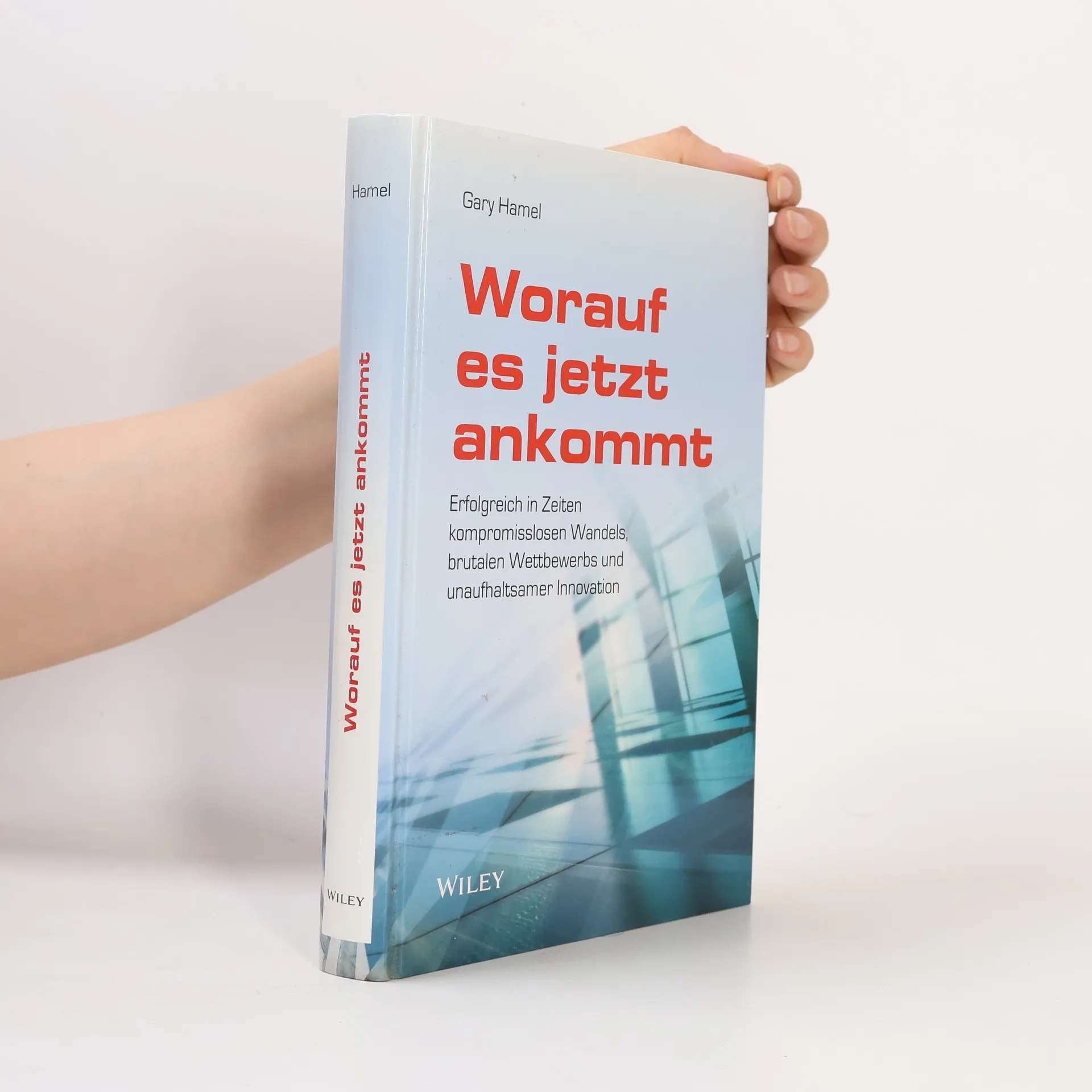
Jak zvítězit ve světě nekonečné změny, zuřivé konkurence a nikdy nekončící inovace. Poslední kniha Garyho Hamela, podle mnohých jednoho z nejuznávanějších myslitelů managementu a fungování firem. Pokud se vám líbila Svoboda v práci, tato kniha vás nejspíš dostane. Nás nadchla - např. Snídaně o Apple či o hodnotách. Přináší oči otevírající souvislosti, mistrně vysvětluje podstatu problémů dnešních firem, popisuje, jak se mění dnešní svět, co to znamená pro každou firmu a každého pracujícího a předně ukazuje, na co se zaměřit, v případě že chce firma přežít v hyper-konkurenčním 21.století. Téma této knihy se stane podle všeho již brzy velmi palčivým i v naší části světa zatím stavějícím do velké míry na montážním průmyslu. Najdete zde i další konkrétní příklady fungování firem, které se organizují jinak než zaběhlým, konvečním zůsobem (např. Bank of New Zealand, Morning Star, Apple nebo W. L. Gore) vč. několika zajímavých návodů na to, jak se svobodou ve firmě začít.
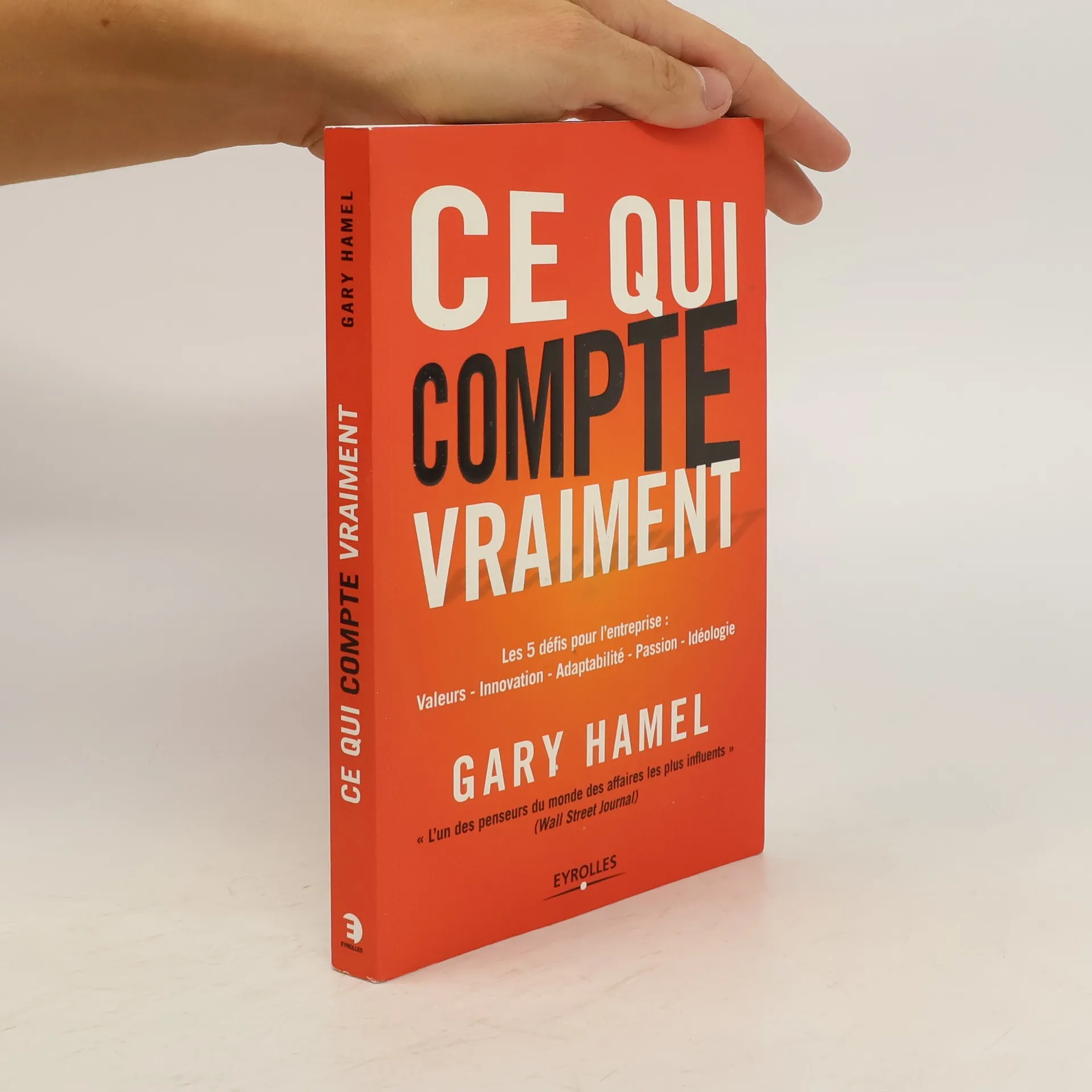
Dans un monde de changement perpétuel, de compétition féroce, d'innovation débordante et d'exigences sociales, comment construire une entreprise adaptée aux nouvelles réalités ? Ce qui compte vraiment n'est pas un énième livre sur la manière de réussir dans un monde dominé par une course effrénée à l'innovation, de plus en plus compétitif et aux contours de plus en plus flous. C'est un plaidoyer passionné, au style unique de Gary Hamel, le gourou du management, pour nous aider à réinventer le sens du travail et la vie dans l'organisation, à un moment clé où l'entreprise, pour durer, doit satisfaire à la fois les exigences des salariés et des actionnaires mais aussi celles de la société en général. Bousculant les idées reçues et proposant de nombreuses pistes de réflexion et d'action, Gary Hamel met en évidence les cinq défis fondamentaux que toute entreprise devrait considérer comme prioritaires au cours des prochaines années. Ils portent sur les valeurs organisationnelles, l'innovation, l'adaptabilité, la passion et la philosophie managériale.