Pyre
- 224 Seiten
- 8 Lesestunden
'With tender rage, one of India's most powerful living writers breathes life into an age-old tale of forbidden passion' - Nilanjana Roy


Perumal Murugan ist ein anerkannter zeitgenössischer tamilischer Schriftsteller und Dichter, dessen Werke tiefe Einblicke in die indische Gesellschaft bieten. Seine Prosa und Poesie untersuchen komplexe menschliche Beziehungen und gesellschaftliche Normen mit einem einzigartigen stilistischen Gespür. Drei seiner Romane wurden ins Englische übersetzt und erhielten dort bedeutende Anerkennung, was seinen Ruf als wichtige Stimme in der modernen indischen Literatur festigte. Murugans Schaffen zeichnet sich durch Authentizität und eine fesselnde erzählerische Kraft aus.


'With tender rage, one of India's most powerful living writers breathes life into an age-old tale of forbidden passion' - Nilanjana Roy
In a world foreseen in a troubling dream, Marimuthu grapples with the desire for a traditional life filled with family, yearning for at least ten daughters to prevent future sorrow. Despite the universal notion that a wealthy single man seeks a wife, Marimuthu's journey to marriage is fraught with challenges. In his painfully awkward and lonely quest, he faces constant rejection, leading him to engage with marriage brokers, horoscopes, and misguided 'bride-seeing' adventures that force him to reassess his options. This narrative transcends mere romantic comedy, delving into deeper societal issues such as agricultural change, caste hierarchies, and the devastating impact of decades of sex-selective abortion on his community's demographics. The story unfolds as both a cultural critique and a personal odyssey, where the concept of marriage evolves into a complex social contract influenced by patriarchy, inequality, and shifting connections to land and community. With a blend of humor and poignant moments, the author crafts a tale that incisively explores these themes, resulting in a narrative that resonates with timeless relevance.
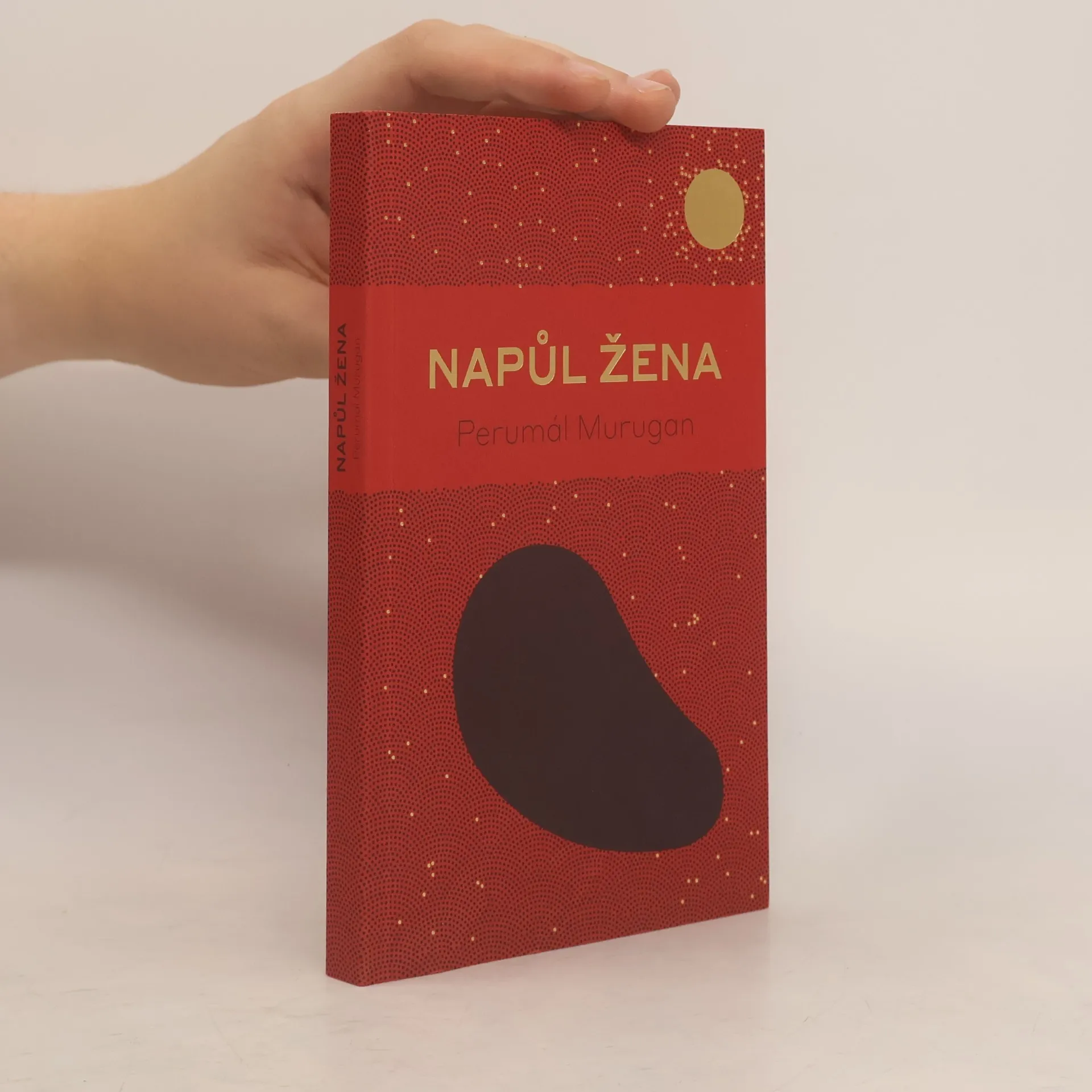
Manželé Káli a Ponna se již několik let marně pokoušejí přivést na svět potomka. Rodina i okolí dává vinu především Ponně, která se propadá do stále hlubší psychické krize, protože nesplnila základní povinnost indické ženy. Manželský pár už vyzkoušel všechno možné, od různých lektvarů až po poutě na posvátná místa, ale bez úspěchu. Proto rodina začíná uvažovat o tom, že by se Káli oženil podruhé. Nakonec se však jejich mysl upne na náboženský svátek Ardhanáríšvary – božstva, které v sobě spojuje mužský i ženský prvek. Během tohoto svátku prý padají některá společenská tabu a náboženská tradice toleruje náhodné sexuální spojení ženy a muže. Najde v sobě Ponna odvahu tento rituál podstoupit? A jak se s tím vyrovná Káli? Nejsilnější stránkou románu je právě empatický vhled do duší tohoto manželského páru.