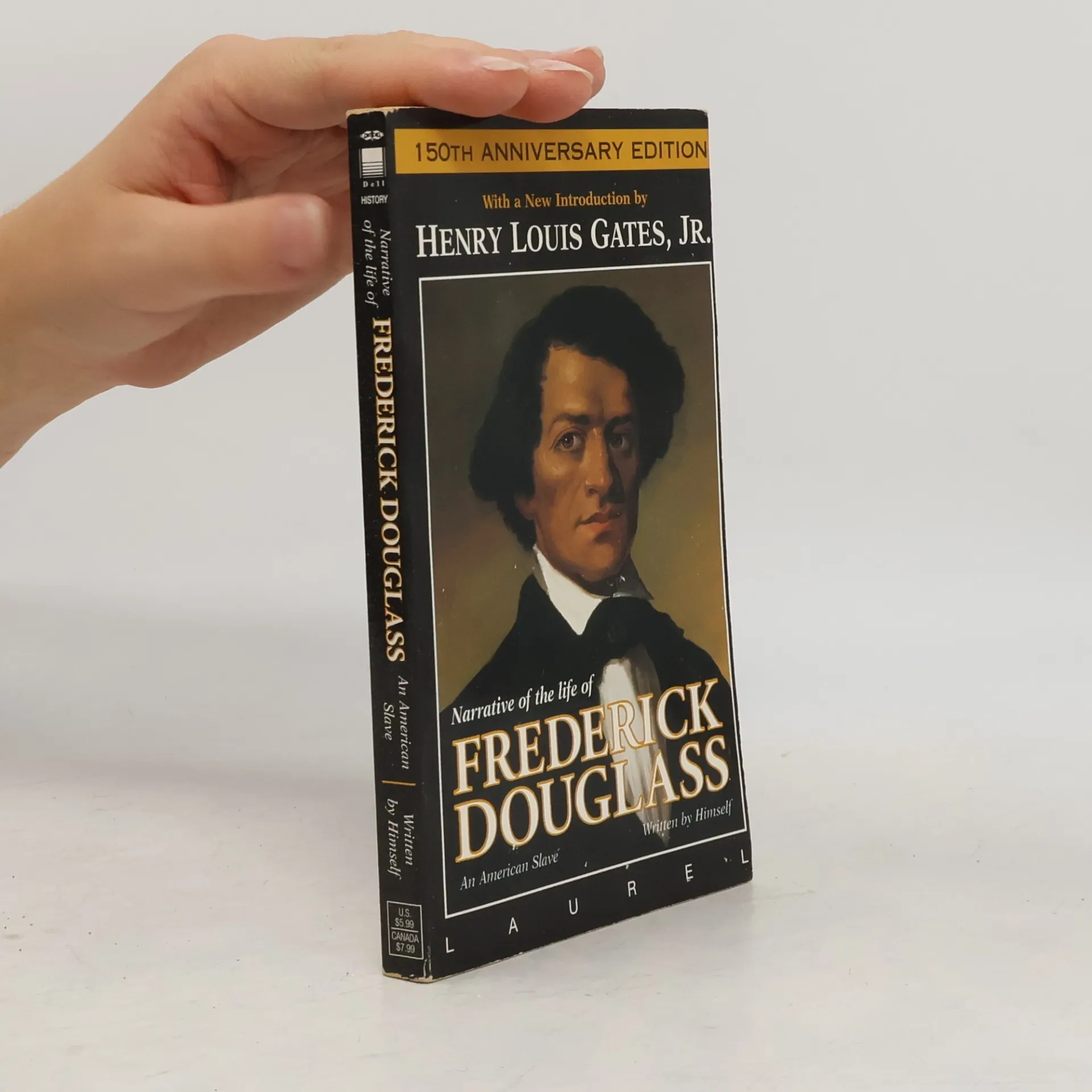
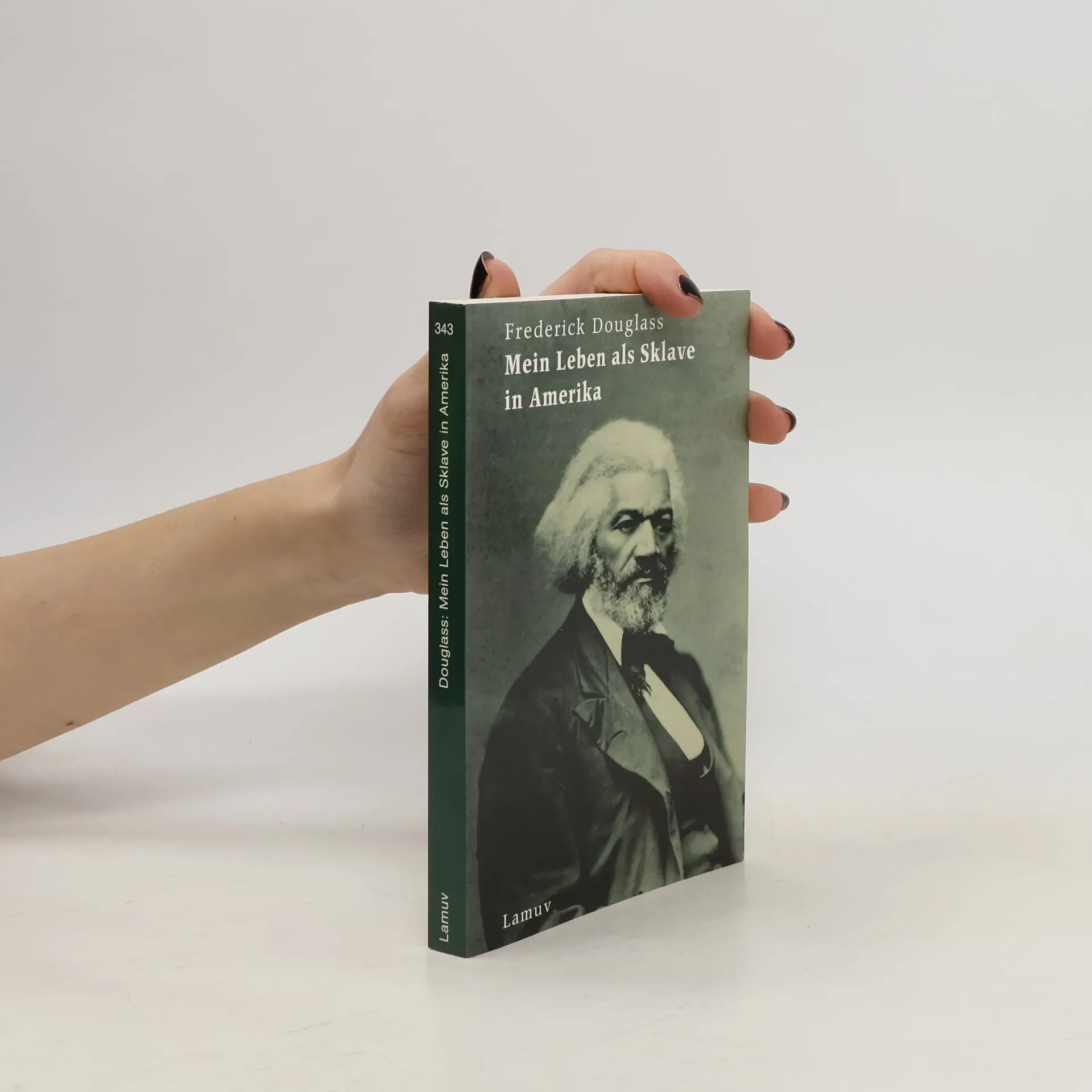
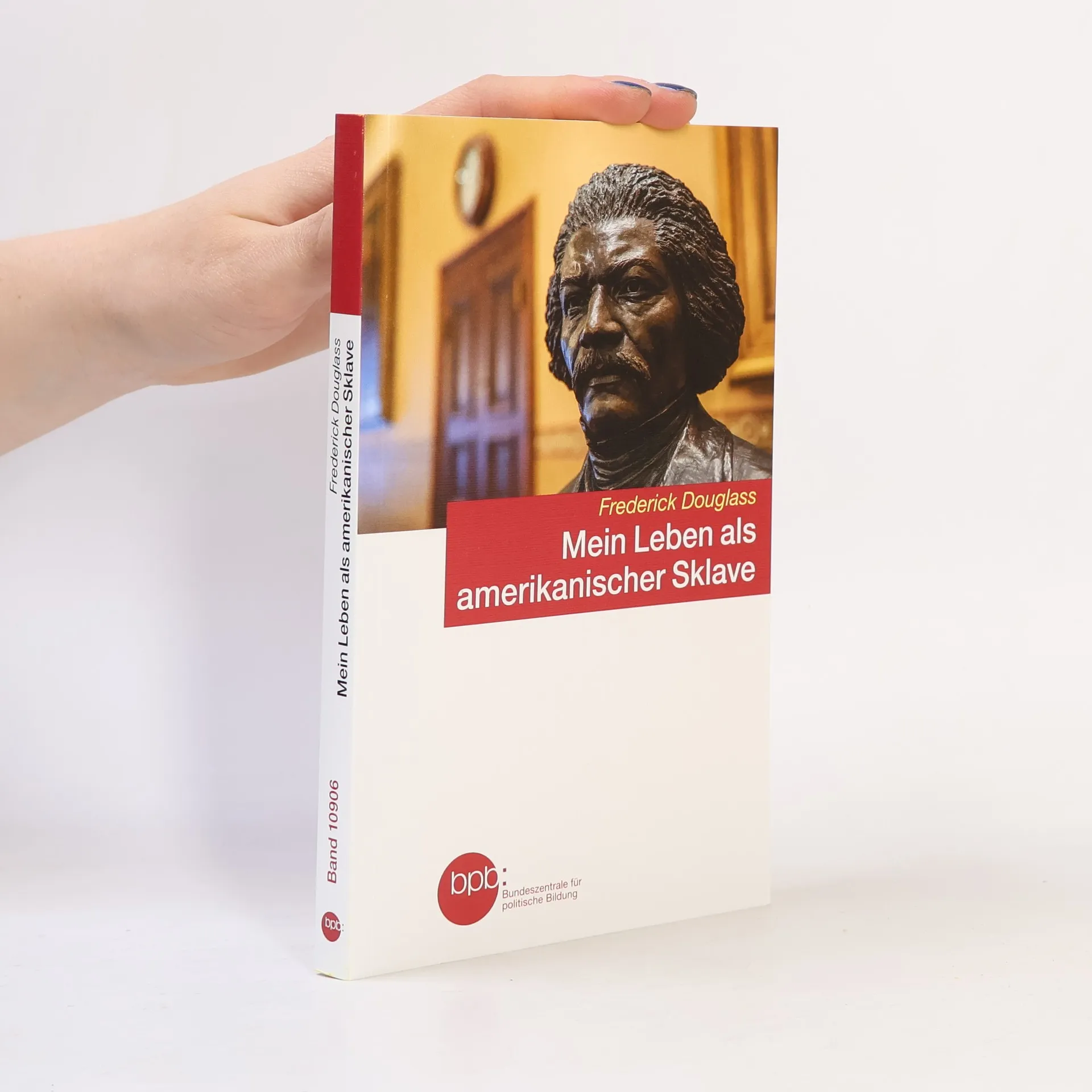
»Wer Amerika verstehen will, muss dieses Buch lesen.« Barack Obama Frederick Douglass ist eine Ikone des afroamerikanischen Befreiungskampfes – mit seiner 1845 erschienenen Autobiographie, die jetzt in einer neuen Übersetzung vorliegt, wurde er schlagartig berühmt. Darin blickt er auf sein Leben in der Sklaverei zurück. Er erzählt vom Alltag der Ausgebeuteten, den Herrschaftsstrukturen auf den Plantagen und den kleinen Fluchten, die ihm das Leben als Diener einer Familie ermöglichte. Als Junge lernte er heimlich Lesen und erfuhr so immer mehr über Unterdrückung und Ausbeutung der Schwarzen. Schließlich gelang ihm die Flucht – und eine aufsehenerregende Karriere als Aktivist gegen die Sklaverei und als Politiker begann. Seine Schilderungen führen auf die Tabakplantagen Marylands und in die Häfen Baltimores. Dabei beschreibt Douglass die Brutalität der Aufseher, die Lebensumstände der Sklaven, ihre Solidarität untereinander – und nicht zuletzt seinen mühseligen Weg in die Freiheit. Ganz nebenbei entsteht das Porträt einer starken Persönlichkeit, die sich schon in jungen Jahren für Freiheit und Gerechtigkeit einsetzt – mit einer unverwechselbaren Stimme.
Frederick Douglass Bücher
Frederick Douglass war eine herausragende Persönlichkeit der Abolitionistenbewegung, dessen Schriften die brutalen Realitäten der Sklaverei und das unnachgiebige Streben nach Freiheit kraftvoll artikulierten. Seine beredten Prosa und sein scharfer Intellekt dienten als formidable Waffe gegen Ungerechtigkeit. Das literarische Erbe von Douglass ist geprägt von tiefgreifender moralischer Klarheit und einem unerschütterlichen Engagement für die Menschenwürde. Durch seine Reden und Schriften verlieh er den Stimmlosen eine Stimme und inspiriert weiterhin Generationen mit seinem Kampf für Gleichheit.


The life of an American slave
- 48 Seiten
- 2 Lesestunden
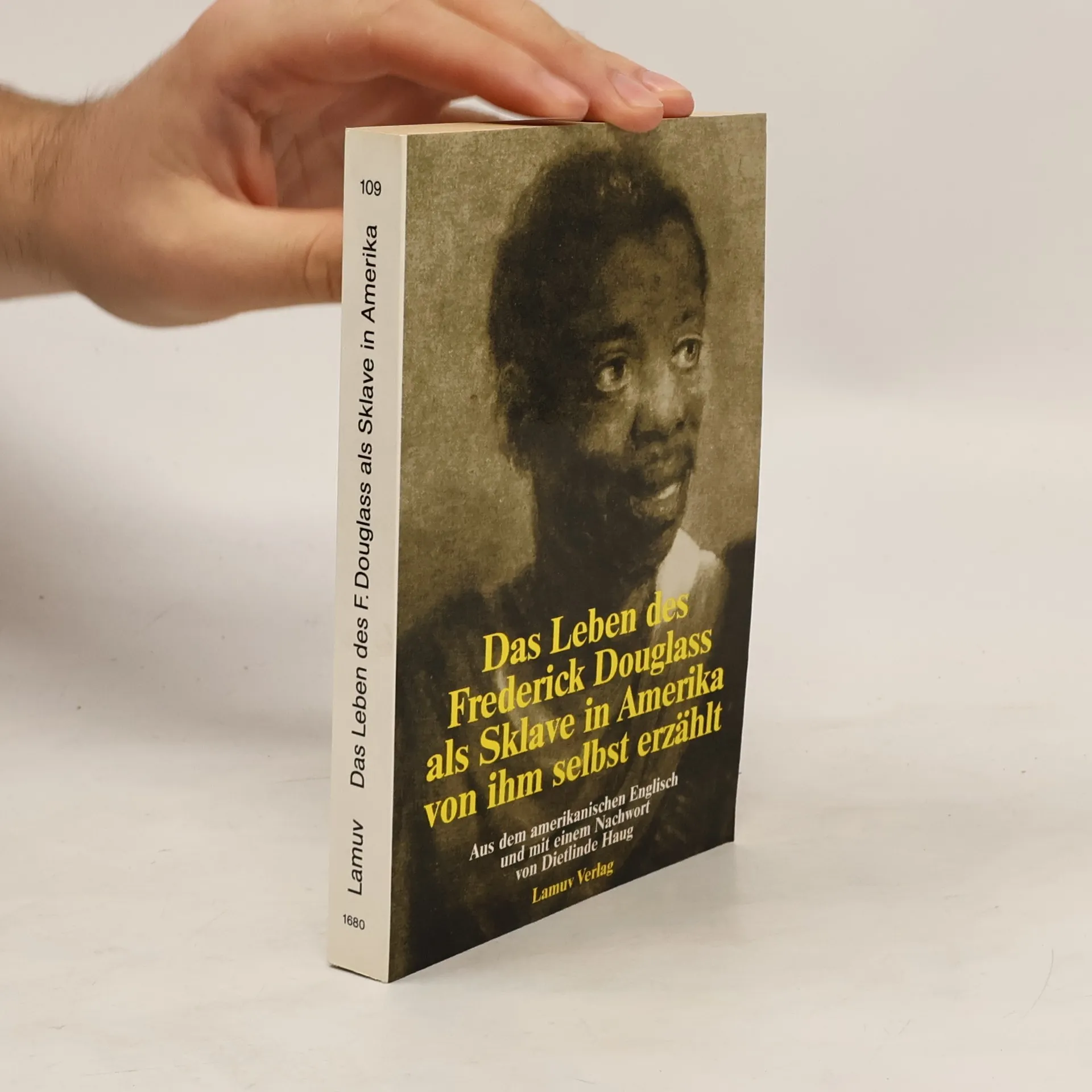
Das Leben des Frederick Douglass als Sklave in Amerika von ihm selbst erzählt
- 237 Seiten
- 9 Lesestunden
Mein Leben als Sklave in Amerika
- 192 Seiten
- 7 Lesestunden
What to the Slave is the Fourth of July?
- 30 Seiten
- 2 Lesestunden
(...)"This, for the purpose of this celebration, is the 4th of July. It is the birthday of your National Independence, and of your political freedom. This, to you, is what the Passover was to the emancipated people of God. It carries your minds back to the day, and to the act of your great deliverance; and to the signs, and to the wonders, associated with that act, and that day. This celebration also marks the beginning of another year of your national life; and reminds you that the Republic of America is now 76 years old. I am glad, (...)".
"First published in 1892, Life and Times of Frederick Douglass Written By Himself is the final autobiography written by Frederick Douglass (1818-1895), a man who was born into slavery in Talbot County, Maryland. Securing his self-liberation at twenty years of age in 1838, he went on to become the most renowned antislavery activist, social justice campaigner, author, orator, philosopher, essayist, historian, intellectual, statesman, and liberator in U.S. history. A powerful literary work, Douglass' final autobiography shares the stories of his 'several lives in one.' This new edition examines Douglass' memorialization of his own and his mother's first-hand experiences of enslavement and of their 'mental' liberation through a 'love of letters;' his representation of Civil War Black combat heroism; his conviction that 'education means emancipation;' and finally, his 'unending battle' with white publishers for the freedom to 'tell my story.' This volume reproduces Frederick Douglass' emotionally powerful and politically hard-hitting anti-lynching speech, Lessons of the Hour, published in 1894. This edition includes explanatory notes, a revised introduction, and expanded bibliography"--
Signet Classics: The Classic Slave Narratives
The Life of Olaudah Equiano, The History of Mary Prince, Narrative of the Life of Frederick Douglass, Incidents in the Life of a Slave Girl
- 688 Seiten
- 25 Lesestunden
No group of slaves anywhere, in any era, has left such prolific testimony to the horror of bondage as African-American slaves. Here are four of the most notable narratives: The Life of Olaudah Equiano; The History of Mary Prince; Narrative of the Life of Frederick Douglass; and Incidents in the Life of Slave Girl.
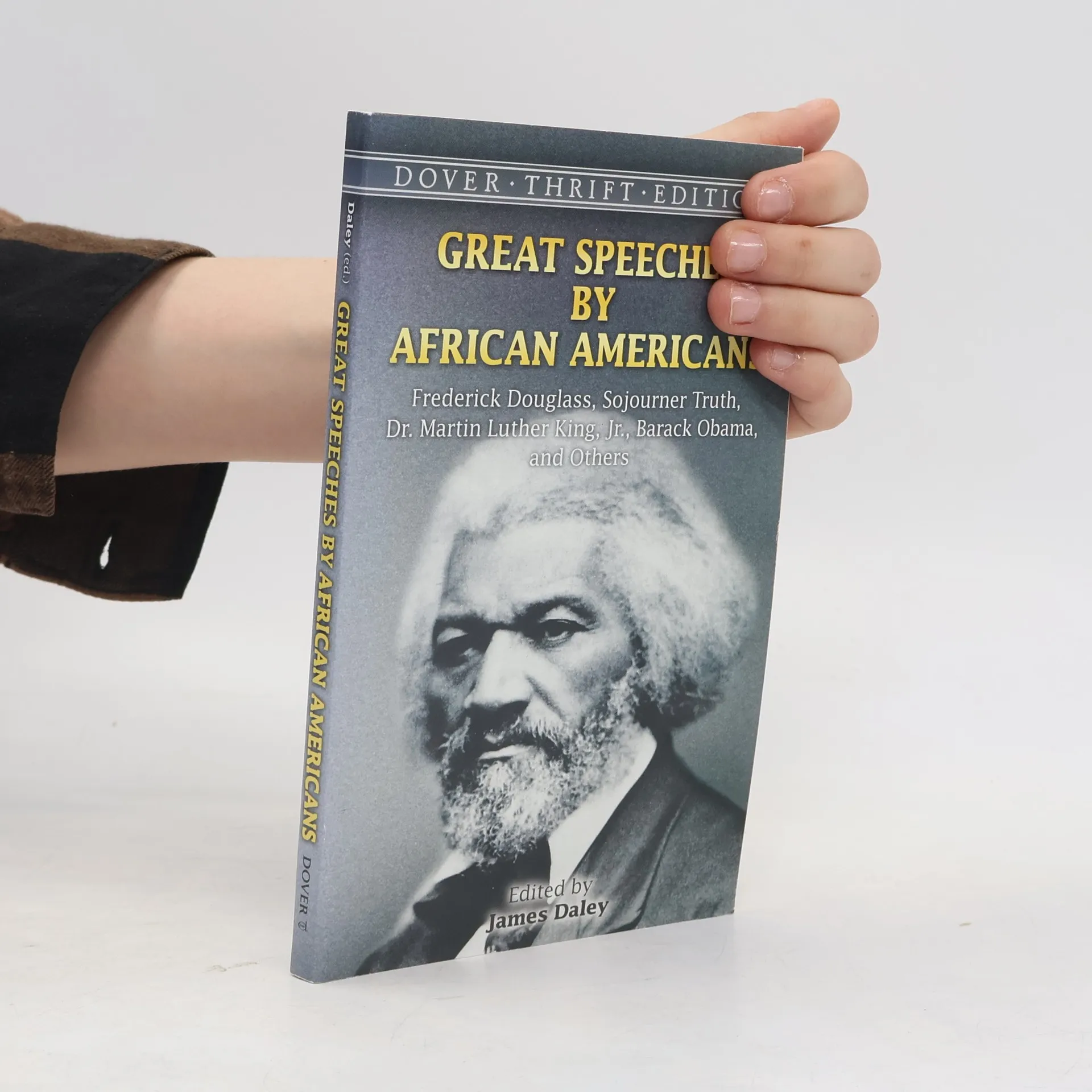
Thrift Edition: Great Speeches by African Americans
Frederick Douglass, Sojourner Truth, Dr. Martin Luther King, Jr., Barack Obama, and Others
- 160 Seiten
- 6 Lesestunden
Tracing the struggle for freedom and civil rights across two centuries, this anthology comprises speeches by Frederick Douglass, Sojourner Truth, W. E. B. Du Bois, Martin Luther King, Jr., and other influential figures in the history of African-American culture and politics.The collection begins with Henry Highland Garnet's 1843 "An Address to the Slaves of the United States of America," followed by Jermain Wesley Loguen's "I Am a Fugitive Slave," the famous "Ain't I a Woman?" speech by Sojourner Truth, and Frederick Douglass's immortal "What, to the Slave, Is the Fourth of July?" Subsequent orators include John Sweat Rock, John M. Langston, James T. Rapier, Alexander Crummell, Booker T. Washington, Mary Church Terrell, Ida B. Wells-Barnett, Francis J. Grimké, Marcus Garvey, and Mary McLeod Bethune. Martin Luther King, Jr.,'s "I Have a Dream" speech appears here, along with Malcolm X's "The Ballot or The Bullet," Shirley Chisholm's "The Black Woman in Contemporary America," "The A Living Document" by Thurgood Marshall, and Barack Obama's "Knox College Commencement Address."
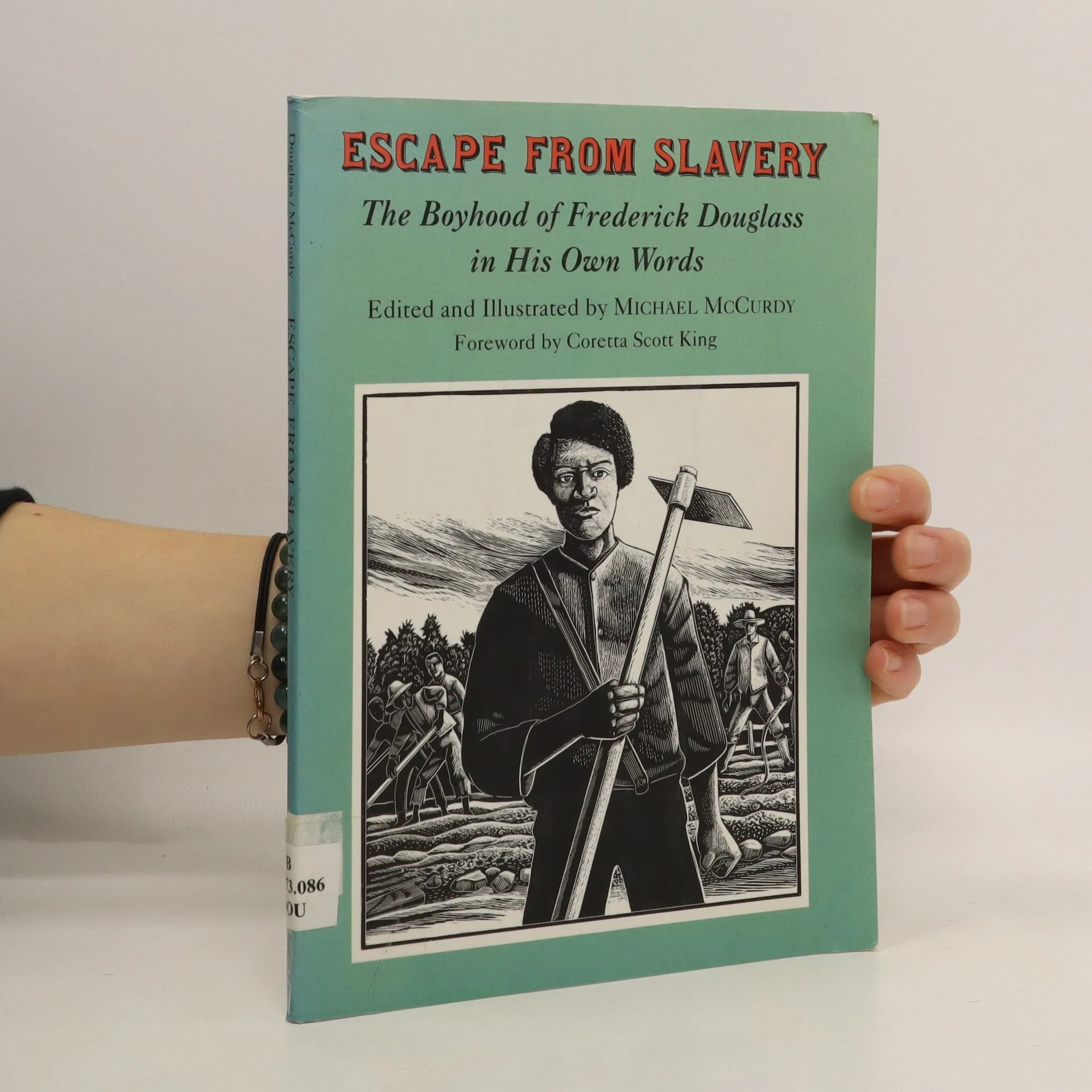
Escape from Slavery: The Boyhood of Frederick Douglass in His Own Words
- 80 Seiten
- 3 Lesestunden
Illus. in black-and-white. Opening note by Coretta Scott King. For the first time, the most important account ever written of a childhood in slavery is accessible to young readers. From his days as a young boy on a plantation to his first months as a freeman in Massachusetts, here are Douglass's own firsthand experiences vividly recounted--expertly excerpted and powerfully illustrated.
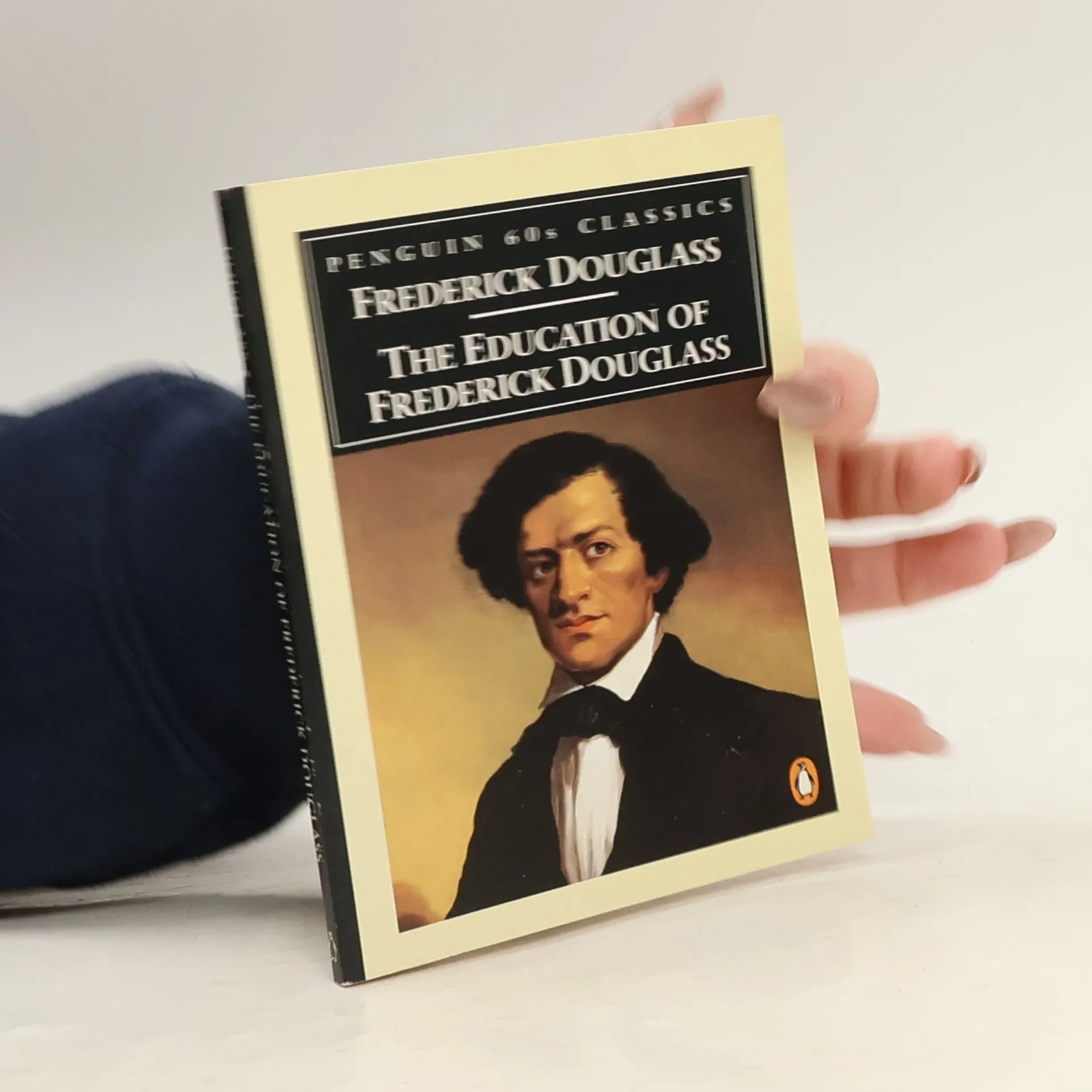
Penguin 60s Classics: The Education of Frederick Douglass
- 64 Seiten
- 3 Lesestunden
One of 60 low-priced classic texts published to celebrate Penguin's 60th anniversary. All the titles are extracts from "Penguin Classics" titles.
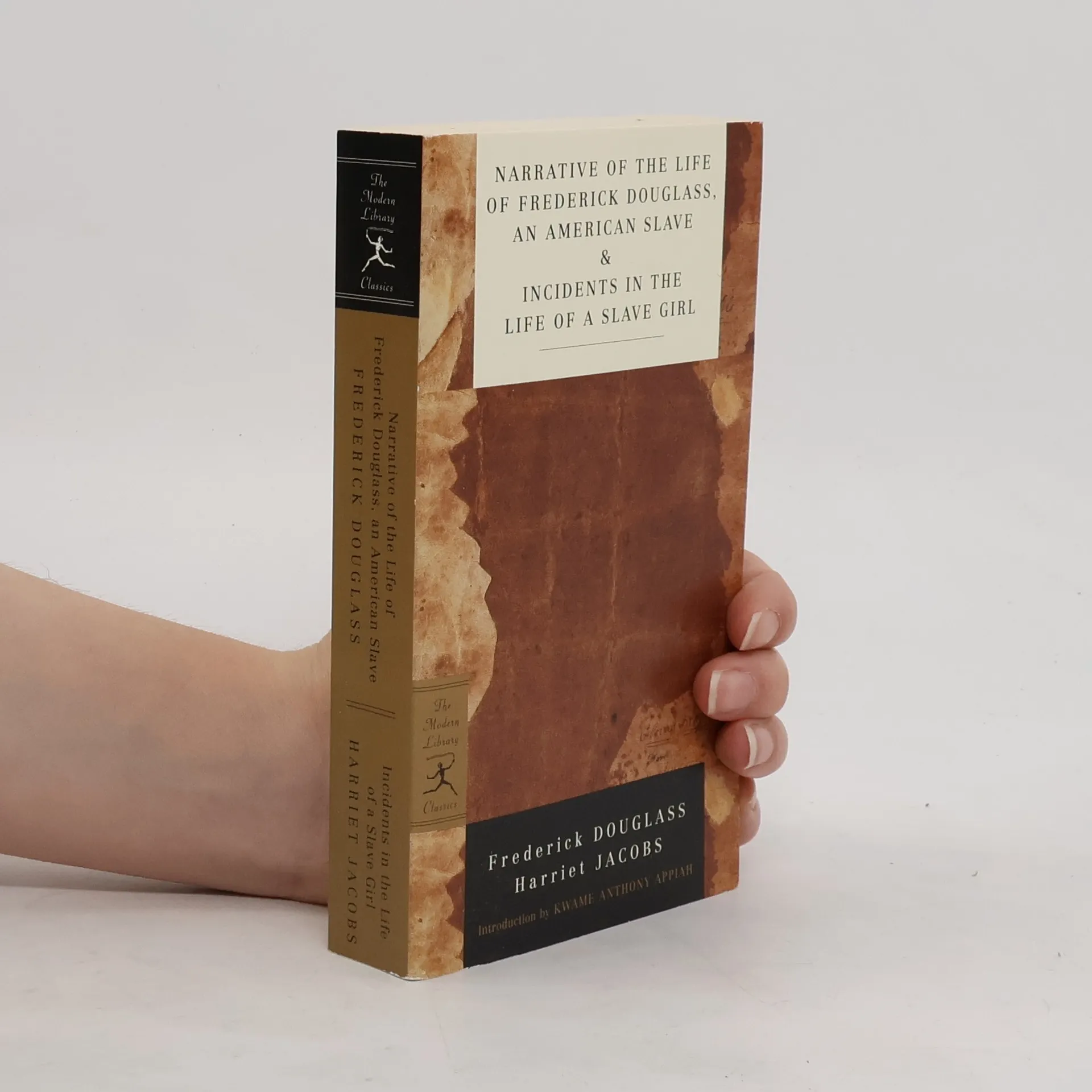
This Modern Library Paperback Classics edition combines the two most important African American slave narratives into one volume. Frederick Douglass's Narrative, first published in 1845, is an enlightening and incendiary text. Born into slavery, Douglass became the preeminent spokesman for his people during his life; his narrative is an unparalleled account of the dehumanizing effects of slavery and Douglass's own triumph over it. Like Douglass, Harriet Jacobs was born into slavery, and in 1861 she published Incidents in the Life of a Slave Girl, now recognized as the most comprehensive antebellum slave narrative written by a woman. Jacobs's account broke the silence on the exploitation of African American female slaves, and it remains crucial reading. These narratives illuminate and inform each other. This edition includes an incisive Introduction by Kwame Anthony Appiah and extensive annotations.
Frederick Douglass, born into slavery around 1817 in Maryland, emerged as a pivotal figure in the fight for African American rights during the nineteenth century. His roles as an abolitionist, newspaper publisher, orator, and statesman highlight his unwavering commitment to achieving freedom and justice for all black Americans, showcasing his profound influence on the movement against oppression.
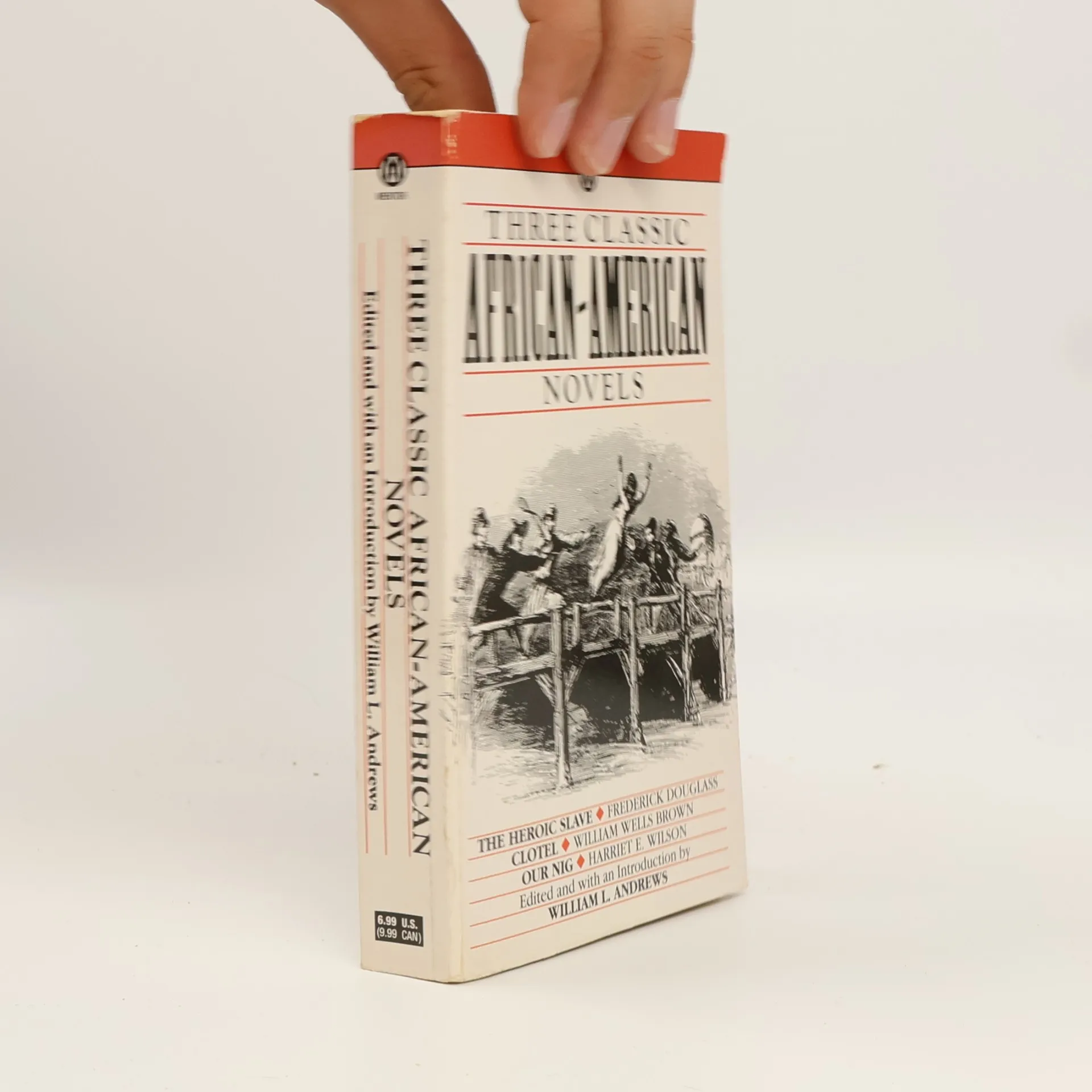
The Heroic Slave
- 44 Seiten
- 2 Lesestunden
The Heroic Slave is the only work of fiction written by Frederick Douglass. The novella is based on a true incident where a slave, Madison Washington, leads a rebellion on board a slave ship. Douglass wrote The Heroic Slave in response to a request from the Rochester Ladies' Anti Slavery Society for a short story to go in their collection, Autographs for Freedom. Frederick Douglass was born in slavery as Frederick Augustus Washington Bailey near Easton in Talbot County, Maryland. As a young boy he was sent to Baltimore, to be a house servant, where he learned to read and write, with the assistance of his master's wife. In 1838 he escaped from slavery and went to New York City, where he married Anna Murray, a free colored woman whom he had met in Baltimore. Soon thereafter he changed his name to Frederick Douglass. In 1841 he addressed a convention of the Massachusetts Anti-Slavery Society in Nantucket and so greatly impressed the group that they immediately employed him as an agent. He was such an impressive orator that numerous persons doubted if he had ever been a slave. His autobiographical works are The Life of Frederick Douglass, an American Slave, Bondage and My Freedom and Life and Times of Frederick Douglass, published in 1855 and 1881 respectively. He died in 1895.
The early literature of African-Americans is an important part of our cultural heritage, and here, collected in one volume, are three of the most significant of these works: The Heroic Slave, Clotel, and Our Nig. These form a milestone collection of the pioneering novels of African-American literature.
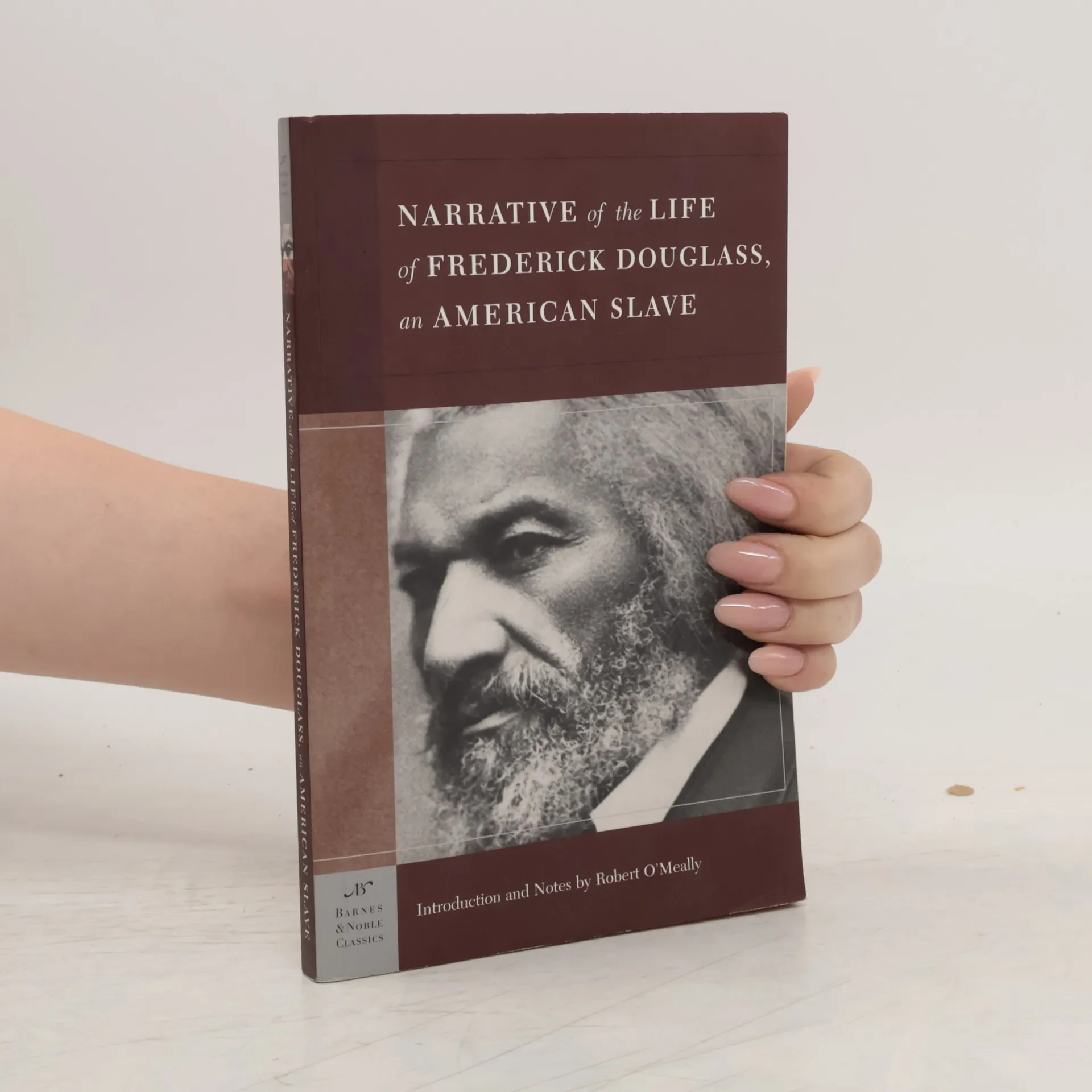
Barnes & Noble Classics: Narrative Of The Life Of Frederick Douglass, An American Slave
- 160 Seiten
- 6 Lesestunden
Incidents in the Life of a Slave Girl Written by Herself and Narrative of the Life of Frederick Douglass, an American Slave By Harriet Jacobs, Frederick Douglass
Seven Slave Narratives, seven books including
Narrative of the Life Of Frederick Douglass An American Slave; My Bondage and My Freedom; Twelve Years A Slave; The Interesting Narrative of the Life of Olaudah Equiano, or Gustavus Vassa, the African; Incide
- 1056 Seiten
- 37 Lesestunden
The collection features seven powerful slave narratives that intertwine harrowing experiences with themes of resilience and hope. Each story offers a unique perspective on the struggles faced by individuals in the context of slavery, highlighting their courage and determination despite overwhelming adversity. These narratives serve as poignant reminders of the human spirit's ability to endure and inspire.
In Frederick Douglass' autobiography My Bondage and My Freedom we can see the power of literacy and belief. Douglass transforms himself from slave to an abolitionist, journalist, orator, and one of the most powerful voices to emerge from the American civil rights movement with little more than force of will. His breadth of his accomplishments gave hope to generations of people who came after him in their fight for civil rights.
The journalism and personal writings of the great American abolitionist and reformer Frederick Douglass číst celé
An autobiographical account of a childhood and youth spent in slavery by a man who became a great abolitionist and leader of anti-slavery activity
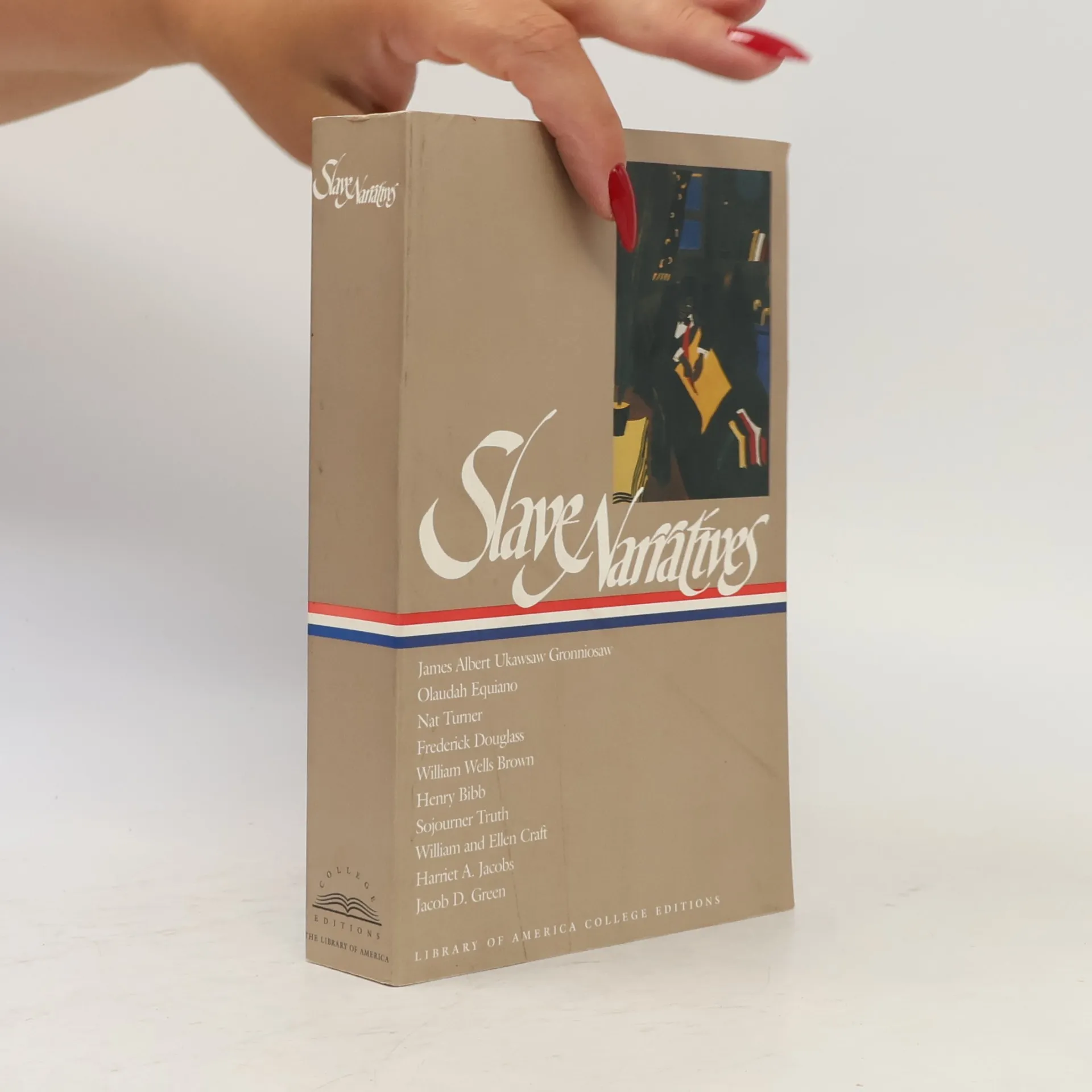
Library of America College Editions: Slave Narratives
- 1045 Seiten
- 37 Lesestunden
The ten works collected in this volume demonstrate how a diverse group of writers challenged the conscience of a nation and laid the foundations of the African American literary tradition by expressing their in anger, pain, sorrow, and courage.Included in the Narrative of the Most Remarkable Particulars in the Life of James Albert Ukawsaw Gronniosaw ; Interesting Narrative of the Life of Olaudah Equiano ; The Confessions of Nat Turner ; Narrative of the Life of Frederick Douglass ; Narrative of William W. Brown ; Narrative of the Life and Adventures of Henry Bibb ; Narrative of Sojouner Truth ; Ellen and William Craft's Running a Thousand Miles for Freedom ; Harriet Jacobs' Incidents in the Life of a Slave Girl and Narrative of the Life of J. D.Green .
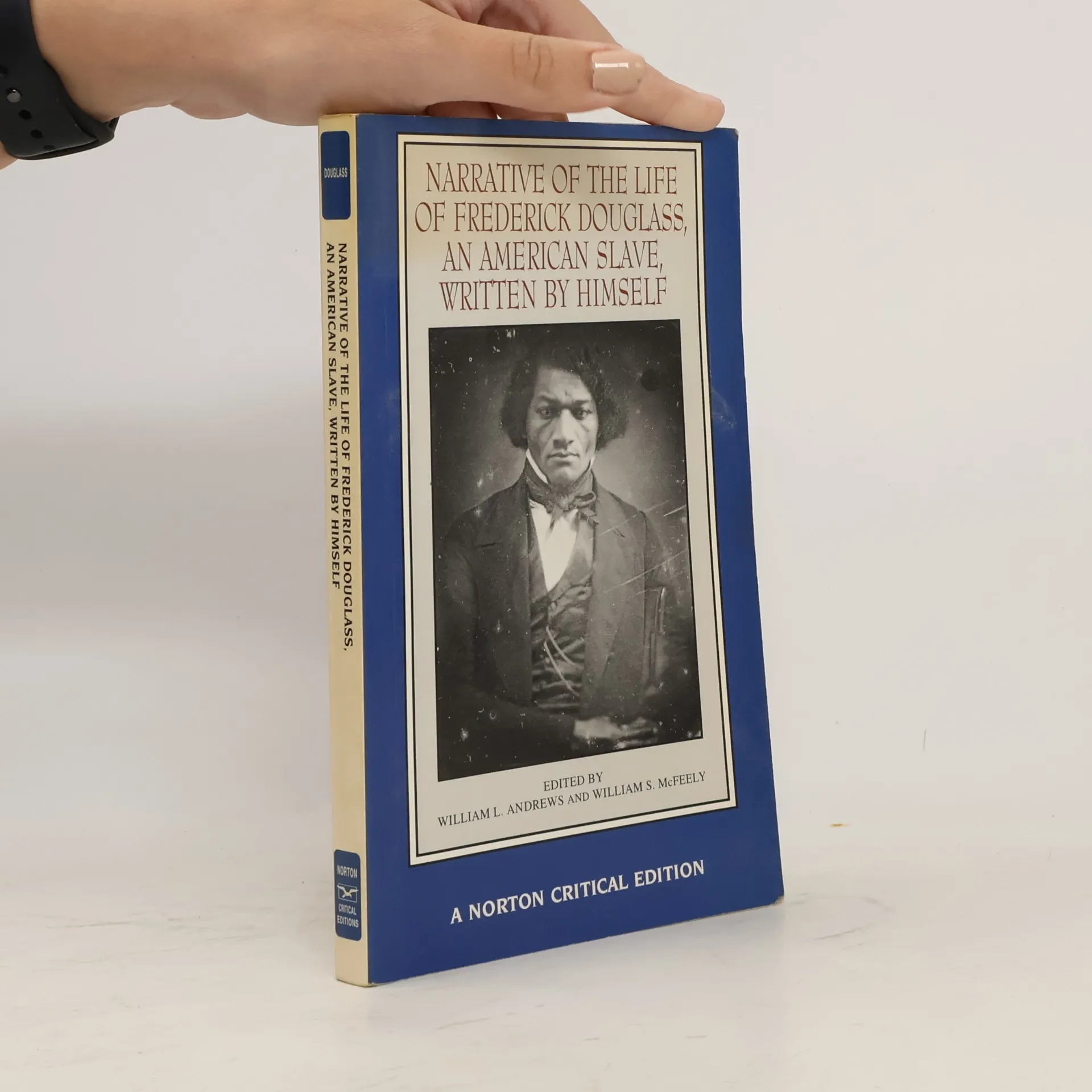
Norton Critical Editions - 0: Narrative of the Life of Frederick Douglass
Authoritative Text, Contexts, Criticism
- 188 Seiten
- 7 Lesestunden
Recounts the life of Frederick Douglass as he recorded it and includes several criticisms of the text.
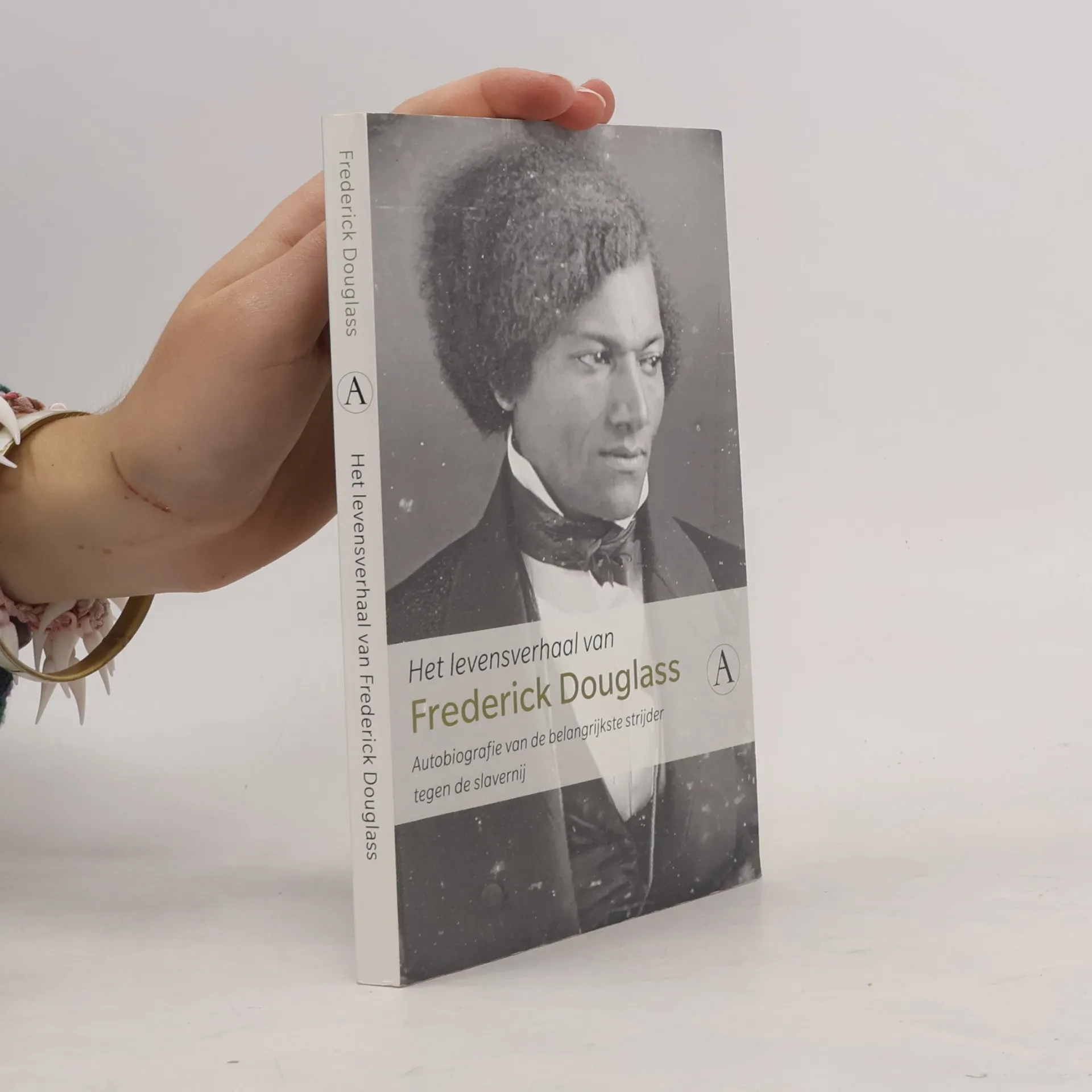
Het levensverhaal van Frederick Douglass
Autobiografie van de belangrijkste strijder tegen de slavernij
- 152 Seiten
- 6 Lesestunden
Autobiografie van een van de belangrijkste zwarte voorvechters van afschaffing van de slavernij in de Verenigde Staten (1818-1895) die zelf aan de slavernij ontvluchtte.