
Bookbot

Spiro Kostof

    7. Mai 1936 – 7. Dezember 1991

    Spiro Kostof war ein führender Architekturhistoriker, dessen Werk für seinen interdisziplinären Ansatz und seinen Fokus auf Stadtentwicklung und die Architektur der gebauten Umwelt bekannt ist. Seine einflussreichen Bücher, die nach wie vor weit verbreitet und in universitären Kursen genutzt werden, untersuchen die Schnittstellen von Urbanismus, Stadtform und architektonischem Erbe. Kostofs Vermächtnis lebt durch eine nach ihm benannte Auszeichnung fort, die Werke fördert, die seine innovative und weitreichende Perspektive auf Architekturgeschichte verkörpern.

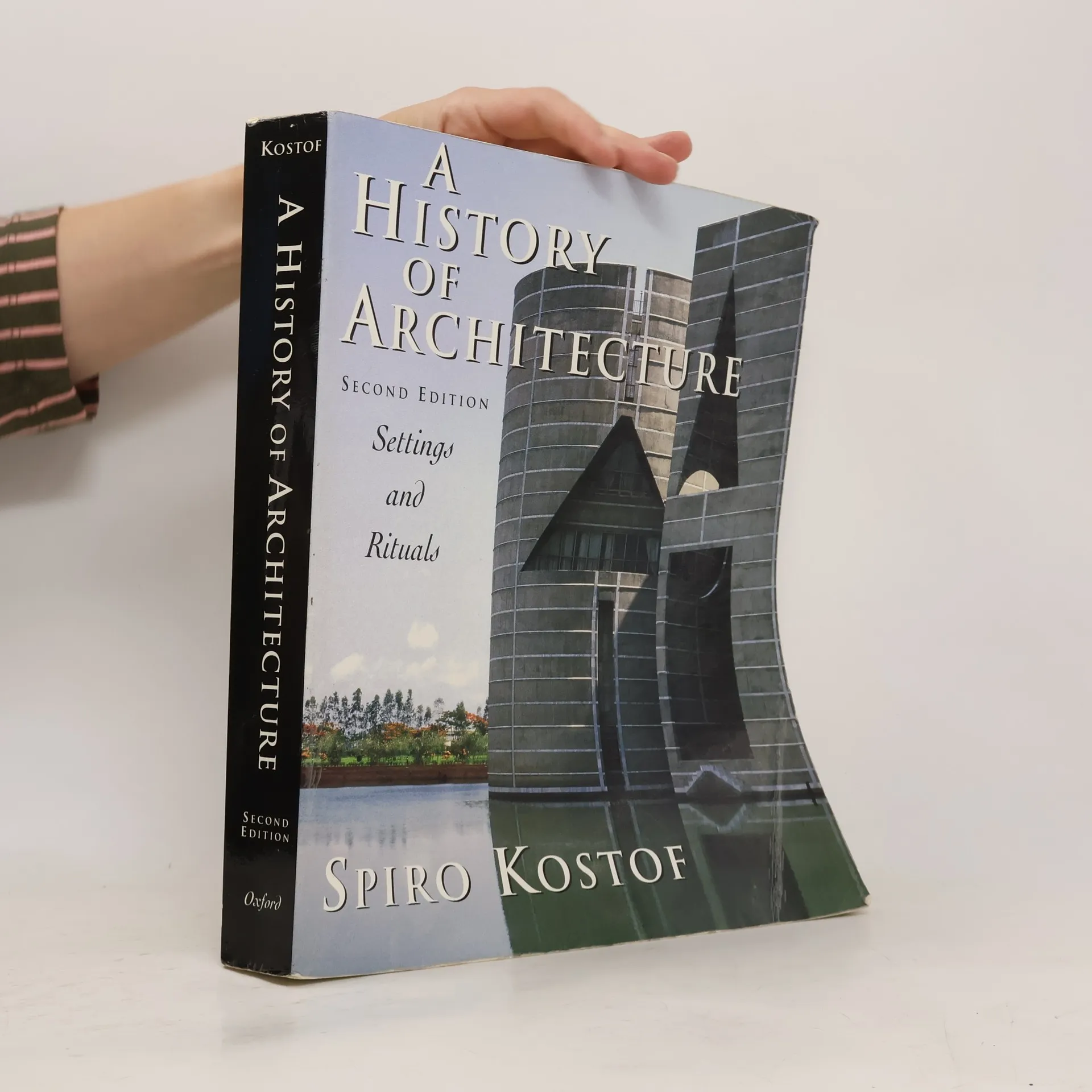
    A History of Architecture
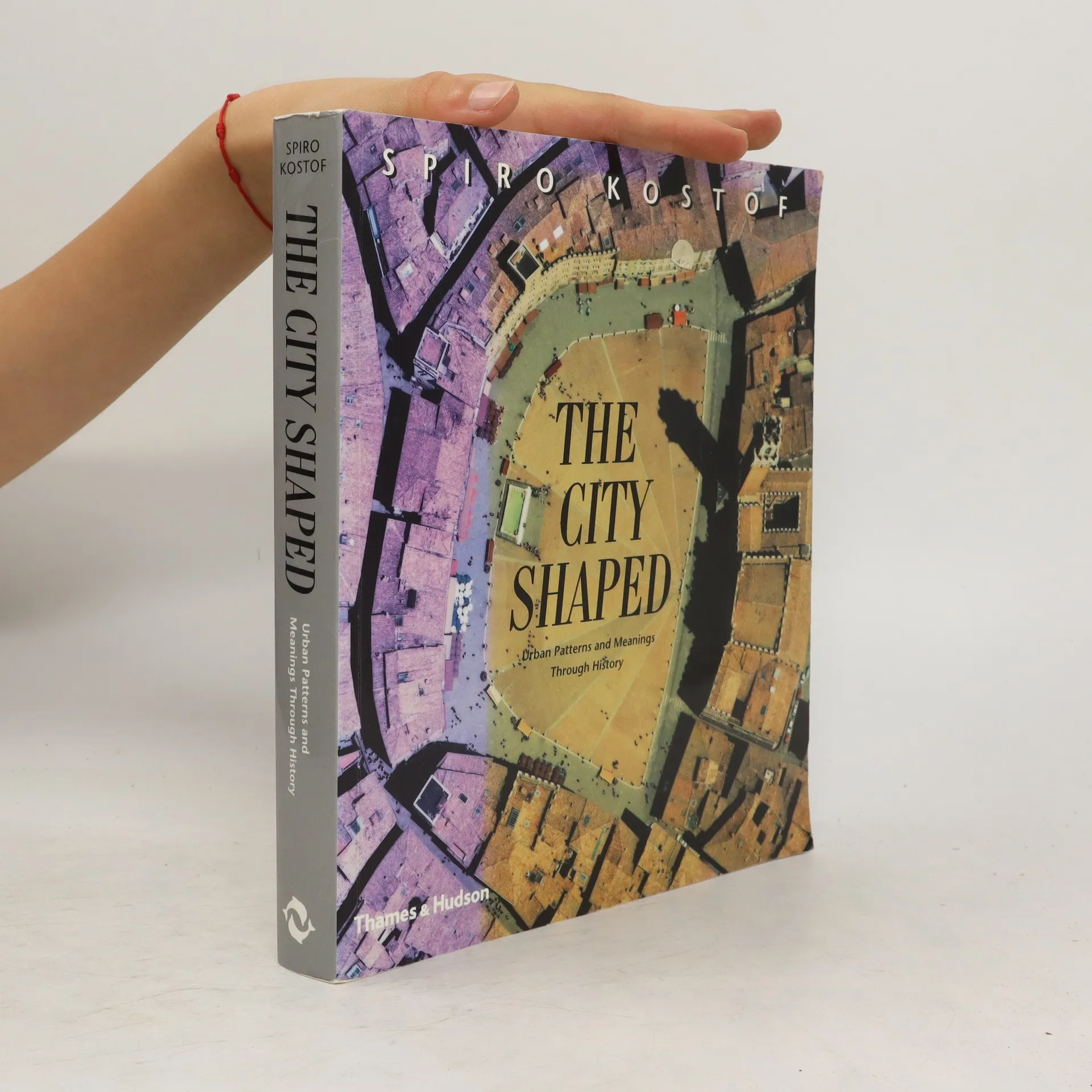
    The city shaped
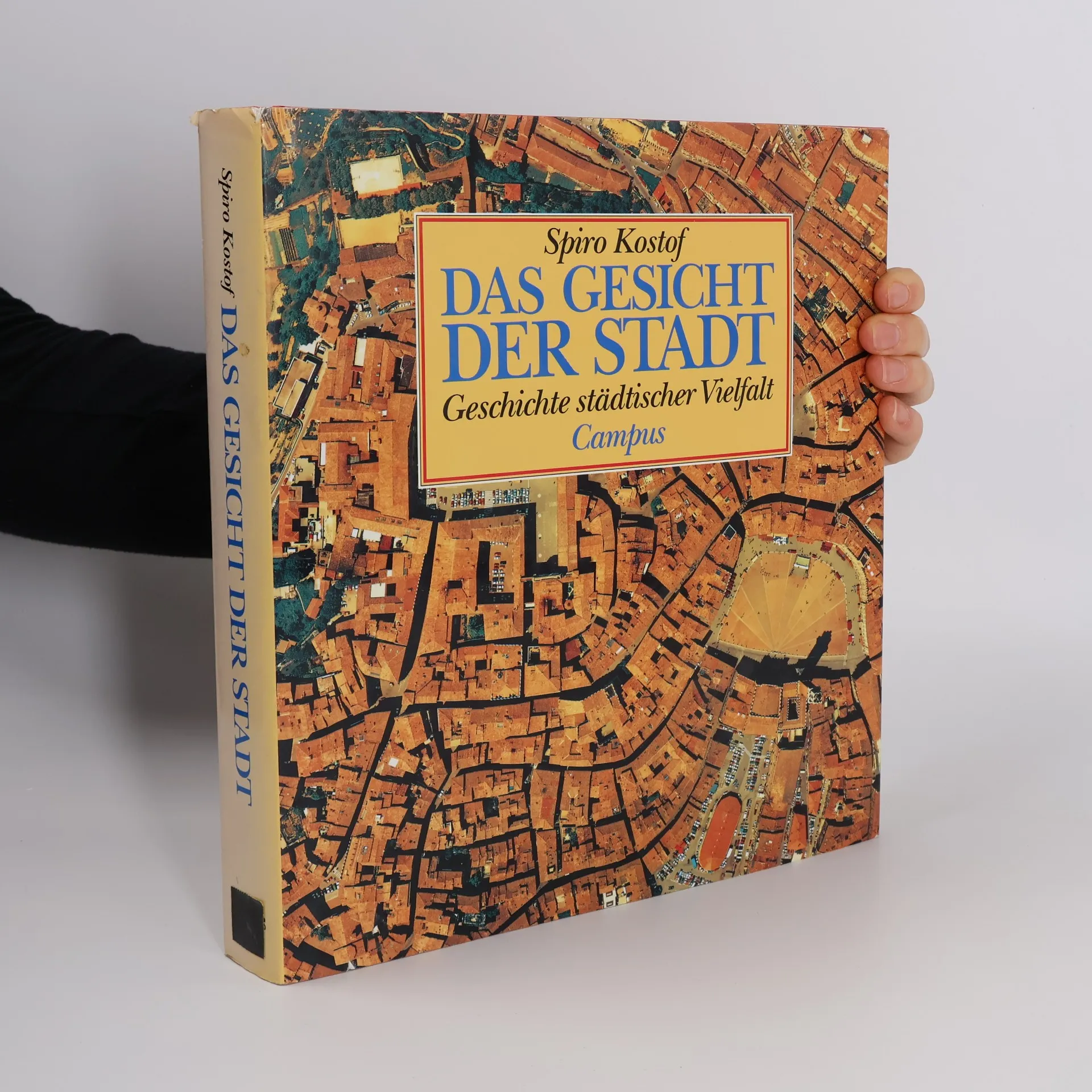
    Das Gesicht der Stadt
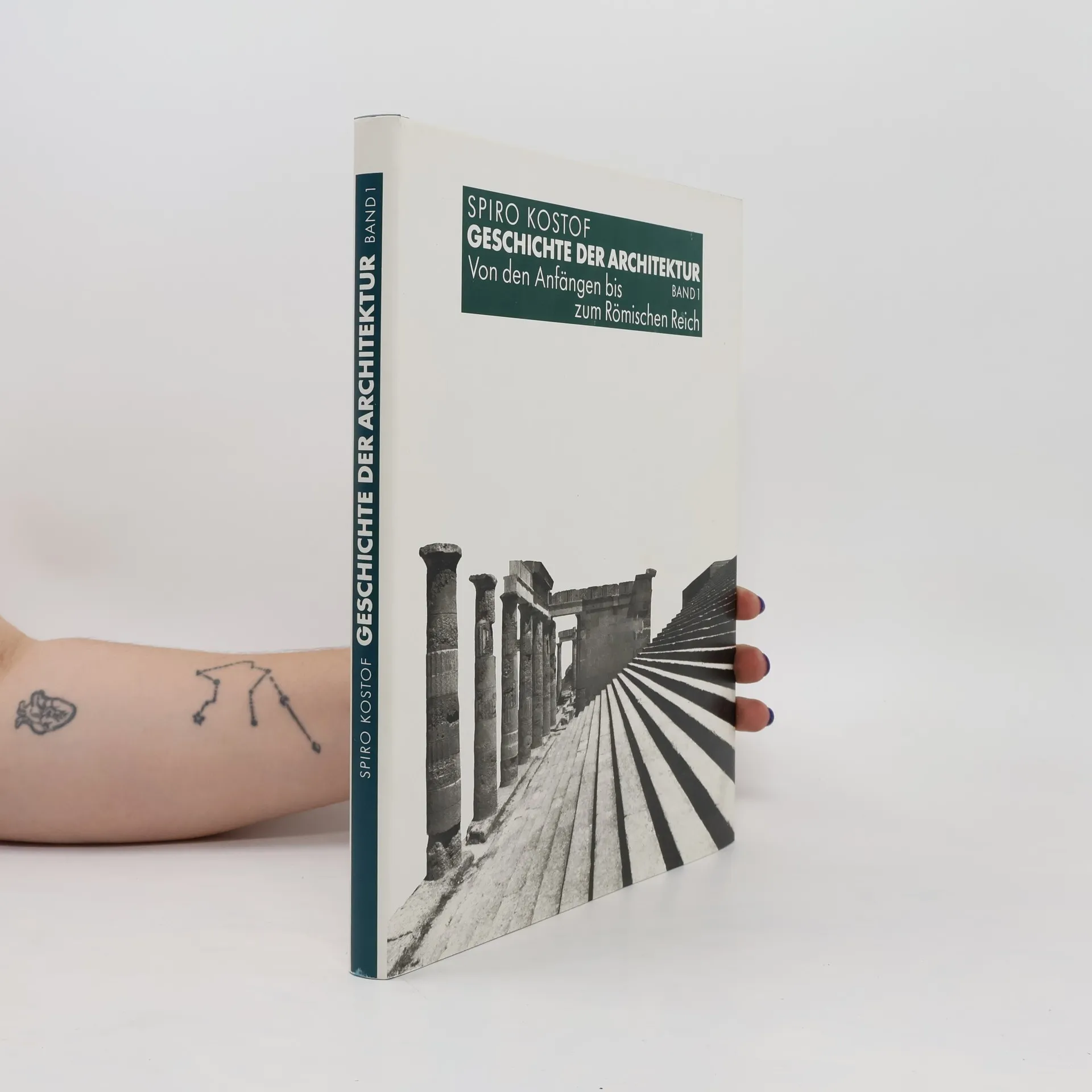
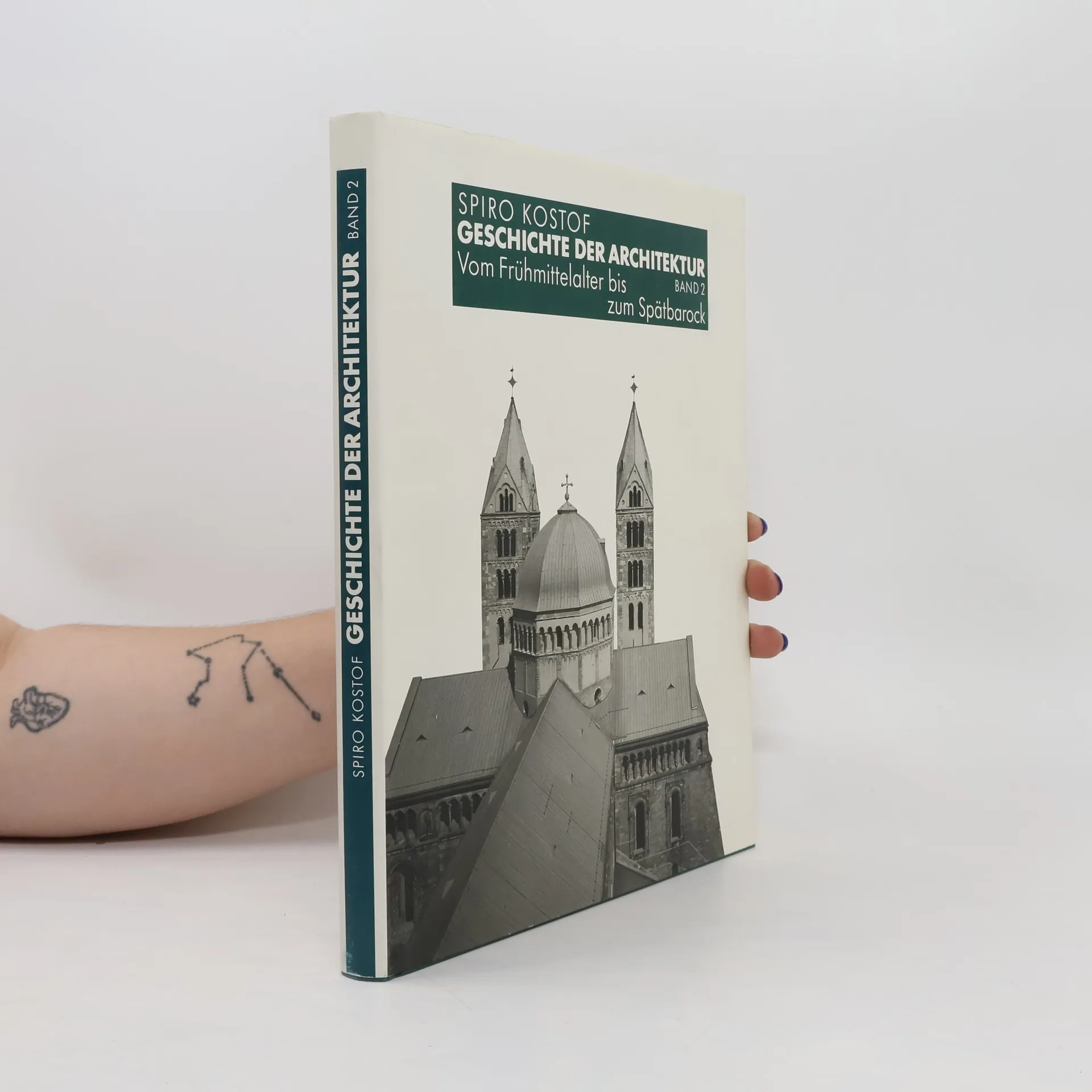
    Geschichte der Architektur
    Geschichte der Architektur 2
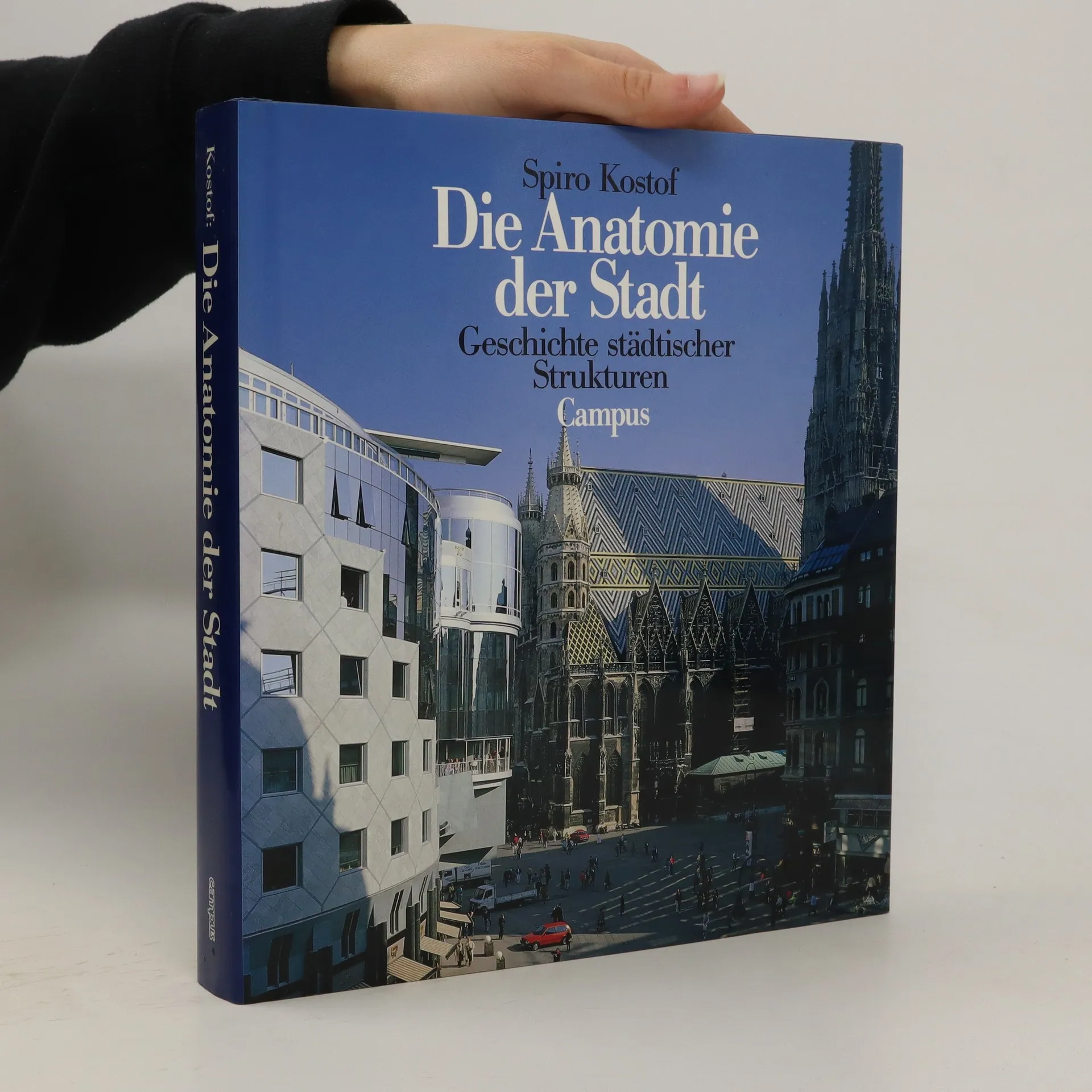
    Die Anatomie der Stadt : Geschichte städtischer Strukturen
    • Kostof folgt mit einer brillanten Studie den grundlegenden Bestandteilen des städtischen Lebens. Alle Städte bestehen aus bestimmten grundlegenden Elementen – Straßen, Parks, öffentlichen Plätzen und Grenzen – und genau diesen alltäglichen Aspekten urbaner Erfahrungen widmet sich dieses Buch. Es bietet ein faszinierendes Verständnis von Mauern, Befestigungen, der Anordnung von Grünflächen und den Randbereichen, in denen Stadt und Land aufeinandertreffen.

      Die Anatomie der Stadt : Geschichte städtischer Strukturen
      4,0
    • The city shaped

      • 352 Seiten
      • 13 Lesestunden

      The book is about the universal phenomenon of citymaking seen in a historical perspective - how and why cities took the shape they did. It focuses on a number of themes - organic patterns, the grid, the city as a diagram, the grand manner, and the skyline - and moves through time and place to interpret the hidden order inscribed in urban patterns.

      The city shaped
      4,2
    • A History of Architecture

      Settings and Rituals

      • 788 Seiten
      • 28 Lesestunden

      Spiro Kostof's groundbreaking work, A History of Architecture: Settings and Rituals, helped to reshape the study of architectural history. His book extended beyond the discussion of great monuments to find connections with ordinary dwellings, urbanism, and different cultures from around the world. World Architecture: A Cross-Cultural History is an entirely new, student-friendly text by Richard Ingersoll. Building on Kostof's global vision and social context, Ingersoll integrates extensive coverage of world and contemporary architecture in order to provide the most comprehensive survey in the field. Presented chronologically, each chapter now focuses on three unique architectural cultures, which gives instructors the flexibility to choose which traditions are the most relevant to their courses. The text also provides students with numerous pedagogical tools, including timelines, comparative maps, a glossary, and text boxes devoted to social factors and specific issues in technology and philosophy. The result is a comprehensive method for understanding and appreciating the history, cultural significance, and beauty of architecture from around the world. FEATURES ** Stunning full-color visuals: More than 800 color photographs, hundreds of original graphics, architectural drawings, and maps, and meticulous diagrams demonstrate how classic buildings were created ** Helpful learning and study tools: New timelines, chapter introductions, text boxes with fascinating case studies, bibliographies, review questions, and a glossary help students identify key information and better prepare them for exams and class assignments ** Free Instructor's Resource CD: PowerPoints and 80% of the 1200 photos and architectural drawings from the text ** Free companion website resources ( www.oup.com/us/ingersoll): Chapter summaries, review questions, self-exams, and Google Earth maps with the location of key structures further enhance the text

      A History of Architecture
      4,1