Ariel Dorfman Bücher
Vladimiro Dorfman ist ein Autor, dessen Werke sich mit den komplexen Themen Menschenrechte und politische Unterdrückung auseinandersetzen. Sein Schreiben zeichnet sich durch scharfe psychologische Tiefe und fesselnde Erzählweise aus. Dorfman verknüpft meisterhaft persönliche Geschichten mit breiteren gesellschaftlichen und historischen Ereignissen. Leser schätzen seine Fähigkeit, Licht in die dunkleren Ecken der menschlichen Erfahrung zu bringen.
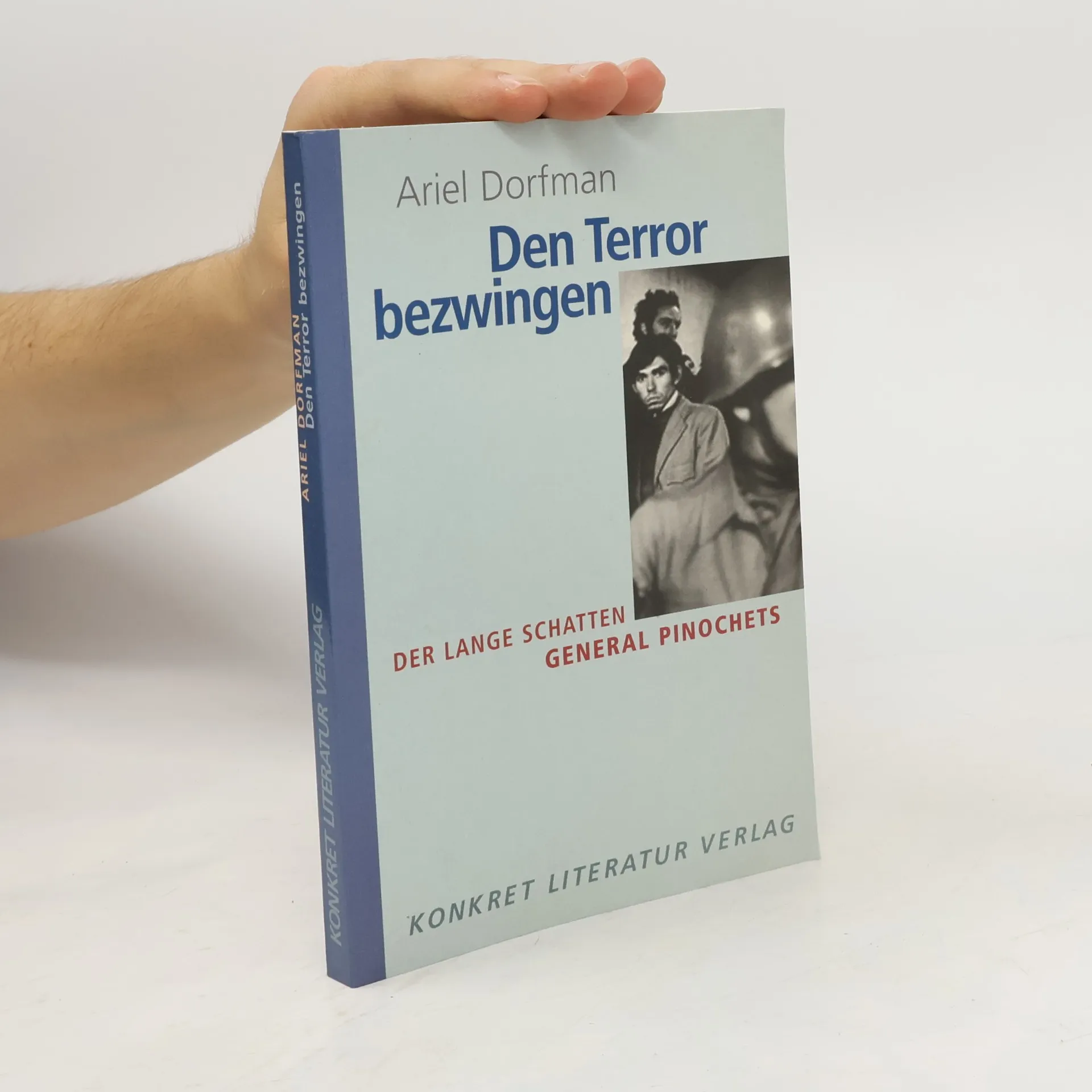
Den Terror bezwingen
- 191 Seiten
- 7 Lesestunden
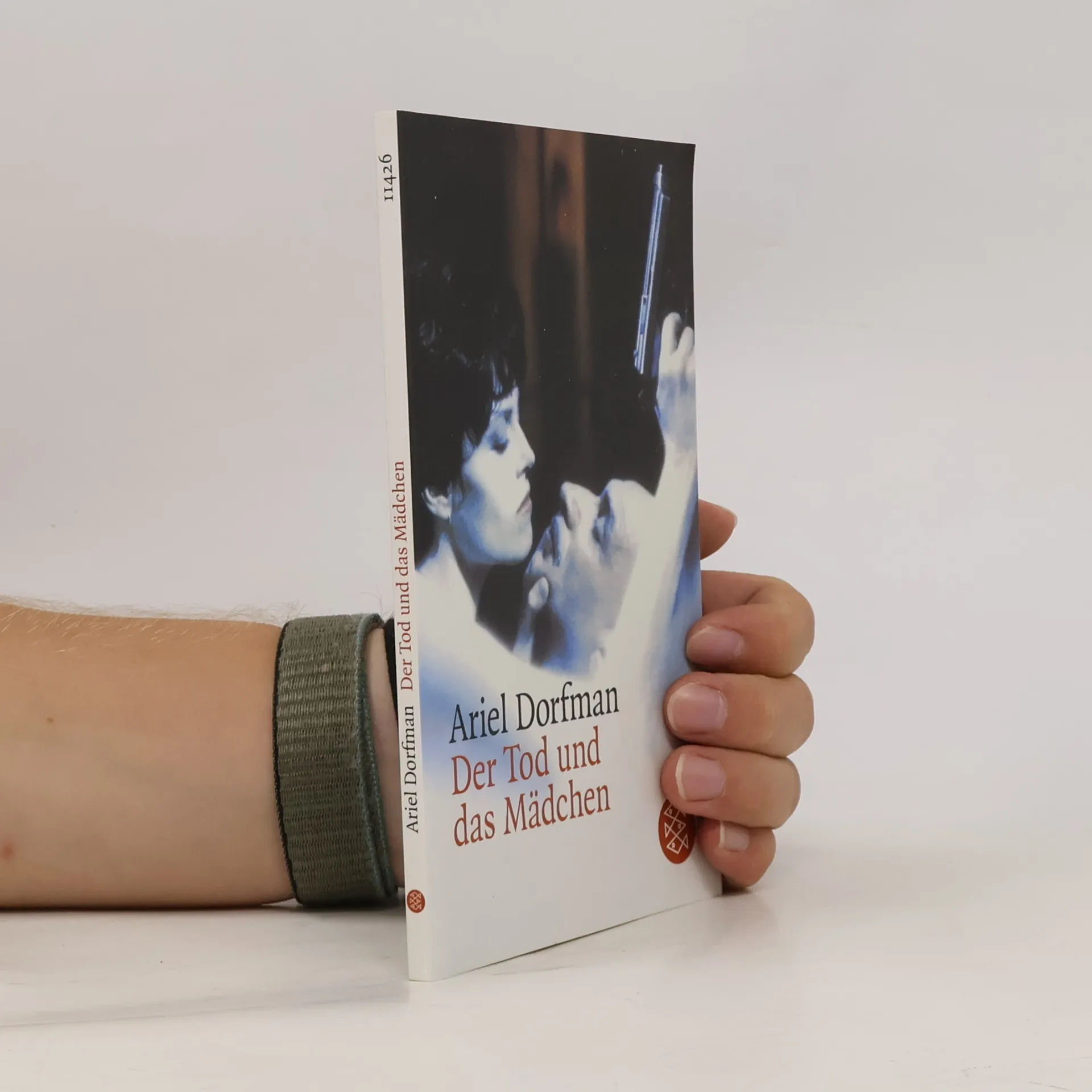
Der Tod und das Mädchen
- 78 Seiten
- 3 Lesestunden
›Der Tod und das Mädchen‹ spielt in einem nicht näher bekannten Land, das nach einer langen Zeit der Diktatur wieder demokratisch regiert wird. In einem Haus am Meer treffen drei Personen aufeinander: Der Rechtsanwalt Gerardo ist gerade von der Regierung zum Vorsitzenden eines Ausschusses ernannt worden, der Folterungen während der Diktatur untersuchen soll. Paulina, seine Frau, ist ein Opfer dieser Folterungen gewesen. Rein zufällig bekommen sie Besuch von einem Dritten: dem Arzt Roberto, an dessen Stimme Paulina ihren Folterknecht zu erkennen meint. Gegen den Willen ihres Mannes überwältigt sie den Gast. fesselt und bedroht ihn mit einer Waffe, um dadurch ein vollständiges Geständnis von dem Mann, der sie damals quälte und vergewaltigte, zu erzwingen.
Eine Frau betritt ein Hotelzimmer. Das Telefon klingelt. Eine männliche Stimme am anderen Ende der Leitung scheint alles über sie zu wissen, bis hin zu den kleinsten Details ihres persönlichen Lebens. Die Frau weiß nicht, wer sich hinter der Stimme verbirgt, aber durch dieses lange Telefonat, durch das tiefe Geständnis des unbekannten Mannes, erfährt sie, dass sie sein Leben entscheidend geprägt hat. Kann sie ihm jedoch vertrauen? Sie hat gerade ihr Heimatland verlassen und ist in diese Stadt gekommen, um ihren Geliebten Martin zu finden, dessen Spur verloren gegangen ist. Sie fürchtet, dass sein Leben in Gefahr ist. Kann die Stimme am Telefon ihr helfen? Und wenn Martin letztendlich sein Heimatland, seine Mission oder sogar sie selbst verraten hat?
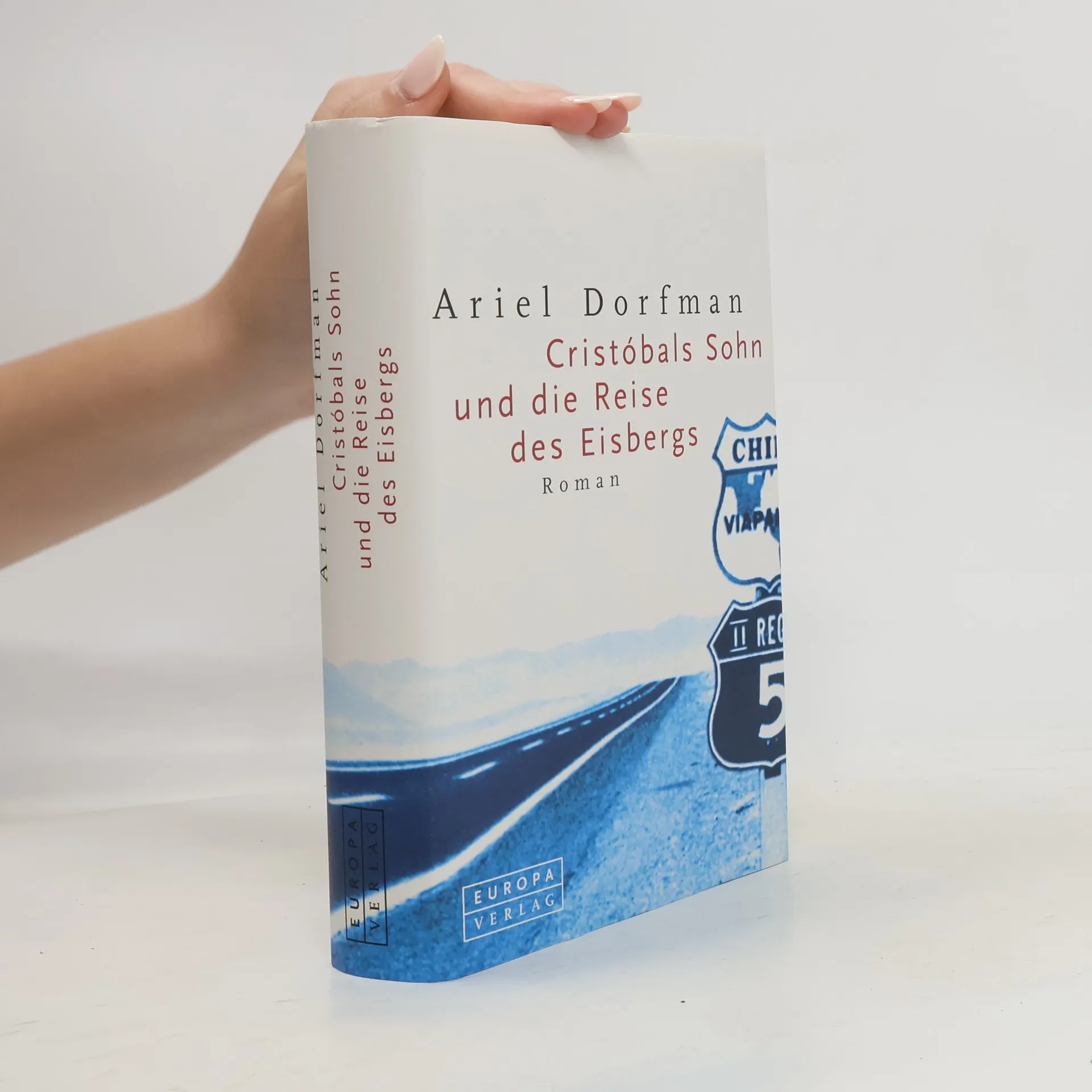
Cristóbals Sohn und die Reise des Eisbergs
- 478 Seiten
- 17 Lesestunden
Der Aufstand der Zauberhasen
- 61 Seiten
- 3 Lesestunden
Die Wölfe haben im Land der Hasen die Macht an sich gerissen. Doch während der Wolfskönig durch Unterdrückung seine Diktatur zu sichern sucht, sorgen die Hasen aus dem Untergrund dafür, nicht in Vergessenheit zu geraten.
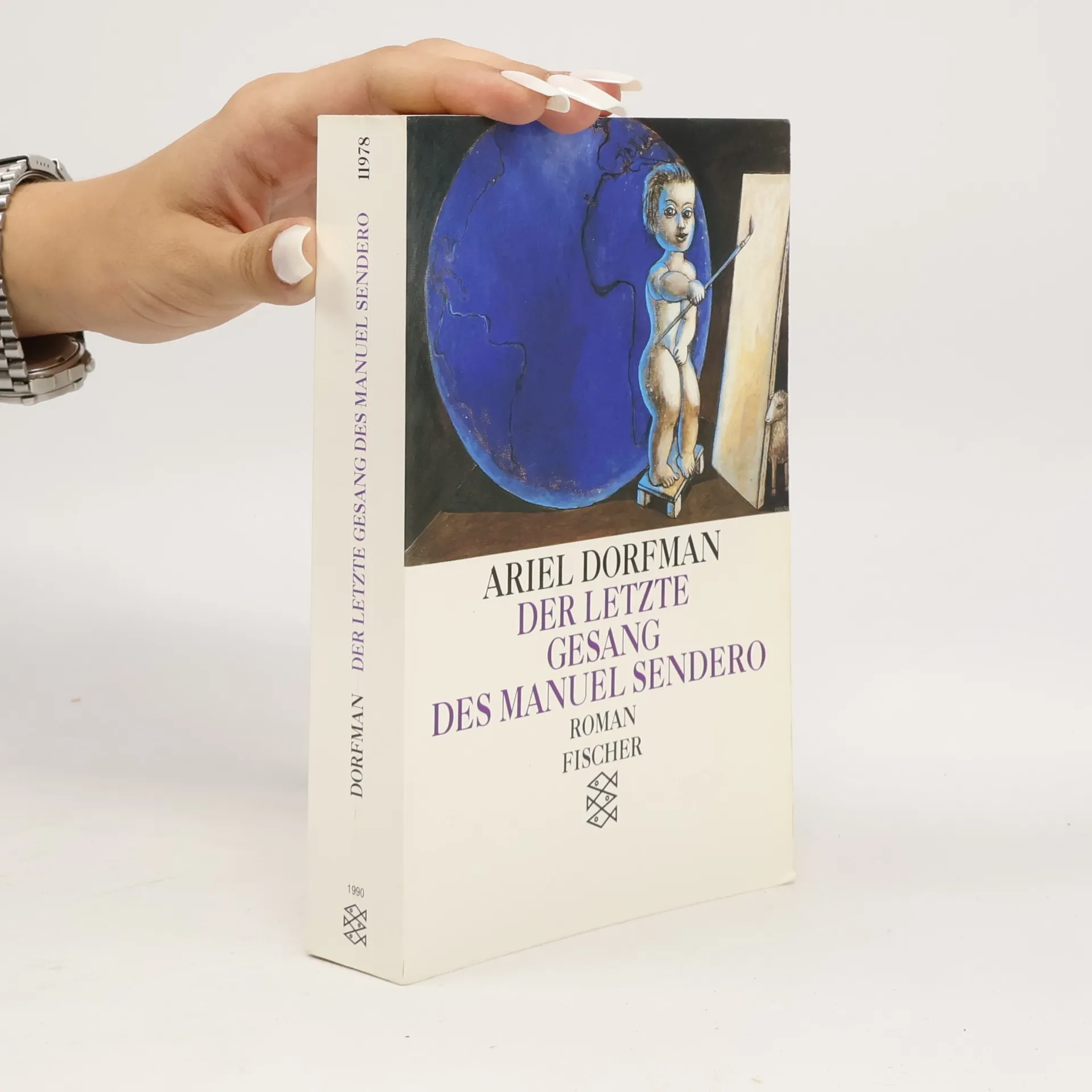
Der letzte Gesang des Manuel Sendero
- 533 Seiten
- 19 Lesestunden
German, Spanish (translation)
King Penguin: Widows
- 160 Seiten
- 6 Lesestunden
"One by one, men's bodies are washing up on the shore of the river that passes through town, where they are claimed by the local women as their missing husbands and fathers, even though the faces of the dead men are unrecognizable. A tug-of-war ensues between the local police, who insist that the women couldn't possibly recognize their loved ones, and the women demanding the right to bury their beloveds." Set in a Greek village in 1942, here is Ariel Dorfman's haunting and universal parable of individual courage in the face of political oppression. Widows is a testament to the countless people who are taken away for questioning and never return, and a tribute to those whose fierce defiance ensures that the dead are not forgotten.
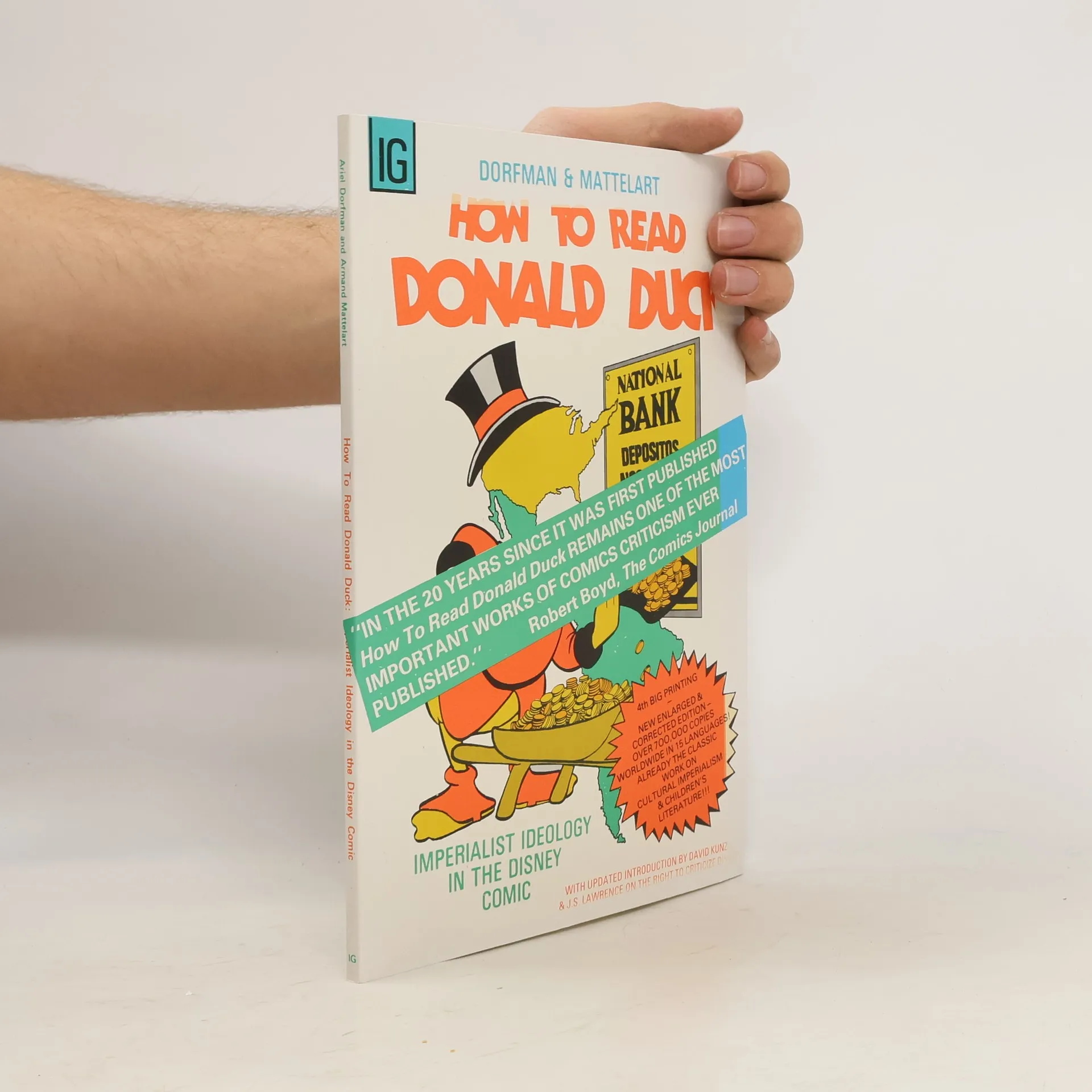
How to Read Donald Duck
Imperialist Ideology in the Disney Comic - New Enlarged & Corrected Edition, With Updated Introduction by David Kunz & J.S. Lawrence on the Right to Criticize D
- 119 Seiten
- 5 Lesestunden
The classic, critical and humorous study of cultural imperialism and children's literature; how the Disney fantasy world reproduces the "American Dream" fantasy world, and the disastrous effect of Disney comics and other "mass" cultural merchandise on the development of the so-called "Third" World. In 1973 this work was banned and burned in Chile, and later the English edition was banned for more than a year by the US government. In comic book format with cartoon examples, introduction by David KUNZLE on the Disney world, a bibliography of left writings on cultural imperialism and the comics, and an appendix by John Shelton LAWRENCE on the book's US censorship and the legal-political issues involved in the right to criticize Disney
Niania i góra lodowa
- 512 Seiten
- 18 Lesestunden
Intensely personal and often moving, this is the story of a life battered by political vagaries, confused by competing languages and, eventually, held together by a need to write."--"New York Times Book Review."