
Gratis Versand ab 14,99 €. Mehr Infos.
Bookbot

John Gledson

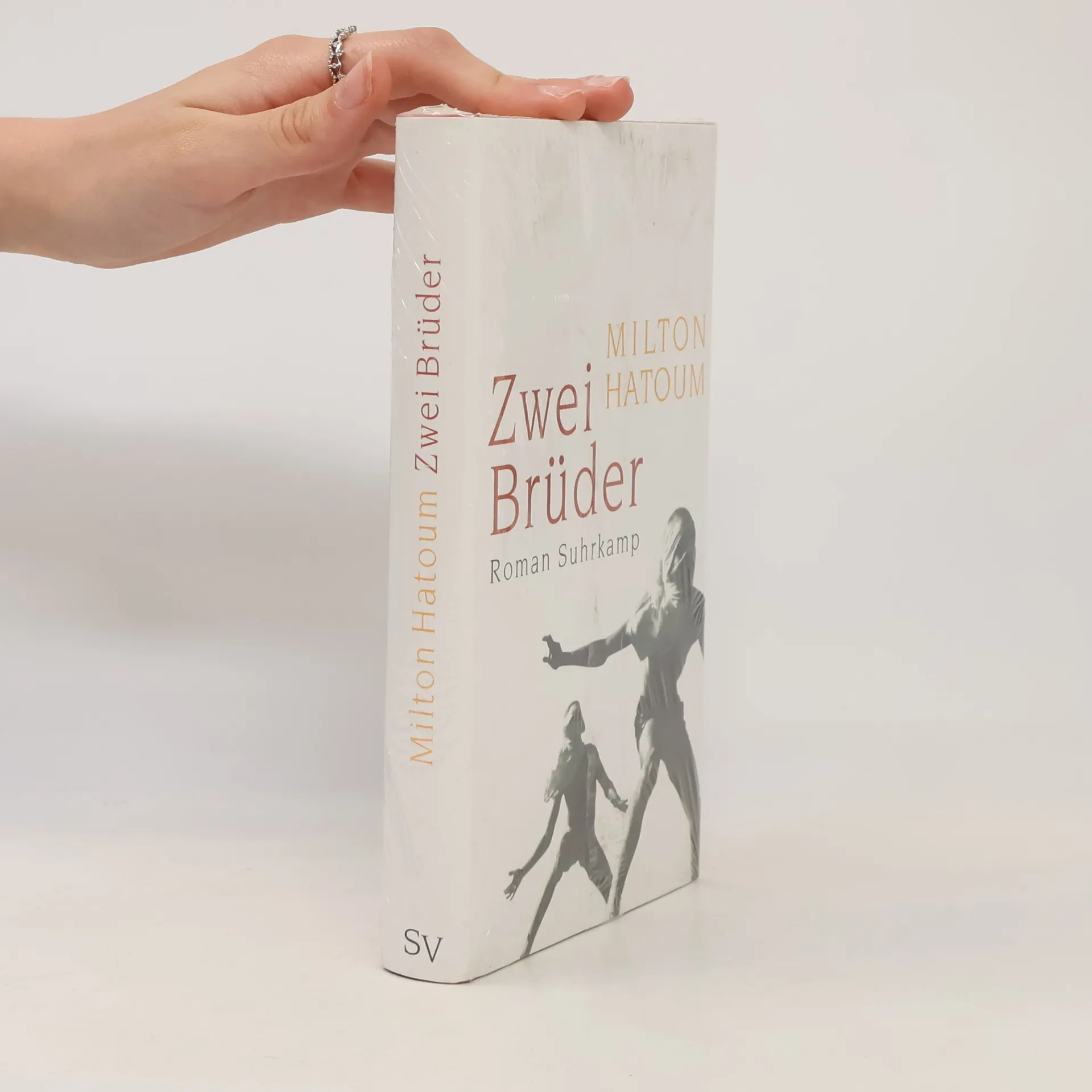
    Zwei Brüder
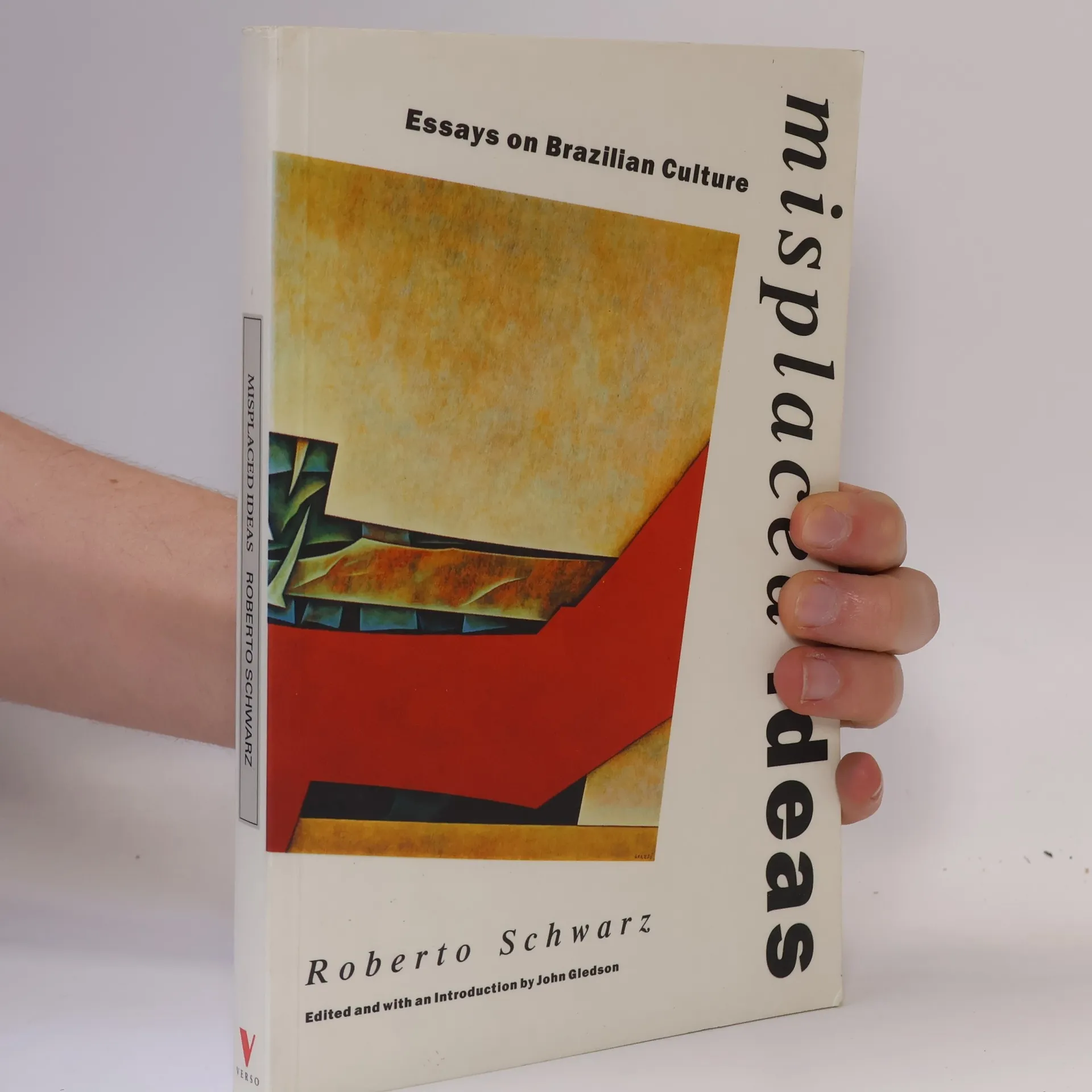
    Critical Studies in Latin American Culture: Misplaced Ideas
    • Zwei Brüder

      • 252 Seiten
      • 9 Lesestunden

      Milton Hatoum wurde am 19. August 1952 als Kind libanesischer Einwanderer im brasilianischen Manaus geboren. 1968 verließ er seine Heimatstadt, lebte für kurze Zeit in Brasília und ging dann nach São Paulo, wo er Architektur studierte. 1979 kam er mit einem Stipendium nach Madrid und Barcelona, anschließend als Postgraduierter an die Sorbonne in Paris. 1984 kehrte er nach Manaus zurück und unterrichtete französische Literatur an der Universidade Federal do Amazonas sowie als Gastdozent brasilianische Literatur an der University of California in Berkeley. Seit 1999 wohnt er wieder in São Paulo. 1989 erschien sein erster Roman Relato de um certo Oriente (dt. Emilie oder der Tod in Manaus, Piper, München 1992, bzw. Brief aus Manaus, Suhrkamp, Frankfurt 2002), für den er 1990 den angesehenen brasilianischen Jabuti-Literaturpreis erhielt und internationale Anerkennung gewann. Dois irmãos (dt. Zwei Brüder, 2002) ist der in Brasilien lang erwartete zweite Roman von Milton Hatoum, der 2000 in São Paulo erschien und für den er im folgenden Jahr ebenfalls den Jabuti-Preis bekam. Die beiden Bücher von Hatoum spielen im Spannungsfeld zweier Welten: der tropischen des Amazonasgebietes und der orientalischen der libanesischen Einwanderung. Vor dem Hintergrund des teilweise gewaltsamen Eindringens moderner Lebensmuster geben sie einen aufschlußreichen Einblick in die brasilianische Wirklichkeit.

      Zwei Brüder2003
      4,2
    • Critical Studies in Latin American Culture: Misplaced Ideas

      Essays on Brazilian Culture

      • 224 Seiten
      • 8 Lesestunden

      How can Latin Americans understand their past? Do ideologies which have been imported from Europe necessarily distort their view, or is that to underrate the power and objectivity of the ideas themselves? These questions are at the heart of this selection of essays, spanning twenty years of critical work on history, culture and identity, by one of the foremost Latin American intellectuals of our time. Roberto Schwarz’s writings have had a profound effect throughout Latin America. This is the first volume of those writings to appear in English. Taking its title from what has probably been Schwarz’s most influential essay, Misplaced Ideas first examines the slave-owning Brazil of the nineteenth century, to show the persistent gap between liberal ideology based on the free market, and the reality of forced labour. The essays which follow range across the nineteenth and twentieth centuries, and across film and fiction, theatre and music. They include four pieces on the great novelist Machado de Assis, and a powerful essay on the sometimes bizarre ways Brazilian culture reacted to the imposition of military rule. Throughout, Schwarz continually demonstrates the wit and sharpness which make his writings both a challenge and a pleasure to read.

      Critical Studies in Latin American Culture: Misplaced Ideas1992
      4,2