
Gratis Versand ab 14,99 €. Mehr Infos.
Bookbot

Carlos A. Schwantes

    In Mountain Shadows
    Railroad Signatures Across the Pacific Northwest
    • Carlos Schwantes reflects on his childhood memories of trains, expressing gratitude for their presence. His lifelong fascination, combined with a historian's perspective, has led to a groundbreaking photohistory that explores the railroads' profound impact on daily life in Oregon, Washington, Idaho, and Montana. The vast deserts and dense forests of the Pacific Northwest remained isolated until the railroads carved their paths, bringing significant social and economic transformations. Farmers in the Palouse gained access to eastern markets, while larger quantities of logs and ore reached distant mills. Willamette Valley fruit growers found new consumers, and scenic destinations like Mount Rainier and Glacier National Park attracted eager tourists. The railroads not only facilitated settlement and tourism but also helped shape the region's identity. Schwantes chronicles the intricate and often tumultuous histories of major railroads like the Northern Pacific and the Great Northern, as well as smaller lines such as the Sumpter Valley. He profiles influential figures like Henry Villard and James J. Hill, whose ambitions shaped the railroads and, in turn, the region. The engaging text is complemented by over 200 photographs, many unpublished, showcasing the trains, towns, and landscapes of the Northwest, along with vibrant posters and brochures used to attract settlers and tourists.

      Railroad Signatures Across the Pacific Northwest1993
      3,5
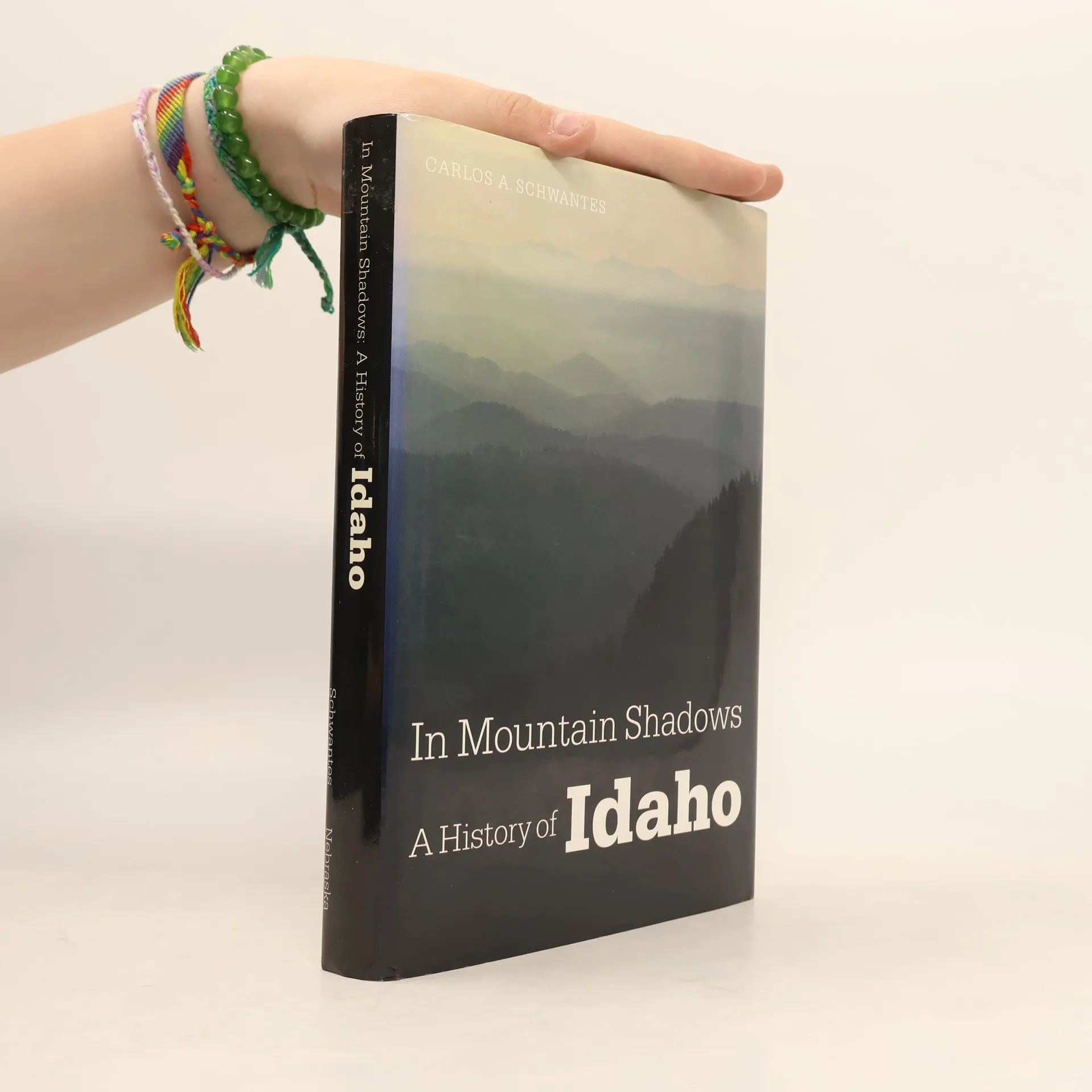
    • In Mountain Shadows

      A History of Idaho

      • 308 Seiten
      • 11 Lesestunden

      Idaho is now recognized as one of the most intriguing states in the Union, a perspective enriched by this expertly crafted history. Carlos A. Schwantes explores the divisions among Idahoans shaped by geography, transportation, religion, and history. He humorously suggests that the state motto could be "Divided We Stand," yet highlights a shared appreciation for avoiding crowds and enjoying life near scenic landscapes. Schwantes traces Idaho's history back to 1805, when Lewis and Clark were among the first white explorers in the region. He details the Indigenous peoples of the Great Basin and Plateau and follows the evolution of the territory from fur traders and missionaries to overland emigrants, culminating in its establishment as a state in 1890. The tumultuous territorial years were marked by vigilantism, Indian wars, and tensions with Mormons and Chinese immigrants, leading to further challenges during statehood, including economic downturns and political unrest. The advent of automobiles promised to reduce isolation, but the challenging terrain hindered the development of infrastructure. Despite these obstacles, Idaho's future was shaped by engineering achievements like irrigation systems and hydroelectric plants. Schwantes' narrative extends through the Great Depression, World War II, and the Cold War, capturing everyday life, notable figures, political and economic cycles, and ongoing trends.

      In Mountain Shadows1991