

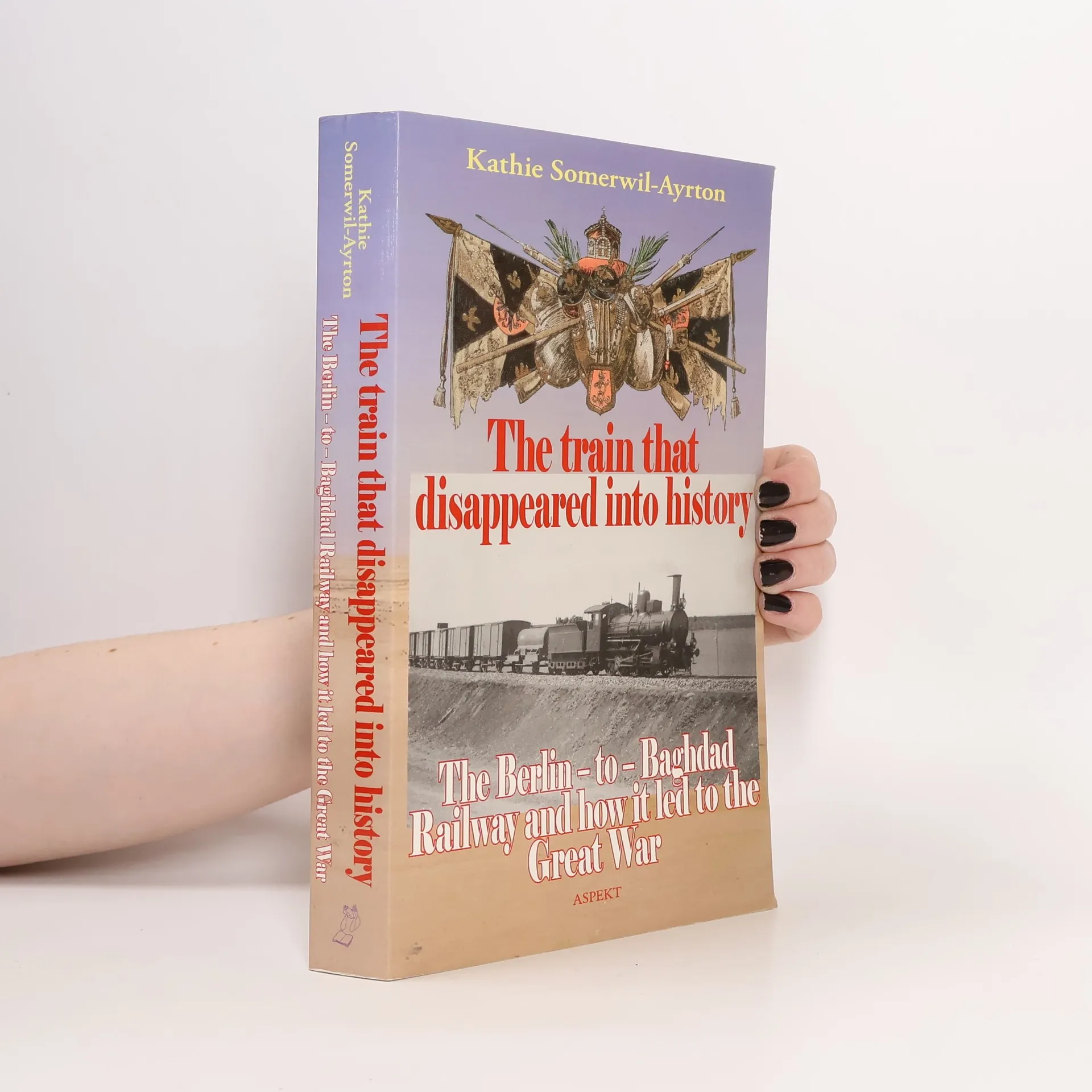
The Train That Disappeared Into History
The Berlin-To-Baghdad Railway And How It Led To The Great War
- 344 Seiten
- 13 Lesestunden
The story centers on the railway the Germans were constructing from Constantinople to Baghdad just before World War I. This ambitious project, known as the Berlin-to-Baghdad railway, was envisioned as a ‘Pan-Railway’ extending from Hamburg to Baghdad and eventually to Basra and the Persian Gulf. Covering a distance of four thousand kilometers, plans included extending it to Bombay, a target of German interest. Conceived in the late 1880s and funded mainly by Deutsche Bank, construction began in 1903. By 1916, despite significant political and logistical challenges, the railway was nearing completion, with issues involving France and Britain resolved just before the war. However, after the Allied victory in 1918 and the collapse of the German, Austro-Hungarian, and Ottoman Empires, the railway ceased to exist, its rails becoming property of the newly formed states in the region. The narrative explores the railway's route through various countries, highlighting forgotten historical contexts such as the Great Game, the rivalry between Russia and Britain, and the influence of American missionaries. It introduces colorful figures like the Irish-American journalist MacGahan and intrepid British travelers. The railway's significance, particularly regarding the oil regions, heightened political tensions and contributed to the rise of nationalism, ultimately becoming a catalyst for the Great War. The book draws parallels between the h