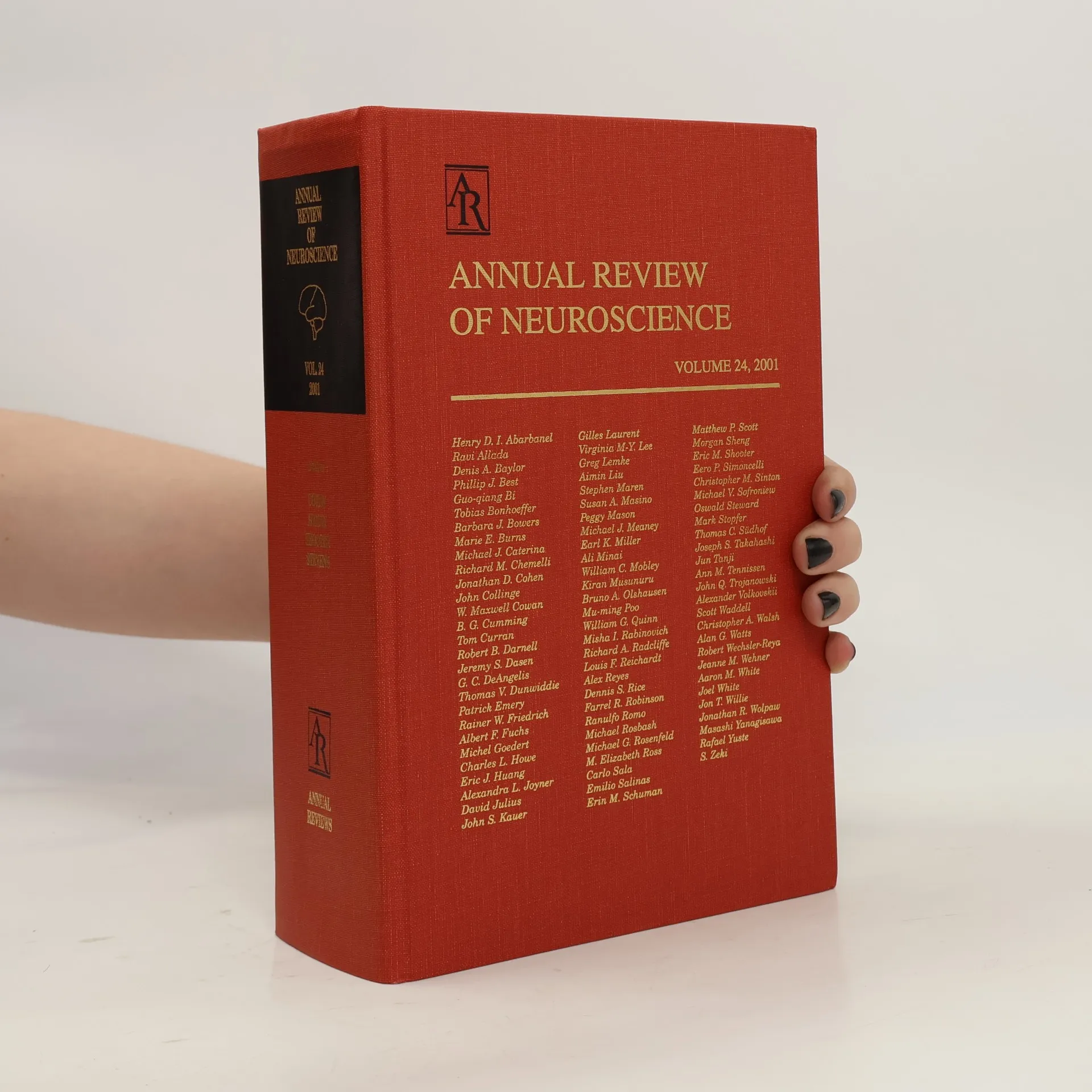
Annual Review of Neuroscience, Volume 24
- 1350 Seiten
- 48 Lesestunden
Ex- library stamps in the usual places. Clean bright and tight.



Ex- library stamps in the usual places. Clean bright and tight.
Forty-one articles are presented, comprising an important report of developments in the field and a review of progress. It is, therefore, a disappointment to note that this highly respected publisher has allowed its production department to perfect bind Neuroscience and to hide that cheaper technique by notch adhesive binding: the signatures are left intact with the gutter edge cut through at several places to allow adhesive to reach part of each page. The head & tail remains not notched to give the appearance of intact signatures as in Smythe sewn binding. This deception results in a weaker binding than if the whole gutter edge were cut (to allow the glue to adhere to the entire inner edge of each page). At least Annual Reviews continues to bind in book cloth. Annotation c. Book News, Inc., Portland, OR (booknews.com)
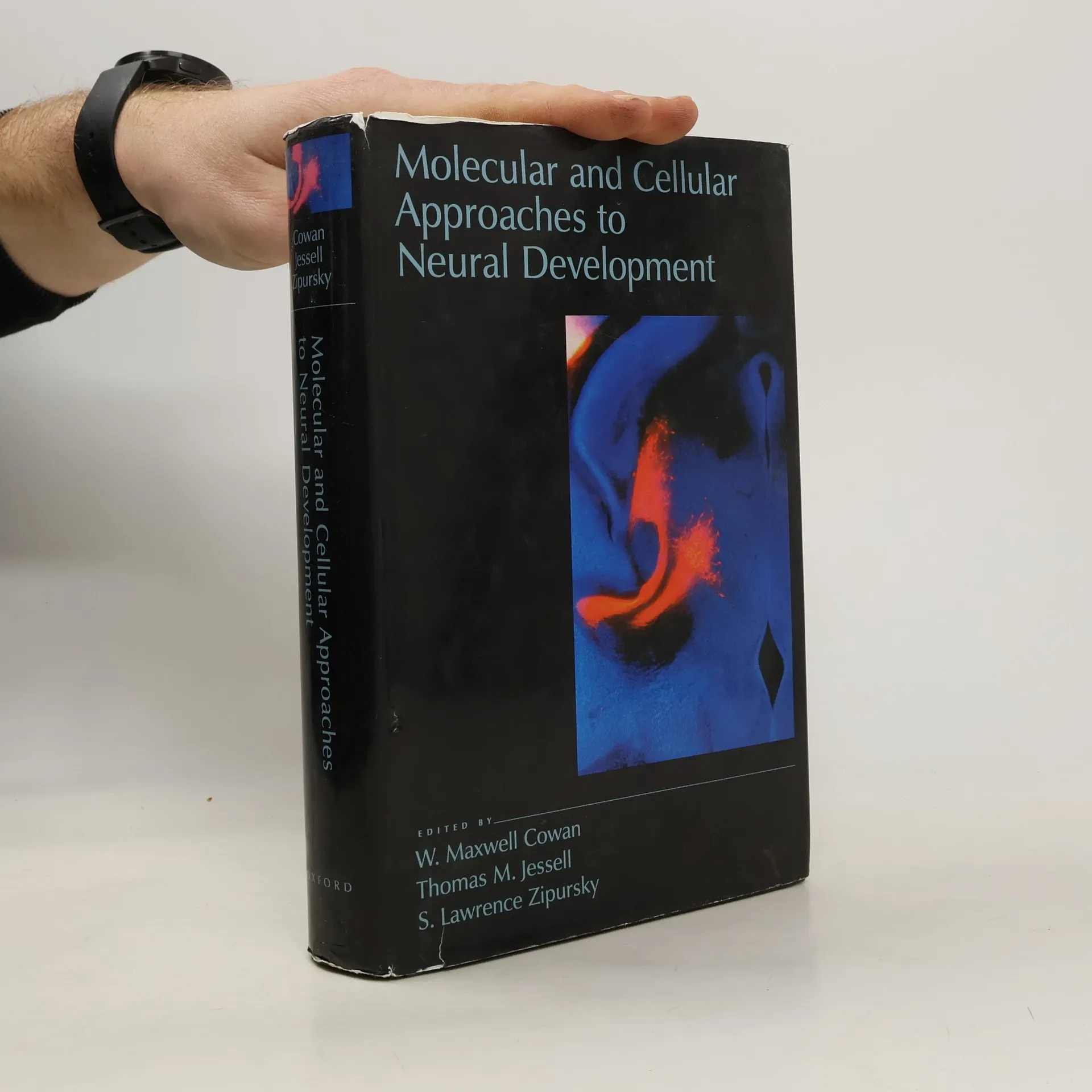
This comprehensive and authoritative volume explores recent advances in understanding early neural development at molecular and cellular levels. The authors detail applications of molecular genetic methods in studying neural induction, neuronal phenotypes, and specific connection patterns. They analyze new information from modern techniques for identifying, cloning, deleting, and introducing specific genes, as well as for labeling neuronal or glial precursors and imaging individual neurons or parts of neurons. Chapters highlight the use of various model organisms, including fruit flies, nematode worms, zebrafish, Xenopus frogs, chicks, and mice. The improved conservation of DNA and protein sequences, along with accessible gene and protein databases, allows for rapid identification of gene homologues across species separated by significant evolutionary distances. Several chapters feature collaborations between researchers specializing in vertebrates and invertebrates, illustrating that despite differences in nervous system structure, many molecular players and cellular processes are conserved. This volume is of great practical interest to researchers, graduate students, and post-doctoral fellows in developmental, cell and molecular biology, genetics, and neuroscience.