

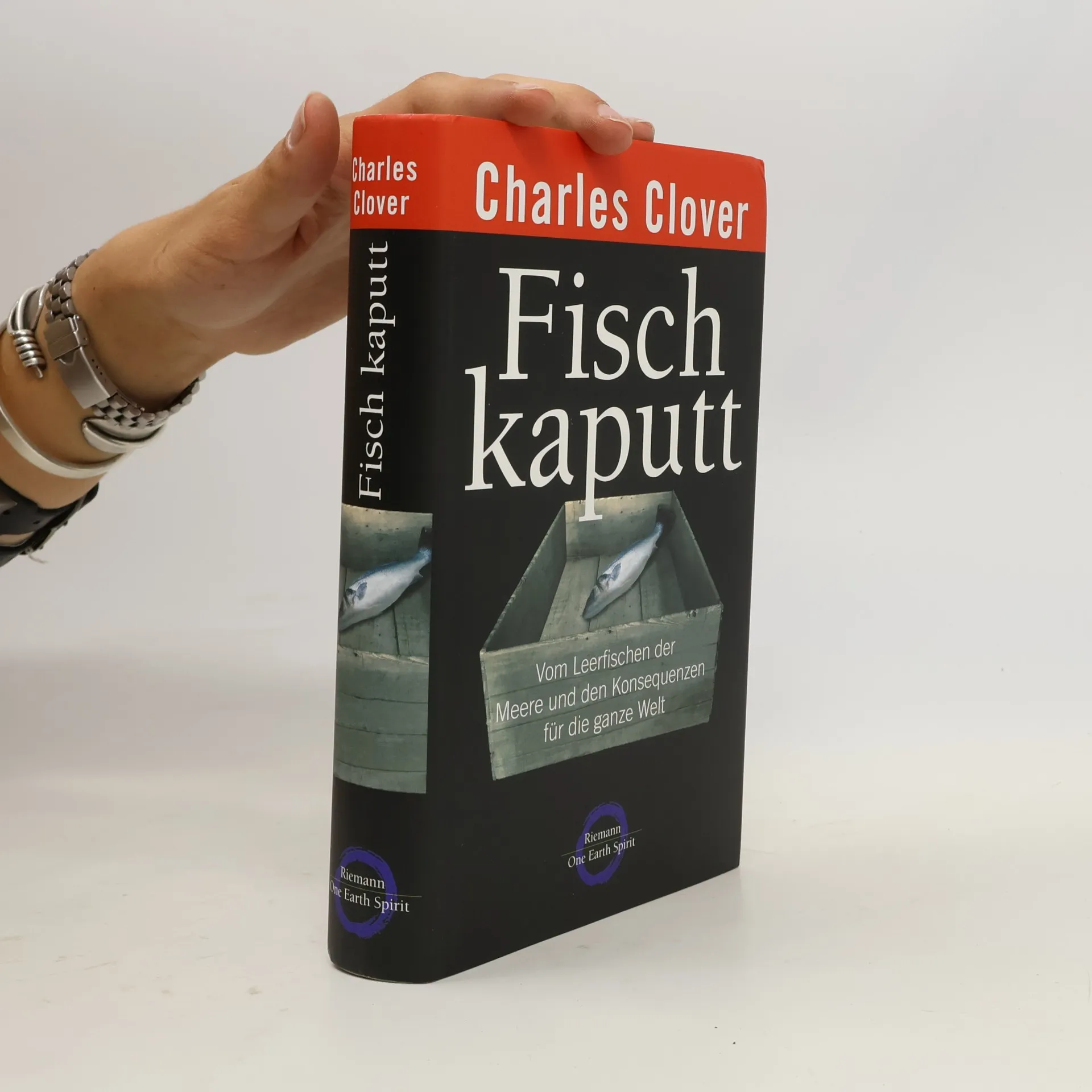
Wer auch morgen Fisch essen möchte, muss heute aktiv zur Sicherung der Bestände beitragen. Diese Botschaft gilt nicht nur für Fischer, Manager und Politiker, sondern auch für Konsumenten, die oft nicht nach der Herkunft ihrer Fische fragen und somit zur Überfischung beitragen. Viele Fischbestände sind in einem kritischen Zustand, und moderne Fangmethoden schädigen die Ökosysteme der Meere erheblich. Reiche Industrienationen sichern sich durch Fischereiabkommen den Zugang zu Gewässern in Entwicklungsländern, was den dortigen Fischern die Lebensgrundlage entzieht. Wissenschaftler und Umweltverbände fordern dringend Schutzzonen, eine Reduzierung der Flottenkapazität und geringere Fangquoten, doch diese Forderungen werden oft ignoriert. Gleichzeitig konsumiert der durchschnittliche Verbraucher gedankenlos, wählt Sushi oder Fischgerichte in Gourmetlokalen und Fast-Food-Ketten. Der Autor beleuchtet diese Probleme und präsentiert Lösungsansätze. Er besucht bedeutende Fischmärkte, spricht mit Fischern und Managern, erklärt Fangmethoden und -technologien und zeigt erfolgreiche Ansätze zur Rettung gefährdeter Bestände sowie die Möglichkeiten der Aquakultur. Ein Ratgeber am Ende des Buches hilft bei der Auswahl nicht gefährdeter Fischarten.
Charles Clover Bücher
Charles Clover ist ein angesehener Journalist und Autor, dessen Werk sich intensiv mit Umweltfragen und nachhaltiger Landwirtschaft beschäftigt. Mit einem tiefen Verständnis für ökologische Komplexitäten und einer Leidenschaft für Naturschutz deckt er die Auswirkungen von Überfischung auf globale Ökosysteme und unsere Ernährungsgewohnheiten auf. Seine mehrfach preisgekrönten Schriften sind ein eindringlicher Aufruf zum Bewusstsein und drängen die Leser zu nachhaltigeren Praktiken im Umgang mit natürlichen Ressourcen. Clovers einflussreicher Stil und seine überzeugende Erzählweise wandeln komplexe Umweltprobleme in zugängliche und fesselnde Berichte um.



Rewilding the Sea
- 261 Seiten
- 10 Lesestunden
'Desperately needed' - Isabella Tree 'I doubt any more important book will published this year' - Stephen Fry In this indispensable follow up to his acclaimed The End of the Line- How Overfishing is Changing the World, Charles Clover chronicles how determined individuals are proving that the crisis in our oceans can be reversed, with benefits for both local communities and entire ecosystems. Rewilding the Sea celebrates what happens when we step aside and let nature repair the damage- whether it is the overfishing of bluefin tuna across the Atlantic, the destruction of coral gardens by dredgers in Lyme Bay or the restoration of oysters on the East Coast of America. The latest scientific research shows that trawling and dredging create more CO2 than the aviation industry and damage vast areas of our continental shelves, stopping them soaking up carbon. We need to fish in different ways, where we fish at all. We can store carbon and have more fish by stepping aside more often and trusting nature. Essential and revelatory, Rewilding the Sea propels us to rethink our relationship with nature and reveals that saving our oceans is easier than we think.
A fascinating study of the root motivations behind the political activities and philosophies of Putin's government in Russia
The Prince of Wales spent five years turning his Highgrove Estate in the Cotswolds into a model of environmentally-benign farming and gardening. This book records the successes and failures, and the lessons to be shared not only by gardeners, horticulturalists and farmers, but by everyone interested in land, in their environment. In an introductory section Prince Charles shares his vision of Highgrove as a blueprint for the future. Charles Clover depicts the backcloth: the history of the estate, the making of the garden, the wildflower garden, the encouragement of wildlife, the seasons at Highgrove, the experiments in organic farming, and the market for the products.