

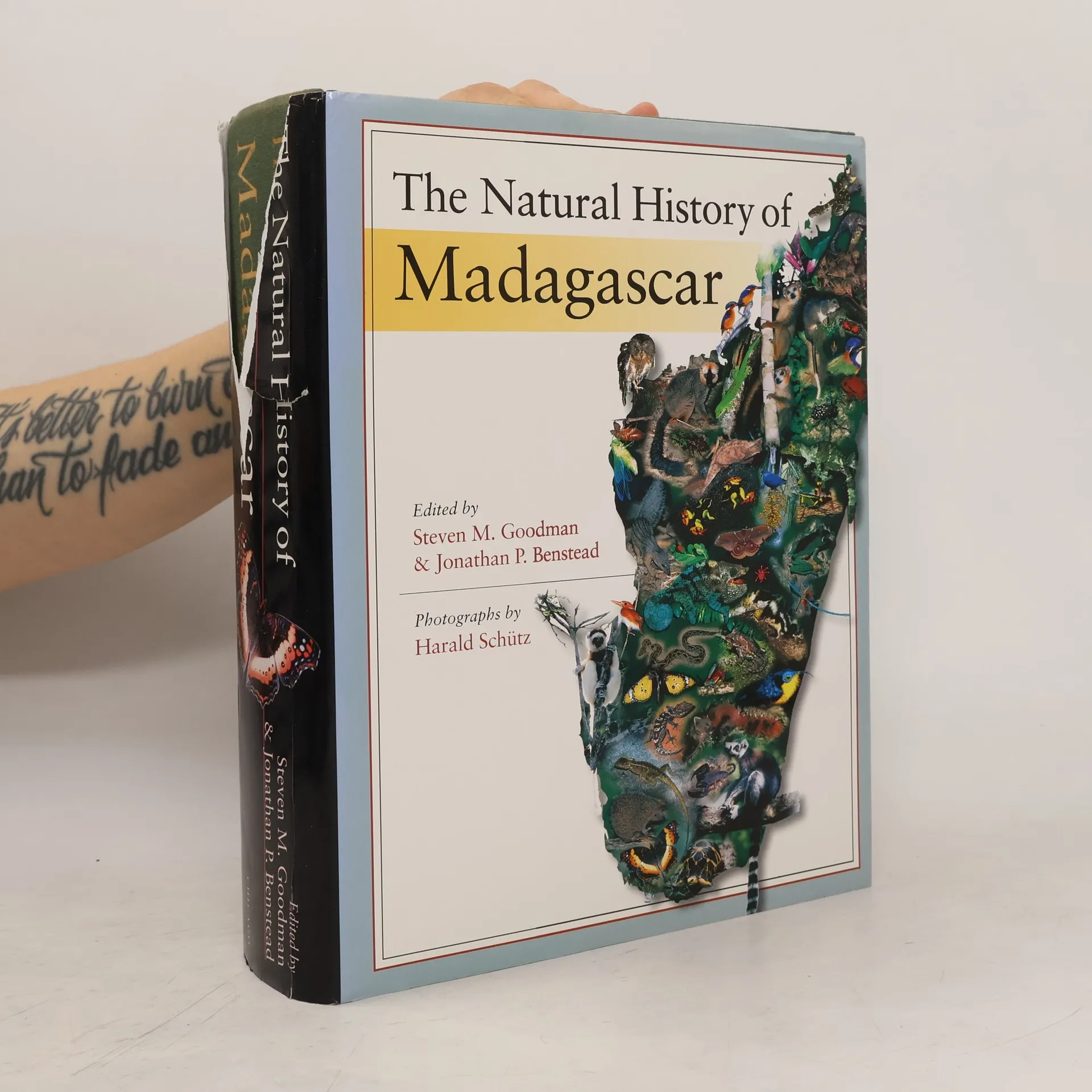
The Natural History of Madagascar
- 1728 Seiten
- 61 Lesestunden
Separated from Africa for 160 million years, Madagascar boasts remarkable biodiversity, with thousands of species unique to the island. Of its estimated 12,000 plant species, nearly 10,000 are endemic. The fauna is equally impressive, featuring almost forty recognized lemur species and numerous tiny dwarf chameleons. Scientists frequently discover new species in Madagascar, but this is paralleled by habitat degradation, prompting conservation organizations to identify the island as a critical conservation priority. This comprehensive synthesis of Madagascar's biological treasures includes contributions from nearly three hundred experts, covering scientific exploration, geology, climate, forest ecology, human ecology, and marine ecosystems. It discusses conservation efforts, highlighting successful park reserve programs that could serve as models elsewhere. The book is richly illustrated, featuring over one hundred color illustrations, including fifty photos by nature photographer Harald Schütz, along with more than three hundred black-and-white images and line drawings. This resource will be invaluable for anyone interested in the Malagasy environment, including biologists, conservationists, policymakers, and ecotourists.