Zig Zag
- 288 Seiten
- 11 Lesestunden
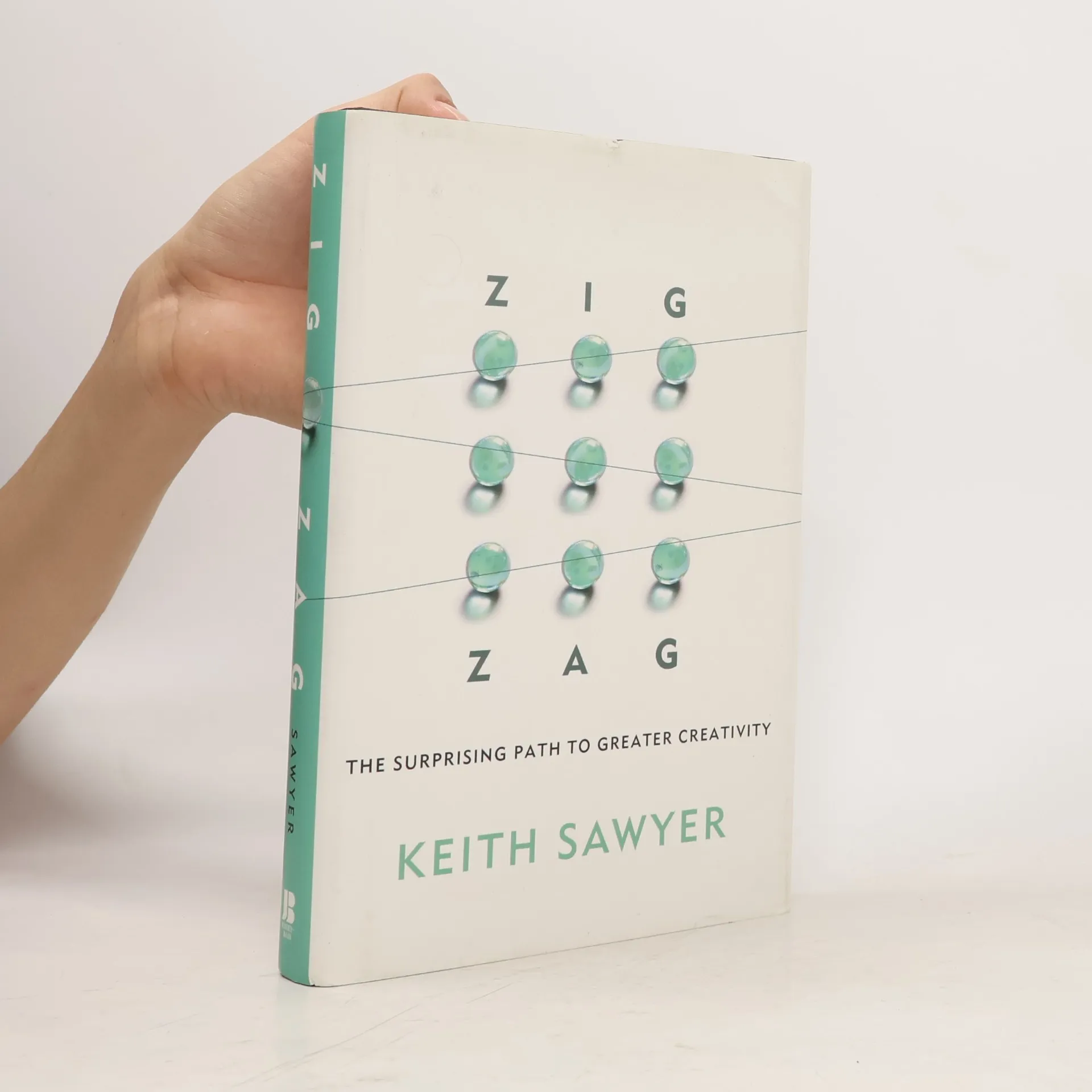
A science-backed method to maximize creative potential in any sphere of life With the prevalence of computer technology and outsourcing, new jobs and fulfilling lives will rely heavily on creativity and innovation.


A science-backed method to maximize creative potential in any sphere of life With the prevalence of computer technology and outsourcing, new jobs and fulfilling lives will rely heavily on creativity and innovation.
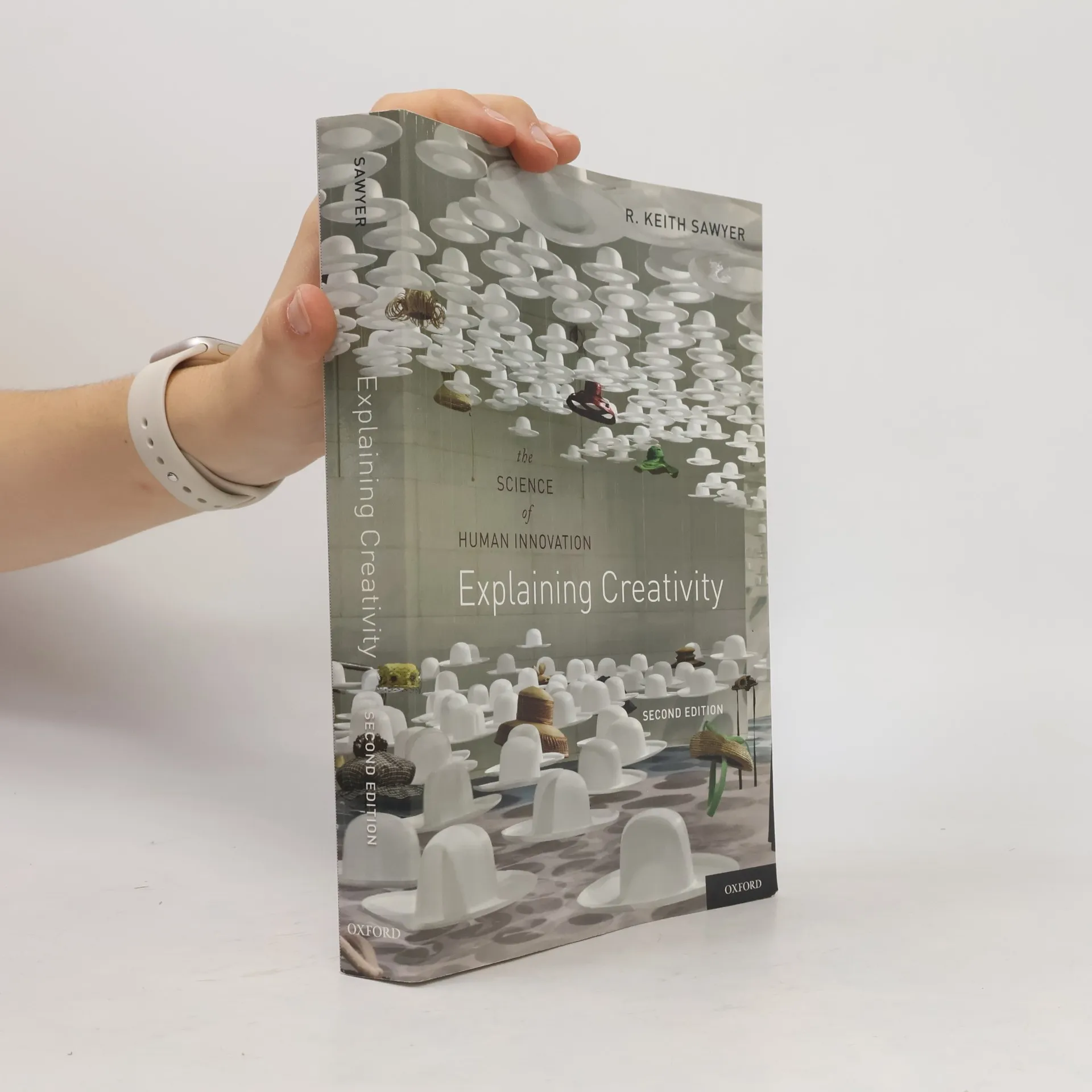
This accessible introduction delves into the latest scientific research on creativity, summarizing a wide range of studies in psychology and related fields. Over the past 40 years, researchers have increasingly focused on creativity, providing unprecedented insights. The exploration encompasses various domains, including the arts, science, business innovation, and everyday creativity. The interdisciplinary approach integrates psychological studies, anthropological insights on non-Western cultures, sociological research on creative contexts, and cognitive neuroscience findings about brain activity during creative tasks. The book emphasizes the importance of social and cultural contexts, highlighting collaboration's role in the creative process. It features recent experimental studies using brain imaging technology to reveal how the brain functions during creative endeavors. Each chapter concludes with suggested readings for further exploration, and key concepts along with thought-provoking questions for reflection are highlighted throughout, making it a comprehensive resource for understanding the multifaceted nature of creativity.
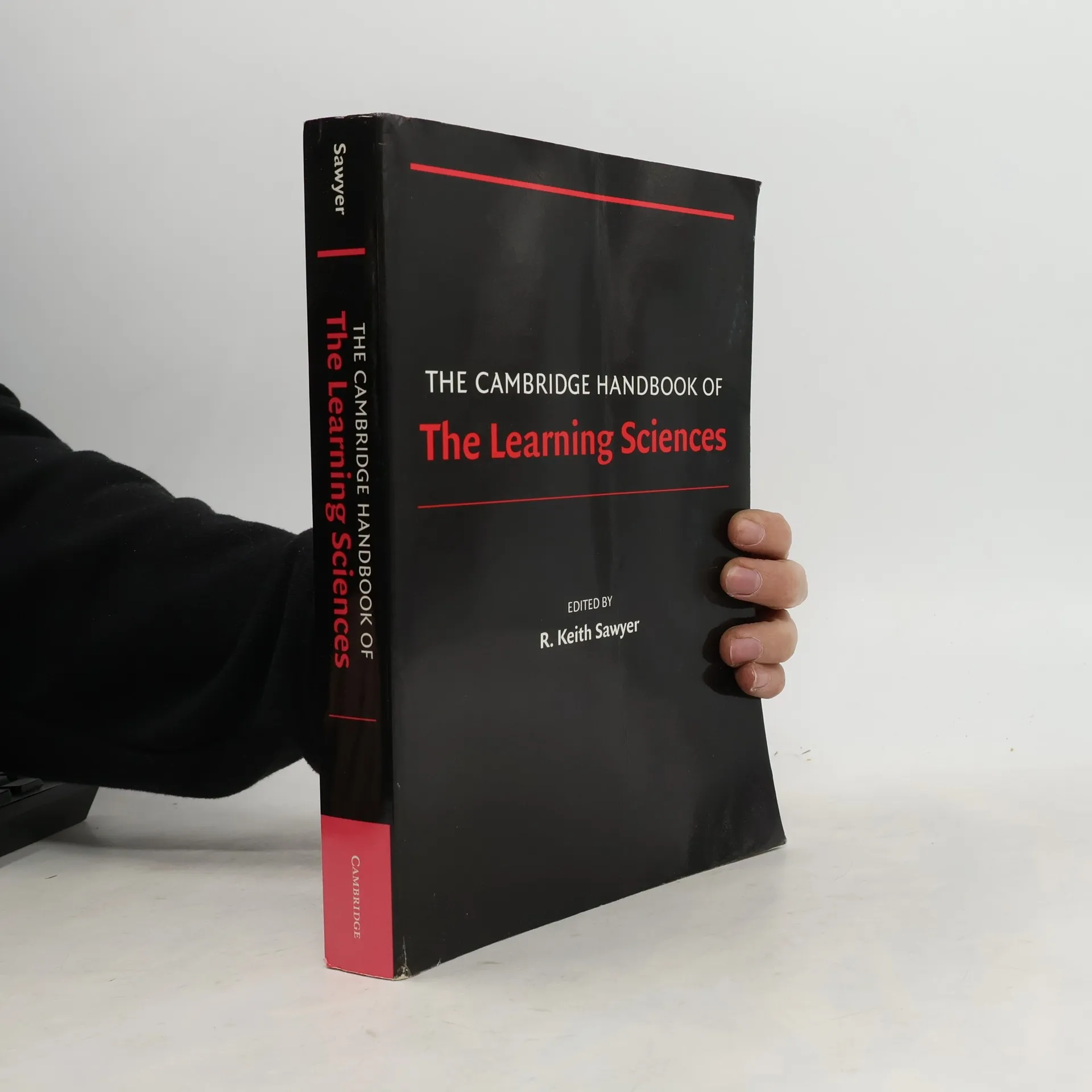
Learning sciences is an interdisciplinary field that studies teaching and learning. The sciences of learning include cognitive science, educational psychology, computer science, anthropology, sociology, neuroscience, and other fields. The Cambridge Handbook of the Learning Sciences, first published in 2006, shows how educators can use the learning sciences to design more effective learning environments - including school classrooms and also informal settings such as science centers or after-school clubs, on-line distance learning, and computer-based tutoring software. The chapters in this handbook each describe exciting new classroom environments, based on the latest science about how children learn. CHLS is a true handbook in that readers can use it to design the schools of the future - schools that will prepare graduates to participate in a global society that is increasingly based on knowledge and innovation.