


Gratisversand in ganz Deutschland!
Bookbot

Robert Darnton

    10. Mai 1939
    Robert Darnton
    Poesie und Polizei
    Glänzende Geschäfte
    Die Wissenschaft des Raubdrucks : ein zentrales Element im Verlagswesen des 18. Jahrhunderts
    Das grosse Katzenmassaker
    George Washingtons falsche Zähne oder noch einmal: Was ist Aufklärung
    Literaten im Untergrund
    • 2023

      Understanding events requires exploring the complex layers of perceptions that shape them, including attitudes, values, and emotions such as hopes and fears. The book delves into how these perceptions influence our interpretation of events, emphasizing their interconnectedness. By examining the memories of the past and anticipations of the future, it reveals the profound impact of human experience on our understanding of the world.

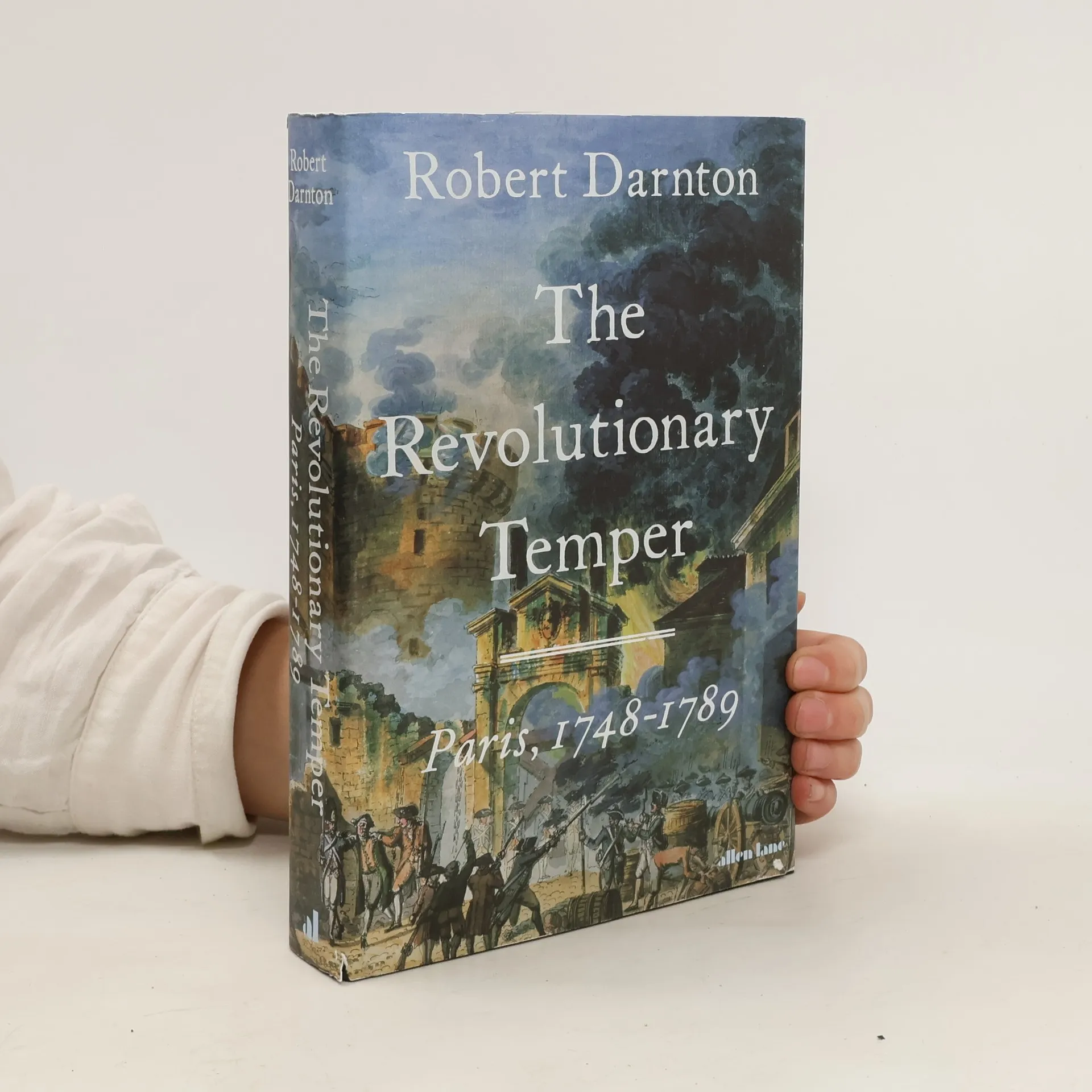
      The Revolutionary Temper
    • 2021

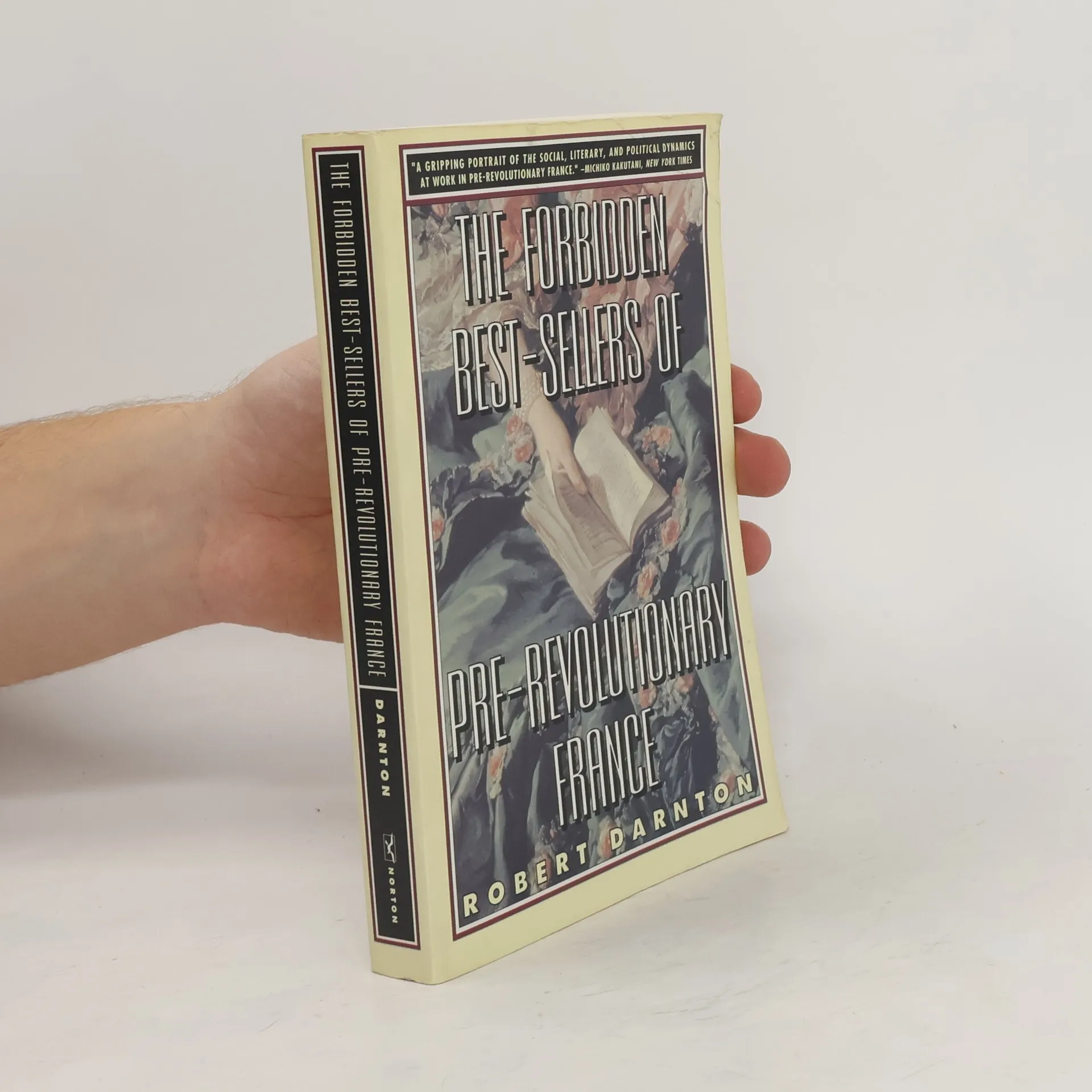
      The story of how book piracy in pre-Revolutionary France expanded the reach of the works that would inspire momentous change.

      Pirating and Publishing
    • 2014

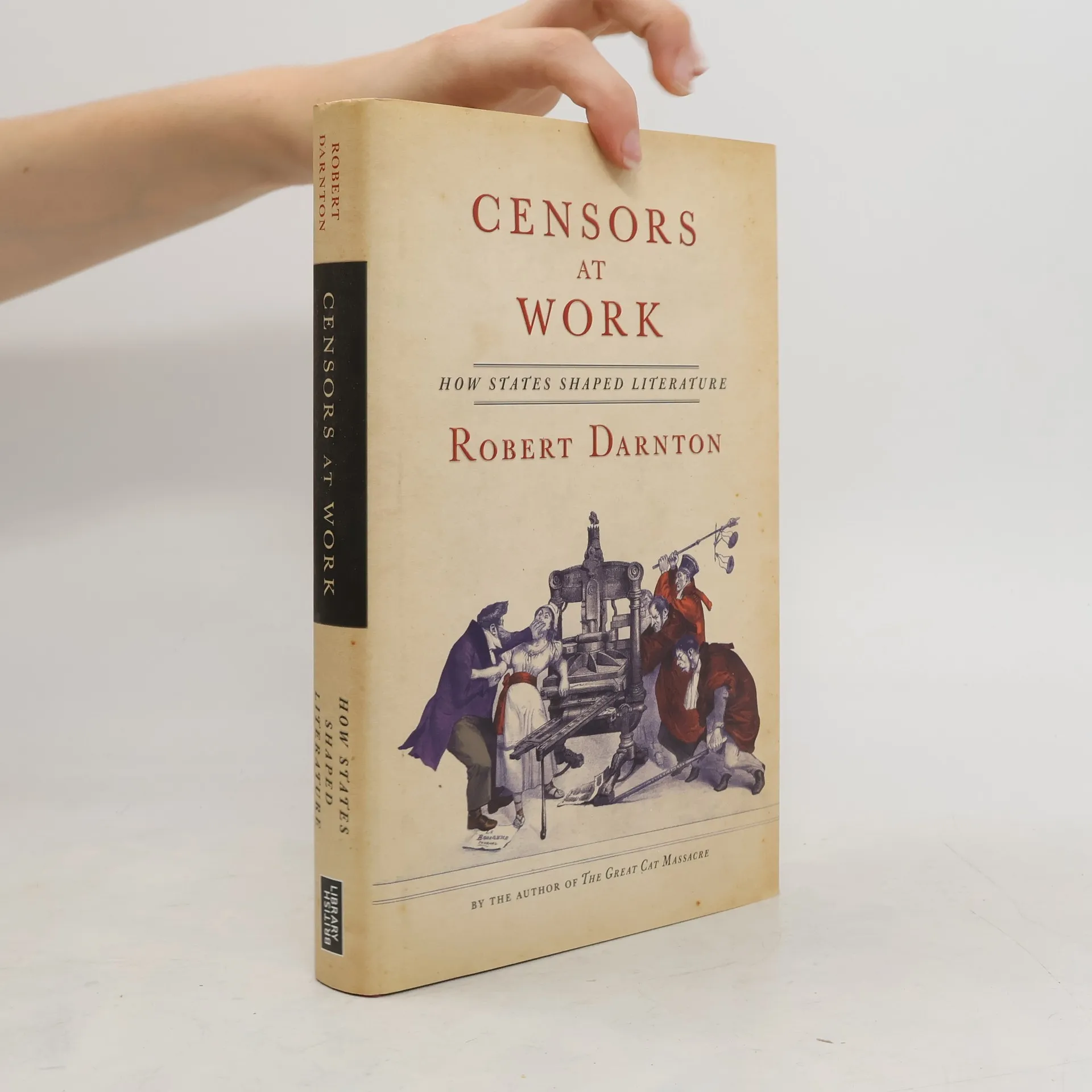
      Censors at Work

      How States Shaped Literature

      3,9(6)Abgeben

      A fresh perspective on censorship emerges in this elegant history by a superb conjurer of the past. With his uncanny ability to spark life in the past, Robert Darnton re-creates three historical worlds in which censorship shaped literary expression. In 18th-century France, censors navigated the intricacies of royal privilege in a working collaboration with authors and booksellers on the making of literature. Absolutism operating through negotiation yielded both suppression and protection of some of the great works of the Enlightenment. In 19th-century India, the efforts of the British Raj to control "native" literature gave voice to an Indian opposition that exposed the tensions between Britain's liberal principles and imperial power. And in 20th-century East Germany, the Communist Party's attempt to engineer literature actually yielded a range of outcomes from brutal repression to the complex negotiation behind some of the best-known works by German authors. Censorship emerges not as a simple repression that is everywhere the same but a melding of power and culture grounded in history

      Censors at Work
    • 2013

      À la veille de la Révolution, 25 000 collections des 17 volumes de l’Encyclopédie étaient déjà vendues à travers l’Europe. Robert Darnton, dans ce « grand livre sur l’Encyclopédie » (Roger Chartier) raconte l’histoire de ce succès. Il y révèle un aspect peu connu de l’histoire de la France au siècle des Lumières. « La plus grande entreprise de tous les temps » n’y est pas considérée sous l’angle des idées philosophiques qu’elle contient, mais comme la plus grande affaire commerciale du XVIIIe siècle. L’histoire de la fabrication, du mode de vente et de distribution de ce best-seller amène de la sorte à une connaissance réelle des la vie des Français au travail.

      L'aventure de l'Encyclopédie
    • 2012

      Poetry and the Police

      • 240 Seiten
      • 9 Lesestunden
      3,7(7)Abgeben

      In 1749, Francois Bonis, a medical student in Paris, found himself hauled off to the Bastille for distributing an abominable poem about the king. So began the Affair of the Fourteen, a police crackdown on ordinary citizens for unauthorized poetry recitals. Why was the official response to these poems so intense? This book deals with this topic.

      Poetry and the Police
    • 2011

      The exploration of scandalous literature in eighteenth-century France reveals how libelers challenged the authority of the Old Regime. Robert Darnton delves into the vibrant lives of these figures, illustrating their impact on the ideological shifts that paved the way for a more radical political culture during Robespierre's era. This examination highlights the interplay between literature and politics, showcasing how dissenting voices contributed to the transformation of French society.

      The Devil in the Holy Water, or the Art of Slander from Louis XIV to Napoleon
    • 2010

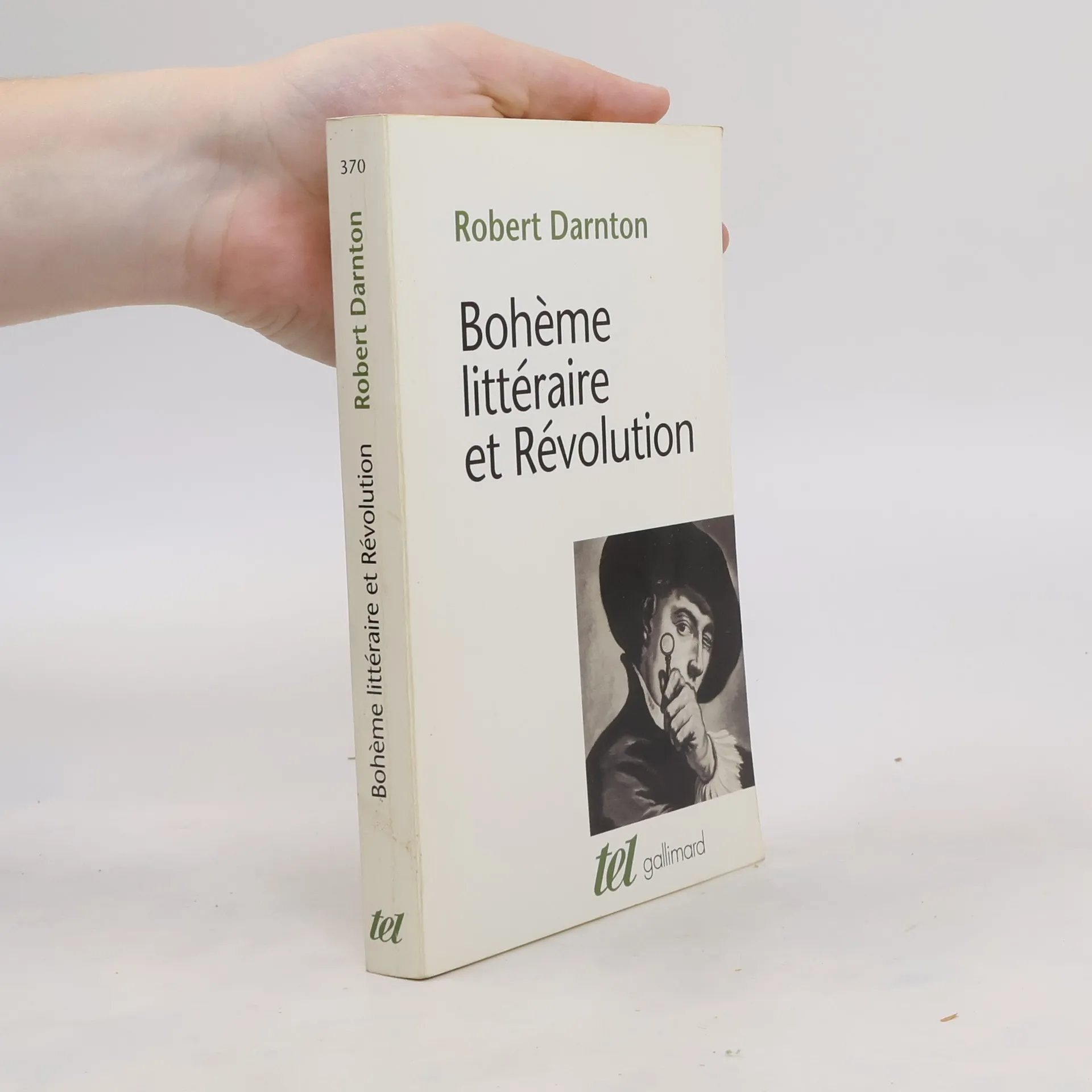
      Cette étude se penche sur la place des écrivains de second ordre dans la préparation de la Révolution française. Le paysage des Lumières, vu des boutiques de libraires ou des officines de la police, à la croisée entre histoire de l'édition et sociologie des auteurs et du public, pose en termes novateurs la question de la lecture et de la vie intellectuelle au XVIIIe siècle

      Bohème littéraire et Révolution
    • 2009

      The Great Cat Massacre

      • 320 Seiten
      • 12 Lesestunden
      3,8(196)Abgeben

      When the apprentices of a Paris printing shop in the 1730s held a series of mock trials and then hanged all the cats they could lay their hands on, why did they find it so hilariously funny that they choked with laughter when they reenacted it in pantomime some twenty times? Why in the eighteenth-century version of Little Red Riding Hood did the wolf eat the child at the end? What did the anonymous townsman of Montpelier have in mind when he kept an exhaustive dossier on all the activities of his native city? These are some of the provocative questions Robert Darnton answers in this classic work of European history in what we like to call “The Age of Enlightenment.”

      The Great Cat Massacre
    • 2002

      Poesie und Polizei

      Öffentliche Meinung und Kommunikationsnetzwerke im Paris des 18. Jahrhunderts

      • 170 Seiten
      • 6 Lesestunden

      Die gern geführte Rede, daß wir soeben in das Informationszeitalter eingetreten seien, verkennt, daß »Informationszeitalter« auch in der Vergangenheit schon existiert haben. Nur die Formen und die Medien der Verbreitung von Informationen waren andere. Im Paris des 18. Jahrhunderts bestanden in erster Linie mündliche Kommunikationssysteme, und Informationen verbargen sich oft in poetischen Texten, die der gewöhnliche Pariser in öffentlichen Gärten rezitierte und auf den Straßen sang. Diese Poesie war politisch so wirkungsvoll, daß man versuchte, sie der polizeilichen Kontrolle zu unterstellen. Darnton beschreibt, wie die Polizei im Paris des Jahres 1749 die Herkunft solcher Gedichte zurückverfolgt, und macht dabei deutlich, wie Kommunikationssysteme funktionieren und wie sich Neuigkeiten auch durch Medien, die heute vergessen sind, ausbreiten können.

      Poesie und Polizei